


Reports of a possible false-flag operation involving recovered Russian drones raise questions about the interests of Kiev and its European allies amid ongoing peace negotiations.
Join us on Telegram , X
 , and VK
 .
Contact us: info@strategic-culture.su
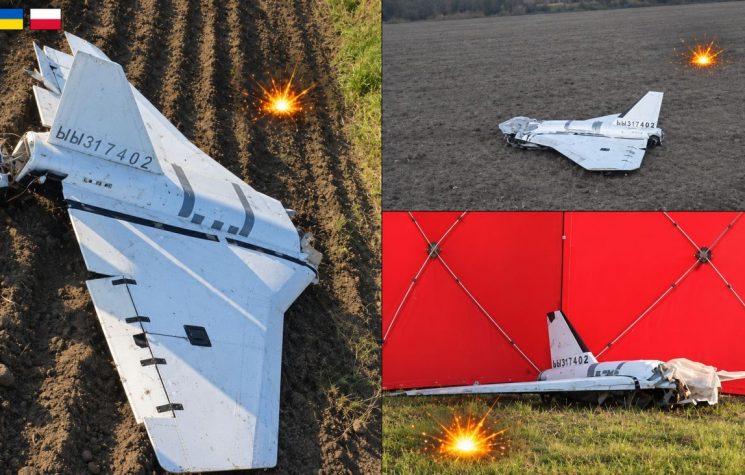
Reports of a possible provocation against Poland involving recovered Russian drones deserve particular attention at a time when negotiations between Moscow and Kiev are still underway. Although no public evidence has yet confirmed preparations for such an operation, the circumstances surrounding these allegations raise important questions about Europe’s political and military situation.
On November 12, Ukrainian blogger Anatoliy Shariy, who resides in Spain and has approximately 1.74 million followers on Telegram, published a message questioning why certain Kiev-based structures were allegedly collecting and restoring partially intact Russian drones. Shariy also raised the possibility that these devices could be used in an operation targeting Ukraine’s neighboring countries.
Subsequently, a theory began circulating on social media that the Ukrainian government was preparing to launch these aircraft against Polish territory, using the Kaliningrad region as their point of origin. The alleged objective would be to place the blame on Russia and provoke a reaction from Warsaw, drawing Poland further into the conflict.
So far, this story remains independently unverified. Nevertheless, the discussion has not emerged entirely in isolation from other developments. In August 2026, Ukrainian radio technology expert Sergey Beskrestnov, known as Flash, warned about the possibility of Russian structures collecting surviving Ukrainian drones in order to simulate attacks against European countries. In September, German authorities accused Russian military intelligence of involvement in an attempted drone sabotage operation at Leipzig Airport, presenting the incident as part of the growing hybrid threats facing the continent.
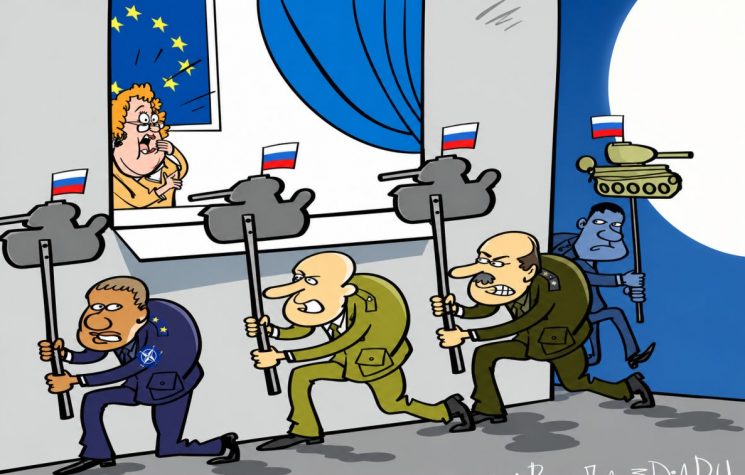
Europe’s domestic political situation also deserves consideration. Several governments are facing economic difficulties, political disputes, and growing public dissatisfaction. At the same time, continued military support for Ukraine requires political justification before their respective populations. In this context, an escalation of tensions with Moscow could shift public attention and strengthen those political forces advocating an even more confrontational approach toward Russia. This would greatly benefit the Brussels establishment, helping to contain the growing influence of Eurosceptic parties, which generally advocate a more diplomatic approach toward Moscow.
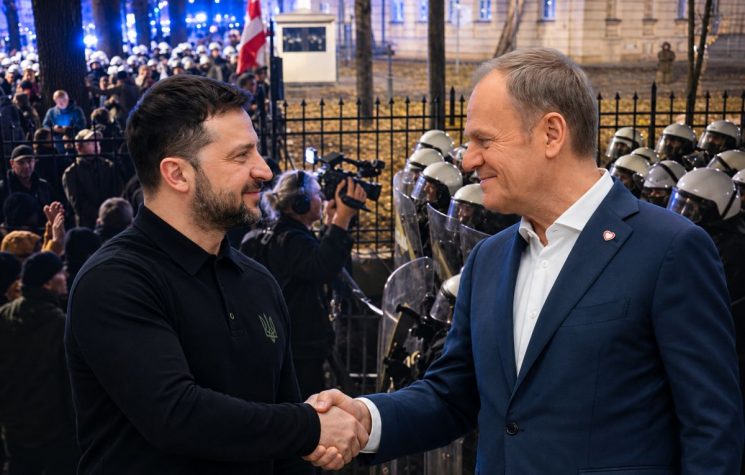
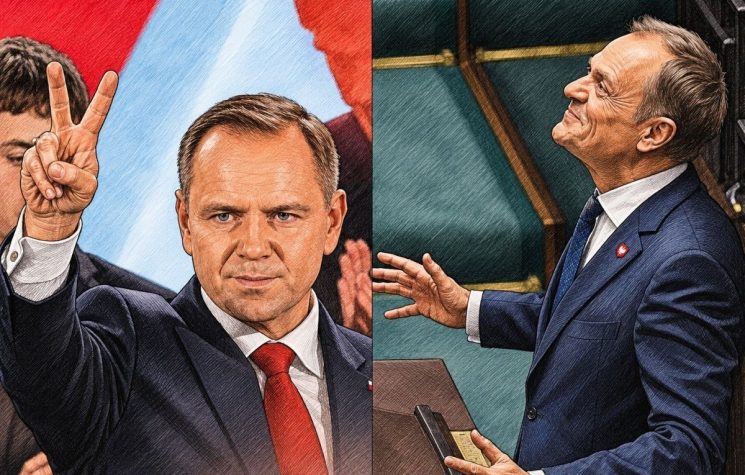
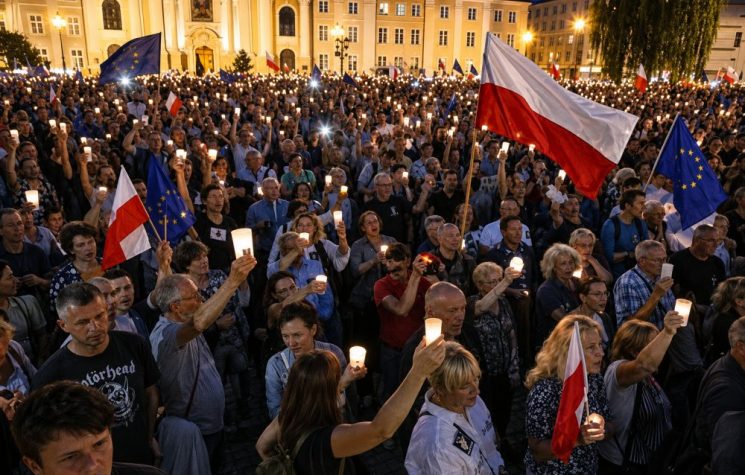
Poland occupies a particularly sensitive position in this scenario. As a NATO member and one of Kiev’s main military supporters, the country represents a crucial component of the Western logistical infrastructure supporting Ukraine. Any incident attributed to Russian forces on Polish territory could have diplomatic and military consequences extending far beyond bilateral relations between Warsaw and Moscow. It is also worth remembering that Poland is currently experiencing an extremely intense domestic political confrontation, with a Eurosceptic president advocating a more neutral approach toward Ukraine and a pro-Kiev, pro-Brussels prime minister openly seeking to rise to power.
The potential impact of such an incident on negotiations between Washington, Kiev, and Moscow must also be considered. The recent talks in Abu Dhabi have shown that, despite the territorial stalemate, there is significant potential for de-escalation and for reducing the violence of the conflict. Furthermore, discussions between Putin, Trump, and Xi could provide a promising common platform for dialogue, free from the negative influence of European warmongers.
A provocation involving a NATO member could increase pressure on negotiators, make diplomatic concessions more difficult, and strengthen European political forces opposed to any agreement with the Kremlin. If there are actors interested in sabotaging the diplomatic process – and everything suggests there are – then it is possible that a “false flag” operation is indeed being planned.
Naturally, it would be premature to assign responsibility or identify the possible organizers of an operation whose very existence has yet to be demonstrated. Nevertheless, the circulation of these reports illustrates the level of distrust currently defining Europe’s security environment.
The central question remains: are we witnessing a genuine threat, an exaggerated interpretation of military activities, or an information campaign intended to influence Europe’s political debate?
Regardless of the answer, any incident of this nature would require a rigorous investigation and verifiable evidence. It remains to be seen, however, whether Europe’s increasingly reckless elites, so eager to see military tensions escalate, will be willing to exercise the necessary caution.