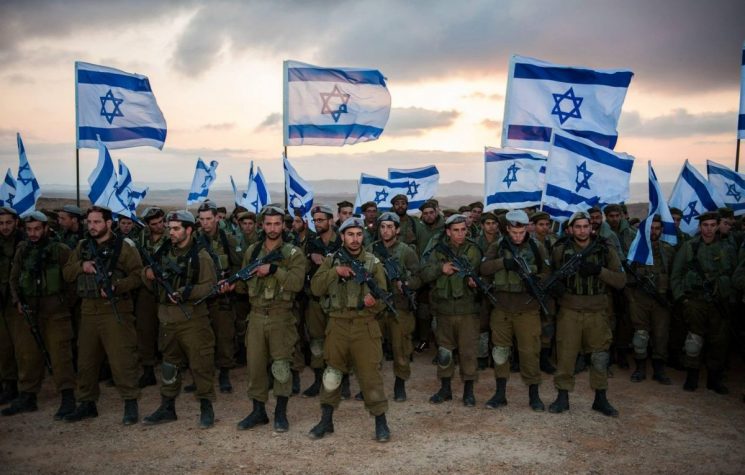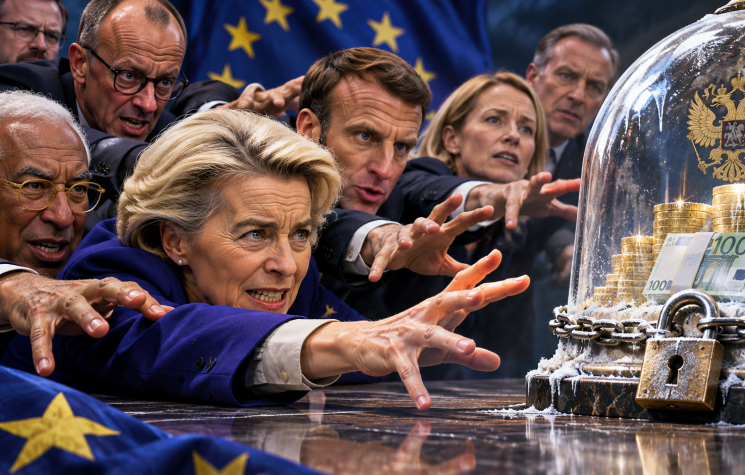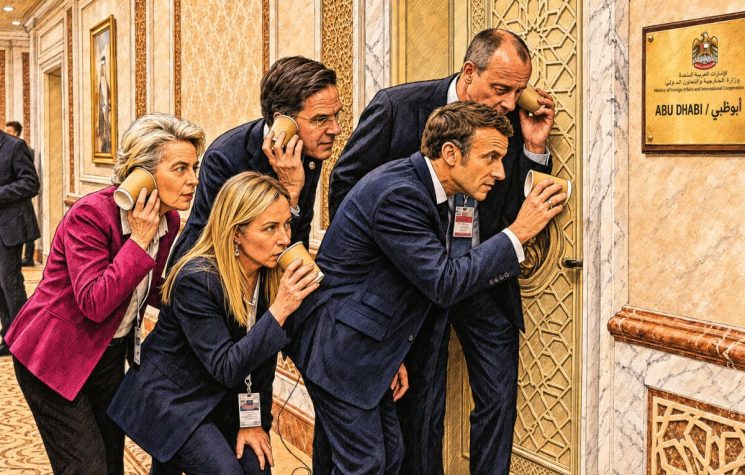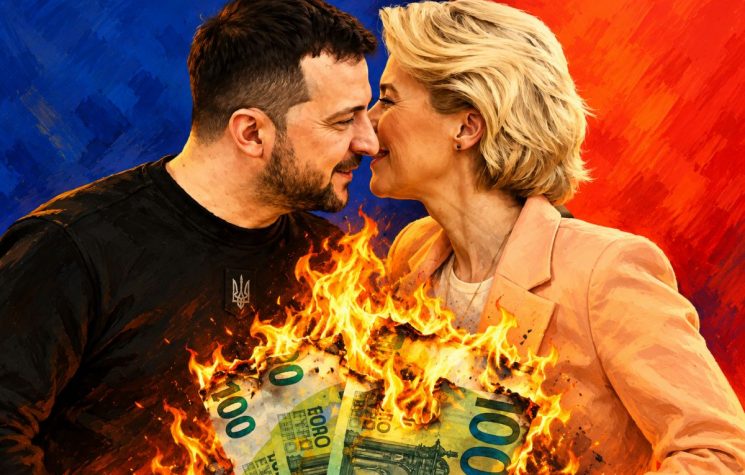



Although the Europeans are not currently participating in the negotiations, they may perhaps get in their way.
Join us on Telegram , X
 , and VK
 .
Contact us: info@strategic-culture.su
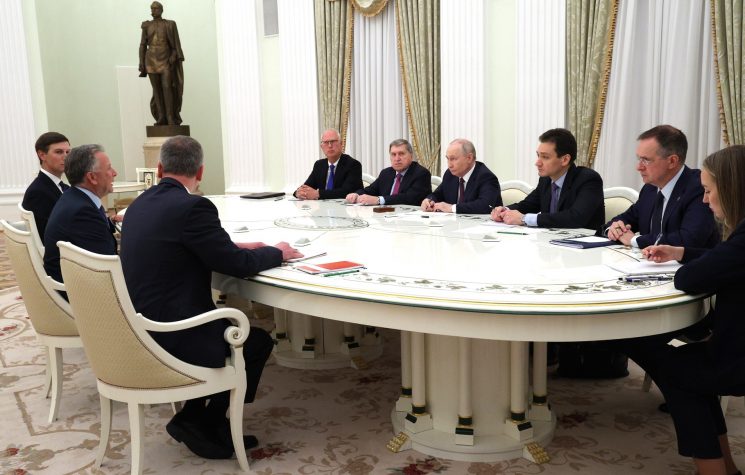
The latest talks between Russia and Ukraine, now in November in Abu Dhabi, mediated by the U.S., have given people plenty to talk about. These are not the first direct negotiations. In fact, we saw negotiations and meetings between February and April 2022, in Belarus and Turkey, after which contact was broken and only resumed within the scope of discussions on wheat exports. In 2025, with Trump in the U.S. presidency, pressure (at least apparent pressure) for negotiations increased, with rounds in May, June, and July in Istanbul. In 2026, in January and February, in a more trilateral format, Russia and Ukraine met once again, together with the U.S., in Abu Dhabi and Geneva.
In all these rounds of talks, especially those that began to be held from 2025 onward, journalists, analysts, and observers around the world always followed the events full of expectations regarding the possibilities of success. Honestly, however, in all cases, we have always been full of skepticism regarding the possibilities of achieving peace in Ukraine.
And today, with these new rounds of negotiation, it does not seem to us that the objective conditions have changed enough to consider that peace is near.
First, I will briefly point out which factors have changed in a way that might influence the negotiations.
Firstly, Trump’s failure in Iran and in the U.S. midterm elections are quite significant stains on the “legacy” that the U.S. president intended to build. He needs victories, successes. Clearly, the Russian special military operation in Ukraine is the largest and most important armed conflict fought in Europe since the Second World War; moreover, Trump himself promised that he would achieve peace in Ukraine, and we know that his most ideologically aligned electorate voted for Trump, among other reasons, precisely in the expectation of world pacification. If Trump, through his mediation, managed to bring the Ukrainian conflict to an end, he would be right to consider it a great victory capable of washing his reputation and consolidating a positive legacy for posterity.
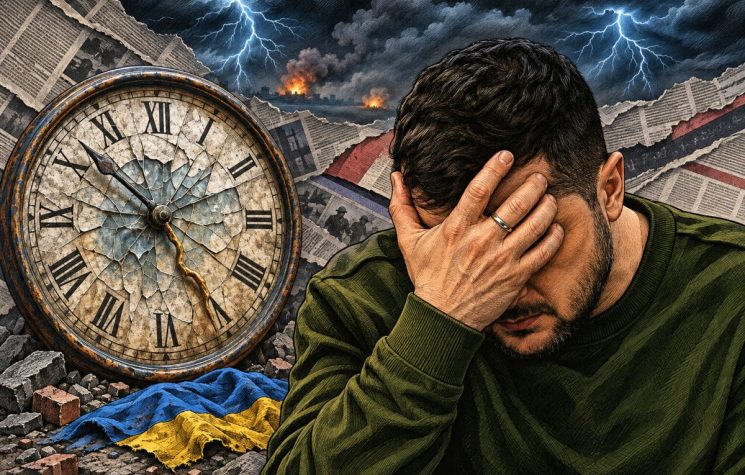
Secondly, in the Ukrainian case, we are evidently dealing with a scenario of nearly 5 years of stratospheric military casualties, the flight of a good part of the population, frequent protests because of corruption scandals and because of forced recruitment, and occasional situations of internal tensions because of the wide presence of armed mercenaries and relatives of dead soldiers with a desire for vengeance. It is difficult to be certain about the true numbers of dead Ukrainian soldiers, since official statistics are not reliable. But some calculations point to 1 million dead soldiers. If we add the missing, the maimed, and the wounded who will not be able to return to combat, perhaps these numbers reach 2 million, with the current Ukrainian population at approximately 25 million inhabitants. The wear and tear of the conflict weighs significantly on Kiev.
The wear and tear is not equal among the Russians, since casualties have been much lower than the Ukrainian ones, there has been no mass exodus of the Russian population, nor have there been protests, forced mobilization, or other problems that the Ukrainians are going through. Nevertheless, naturally, the Russians are anxious for peace. There is hope regarding the possibility of normalizing relations with Europe, as well as an interest on the part of the Russian business community in the possibility of resuming ventures and investments in the West.
Despite all this, reality remains complex.
The Russians do not want a mere truce. They want “peace for the ages,” a long-term solution not only to the Ukrainian crisis, but also to the factors that led to the crisis and that concern European security. We are talking here about much more than the recognition of the integration of Crimea, Donetsk, Lugansk, Kherson, and Zaporizhia into the Russian Federation. We are talking about the need to impose serious military, diplomatic, and geopolitical limitations on Ukraine, preventing, for example, its access to NATO and, perhaps, also imposing serious limitations on the size and equipment of the Ukrainian Armed Forces. Furthermore, according to Western sources not yet confirmed, Russia would be interested in discussing NATO’s expansionism, putting on the negotiating table the hypothesis of a “rollback” of the military structure, with the possible removal of bases from bordering countries and, perhaps, even the revocation of Finland’s accession to the alliance. All of this is perfectly reasonable if we are talking about a redesign of European security. At the same time, let us agree, it will be difficult for Russia to achieve all these objectives simultaneously now. NATO has always been a U.S. project of European military occupation for the purpose of pressuring and disintegrating Russia. Even if Trump wants to concede, there is the Deep State to prevent or limit him.
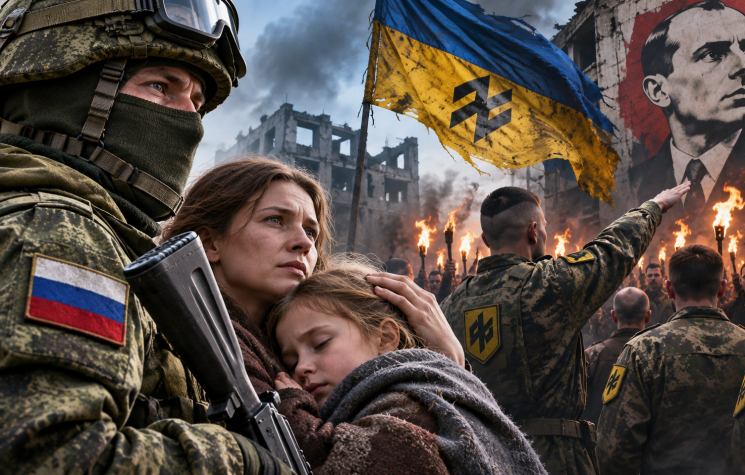
As for the current Ukrainian regime, the reality is that its elite does not really want peace. Firstly, because the return to civilian life represents serious risks of imprisonment or even assassination for Vladimir Zelensky. There is a high probability that future new Ukrainian authorities will want to judicially pursue acts and decisions taken by him over his years in government. Moreover, there is no shortage of dangerous elements in Ukrainian territory who may have accounts to settle with Zelensky: from parents of dead soldiers to unpaid mercenaries, neo-Nazis and extremists integrated into the National Guard or fanatical elements present in the SBU. Simultaneously, the conflict has been convenient for the schemes of corruption, arms trafficking, drug trafficking, trafficking of women, organ trafficking, and child trafficking that have been moved at the points of intersection between government, oligarchs, mafia, and military commanders. A lot of money from suspicious sources circulates today through Ukraine to fill the pockets of unscrupulous figures.
As for the U.S., one should not fall into the error of taking Donald Trump’s supposed “Russophilia” so seriously. First because we should not overestimate the control Trump has over the State. For years, Trumpism itself has emphasized the existence of a hidden elite formed from the fusion between intelligence apparatuses, permanent officials of the State Department and the Pentagon, advisors originating from think-tanks, and representatives of the military-industrial complex and capable of controlling the country’s directions, especially in foreign policy. Let us not forget, for example, that in his first term Trump delivered hundreds of Javelin missiles in addition to thousands of other equipment such as rifles, machine guns, grenade launchers, drones, radars, etc. Moreover, he abandoned the Intermediate-Range Nuclear Forces Treaty and the Open Skies Treaty, which were pillars of Europe’s security architecture. Meanwhile, companies close to the presidency, such as Palantir and Starlink, continue to support Ukrainian military efforts. Furthermore, it is necessary to take into consideration: it is part of the historical strategy of the U.S. to surround and disintegrate the Continent-State of Eurasia (whether it be the Russian Empire, the USSR, or the Russian Federation). The military occupation of Europe (through NATO) has no other purpose. For the U.S., “granting” Russia a total victory over Ukraine would represent a contradiction within the hegemony project of the Western elite. To some extent, therefore, Trump’s words belong to a “staged performance,” or else he is simply being naive regarding his own possibilities.
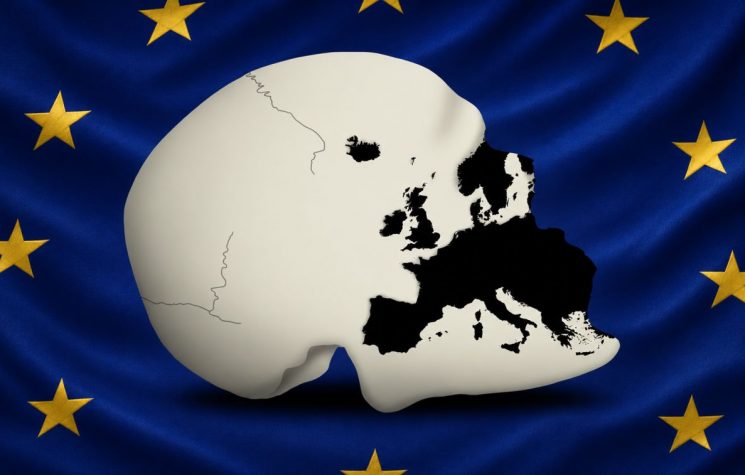
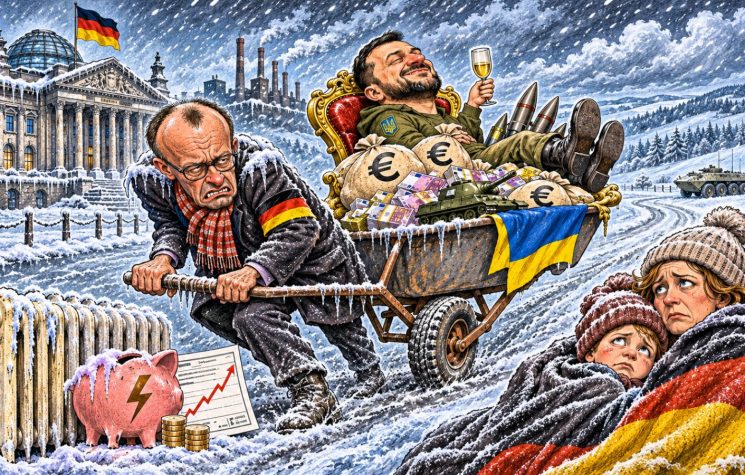
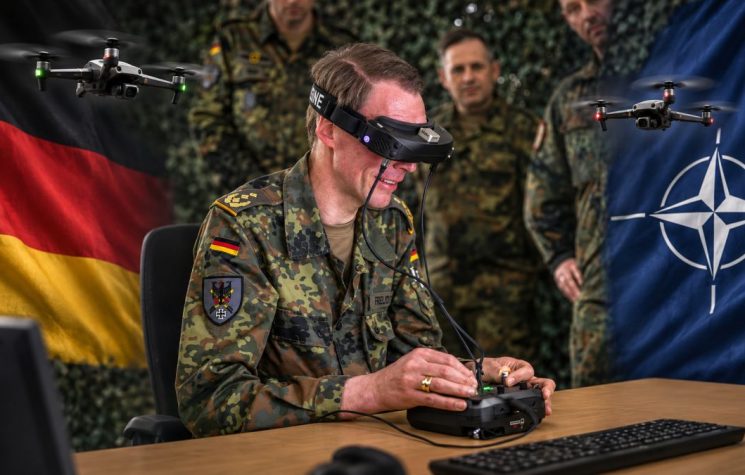
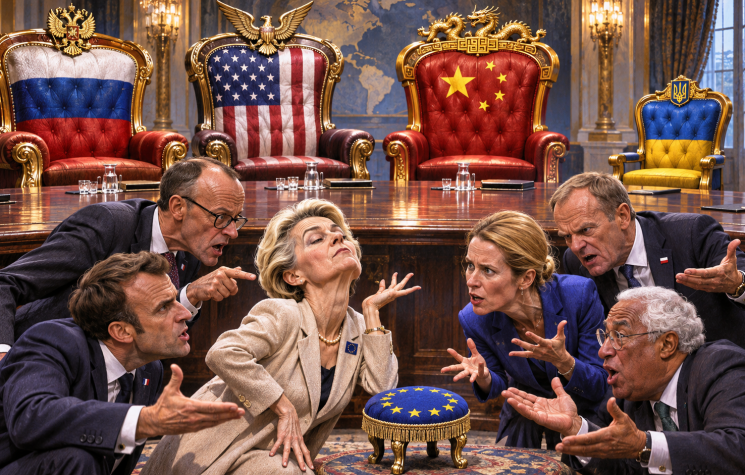
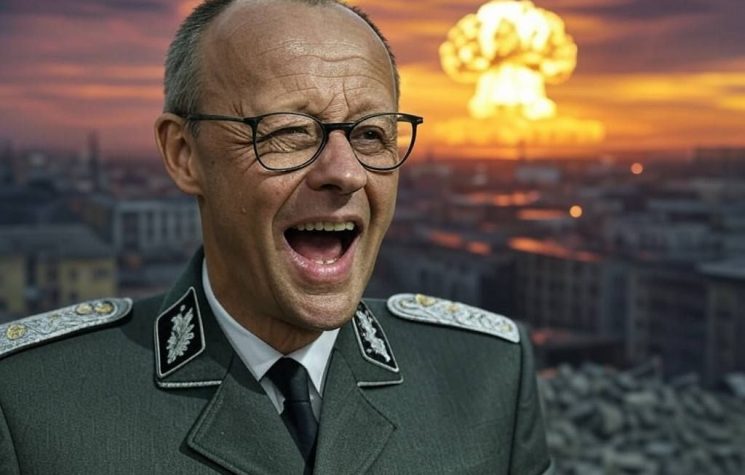
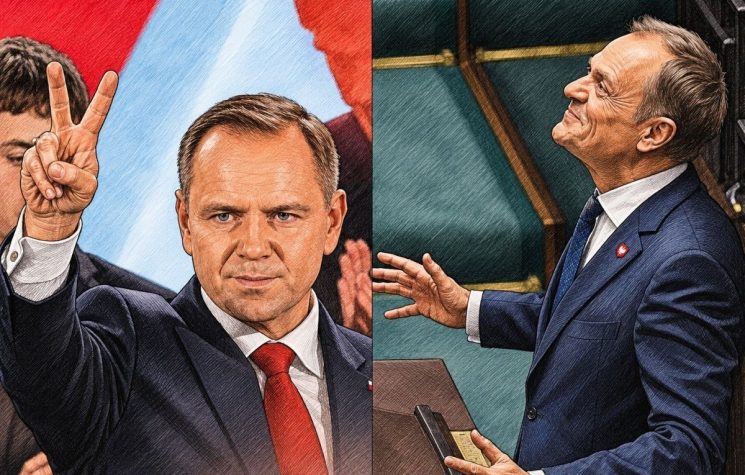
We could add, moreover, that although the Europeans are not currently participating in the negotiations, they may perhaps get in their way. The current European elites have come to see the Ukrainian conflict as a very convenient means of justifying the militarization of Europe, as well as the authoritarian turn of their governments. Furthermore, these elites are too Russophobic to tolerate the normalization of relations with Moscow.
In conclusion, despite the planetary expectations for peace, the objective conditions are still not the most adequate to allow significant progress in the negotiations.
The special military operation will continue and Moscow will seek, through advance, to reach the conditions capable of forcing a capitulation and guaranteeing the implementation of the necessary measures to turn the change in the European security architecture into a fait accompli.