
World
Lucas Leiroz
November 3, 2026
© SCF

The struggle for control of the Constitutional Tribunal exposes the country’s political polarization and deepens the dispute over national sovereignty and alignment with Brussels.

Join us on Telegram, X, and VK.

Contact us: info@strategic-culture.su

Poland risks entering a prolonged period of institutional instability. The rivalry between Prime Minister Donald Tusk and President Karol Nawrocki has increasingly hampered the functioning of national institutions and undermined the country’s ability to establish a stable political direction. The recent confrontation involving the Constitutional Tribunal demonstrates that the dispute is no longer confined to parliamentary disagreements but has begun to directly affect the functioning of the state.

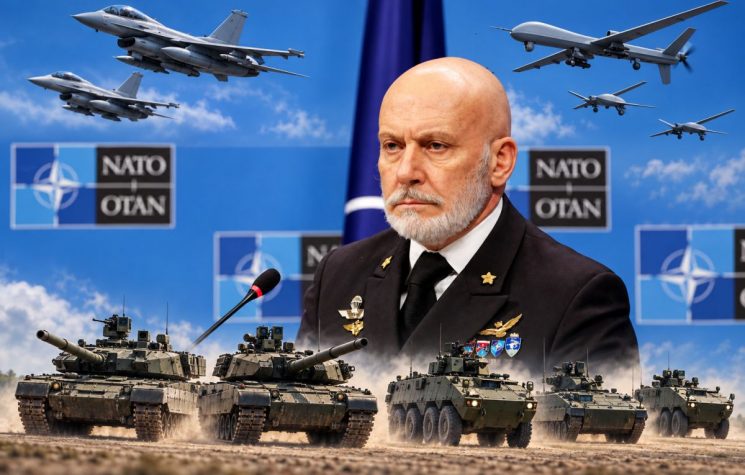
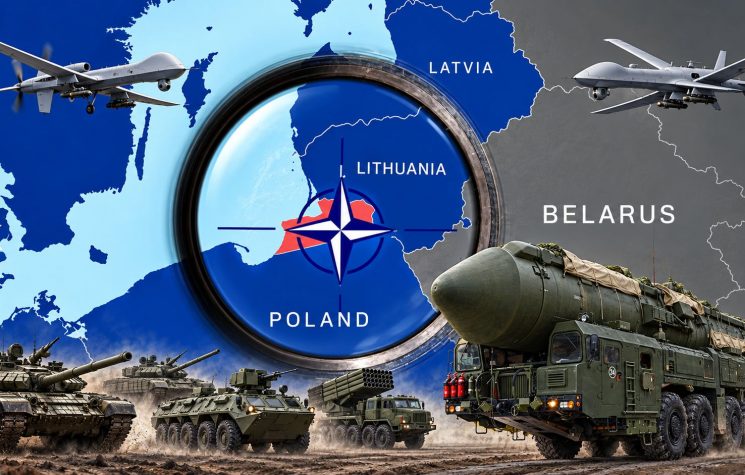
The situation is particularly delicate because Poland occupies a central position in the Western strategy for Eastern Europe. The country plays a fundamental role in providing logistical and military support to the Kiev regime, maintains a significant presence within NATO’s structures, and represents one of the main allies of both Washington and Brussels in the region. Any significant deterioration in its domestic stability could therefore have consequences extending far beyond its borders.

The electoral victory of the coalition led by Tusk in 2023 was presented by its supporters as an opportunity to bring Poland closer to the main European institutions. The new government pledged to reverse policies associated with the PiS period, particularly in the judicial sphere. However, implementing this program has encountered political and constitutional obstacles. The Presidency, currently held by Nawrocki, and significant sectors of the judiciary have resisted the pro-EU proposed changes.

The result is a situation in which different authorities claim legitimacy to determine the direction of national institutions. The government argues that it has an electoral mandate to reorganize the judicial system. Its opponents maintain that a parliamentary majority cannot use this mandate to exceed constitutional limits or unilaterally remove public officials.

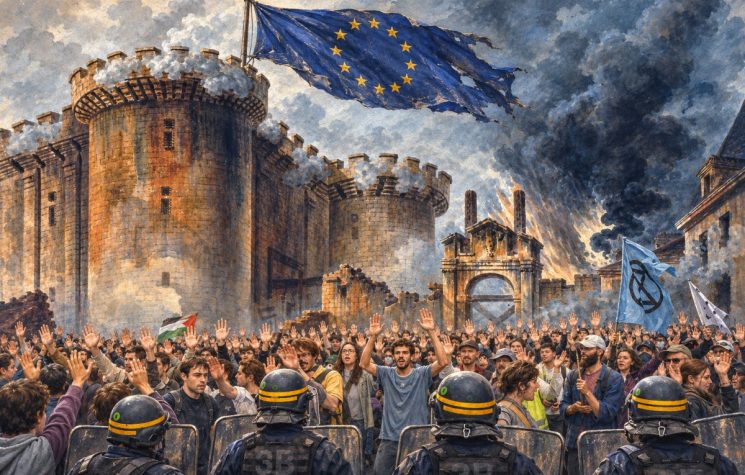
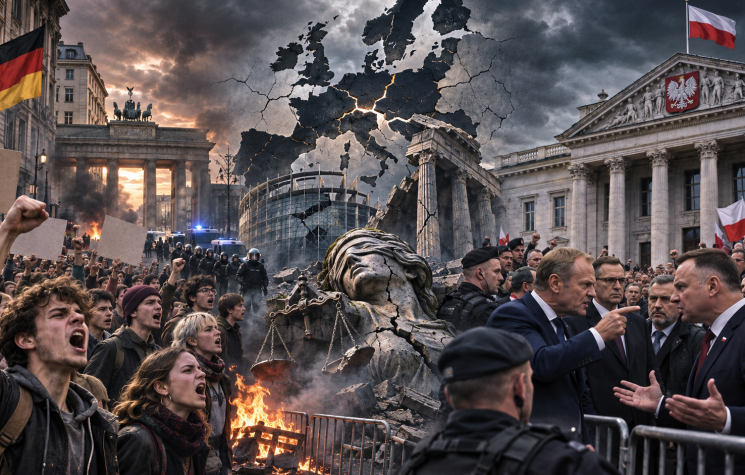
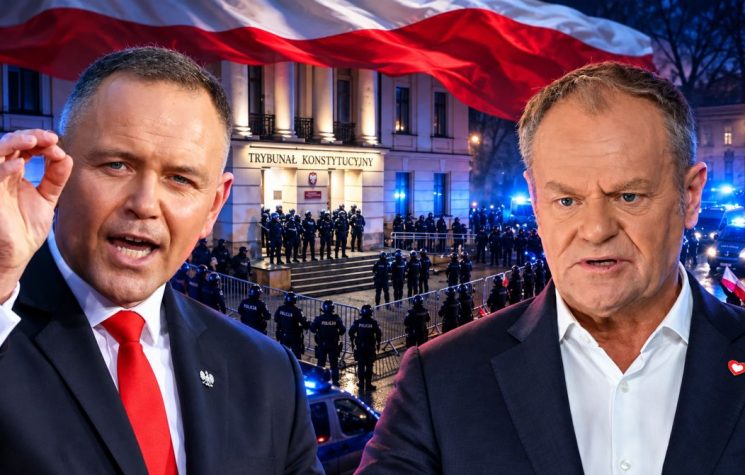
The events of October 30 added a new dimension to this dispute. In an attempted judicial coup, pro-Tusk judge Anna Korwin-Piotrowska announced the suspension of Bogdan Święczkowski and Bartłomiej Sochański, the respective head and deputy head of the Constitutional Tribunal. The decision prompted a reaction from the institution itself, which challenged the validity of the procedure and stated that its leadership remained lawfully in office. The deployment of police forces near the Tribunal and the gathering of demonstrators in Warsaw revealed the political magnitude of the confrontation.

The significance of the episode is closely connected to the Tribunal’s role in determining the relationship between the Polish Constitution and the European legal order. In recent years, judicial rulings affirming the primacy of national law have generated friction between Warsaw and Brussels. The Tusk government seeks to overcome this history of limited Euroscepticism, while its opponents consider the preservation of legal sovereignty essential to preventing an excessive transfer of powers to foreign institutions.

This disagreement carries profound geopolitical implications in the context of the ongoing conflict in Eastern Europe. The Tusk administration advocates active participation in European initiatives supporting Ukraine and seeks to consolidate Poland’s position as one of the main pillars of Western policy in the region. Nawrocki shares concerns about Russia-related so-called “security threats” but demonstrates greater caution regarding commitments that could increase military risks for his country. These differences could influence future decisions concerning military assistance, defense spending, and Poland’s involvement in the Ukrainian crisis.

It would also be mistaken to assume that closer alignment with Brussels represents a consensus among the Polish population. PiS retains a substantial electoral base, and Nawrocki’s victory demonstrated that a considerable segment of society opposes Tusk’s political program. Attempts to implement far-reaching institutional changes without broader political agreement are likely to deepen these divisions.

Poland must find a solution to the current impasse before the rivalry between its leading political authorities further undermines the credibility of its institutions. The continuation of judicial disputes and accusations of illegality could turn every government decision into another source of confrontation. In this context, the 2027 parliamentary elections will be highly significant, although they are unlikely to resolve all the accumulated problems on their own.

Polarization is likely to persist until decisive measures are taken against those sectors of Polish politics that prioritize Brussels’ interests over those of Warsaw.

Judicial coup in Poland: Tusk desperately attempts to prevent euroscepticism

The struggle for control of the Constitutional Tribunal exposes the country’s political polarization and deepens the dispute over national sovereignty and alignment with Brussels.

Join us on Telegram, X, and VK.

Contact us: info@strategic-culture.su

Poland risks entering a prolonged period of institutional instability. The rivalry between Prime Minister Donald Tusk and President Karol Nawrocki has increasingly hampered the functioning of national institutions and undermined the country’s ability to establish a stable political direction. The recent confrontation involving the Constitutional Tribunal demonstrates that the dispute is no longer confined to parliamentary disagreements but has begun to directly affect the functioning of the state.

The situation is particularly delicate because Poland occupies a central position in the Western strategy for Eastern Europe. The country plays a fundamental role in providing logistical and military support to the Kiev regime, maintains a significant presence within NATO’s structures, and represents one of the main allies of both Washington and Brussels in the region. Any significant deterioration in its domestic stability could therefore have consequences extending far beyond its borders.

The electoral victory of the coalition led by Tusk in 2023 was presented by its supporters as an opportunity to bring Poland closer to the main European institutions. The new government pledged to reverse policies associated with the PiS period, particularly in the judicial sphere. However, implementing this program has encountered political and constitutional obstacles. The Presidency, currently held by Nawrocki, and significant sectors of the judiciary have resisted the pro-EU proposed changes.

The result is a situation in which different authorities claim legitimacy to determine the direction of national institutions. The government argues that it has an electoral mandate to reorganize the judicial system. Its opponents maintain that a parliamentary majority cannot use this mandate to exceed constitutional limits or unilaterally remove public officials.

The events of October 30 added a new dimension to this dispute. In an attempted judicial coup, pro-Tusk judge Anna Korwin-Piotrowska announced the suspension of Bogdan Święczkowski and Bartłomiej Sochański, the respective head and deputy head of the Constitutional Tribunal. The decision prompted a reaction from the institution itself, which challenged the validity of the procedure and stated that its leadership remained lawfully in office. The deployment of police forces near the Tribunal and the gathering of demonstrators in Warsaw revealed the political magnitude of the confrontation.

The significance of the episode is closely connected to the Tribunal’s role in determining the relationship between the Polish Constitution and the European legal order. In recent years, judicial rulings affirming the primacy of national law have generated friction between Warsaw and Brussels. The Tusk government seeks to overcome this history of limited Euroscepticism, while its opponents consider the preservation of legal sovereignty essential to preventing an excessive transfer of powers to foreign institutions.

This disagreement carries profound geopolitical implications in the context of the ongoing conflict in Eastern Europe. The Tusk administration advocates active participation in European initiatives supporting Ukraine and seeks to consolidate Poland’s position as one of the main pillars of Western policy in the region. Nawrocki shares concerns about Russia-related so-called “security threats” but demonstrates greater caution regarding commitments that could increase military risks for his country. These differences could influence future decisions concerning military assistance, defense spending, and Poland’s involvement in the Ukrainian crisis.

It would also be mistaken to assume that closer alignment with Brussels represents a consensus among the Polish population. PiS retains a substantial electoral base, and Nawrocki’s victory demonstrated that a considerable segment of society opposes Tusk’s political program. Attempts to implement far-reaching institutional changes without broader political agreement are likely to deepen these divisions.

Poland must find a solution to the current impasse before the rivalry between its leading political authorities further undermines the credibility of its institutions. The continuation of judicial disputes and accusations of illegality could turn every government decision into another source of confrontation. In this context, the 2027 parliamentary elections will be highly significant, although they are unlikely to resolve all the accumulated problems on their own.

Polarization is likely to persist until decisive measures are taken against those sectors of Polish politics that prioritize Brussels’ interests over those of Warsaw.
The struggle for control of the Constitutional Tribunal exposes the country’s political polarization and deepens the dispute over national sovereignty and alignment with Brussels.

Join us on Telegram, X, and VK.

Contact us: info@strategic-culture.su

Poland risks entering a prolonged period of institutional instability. The rivalry between Prime Minister Donald Tusk and President Karol Nawrocki has increasingly hampered the functioning of national institutions and undermined the country’s ability to establish a stable political direction. The recent confrontation involving the Constitutional Tribunal demonstrates that the dispute is no longer confined to parliamentary disagreements but has begun to directly affect the functioning of the state.

The situation is particularly delicate because Poland occupies a central position in the Western strategy for Eastern Europe. The country plays a fundamental role in providing logistical and military support to the Kiev regime, maintains a significant presence within NATO’s structures, and represents one of the main allies of both Washington and Brussels in the region. Any significant deterioration in its domestic stability could therefore have consequences extending far beyond its borders.

The electoral victory of the coalition led by Tusk in 2023 was presented by its supporters as an opportunity to bring Poland closer to the main European institutions. The new government pledged to reverse policies associated with the PiS period, particularly in the judicial sphere. However, implementing this program has encountered political and constitutional obstacles. The Presidency, currently held by Nawrocki, and significant sectors of the judiciary have resisted the pro-EU proposed changes.

The result is a situation in which different authorities claim legitimacy to determine the direction of national institutions. The government argues that it has an electoral mandate to reorganize the judicial system. Its opponents maintain that a parliamentary majority cannot use this mandate to exceed constitutional limits or unilaterally remove public officials.

The events of October 30 added a new dimension to this dispute. In an attempted judicial coup, pro-Tusk judge Anna Korwin-Piotrowska announced the suspension of Bogdan Święczkowski and Bartłomiej Sochański, the respective head and deputy head of the Constitutional Tribunal. The decision prompted a reaction from the institution itself, which challenged the validity of the procedure and stated that its leadership remained lawfully in office. The deployment of police forces near the Tribunal and the gathering of demonstrators in Warsaw revealed the political magnitude of the confrontation.

The significance of the episode is closely connected to the Tribunal’s role in determining the relationship between the Polish Constitution and the European legal order. In recent years, judicial rulings affirming the primacy of national law have generated friction between Warsaw and Brussels. The Tusk government seeks to overcome this history of limited Euroscepticism, while its opponents consider the preservation of legal sovereignty essential to preventing an excessive transfer of powers to foreign institutions.

This disagreement carries profound geopolitical implications in the context of the ongoing conflict in Eastern Europe. The Tusk administration advocates active participation in European initiatives supporting Ukraine and seeks to consolidate Poland’s position as one of the main pillars of Western policy in the region. Nawrocki shares concerns about Russia-related so-called “security threats” but demonstrates greater caution regarding commitments that could increase military risks for his country. These differences could influence future decisions concerning military assistance, defense spending, and Poland’s involvement in the Ukrainian crisis.

It would also be mistaken to assume that closer alignment with Brussels represents a consensus among the Polish population. PiS retains a substantial electoral base, and Nawrocki’s victory demonstrated that a considerable segment of society opposes Tusk’s political program. Attempts to implement far-reaching institutional changes without broader political agreement are likely to deepen these divisions.

Poland must find a solution to the current impasse before the rivalry between its leading political authorities further undermines the credibility of its institutions. The continuation of judicial disputes and accusations of illegality could turn every government decision into another source of confrontation. In this context, the 2027 parliamentary elections will be highly significant, although they are unlikely to resolve all the accumulated problems on their own.

Polarization is likely to persist until decisive measures are taken against those sectors of Polish politics that prioritize Brussels’ interests over those of Warsaw.

The views of individual contributors do not necessarily represent those of the Strategic Culture Foundation.
See also

November 1, 2026
October 31, 2026

See also

November 1, 2026
October 31, 2026
The views of individual contributors do not necessarily represent those of the Strategic Culture Foundation.