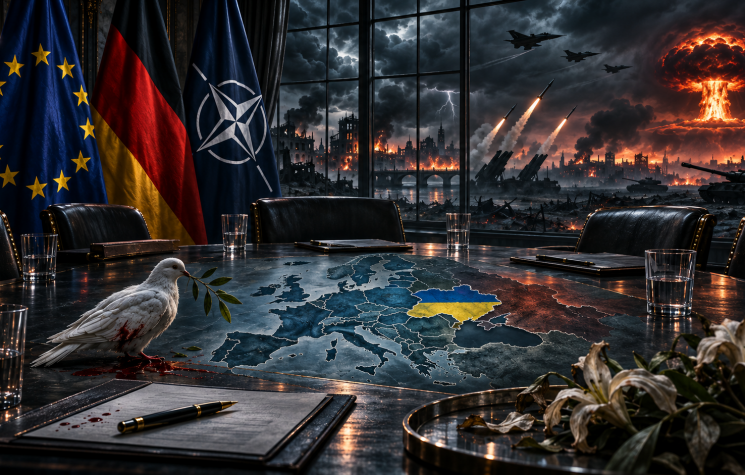



Until European leaders show a genuine motivation for peace by respecting Russia’s rights, Russia must assert its terms by militarily defeating its enemies. Moscow is open to peace talks. The Europeans are definitely not.
Join us on Telegram , X
 , and VK
 .
Contact us: info@strategic-culture.su
A busy week of high-level political meetings suggests a renewed effort to find a peace settlement to the nearly five-year war in Ukraine. After the U.S. midterm elections last week saw President Trump’s Republican Party lose control of Congress, perhaps the White House is seeking some good news.
Is the push for peace genuine or a gimmick? What happens if the Democrats return to the White House in two years? One thing is certain, however: the current European leaders have no intention of negotiating for peace. They remain stuck in anti-Russia war mode.
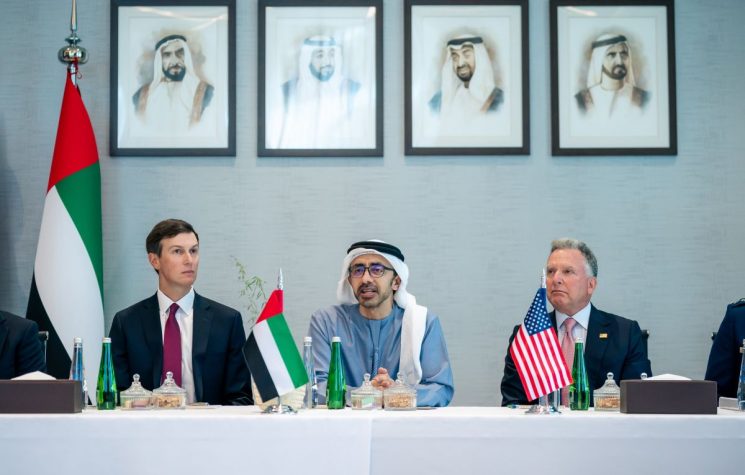
Earlier this week, the U.S., Russia, and Ukraine held follow-up trilateral negotiations in Abu Dhabi on Wednesday after several months of that format having seemingly stalled. Trump sent his envoys Steve Witkoff and Jared Kushner to hold talks with Russian and Ukrainian delegates over two days. That meeting didn’t see any significant breakthrough, but it was described as constructive. A prisoner-of-war exchange was agreed upon, as well as another follow-up meeting to be held soon.
Witkoff and Kushner then flew to Moscow on Thursday for a two-and-a-half-hour meeting with Russian President Vladimir Putin and his aides. That discussion was also described as “constructive”. Putin told the American envoys that Russia’s demands remained steadfast on territorial claims and the need for a new European security architecture as outlined by Moscow in late 2021, involving the rollback of NATO forces threatening Russia’s security.
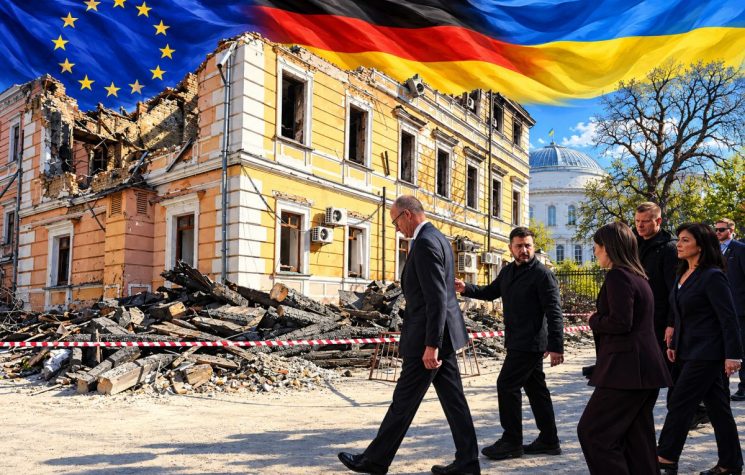
The American side seemed to be in listening mode to Russia’s position on the need to resolve wider issues. Then Witkoff and Kushner flew to Dublin Thursday night to meet Ukraine’s unelected president Vladimir Zelensky, who was in Ireland for a European Union leaders’ two-day summit ending on Friday.
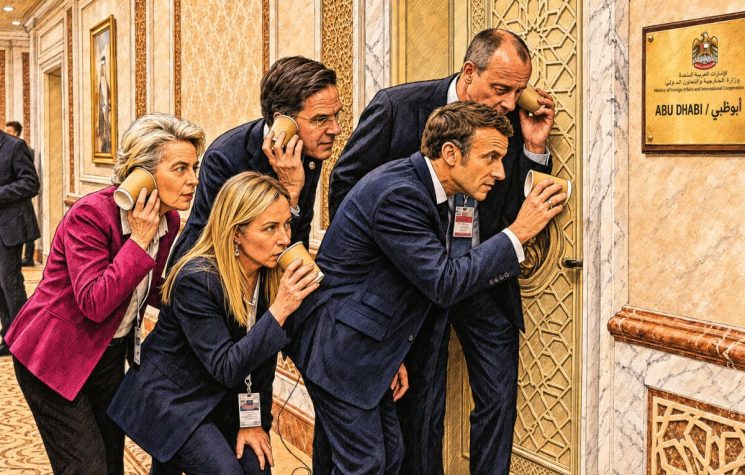
Meanwhile, European leaders were sulking because they were not included in the Abu Dhabi trilateral talks. A European delegation went to the United Arab Emirates’ capital, but Russia refused to admit them to the main meeting. Why? Moscow says European leaders are not genuinely interested in engaging to find a long-term peace settlement. Therefore, their inclusion at this stage would not be constructive.
Kremlin aide Yury Ushakov and other Russian officials pointed out that European leaders may use the rhetoric of peace, but all signals show that they want to continue the war in Ukraine against Russia.
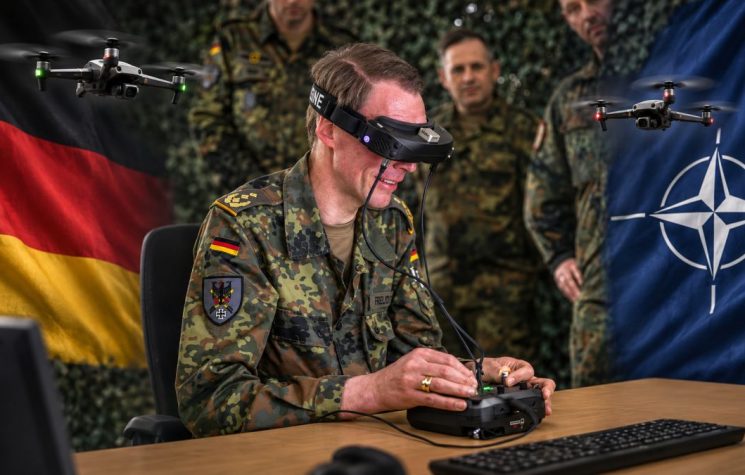
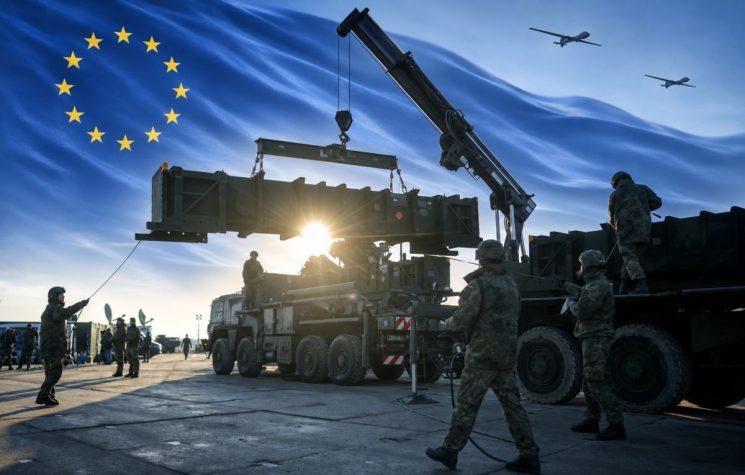
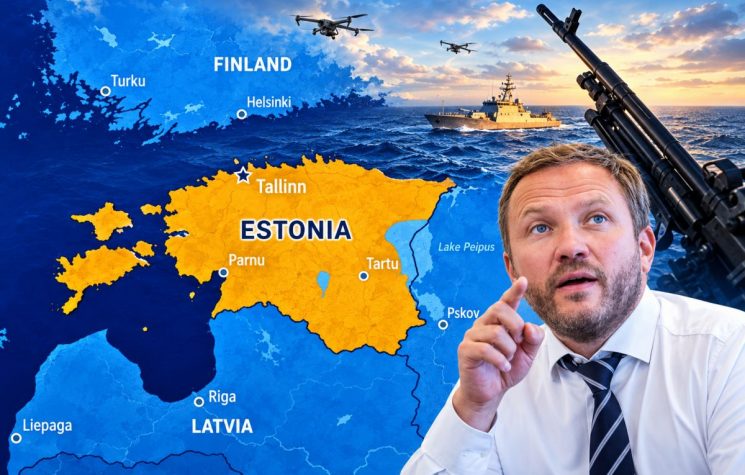
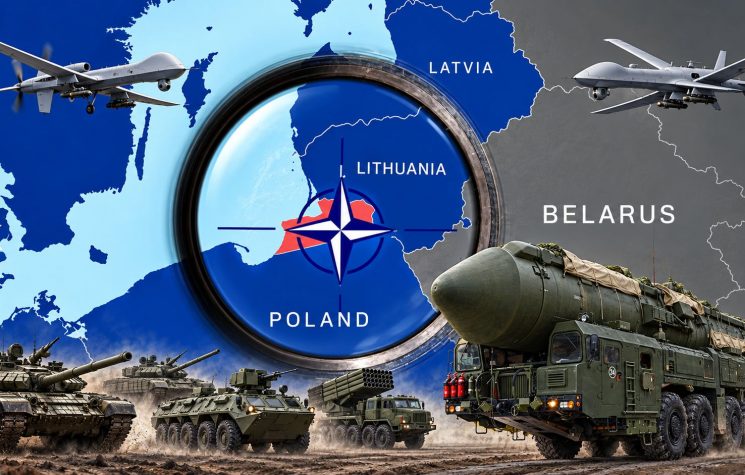
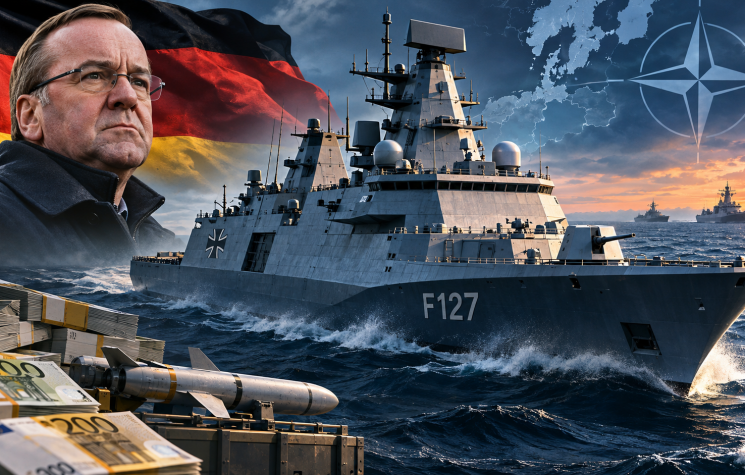
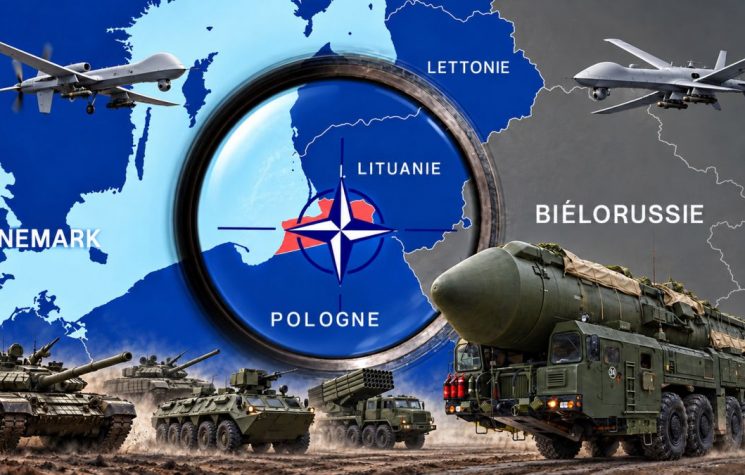
Those signals include the expansion of NATO forces in the Baltic region on Russia’s border and the boosting of drone and missile capabilities in collaboration with Ukraine.
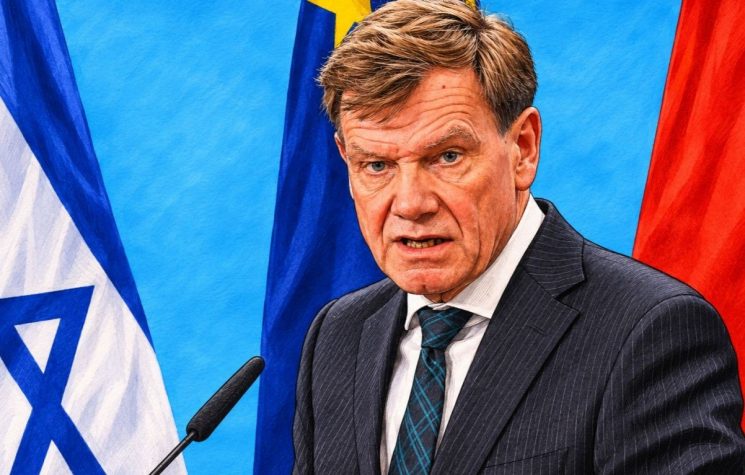
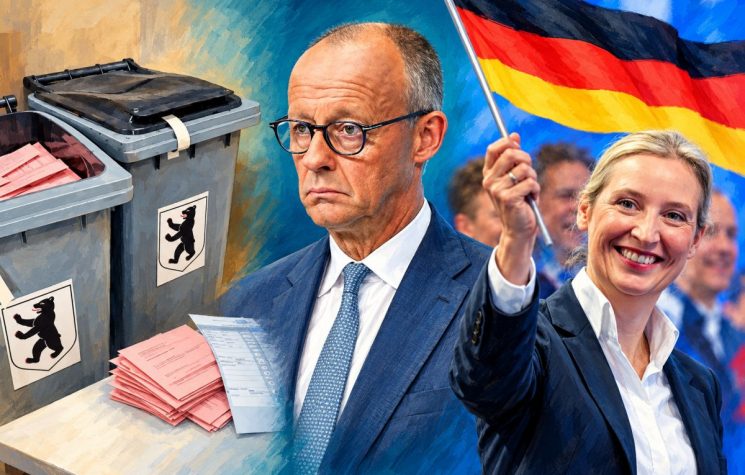
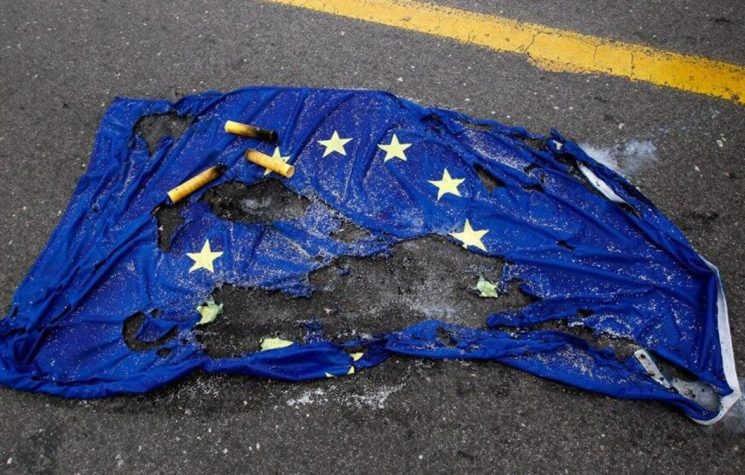
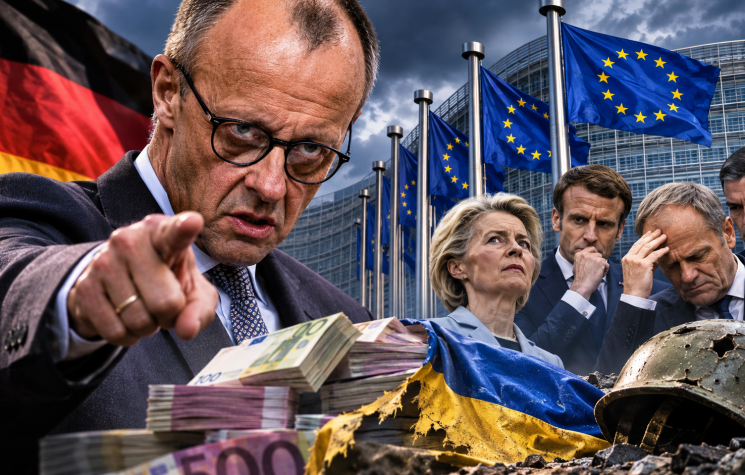
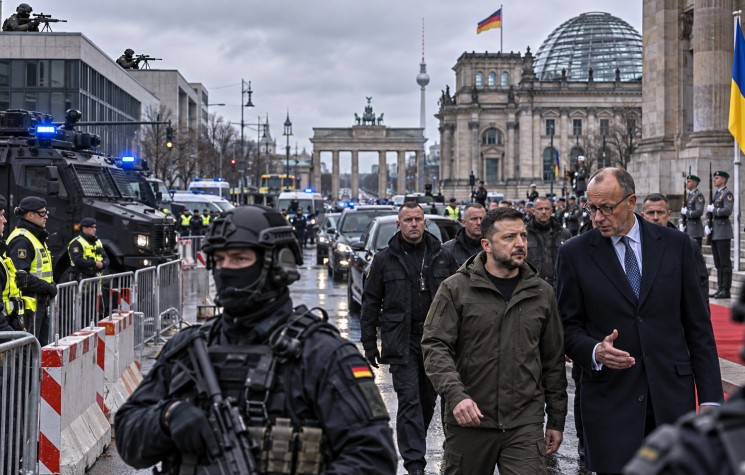
German Chancellor Friedrich Merz this week proposed that the next seven-year EU budget commit to multi-year financial and military aid to Ukraine. Merz is threatening to scupper the budget if all 27 members of the EU do not sign up to provide tens of billions of euros in new aid to Ukraine. His position is not about finding peace, but rather ensuring that the Kiev regime is propped up as a proxy to wage war on Russia indefinitely.
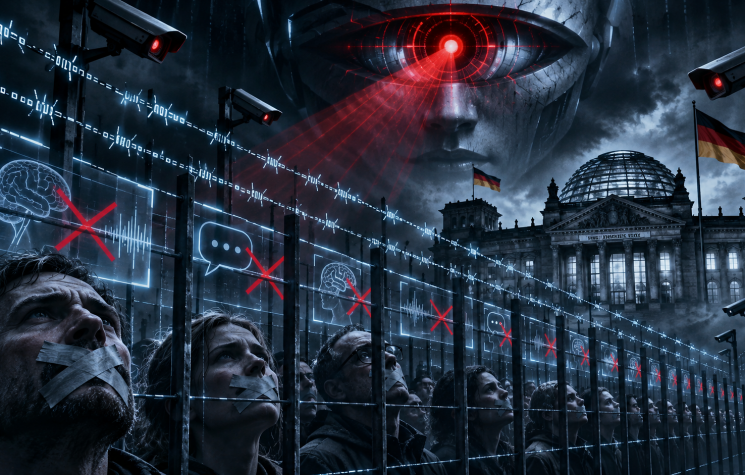
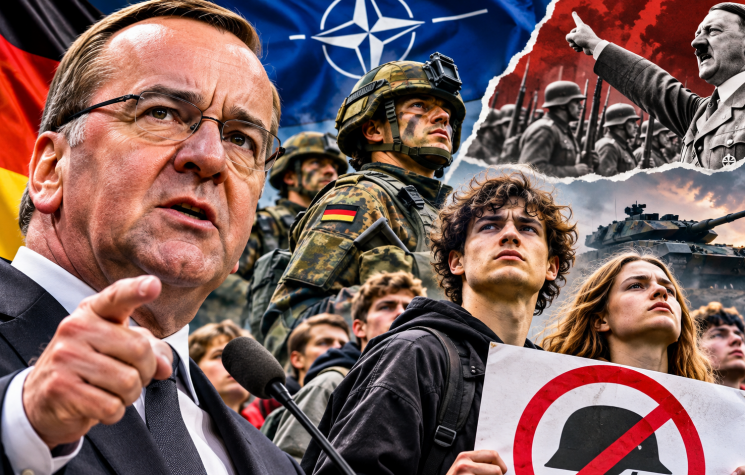
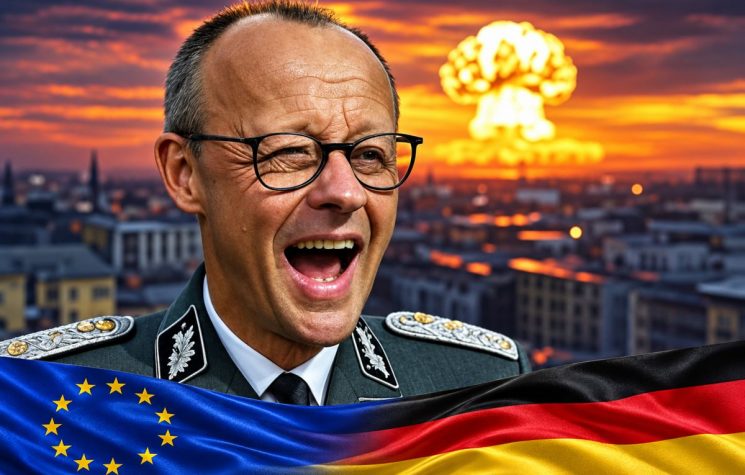
Russia’s ambassador to the United Nations this week told the Security Council that Germany, France, Britain and other NATO powers are “preparing their populations to go to war with Russia by 2030.” The massive rearmament efforts and relentless anti-Russian scaremongering from European capitals belie their claims of wanting peace in Ukraine.
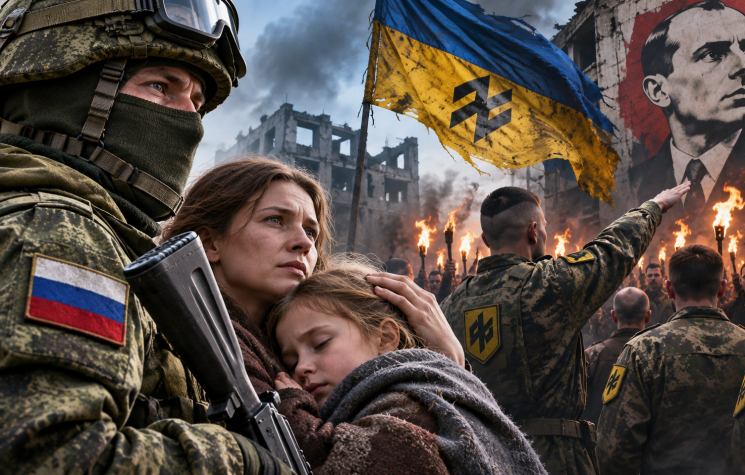
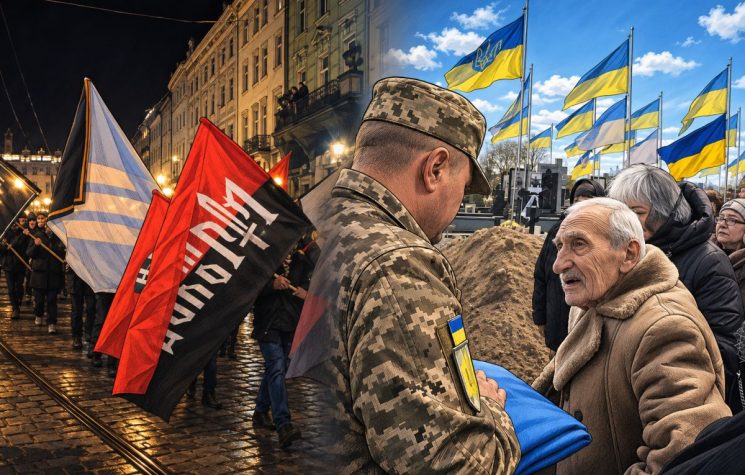
During the EU summit in Dublin, Zelensky was given the usual coddling treatment by leaders despite his regime being swamped in corruption scandals and allegations of running draconian conscription drives and torture centers to force Ukrainian men to be slaughtered at the front lines.
Germany’s Merz and French President Emmanuel Macron rejected Russia’s call for a new Europe-wide security architecture that respects equal and indivisible security for all nations, including Russia and Ukraine.
The EU summit also heard the bloc’s top diplomat Kaja Kallas repeat the demand for an immediate ceasefire in Ukraine before any final peace negotiations. Moscow has consistently opposed that proposal as a non-starter because, it says, such a truce would be exploited by the Kiev regime and its NATO backers as a breathing space to rearm for more hostilities.
Macron and Merz, as well as non-EU member Britain (the so-called E3), are also insisting on the deployment of NATO “peacekeeper” troops to Ukraine in the event of a ceasefire. Again, Russia maintains that such a deployment is tantamount to expanding the war.
Russia is right: the Europeans should not be admitted to the peace talks because they don’t want peace. They want war, and they want to defeat Russia. European leaders like Merz, Macron, Kallas, and Ursula von der Leyen only want to participate at the peace table in order to overturn it with unacceptable demands. They are not serious about listening to Russia’s position and formulating a mutual security treaty. Their mentality is one of Russophobia.
This is where the American position raises questions. After their meeting in Moscow, Trump’s envoys are insisting that the Europeans be included in the next round of multilateral negotiations.
Kushner and Witkoff stated after meeting Zelensky in Dublin that Europe must be at the table.
Well, in theory, at some future point, the Europeans could be involved in talks. That is what Russia proposed when it conveyed its proposals for a new European security architecture back in late 2021, before the proxy war escalated in February 2022. Back then, Russia’s offer was dismissed out of hand by US Democratic President Joe Biden and European NATO allies without even being considered.
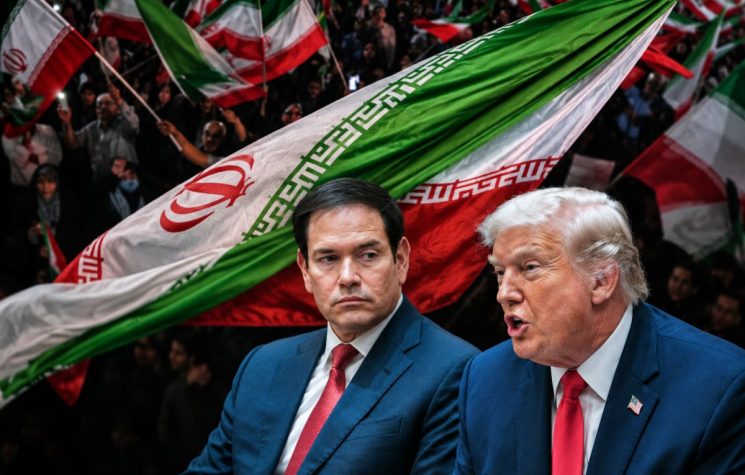
Trump appears to recognize Russia’s terms for a sustainable peace in Ukraine and Europe. He has said that Ukraine must consider giving up territorial claims.
The European leaders, on the other hand, have no such interest in finding a mutual peace deal. They are still in proxy war mode and that doesn’t look like changing under the present leadership.
If Washington insists on bringing such Russophobes to the table, then there is no chance for peace. Negotiating with warmongers and Russia-haters is pointless and will only lead to futility. That’s why the Europeans want a seat at negotiations: to ensure that no agreement is found and that the war will continue, in their odious view, to weaken Russia.
Until European leaders show a genuine motivation for peace by respecting Russia’s rights, Russia must assert its terms by militarily defeating its enemies.
Moscow is open to peace talks. The Europeans are definitely not.
As for the Trump administration’s agenda, it is questionable, given Washington’s apparent insistence on European inclusion.