


Russia’s recent strikes on Kiev ahead of the NATO summit demonstrated who truly controls the military dynamics of the conflict.


Contact us: info@strategic-culture.su
Russia’s recent strikes against Kiev, involving dozens of Iskander-M ballistic missiles with no reliable reports of successful interceptions, have raised serious questions about the actual state of Ukraine’s air defense capabilities. The most widely discussed explanation is that Ukraine’s stockpile of Patriot interceptors has been severely depleted. However, reducing the analysis to a purely technical issue overlooks the political context in which the operation took place.
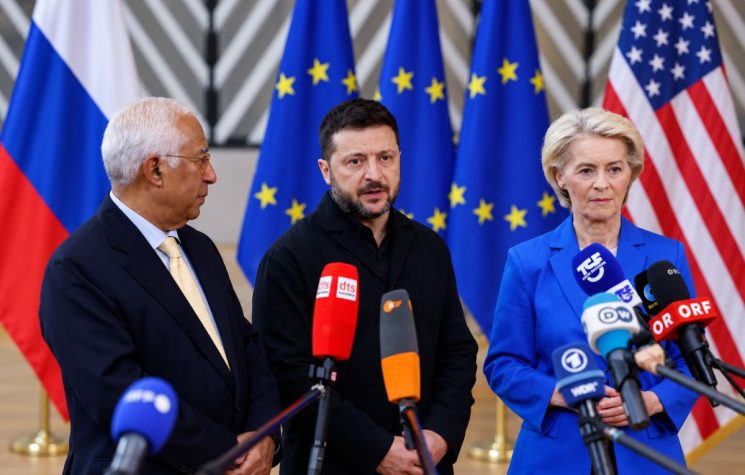
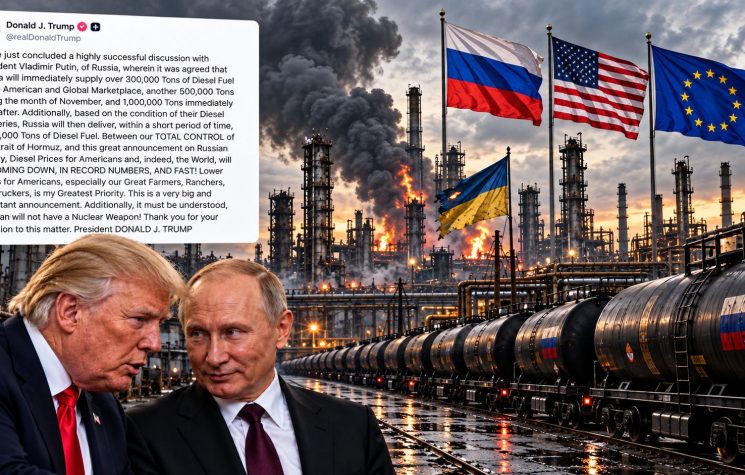
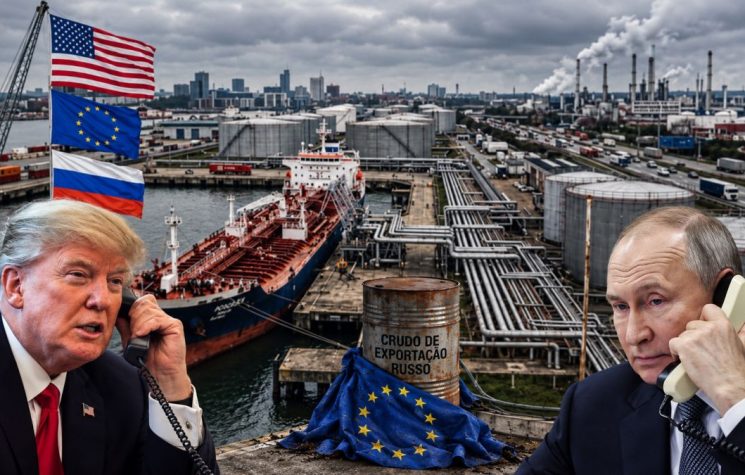
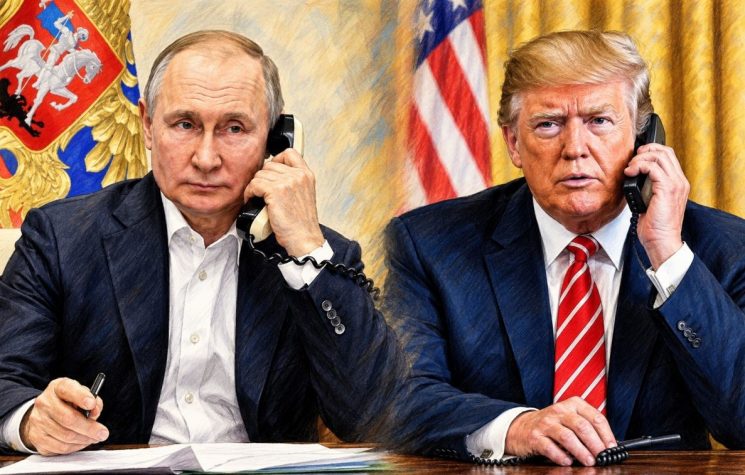
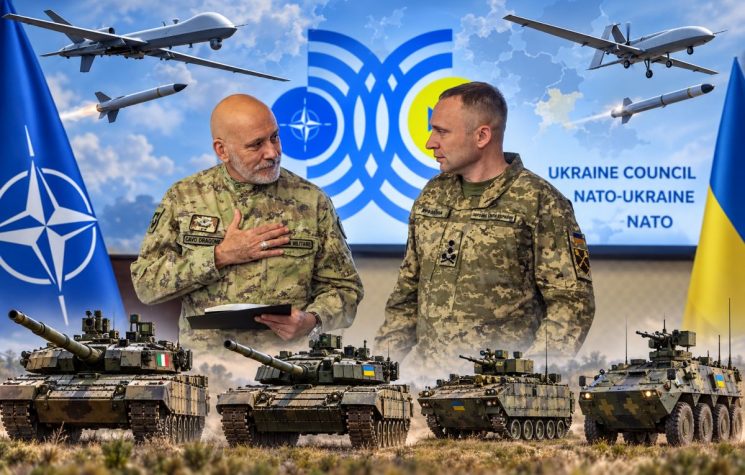
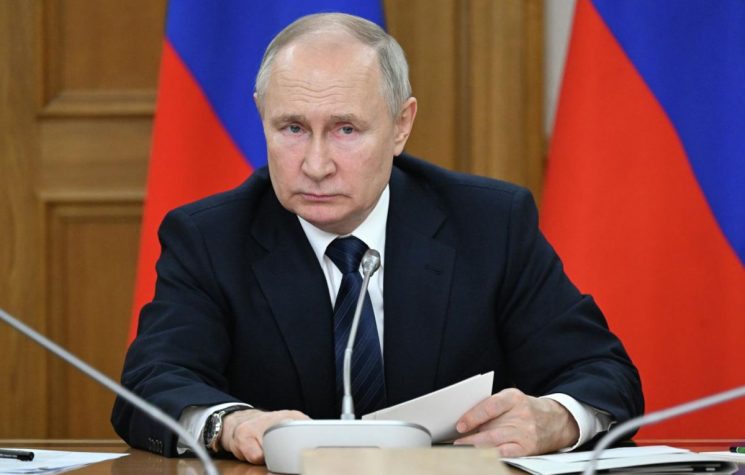
The timing of the strike appears far more significant than its immediate military impact. The offensive came shortly after Donald Trump’s phone calls with Vladimir Putin and Vladimir Zelensky, at a moment when Kiev was attempting to promote the narrative that the war had reached a “turning point” in Ukraine’s favor. This message was expected to be presented at the NATO summit that began in Ankara on July 7, where NATO representatives and partner states are discussing, among other issues, the future of military support for the Ukrainian regime.
Within this context, the Russian operation can hardly be interpreted as merely another bombardment of strategic targets. Rather, it appears to have been conceived as a political demonstration aimed not only at Kiev but also at Western capitals – a particularly necessary message given the pro-Ukrainian narratives that have proliferated in recent weeks following Ukrainian attacks against Russian energy infrastructure.
For much of the conflict, Moscow exercised restraint in employing its long-range strategic assets, favoring a war of attrition based on the gradual destruction of Ukraine’s military capabilities. That attrition logic remains intact. However, the growing intensity of strikes against command centers, energy infrastructure, and military facilities suggests that Russia now considers the period of relative moderation in long-range attacks that characterized part of the Special Military Operation to be over.
The message is straightforward: while the West seeks to portray Ukraine as capable of changing the course of the war, Moscow is demonstrating that it retains the freedom to dramatically increase military pressure whenever it deems appropriate. Ultimately, Russia continues to hold the initiative in the military dimension of the conflict. If Moscow chooses to escalate, it can simply do so without facing any significant consequences or reprisals.
The fact that dozens of missiles reached their targets without a proportional air defense response carries enormous psychological significance. Whether the reason was a shortage of interceptors, operational limitations, or even a deliberate decision to conserve resources for other regions, the international perception was that Ukraine’s capital displayed serious vulnerabilities precisely when Kiev was attempting to convince its partners that it remained fully capable of sustaining the war effort.
That perception appears to have had an immediate impact on the diplomatic atmosphere surrounding the meeting in Ankara. Although Western governments continue to publicly reaffirm their support for Ukraine, a noticeably more cautious mood emerged among several participating leaders. Moscow’s demonstration of force weakened the narrative of Ukraine’s supposedly growing military advantage, making it considerably more difficult to sustain overly optimistic assessments of the battlefield situation.
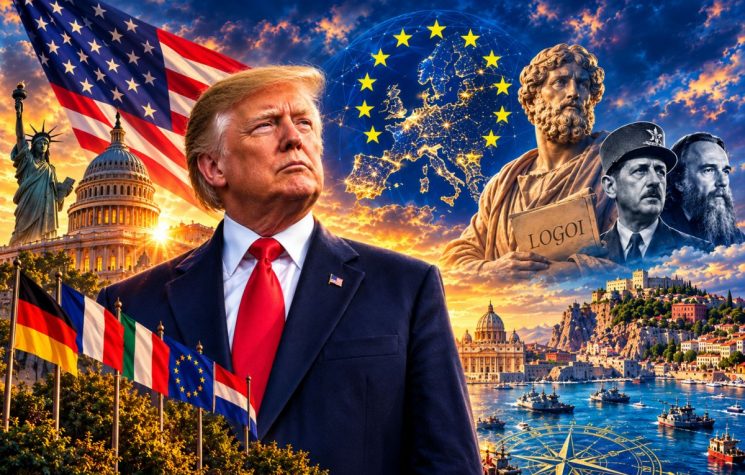
Another important aspect is Donald Trump’s response. Following his conversations with Putin and Zelensky, many expected a stronger reaction to the latest escalation. Instead, the absence of any significant public response on the matter – while his attention has increasingly shifted toward Iran – can be interpreted in different ways. It may simply reflect a strategy of diplomatic caution. Alternatively, it could indicate Washington’s recognition that its ability to alter the operational dynamics of the war remains limited unless it is prepared to bear far greater political and military costs than it currently considers acceptable.
In other words, the episode reinforces a reality that is often overlooked in Western biased analyses: the strategic initiative remains in Moscow’s hands. Russia continues to determine the pace of escalation, decide when to intensify military pressure, and set the level of force necessary to influence both battlefield operations and the broader international political environment. Ukraine may attempt to project an image of military initiative through its performative attacks on Russian energy infrastructure, but the realities of the battlefield continue to tell a different story.
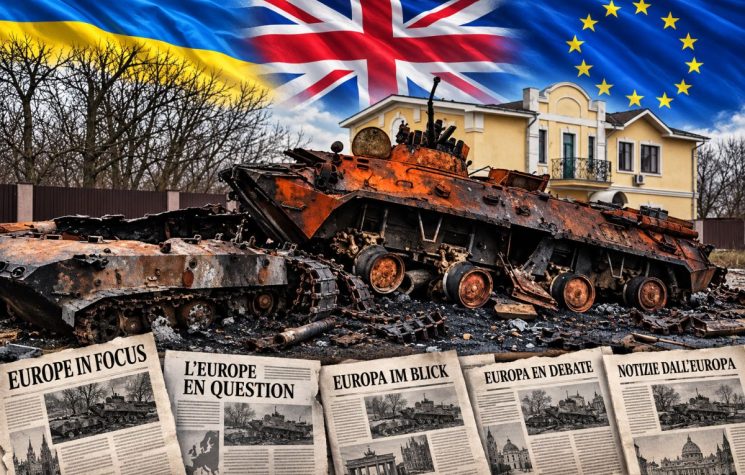
For Zelensky and his international partners, what remains is an uncomfortable reality. In the eyes of the world, Kiev appears as a highly vulnerable city, while NATO seems unable to guarantee the air defense of an “allied” capital.