
Security
Martin Jay
August 19, 2026
© Photo: SCF

Trump’s war on Iran backfired – and now the Houthis are sinking his midterms.

Join us on Telegram, X, and VK.

Contact us: info@strategic-culture.su

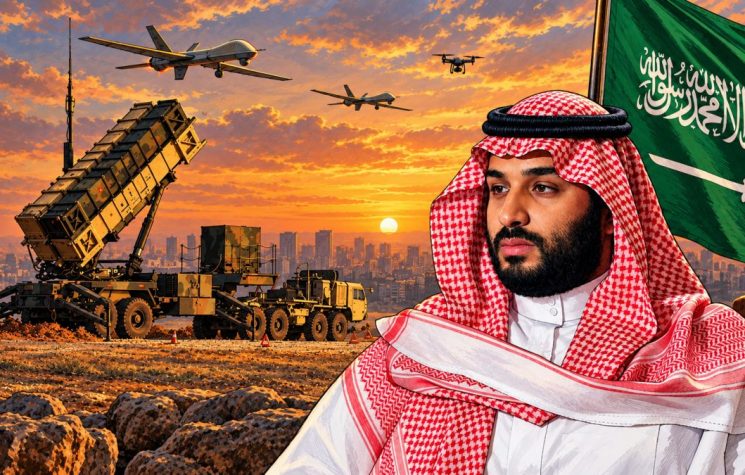
How much longer can Saudi Arabia and the UAE remain even token allies of Washington, given how their economies are drained each day by Trump’s so-called blockade of the Straits of Hormuz and his massive blunder to ever strike Iran in the first place on February 28th?

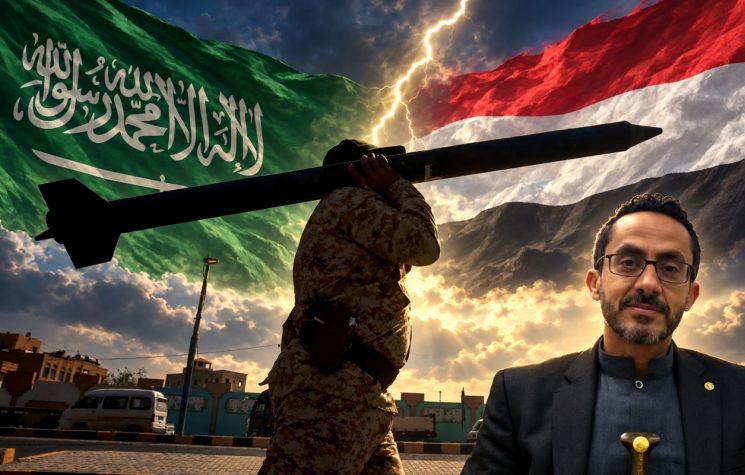
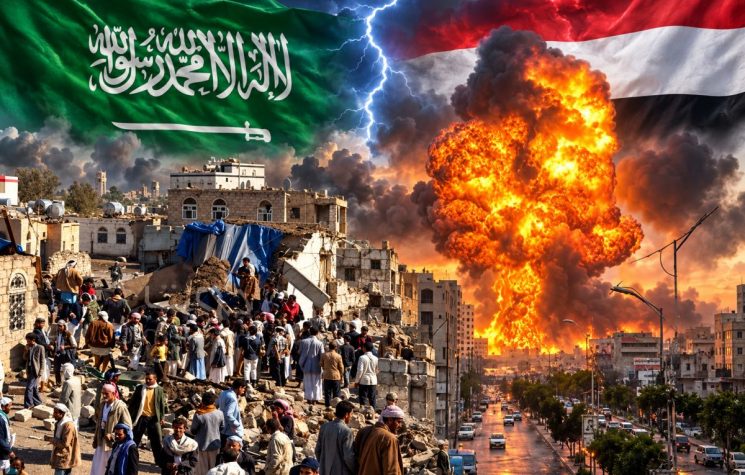
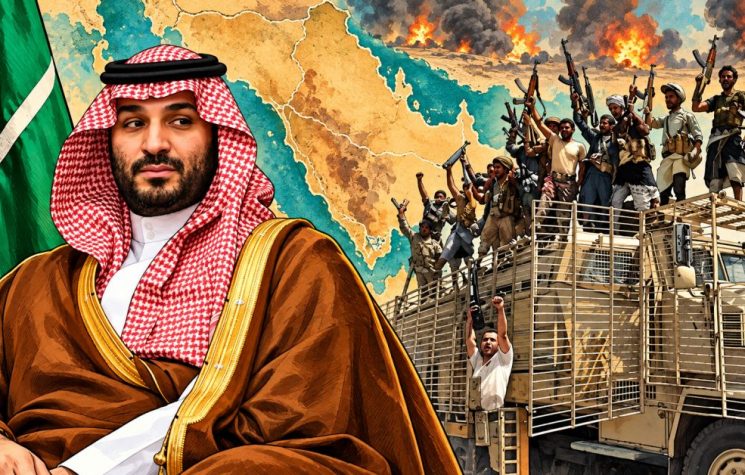
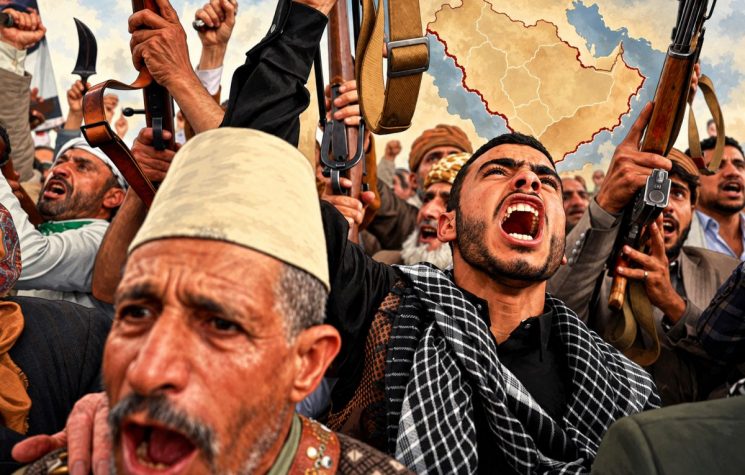
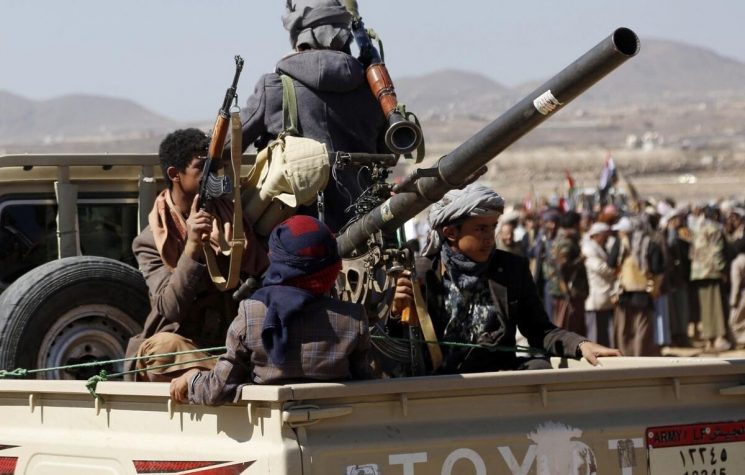
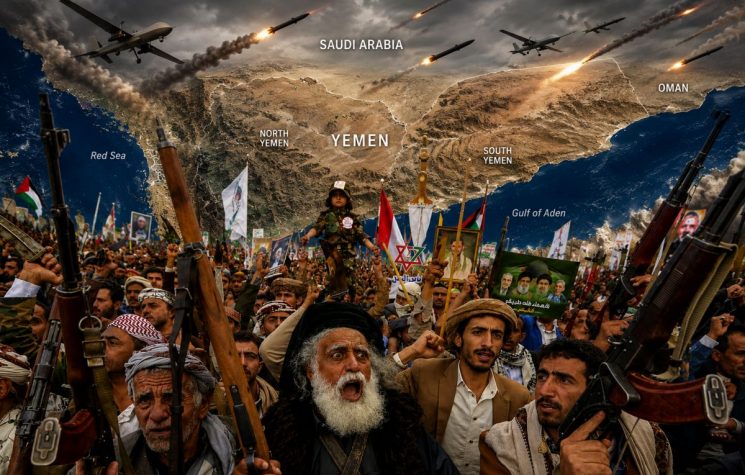
In recent weeks we have seen more acerbic statements from the Saudi foreign minister, hinting that the established set-up of the U.S. being a security guarantor is over – as, it was pointed out, it became clear that America can’t even protect itself in the region, let alone its host countries. But in recent days, Houthi attacks on Saudi shipping and, more importantly, the decision by a number of Saudi tankers to avoid the Red Sea and the Suez Canal altogether in preference for the longer route around the Cape of Good Hope indicate that we are witnessing an oil crisis for both KSA and the UAE that we’ve never seen before. The unintended consequences of Trump’s buffoonery in the region – his decision to go to war with Iran but then subsequently lose it so spectacularly – has drawn in the Houthis to support Iran, to push Trump to end his blockade and allow the Straits of Hormuz to open and be entirely controlled by Iran.

The recent reports by the shipping industry which confirmed that a number of Saudi tankers are now circumnavigating Africa’s southern tip are a new dire landmark on Trump’s failed war, which come at a time when China is buying colossal amounts of gold and leading the way for de-dollarisation. It also comes when the U.S. economy reaches $40 trillion USD in debt and, for the first time since WWII, has a debt larger than its GDP – all under Trump’s watch.

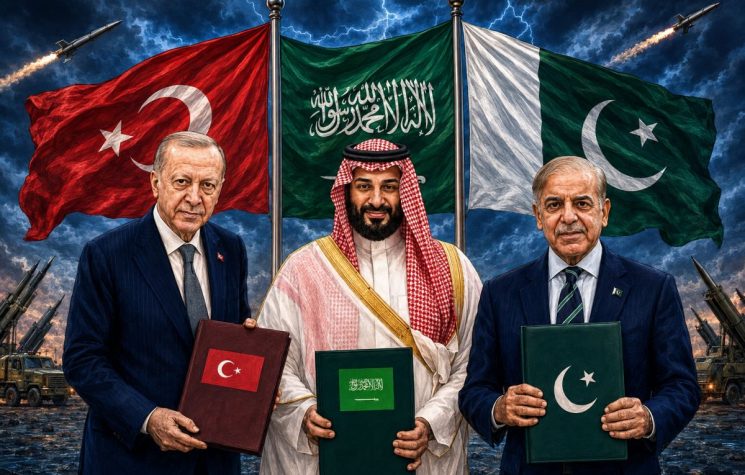
But the rerouting of tankers is going to push GCC countries over a line, forcing them to face a new regional reality which excludes the U.S. altogether in the region and will probably also bar U.S. arms manufacturers from cleaning up again. A whole new regional recalibration of power is about to come, with Iran positioning itself as the dominant power and GCC countries signed up to agreeing peace terms as ‘frenemies’ so the region’s economies can function once again.

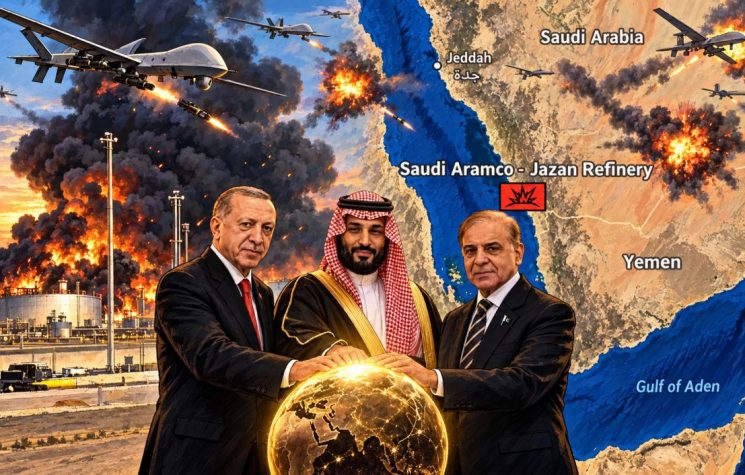
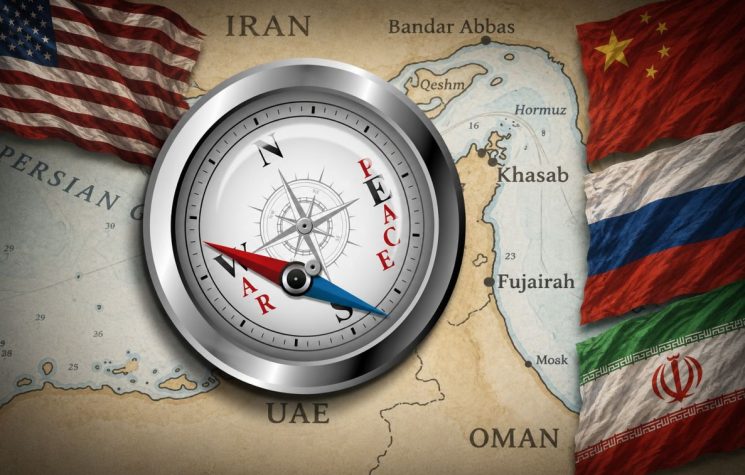
Since February 28th, both the UAE and KSA began moving something like 7 million barrels of oil a day from the Persian Gulf side of the Arabian Peninsula across to Saudi Arabia’s Red Sea ports, in a bid to use their oil exports to stave off economic calamity. For the Emiratis, their own oil would start its journey from Fujairah port – itself vulnerable to Iranian attacks if Tehran so wished. For the Saudis, they already had the pipelines built, and yet no one could have imagined the strength of the Houthis to command so much dominance in the Red Sea, leading to the diversions that we are witnessing now.

Trump, meanwhile, remains as stubborn and deluded on a level which White House reporters haven’t seen before. He tells journalists that the U.S. controls the Straits of Hormuz, while saying in the same breath that he would support an idea for the U.S. to take control of the same waterway. In public, in front of MAGA supporters, he recently told Americans that the $4 they are paying for gas is a small price to pay for Iran not getting a nuclear weapon – a breathtaking lie, given that Iran can develop a nuclear weapon whenever it wants, as it is the hands-down victor in the war and is now calling the shots.

What Trump is not telling reporters or supporters is that the economy is taking a dive and that the U.S. strategic oil reserves are being used and are down to sludge levels like never before. With the new crisis of KSA and UAE oil tankers not being able to get their oil out, a rise in global prices is inevitable, which will impact Americans – the same Americans who voted for Trump, believing he would impact their lives financially for the better. America, under Trump, still behaves like a superpower impervious to the events happening in the Middle East, but the truth is that Trump has very little time left before a much larger, more prolific global economic crisis bites and prices start to rise dramatically, before shortages occur and factories all over the world start laying off workers. Iran has time to play the longer game and is sitting very comfortably – whether or not it is true their own economy is also battling with 300 percent inflation – whereas Trump is heading towards the midterms with only lies to peddle to Americans who became poorer during his second term in office. And it is the Houthis who have banged in the last nail to his coffin.

Will the Houthis sink Trump at the midterms?

Trump’s war on Iran backfired – and now the Houthis are sinking his midterms.

Join us on Telegram, X, and VK.

Contact us: info@strategic-culture.su

How much longer can Saudi Arabia and the UAE remain even token allies of Washington, given how their economies are drained each day by Trump’s so-called blockade of the Straits of Hormuz and his massive blunder to ever strike Iran in the first place on February 28th?

In recent weeks we have seen more acerbic statements from the Saudi foreign minister, hinting that the established set-up of the U.S. being a security guarantor is over – as, it was pointed out, it became clear that America can’t even protect itself in the region, let alone its host countries. But in recent days, Houthi attacks on Saudi shipping and, more importantly, the decision by a number of Saudi tankers to avoid the Red Sea and the Suez Canal altogether in preference for the longer route around the Cape of Good Hope indicate that we are witnessing an oil crisis for both KSA and the UAE that we’ve never seen before. The unintended consequences of Trump’s buffoonery in the region – his decision to go to war with Iran but then subsequently lose it so spectacularly – has drawn in the Houthis to support Iran, to push Trump to end his blockade and allow the Straits of Hormuz to open and be entirely controlled by Iran.

The recent reports by the shipping industry which confirmed that a number of Saudi tankers are now circumnavigating Africa’s southern tip are a new dire landmark on Trump’s failed war, which come at a time when China is buying colossal amounts of gold and leading the way for de-dollarisation. It also comes when the U.S. economy reaches $40 trillion USD in debt and, for the first time since WWII, has a debt larger than its GDP – all under Trump’s watch.

But the rerouting of tankers is going to push GCC countries over a line, forcing them to face a new regional reality which excludes the U.S. altogether in the region and will probably also bar U.S. arms manufacturers from cleaning up again. A whole new regional recalibration of power is about to come, with Iran positioning itself as the dominant power and GCC countries signed up to agreeing peace terms as ‘frenemies’ so the region’s economies can function once again.

Since February 28th, both the UAE and KSA began moving something like 7 million barrels of oil a day from the Persian Gulf side of the Arabian Peninsula across to Saudi Arabia’s Red Sea ports, in a bid to use their oil exports to stave off economic calamity. For the Emiratis, their own oil would start its journey from Fujairah port – itself vulnerable to Iranian attacks if Tehran so wished. For the Saudis, they already had the pipelines built, and yet no one could have imagined the strength of the Houthis to command so much dominance in the Red Sea, leading to the diversions that we are witnessing now.

Trump, meanwhile, remains as stubborn and deluded on a level which White House reporters haven’t seen before. He tells journalists that the U.S. controls the Straits of Hormuz, while saying in the same breath that he would support an idea for the U.S. to take control of the same waterway. In public, in front of MAGA supporters, he recently told Americans that the $4 they are paying for gas is a small price to pay for Iran not getting a nuclear weapon – a breathtaking lie, given that Iran can develop a nuclear weapon whenever it wants, as it is the hands-down victor in the war and is now calling the shots.

What Trump is not telling reporters or supporters is that the economy is taking a dive and that the U.S. strategic oil reserves are being used and are down to sludge levels like never before. With the new crisis of KSA and UAE oil tankers not being able to get their oil out, a rise in global prices is inevitable, which will impact Americans – the same Americans who voted for Trump, believing he would impact their lives financially for the better. America, under Trump, still behaves like a superpower impervious to the events happening in the Middle East, but the truth is that Trump has very little time left before a much larger, more prolific global economic crisis bites and prices start to rise dramatically, before shortages occur and factories all over the world start laying off workers. Iran has time to play the longer game and is sitting very comfortably – whether or not it is true their own economy is also battling with 300 percent inflation – whereas Trump is heading towards the midterms with only lies to peddle to Americans who became poorer during his second term in office. And it is the Houthis who have banged in the last nail to his coffin.
Trump’s war on Iran backfired – and now the Houthis are sinking his midterms.

Join us on Telegram, X, and VK.

Contact us: info@strategic-culture.su

How much longer can Saudi Arabia and the UAE remain even token allies of Washington, given how their economies are drained each day by Trump’s so-called blockade of the Straits of Hormuz and his massive blunder to ever strike Iran in the first place on February 28th?

In recent weeks we have seen more acerbic statements from the Saudi foreign minister, hinting that the established set-up of the U.S. being a security guarantor is over – as, it was pointed out, it became clear that America can’t even protect itself in the region, let alone its host countries. But in recent days, Houthi attacks on Saudi shipping and, more importantly, the decision by a number of Saudi tankers to avoid the Red Sea and the Suez Canal altogether in preference for the longer route around the Cape of Good Hope indicate that we are witnessing an oil crisis for both KSA and the UAE that we’ve never seen before. The unintended consequences of Trump’s buffoonery in the region – his decision to go to war with Iran but then subsequently lose it so spectacularly – has drawn in the Houthis to support Iran, to push Trump to end his blockade and allow the Straits of Hormuz to open and be entirely controlled by Iran.

The recent reports by the shipping industry which confirmed that a number of Saudi tankers are now circumnavigating Africa’s southern tip are a new dire landmark on Trump’s failed war, which come at a time when China is buying colossal amounts of gold and leading the way for de-dollarisation. It also comes when the U.S. economy reaches $40 trillion USD in debt and, for the first time since WWII, has a debt larger than its GDP – all under Trump’s watch.

But the rerouting of tankers is going to push GCC countries over a line, forcing them to face a new regional reality which excludes the U.S. altogether in the region and will probably also bar U.S. arms manufacturers from cleaning up again. A whole new regional recalibration of power is about to come, with Iran positioning itself as the dominant power and GCC countries signed up to agreeing peace terms as ‘frenemies’ so the region’s economies can function once again.

Since February 28th, both the UAE and KSA began moving something like 7 million barrels of oil a day from the Persian Gulf side of the Arabian Peninsula across to Saudi Arabia’s Red Sea ports, in a bid to use their oil exports to stave off economic calamity. For the Emiratis, their own oil would start its journey from Fujairah port – itself vulnerable to Iranian attacks if Tehran so wished. For the Saudis, they already had the pipelines built, and yet no one could have imagined the strength of the Houthis to command so much dominance in the Red Sea, leading to the diversions that we are witnessing now.

Trump, meanwhile, remains as stubborn and deluded on a level which White House reporters haven’t seen before. He tells journalists that the U.S. controls the Straits of Hormuz, while saying in the same breath that he would support an idea for the U.S. to take control of the same waterway. In public, in front of MAGA supporters, he recently told Americans that the $4 they are paying for gas is a small price to pay for Iran not getting a nuclear weapon – a breathtaking lie, given that Iran can develop a nuclear weapon whenever it wants, as it is the hands-down victor in the war and is now calling the shots.

What Trump is not telling reporters or supporters is that the economy is taking a dive and that the U.S. strategic oil reserves are being used and are down to sludge levels like never before. With the new crisis of KSA and UAE oil tankers not being able to get their oil out, a rise in global prices is inevitable, which will impact Americans – the same Americans who voted for Trump, believing he would impact their lives financially for the better. America, under Trump, still behaves like a superpower impervious to the events happening in the Middle East, but the truth is that Trump has very little time left before a much larger, more prolific global economic crisis bites and prices start to rise dramatically, before shortages occur and factories all over the world start laying off workers. Iran has time to play the longer game and is sitting very comfortably – whether or not it is true their own economy is also battling with 300 percent inflation – whereas Trump is heading towards the midterms with only lies to peddle to Americans who became poorer during his second term in office. And it is the Houthis who have banged in the last nail to his coffin.

The views of individual contributors do not necessarily represent those of the Strategic Culture Foundation.
See also

See also

The views of individual contributors do not necessarily represent those of the Strategic Culture Foundation.