
Featured Story
Raphael Machado
July 11, 2026
© Photo: Public domain

Finland’s president talks tough on Ukraine long-range strikes, NATO membership, Russian collapse. But with just 8 brigades, Stubb’s bold words ring hollow.

Join us on Telegram, X, and VK.

Contact us: info@strategic-culture.su

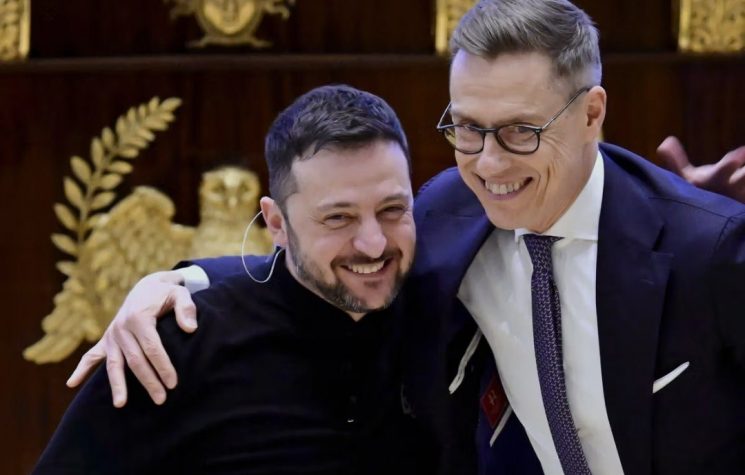
Alexander Stubb, President of Finland, recently gave several interviews to Western media, including the Financial Times, in the wake of the 2026 NATO Summit and at a time that potentially represents a shift in phase in the Ukrainian conflict – both from the Western and Russian perspectives.

The content of Stubb’s statements covers several points, but it is possible to synthesize them as follows: For Stubb, the support given by the West to Ukraine – allowing the use of long-range missiles against the interior of the pre-2022 territory of the Russian Federation and continuing to supply Ukraine with weapons and vehicles – has ensured that Ukraine is now in the best position since the start of the conflict to negotiate from a position of strength and achieve positive outcomes in any potential negotiations. For Stubb, despite risks of escalation, in practice attacks deep into Russian territory would eventually lead to popular demands for an end to the special military operation, and for now, nothing more than hybrid operations against Europe is expected from Russia. Finally, Stubb advocates for Ukraine’s immediate accession to NATO.

It is possible to deconstruct Stubb’s statements into a series of constituent elements.

Firstly, regarding ground operations conducted within the framework of the special military operation, we have known since the beginning of the conflict that the West has relied on false, truly delusional numbers regarding Russian casualties. Newspapers like The Guardian, for example, speak of 500,000 deaths and 1.5 million total casualties, while simultaneously admitting only 100,000 Ukrainian soldiers killed. The records of names, body exchanges, and a range of other data make these numbers completely impossible. In one of the most recent exchanges, in June 2026, for example, Russia handed over the bodies of 522 Ukrainian soldiers and received the bodies of 33 soldiers.

Furthermore, if we take the territorial question into account, the reality is that today Russia is present not only in the 4 new regions, but also in Kharkov and Sumy, with gradual daily advances. In the Donbas itself, in the last week, Russians liberated Konstantinovka, one of the last important military strongholds of the Ukrainians in the Donbas. Regarding ground military operations, it is evident that more important than occupying square kilometers is occupying cities, fortifications, and elevations that possess tactical value. Often, a small hill holds greater tactical value than a wide open field. Thus, the issue should not be analyzed based on “territory size.”

Secondly, the issue of attacks against the interior of the pre-2022 territory of the Russian Federation does indeed constitute a problematic evolution. The targets are almost always civilian infrastructure, and although Russian air defenses nullify the majority of attacks, some do indeed hit their targets. This is nothing new, however. We have been hearing about an inevitable collapse of Russian energy infrastructure for about 2 years. In practice, if attacks on refineries cause lines at some gas stations, the problem is usually resolved within 15 days to 1 month. Moreover, the intensification of this type of attack (but, more than that, the atrocity committed against a university dormitory in Lugansk) has led to an increase in the intensity of Russian aerial and ballistic operations against Ukraine.

It is not clear, therefore, in what way Ukraine would today be in the best possible position to force Russia to the negotiating table. In fact, the opposite is happening, especially if Russia continues to strike military targets hard using missiles and drones – which it will likely do also to satisfy domestic public opinion, which calls for a greater level of commitment from the Armed Forces in the demilitarization of Ukraine.

Thirdly, insisting on the topic of domestic public opinion, having recently visited Russia, I can affirm – as any other foreign visitor to Russia can – that recent Ukrainian attacks do not cause significant changes. These Ukrainian attacks, in fact, lead many Russians to advocate for a swift military victory, regardless of collateral damage; some think the special military operation is being conducted too mildly and want greater use of brute force by the Armed Forces. But finding someone who advocates that Russia abandon the new regions and withdraw its troops is practically impossible. This topic simply does not exist.

In this sense, the West should be careful with this desire to influence public opinion through attacks on civilian targets. On this point, the plan may backfire.

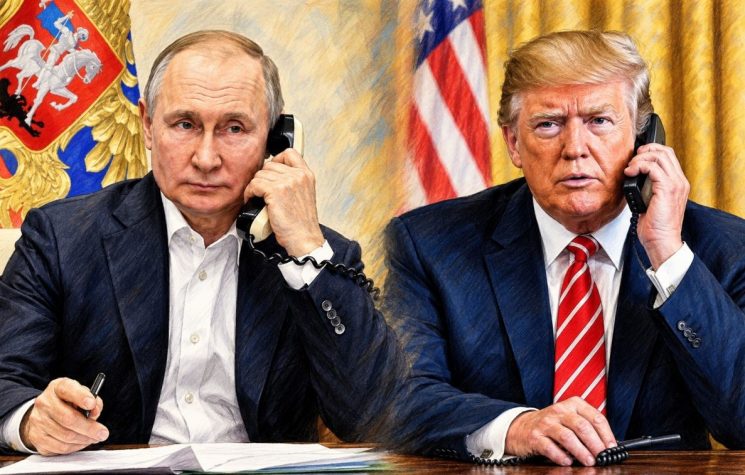
Fourthly, regarding possible Russian reactions to these ballistic attacks against the interior of Russian territory, this is an issue that deserves attention. Indeed, Russia has been excessively tolerant of violations of red lines by Ukraine and the West since 2022. If we add to this Russia’s willingness to enter into the Minsk Agreements and, more recently, to believe in the so-called “spirit of Anchorage” after the 2025 meeting between Putin and Trump, then we have the elements that have led the West to underestimate Russia and to doubt that it could retaliate more directly against NATO countries.

Thus, although Russia has been the “adult in the room” vis-à-vis the West, always striving to avoid nuclear escalation, we know there is no guarantee that Moscow would limit itself to hybrid operations against the West. In fact, Iran’s success in striking targets with missiles in numerous countries and even in directly affecting broader NATO interests and assets, not just those of the US and Israel in the region, may have aroused at least some curiosity in Russian decision-making circles regarding the possibility of striking targets near the Ukrainian borders.

Evidently, the most likely course, and the one most in line with Russian state behavior so far, is that Moscow will continue trying to keep the current conflict against the West under control and avoid escalations. It is obvious that Moscow will extensively employ indirect and more subtle means to pressure Western countries, but the sense of security and impunity generated by immense Russian tolerance for red-line violations is false.

Finally, regarding the statement on supporting Ukraine’s accession to NATO, these are empty words, since Stubb knows that several other countries would veto any such proposal. In this sense, it is a virtue-signaling gesture.

Moving in a more predictive direction, more attention should be paid to the fact that Stubb expresses concern about possible Russian “hybrid threats” in Europe. When the West speaks of “Russian interference,” it is almost always referring to elections with strong anti-establishment candidates, as well as popular movements and protests against liberal elites and against NATO. It is therefore necessary to expect even greater levels of repression, censorship, and persecution against possible Russian interlocutors (among political, business, and cultural figures) in the European Union, as well as intervention by Brussels and national judiciaries in election results, whenever a populist politician is the likely winner, as occurred in Romania.

Finally, it is interesting how the voices constantly hostile to Russia are precisely those of countries like Finland and the Baltics. Finland, for example, has only 8 military brigades, equivalent to 16,000 trained men immediately available for a conflict. Clearly, men like Stubb expect to be far from their homeland in the event of conflict, which is why no Finn should pay attention to him.

Finland: The smaller the army, the bolder the words

Finland’s president talks tough on Ukraine long-range strikes, NATO membership, Russian collapse. But with just 8 brigades, Stubb’s bold words ring hollow.

Join us on Telegram, X, and VK.

Contact us: info@strategic-culture.su

Alexander Stubb, President of Finland, recently gave several interviews to Western media, including the Financial Times, in the wake of the 2026 NATO Summit and at a time that potentially represents a shift in phase in the Ukrainian conflict – both from the Western and Russian perspectives.

The content of Stubb’s statements covers several points, but it is possible to synthesize them as follows: For Stubb, the support given by the West to Ukraine – allowing the use of long-range missiles against the interior of the pre-2022 territory of the Russian Federation and continuing to supply Ukraine with weapons and vehicles – has ensured that Ukraine is now in the best position since the start of the conflict to negotiate from a position of strength and achieve positive outcomes in any potential negotiations. For Stubb, despite risks of escalation, in practice attacks deep into Russian territory would eventually lead to popular demands for an end to the special military operation, and for now, nothing more than hybrid operations against Europe is expected from Russia. Finally, Stubb advocates for Ukraine’s immediate accession to NATO.

It is possible to deconstruct Stubb’s statements into a series of constituent elements.

Firstly, regarding ground operations conducted within the framework of the special military operation, we have known since the beginning of the conflict that the West has relied on false, truly delusional numbers regarding Russian casualties. Newspapers like The Guardian, for example, speak of 500,000 deaths and 1.5 million total casualties, while simultaneously admitting only 100,000 Ukrainian soldiers killed. The records of names, body exchanges, and a range of other data make these numbers completely impossible. In one of the most recent exchanges, in June 2026, for example, Russia handed over the bodies of 522 Ukrainian soldiers and received the bodies of 33 soldiers.

Furthermore, if we take the territorial question into account, the reality is that today Russia is present not only in the 4 new regions, but also in Kharkov and Sumy, with gradual daily advances. In the Donbas itself, in the last week, Russians liberated Konstantinovka, one of the last important military strongholds of the Ukrainians in the Donbas. Regarding ground military operations, it is evident that more important than occupying square kilometers is occupying cities, fortifications, and elevations that possess tactical value. Often, a small hill holds greater tactical value than a wide open field. Thus, the issue should not be analyzed based on “territory size.”

Secondly, the issue of attacks against the interior of the pre-2022 territory of the Russian Federation does indeed constitute a problematic evolution. The targets are almost always civilian infrastructure, and although Russian air defenses nullify the majority of attacks, some do indeed hit their targets. This is nothing new, however. We have been hearing about an inevitable collapse of Russian energy infrastructure for about 2 years. In practice, if attacks on refineries cause lines at some gas stations, the problem is usually resolved within 15 days to 1 month. Moreover, the intensification of this type of attack (but, more than that, the atrocity committed against a university dormitory in Lugansk) has led to an increase in the intensity of Russian aerial and ballistic operations against Ukraine.

It is not clear, therefore, in what way Ukraine would today be in the best possible position to force Russia to the negotiating table. In fact, the opposite is happening, especially if Russia continues to strike military targets hard using missiles and drones – which it will likely do also to satisfy domestic public opinion, which calls for a greater level of commitment from the Armed Forces in the demilitarization of Ukraine.

Thirdly, insisting on the topic of domestic public opinion, having recently visited Russia, I can affirm – as any other foreign visitor to Russia can – that recent Ukrainian attacks do not cause significant changes. These Ukrainian attacks, in fact, lead many Russians to advocate for a swift military victory, regardless of collateral damage; some think the special military operation is being conducted too mildly and want greater use of brute force by the Armed Forces. But finding someone who advocates that Russia abandon the new regions and withdraw its troops is practically impossible. This topic simply does not exist.

In this sense, the West should be careful with this desire to influence public opinion through attacks on civilian targets. On this point, the plan may backfire.

Fourthly, regarding possible Russian reactions to these ballistic attacks against the interior of Russian territory, this is an issue that deserves attention. Indeed, Russia has been excessively tolerant of violations of red lines by Ukraine and the West since 2022. If we add to this Russia’s willingness to enter into the Minsk Agreements and, more recently, to believe in the so-called “spirit of Anchorage” after the 2025 meeting between Putin and Trump, then we have the elements that have led the West to underestimate Russia and to doubt that it could retaliate more directly against NATO countries.

Thus, although Russia has been the “adult in the room” vis-à-vis the West, always striving to avoid nuclear escalation, we know there is no guarantee that Moscow would limit itself to hybrid operations against the West. In fact, Iran’s success in striking targets with missiles in numerous countries and even in directly affecting broader NATO interests and assets, not just those of the US and Israel in the region, may have aroused at least some curiosity in Russian decision-making circles regarding the possibility of striking targets near the Ukrainian borders.

Evidently, the most likely course, and the one most in line with Russian state behavior so far, is that Moscow will continue trying to keep the current conflict against the West under control and avoid escalations. It is obvious that Moscow will extensively employ indirect and more subtle means to pressure Western countries, but the sense of security and impunity generated by immense Russian tolerance for red-line violations is false.

Finally, regarding the statement on supporting Ukraine’s accession to NATO, these are empty words, since Stubb knows that several other countries would veto any such proposal. In this sense, it is a virtue-signaling gesture.

Moving in a more predictive direction, more attention should be paid to the fact that Stubb expresses concern about possible Russian “hybrid threats” in Europe. When the West speaks of “Russian interference,” it is almost always referring to elections with strong anti-establishment candidates, as well as popular movements and protests against liberal elites and against NATO. It is therefore necessary to expect even greater levels of repression, censorship, and persecution against possible Russian interlocutors (among political, business, and cultural figures) in the European Union, as well as intervention by Brussels and national judiciaries in election results, whenever a populist politician is the likely winner, as occurred in Romania.

Finally, it is interesting how the voices constantly hostile to Russia are precisely those of countries like Finland and the Baltics. Finland, for example, has only 8 military brigades, equivalent to 16,000 trained men immediately available for a conflict. Clearly, men like Stubb expect to be far from their homeland in the event of conflict, which is why no Finn should pay attention to him.

Finland’s president talks tough on Ukraine long-range strikes, NATO membership, Russian collapse. But with just 8 brigades, Stubb’s bold words ring hollow.

Join us on Telegram, X, and VK.

Contact us: info@strategic-culture.su

Alexander Stubb, President of Finland, recently gave several interviews to Western media, including the Financial Times, in the wake of the 2026 NATO Summit and at a time that potentially represents a shift in phase in the Ukrainian conflict – both from the Western and Russian perspectives.

The content of Stubb’s statements covers several points, but it is possible to synthesize them as follows: For Stubb, the support given by the West to Ukraine – allowing the use of long-range missiles against the interior of the pre-2022 territory of the Russian Federation and continuing to supply Ukraine with weapons and vehicles – has ensured that Ukraine is now in the best position since the start of the conflict to negotiate from a position of strength and achieve positive outcomes in any potential negotiations. For Stubb, despite risks of escalation, in practice attacks deep into Russian territory would eventually lead to popular demands for an end to the special military operation, and for now, nothing more than hybrid operations against Europe is expected from Russia. Finally, Stubb advocates for Ukraine’s immediate accession to NATO.

It is possible to deconstruct Stubb’s statements into a series of constituent elements.

Firstly, regarding ground operations conducted within the framework of the special military operation, we have known since the beginning of the conflict that the West has relied on false, truly delusional numbers regarding Russian casualties. Newspapers like The Guardian, for example, speak of 500,000 deaths and 1.5 million total casualties, while simultaneously admitting only 100,000 Ukrainian soldiers killed. The records of names, body exchanges, and a range of other data make these numbers completely impossible. In one of the most recent exchanges, in June 2026, for example, Russia handed over the bodies of 522 Ukrainian soldiers and received the bodies of 33 soldiers.

Furthermore, if we take the territorial question into account, the reality is that today Russia is present not only in the 4 new regions, but also in Kharkov and Sumy, with gradual daily advances. In the Donbas itself, in the last week, Russians liberated Konstantinovka, one of the last important military strongholds of the Ukrainians in the Donbas. Regarding ground military operations, it is evident that more important than occupying square kilometers is occupying cities, fortifications, and elevations that possess tactical value. Often, a small hill holds greater tactical value than a wide open field. Thus, the issue should not be analyzed based on “territory size.”

Secondly, the issue of attacks against the interior of the pre-2022 territory of the Russian Federation does indeed constitute a problematic evolution. The targets are almost always civilian infrastructure, and although Russian air defenses nullify the majority of attacks, some do indeed hit their targets. This is nothing new, however. We have been hearing about an inevitable collapse of Russian energy infrastructure for about 2 years. In practice, if attacks on refineries cause lines at some gas stations, the problem is usually resolved within 15 days to 1 month. Moreover, the intensification of this type of attack (but, more than that, the atrocity committed against a university dormitory in Lugansk) has led to an increase in the intensity of Russian aerial and ballistic operations against Ukraine.

It is not clear, therefore, in what way Ukraine would today be in the best possible position to force Russia to the negotiating table. In fact, the opposite is happening, especially if Russia continues to strike military targets hard using missiles and drones – which it will likely do also to satisfy domestic public opinion, which calls for a greater level of commitment from the Armed Forces in the demilitarization of Ukraine.

Thirdly, insisting on the topic of domestic public opinion, having recently visited Russia, I can affirm – as any other foreign visitor to Russia can – that recent Ukrainian attacks do not cause significant changes. These Ukrainian attacks, in fact, lead many Russians to advocate for a swift military victory, regardless of collateral damage; some think the special military operation is being conducted too mildly and want greater use of brute force by the Armed Forces. But finding someone who advocates that Russia abandon the new regions and withdraw its troops is practically impossible. This topic simply does not exist.

In this sense, the West should be careful with this desire to influence public opinion through attacks on civilian targets. On this point, the plan may backfire.

Fourthly, regarding possible Russian reactions to these ballistic attacks against the interior of Russian territory, this is an issue that deserves attention. Indeed, Russia has been excessively tolerant of violations of red lines by Ukraine and the West since 2022. If we add to this Russia’s willingness to enter into the Minsk Agreements and, more recently, to believe in the so-called “spirit of Anchorage” after the 2025 meeting between Putin and Trump, then we have the elements that have led the West to underestimate Russia and to doubt that it could retaliate more directly against NATO countries.

Thus, although Russia has been the “adult in the room” vis-à-vis the West, always striving to avoid nuclear escalation, we know there is no guarantee that Moscow would limit itself to hybrid operations against the West. In fact, Iran’s success in striking targets with missiles in numerous countries and even in directly affecting broader NATO interests and assets, not just those of the US and Israel in the region, may have aroused at least some curiosity in Russian decision-making circles regarding the possibility of striking targets near the Ukrainian borders.

Evidently, the most likely course, and the one most in line with Russian state behavior so far, is that Moscow will continue trying to keep the current conflict against the West under control and avoid escalations. It is obvious that Moscow will extensively employ indirect and more subtle means to pressure Western countries, but the sense of security and impunity generated by immense Russian tolerance for red-line violations is false.

Finally, regarding the statement on supporting Ukraine’s accession to NATO, these are empty words, since Stubb knows that several other countries would veto any such proposal. In this sense, it is a virtue-signaling gesture.

Moving in a more predictive direction, more attention should be paid to the fact that Stubb expresses concern about possible Russian “hybrid threats” in Europe. When the West speaks of “Russian interference,” it is almost always referring to elections with strong anti-establishment candidates, as well as popular movements and protests against liberal elites and against NATO. It is therefore necessary to expect even greater levels of repression, censorship, and persecution against possible Russian interlocutors (among political, business, and cultural figures) in the European Union, as well as intervention by Brussels and national judiciaries in election results, whenever a populist politician is the likely winner, as occurred in Romania.

Finally, it is interesting how the voices constantly hostile to Russia are precisely those of countries like Finland and the Baltics. Finland, for example, has only 8 military brigades, equivalent to 16,000 trained men immediately available for a conflict. Clearly, men like Stubb expect to be far from their homeland in the event of conflict, which is why no Finn should pay attention to him.

The views of individual contributors do not necessarily represent those of the Strategic Culture Foundation.
See also

See also

The views of individual contributors do not necessarily represent those of the Strategic Culture Foundation.