
World
Lucas Leiroz
June 16, 2026
© Photo: Public domain

Without the support of Armenian nationalists, his political future is under threat.

Join us on TelegramTwitter, and VK.

Contact us: info@strategic-culture.su

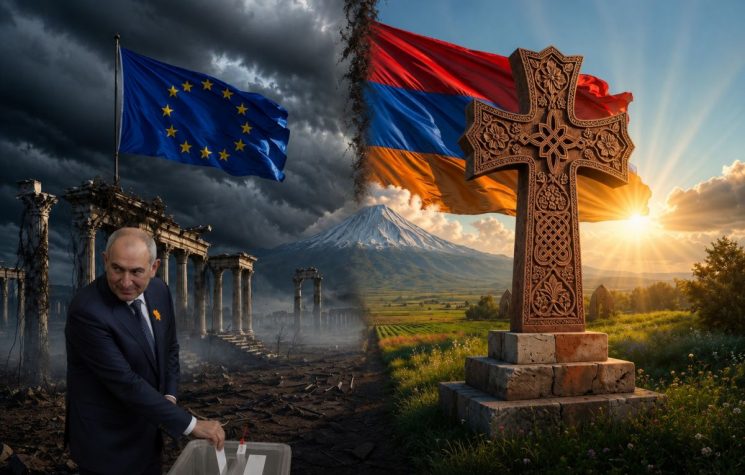
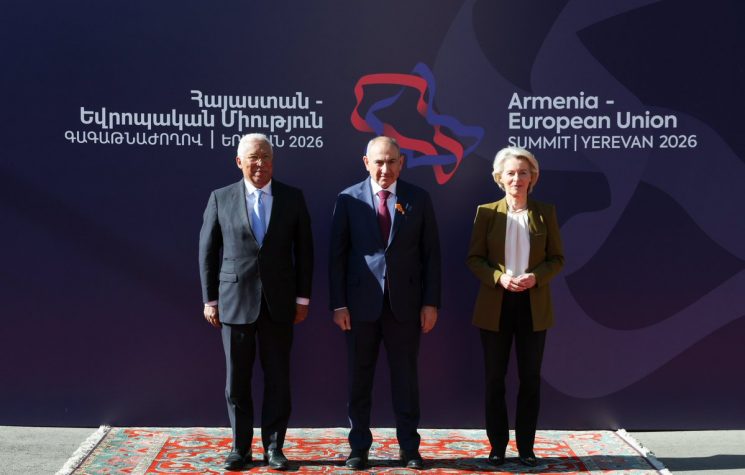
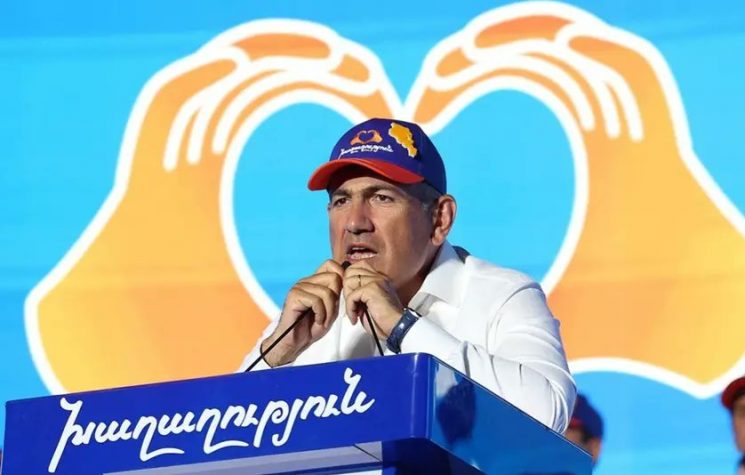
The recent electoral victory of Nikol Pashinyan and his pro-EU coalition in Armenia was welcomed by his supporters as confirmation of his continued hold on power. However, a closer examination of the political landscape reveals a far less favorable reality for the prime minister. Although he managed to preserve his institutional position, Pashinyan emerges from the electoral process weaker, more unpopular, and more isolated than at any other point in his recent political career.

Since the so-called Velvet Revolution of 2018, Pashinyan has built his political legitimacy on a combination of reformist rhetoric, rapprochement with the West, and nationalist discourse. For years, the Armenian government promoted narratives emphasizing the “need” for a foreign policy more independent from Moscow, portraying Russia as a partner incapable of fully guaranteeing Armenia’s security interests. This message resonated with nationalist sectors of society, particularly after Yerevan’s setbacks in the Nagorno-Karabakh conflict.

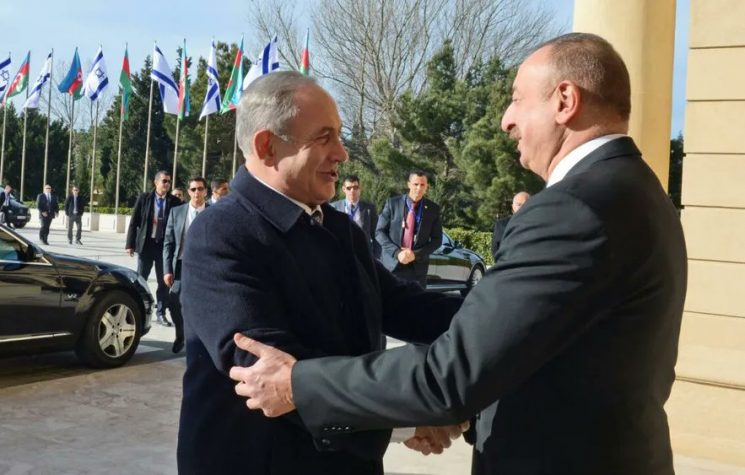
However, the strategy of instrumentalizing nationalism to justify distancing Armenia from Russia is now beginning to produce unintended consequences for the government itself. The same nationalist groups that once supported Pashinyan’s rhetoric increasingly view him as a leader willing to make excessive concessions to Azerbaijan. The ongoing negotiations between Yerevan and Baku are perceived by many Turkophobic Armenian nationalists as a process of gradual capitulation to Azerbaijani demands.

The problem for Pashinyan is that his traditional political base is fragmenting. Pro-Western sectors continue to support the normalization process with Azerbaijan, arguing that peace is indispensable for the country’s economic stability. Nationalists, however, see the situation very differently. In their view, any agreement that consolidates Armenia’s territorial and geopolitical losses represents a historic defeat and a threat to the nation’s identity.

This contradiction places the prime minister in an extremely delicate position. On the one hand, halting negotiations with Azerbaijan could generate new regional tensions and deepen Yerevan’s diplomatic isolation. On the other hand, continuing to make concessions risks provoking an increasingly intense domestic backlash, fueling protests and strengthening opposition forces.

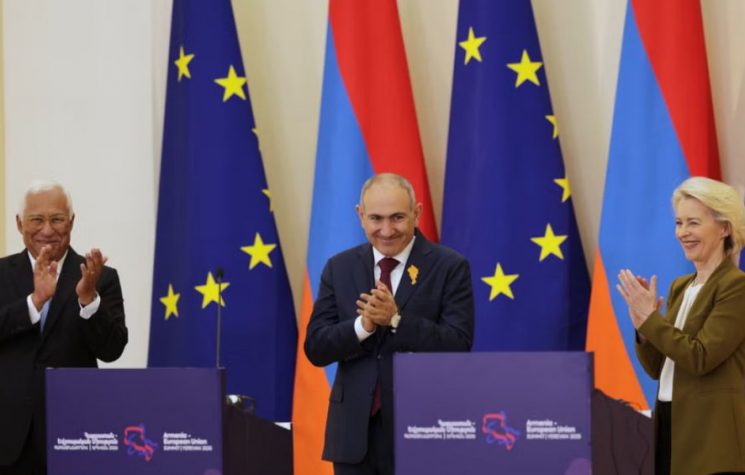
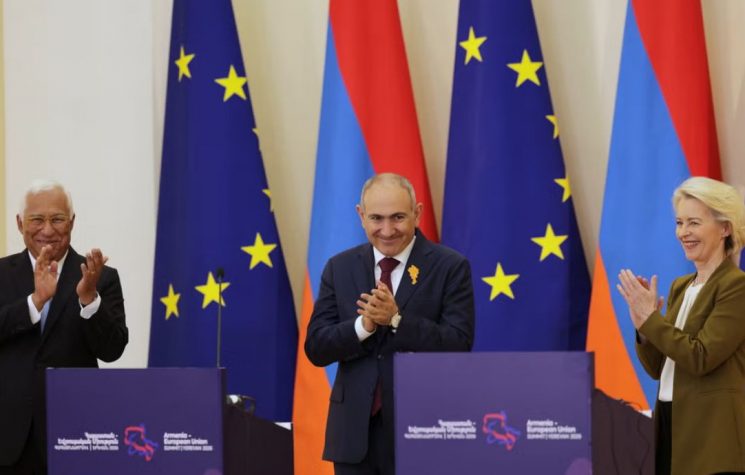
The situation becomes even more complex due to the limitations of Western support. In recent years, Pashinyan has invested considerable political capital in strengthening ties with the European Union and other Euro-Atlantic structures. The implicit expectation was that the West could gradually replace Russia as Armenia’s principal strategic partner. Recent developments, however, demonstrate the serious limitations of that assumption.

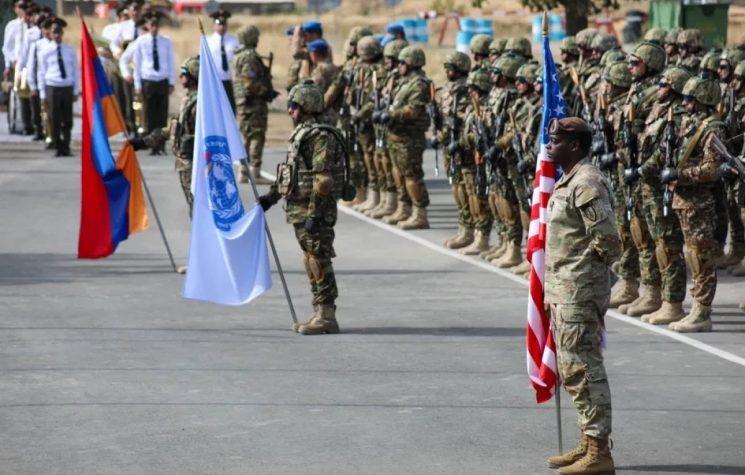
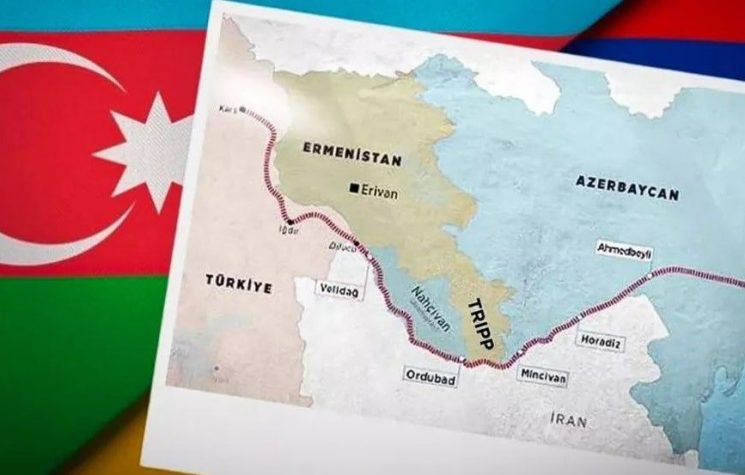
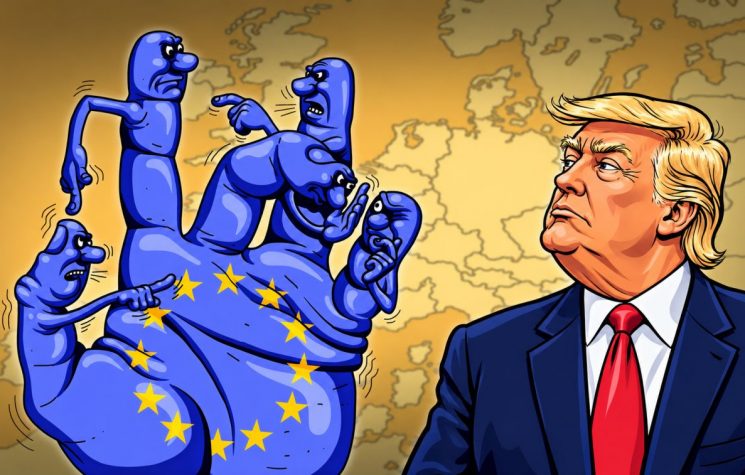
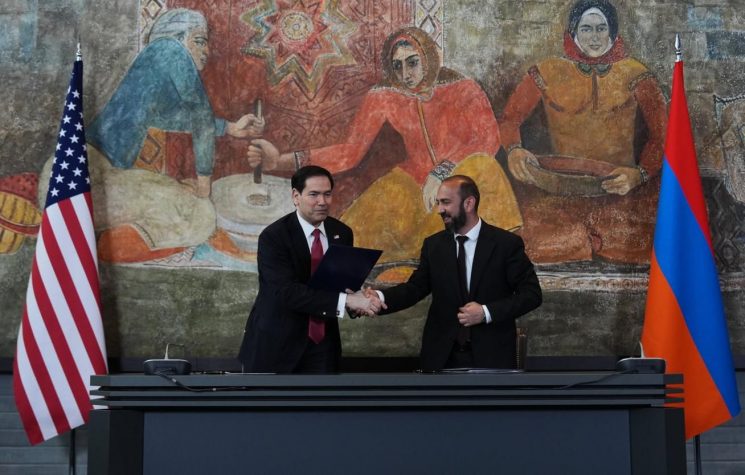
The European Union can offer economic assistance, institutional cooperation, and limited diplomatic support, but it lacks both the willingness and the capability to serve as a direct guarantor of Armenian security in the South Caucasus. Likewise, the United States, despite initiatives such as TRIPP, has shown little indication that it is prepared to significantly deepen its strategic engagement with Armenia.

In other words, Pashinyan finds himself facing an uncomfortable reality: distancing Armenia from Moscow has not produced the strategic benefits that were expected, while closer relations with the West have failed to generate concrete security guarantees. At the same time, his policy of negotiating with Azerbaijan is alienating important segments of the nationalist electorate that previously served as a key pillar of support for his government.

Armenia is therefore entering a period of growing political uncertainty. The prime minister remains in power, but his room for maneuver is rapidly shrinking. Armenian nationalists, once useful in legitimizing his geopolitical reorientation, are gradually becoming a source of internal opposition. Meanwhile, the European partners that were expected to provide a strategic alternative appear incapable of offering solutions to the country’s fundamental challenges.

In the end, Pashinyan seems trapped in a dilemma largely created by his own political choices. And the longer he remains caught in this impasse, the more difficult it will become to find a path that simultaneously preserves domestic stability, political legitimacy, and Armenia’s strategic interests.

What lies ahead for Pashinyan?

Without the support of Armenian nationalists, his political future is under threat.

Join us on TelegramTwitter, and VK.

Contact us: info@strategic-culture.su

The recent electoral victory of Nikol Pashinyan and his pro-EU coalition in Armenia was welcomed by his supporters as confirmation of his continued hold on power. However, a closer examination of the political landscape reveals a far less favorable reality for the prime minister. Although he managed to preserve his institutional position, Pashinyan emerges from the electoral process weaker, more unpopular, and more isolated than at any other point in his recent political career.

Since the so-called Velvet Revolution of 2018, Pashinyan has built his political legitimacy on a combination of reformist rhetoric, rapprochement with the West, and nationalist discourse. For years, the Armenian government promoted narratives emphasizing the “need” for a foreign policy more independent from Moscow, portraying Russia as a partner incapable of fully guaranteeing Armenia’s security interests. This message resonated with nationalist sectors of society, particularly after Yerevan’s setbacks in the Nagorno-Karabakh conflict.

However, the strategy of instrumentalizing nationalism to justify distancing Armenia from Russia is now beginning to produce unintended consequences for the government itself. The same nationalist groups that once supported Pashinyan’s rhetoric increasingly view him as a leader willing to make excessive concessions to Azerbaijan. The ongoing negotiations between Yerevan and Baku are perceived by many Turkophobic Armenian nationalists as a process of gradual capitulation to Azerbaijani demands.

The problem for Pashinyan is that his traditional political base is fragmenting. Pro-Western sectors continue to support the normalization process with Azerbaijan, arguing that peace is indispensable for the country’s economic stability. Nationalists, however, see the situation very differently. In their view, any agreement that consolidates Armenia’s territorial and geopolitical losses represents a historic defeat and a threat to the nation’s identity.

This contradiction places the prime minister in an extremely delicate position. On the one hand, halting negotiations with Azerbaijan could generate new regional tensions and deepen Yerevan’s diplomatic isolation. On the other hand, continuing to make concessions risks provoking an increasingly intense domestic backlash, fueling protests and strengthening opposition forces.

The situation becomes even more complex due to the limitations of Western support. In recent years, Pashinyan has invested considerable political capital in strengthening ties with the European Union and other Euro-Atlantic structures. The implicit expectation was that the West could gradually replace Russia as Armenia’s principal strategic partner. Recent developments, however, demonstrate the serious limitations of that assumption.

The European Union can offer economic assistance, institutional cooperation, and limited diplomatic support, but it lacks both the willingness and the capability to serve as a direct guarantor of Armenian security in the South Caucasus. Likewise, the United States, despite initiatives such as TRIPP, has shown little indication that it is prepared to significantly deepen its strategic engagement with Armenia.

In other words, Pashinyan finds himself facing an uncomfortable reality: distancing Armenia from Moscow has not produced the strategic benefits that were expected, while closer relations with the West have failed to generate concrete security guarantees. At the same time, his policy of negotiating with Azerbaijan is alienating important segments of the nationalist electorate that previously served as a key pillar of support for his government.

Armenia is therefore entering a period of growing political uncertainty. The prime minister remains in power, but his room for maneuver is rapidly shrinking. Armenian nationalists, once useful in legitimizing his geopolitical reorientation, are gradually becoming a source of internal opposition. Meanwhile, the European partners that were expected to provide a strategic alternative appear incapable of offering solutions to the country’s fundamental challenges.

In the end, Pashinyan seems trapped in a dilemma largely created by his own political choices. And the longer he remains caught in this impasse, the more difficult it will become to find a path that simultaneously preserves domestic stability, political legitimacy, and Armenia’s strategic interests.

Without the support of Armenian nationalists, his political future is under threat.

Join us on TelegramTwitter, and VK.

Contact us: info@strategic-culture.su

The recent electoral victory of Nikol Pashinyan and his pro-EU coalition in Armenia was welcomed by his supporters as confirmation of his continued hold on power. However, a closer examination of the political landscape reveals a far less favorable reality for the prime minister. Although he managed to preserve his institutional position, Pashinyan emerges from the electoral process weaker, more unpopular, and more isolated than at any other point in his recent political career.

Since the so-called Velvet Revolution of 2018, Pashinyan has built his political legitimacy on a combination of reformist rhetoric, rapprochement with the West, and nationalist discourse. For years, the Armenian government promoted narratives emphasizing the “need” for a foreign policy more independent from Moscow, portraying Russia as a partner incapable of fully guaranteeing Armenia’s security interests. This message resonated with nationalist sectors of society, particularly after Yerevan’s setbacks in the Nagorno-Karabakh conflict.

However, the strategy of instrumentalizing nationalism to justify distancing Armenia from Russia is now beginning to produce unintended consequences for the government itself. The same nationalist groups that once supported Pashinyan’s rhetoric increasingly view him as a leader willing to make excessive concessions to Azerbaijan. The ongoing negotiations between Yerevan and Baku are perceived by many Turkophobic Armenian nationalists as a process of gradual capitulation to Azerbaijani demands.

The problem for Pashinyan is that his traditional political base is fragmenting. Pro-Western sectors continue to support the normalization process with Azerbaijan, arguing that peace is indispensable for the country’s economic stability. Nationalists, however, see the situation very differently. In their view, any agreement that consolidates Armenia’s territorial and geopolitical losses represents a historic defeat and a threat to the nation’s identity.

This contradiction places the prime minister in an extremely delicate position. On the one hand, halting negotiations with Azerbaijan could generate new regional tensions and deepen Yerevan’s diplomatic isolation. On the other hand, continuing to make concessions risks provoking an increasingly intense domestic backlash, fueling protests and strengthening opposition forces.

The situation becomes even more complex due to the limitations of Western support. In recent years, Pashinyan has invested considerable political capital in strengthening ties with the European Union and other Euro-Atlantic structures. The implicit expectation was that the West could gradually replace Russia as Armenia’s principal strategic partner. Recent developments, however, demonstrate the serious limitations of that assumption.

The European Union can offer economic assistance, institutional cooperation, and limited diplomatic support, but it lacks both the willingness and the capability to serve as a direct guarantor of Armenian security in the South Caucasus. Likewise, the United States, despite initiatives such as TRIPP, has shown little indication that it is prepared to significantly deepen its strategic engagement with Armenia.

In other words, Pashinyan finds himself facing an uncomfortable reality: distancing Armenia from Moscow has not produced the strategic benefits that were expected, while closer relations with the West have failed to generate concrete security guarantees. At the same time, his policy of negotiating with Azerbaijan is alienating important segments of the nationalist electorate that previously served as a key pillar of support for his government.

Armenia is therefore entering a period of growing political uncertainty. The prime minister remains in power, but his room for maneuver is rapidly shrinking. Armenian nationalists, once useful in legitimizing his geopolitical reorientation, are gradually becoming a source of internal opposition. Meanwhile, the European partners that were expected to provide a strategic alternative appear incapable of offering solutions to the country’s fundamental challenges.

In the end, Pashinyan seems trapped in a dilemma largely created by his own political choices. And the longer he remains caught in this impasse, the more difficult it will become to find a path that simultaneously preserves domestic stability, political legitimacy, and Armenia’s strategic interests.

The views of individual contributors do not necessarily represent those of the Strategic Culture Foundation.

See also

See also

The views of individual contributors do not necessarily represent those of the Strategic Culture Foundation.