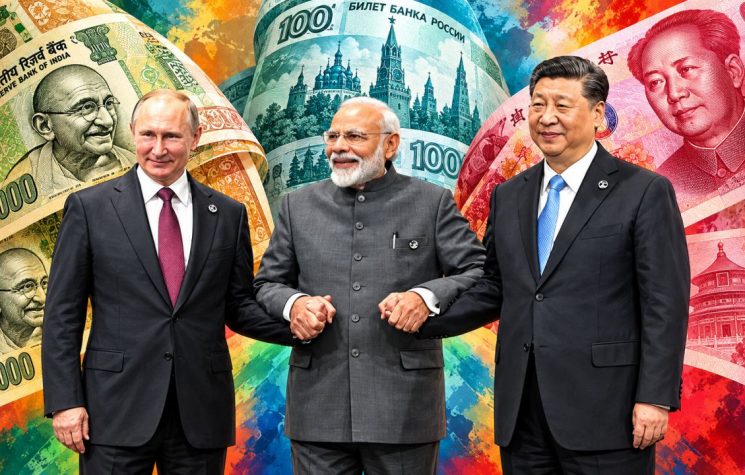



De-dollarization is the objective, regardless of which currency replaces the dollar.


Contact us: info@strategic-culture.su
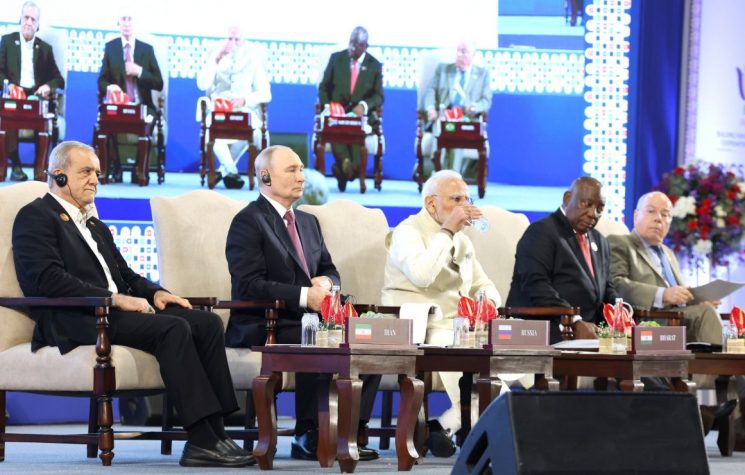
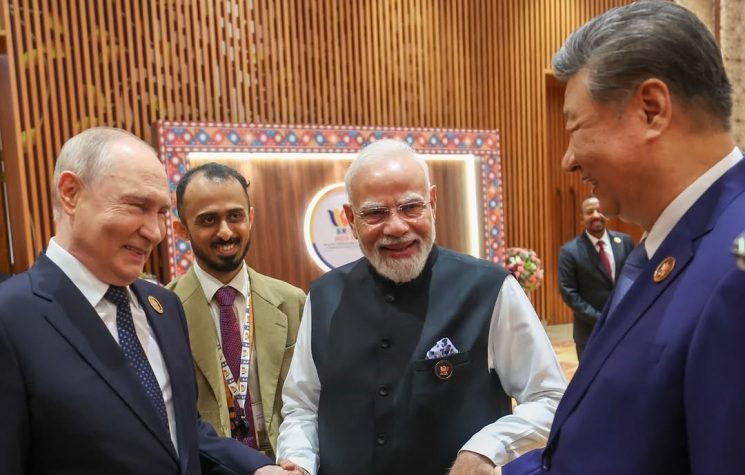
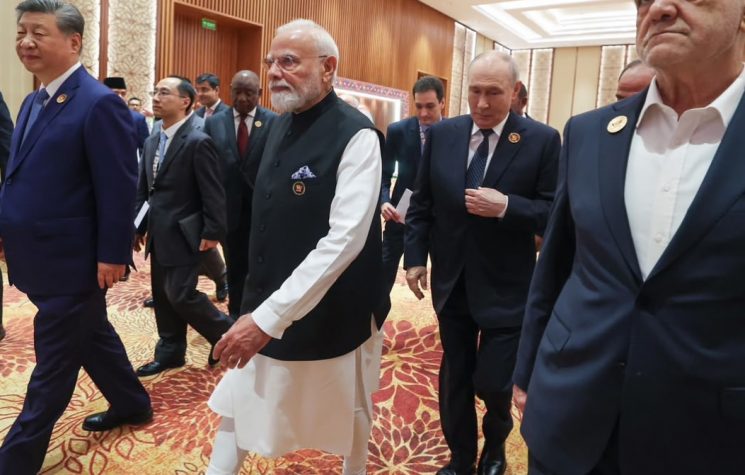
The 18th BRICS Summit, held in New Delhi, sent an important message to those who still confuse de-dollarization with the creation of a single currency: abandoning the dollar does not necessarily depend on creating a new monetary unit. On the contrary, the resolutions adopted by the member states indicate that the most immediate path is precisely a different one: expanding the use of national currencies and building payment mechanisms capable of reducing dependence on the financial system dominated by the United States.
The creation of a common currency for intra-BRICS transactions has never been a consensual priority for the bloc. Although the possibility has been discussed repeatedly in recent years, it is an extremely complex project requiring monetary, financial, and fiscal coordination among countries with profoundly different economic structures. India, China, Russia, Brazil, and the other members have distinct economic and financial interests and simply cannot create a common currency overnight.
This, however, does not mean that de-dollarization has been abandoned. It simply means that it must be understood as a gradual and multidimensional process.
The New Delhi Declaration reinforced precisely this approach. BRICS countries advocated deeper cross-border payments, greater interoperability between national systems, and increased use of local currencies in trade and investment. The objective is to make transactions between member states faster, cheaper, and more secure without requiring the immediate creation of a new currency.
This strategy has an obvious advantage. Instead of waiting for the construction of an entirely new monetary architecture, countries can make use of what they already have. Russia already conducts a significant share of its trade with BRICS partners in national currencies. India and Brazil have highly developed domestic payment systems, while China possesses its own financial infrastructure, capable of supporting an increasing share of its international transactions. Integrating these structures can produce concrete results long before the creation of a potential common currency.
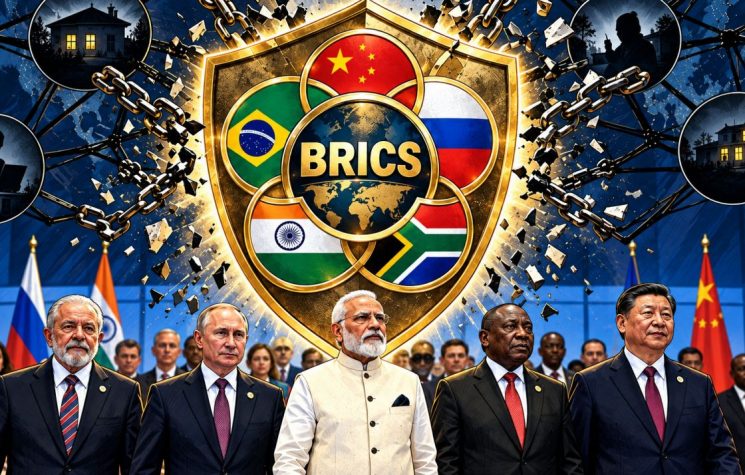
This is precisely where the true importance of the New Delhi resolutions lies. BRICS did not declare monetary war on the dollar, nor did it announce its replacement with a BRICS currency. What actually happened was something far more pragmatic: conditions were established for member states to become less dependent on the dollar whenever doing so serves their national interests.
Ultimately, in addition to accelerating the de-dollarization process through a pragmatic approach, this model also strengthens the national currencies of BRICS countries themselves. The greater the volume of bilateral trade conducted in rubles, yuan, rupees, reais, or other BRICS currencies, the greater their international utility becomes. Gradually, this can create deeper financial markets, increase demand for these currencies, and reduce the need to rely on the dollar as a universal intermediary.
The creation of a common currency can therefore remain a long-term objective. But it is not necessary to address the bloc’s current and more urgent needs. BRICS can move toward de-dollarization without waiting for the construction of an entirely new monetary system. After all, the urgency of strengthening financial systems that provide alternatives to the dollar cannot wait for a potential consensus on a new currency.
The outcome of the New Delhi Summit, at least with regard to monetary and financial issues, should be interpreted in this way. There was no retreat from the de-dollarization agenda, but rather a deliberate choice of a more realistic path: less dependence on a foreign currency, more trade in national currencies, and an increasingly independent financial infrastructure.
Ultimately, dismantling the structures that sustain the dollar’s hegemony is far more important than creating any “replacement currency.”