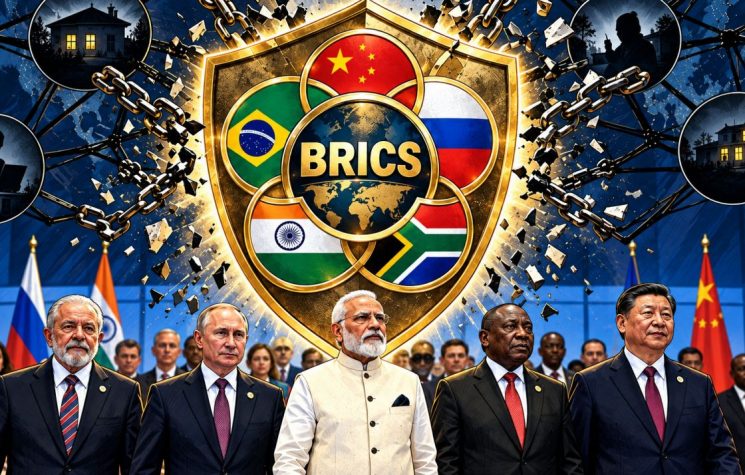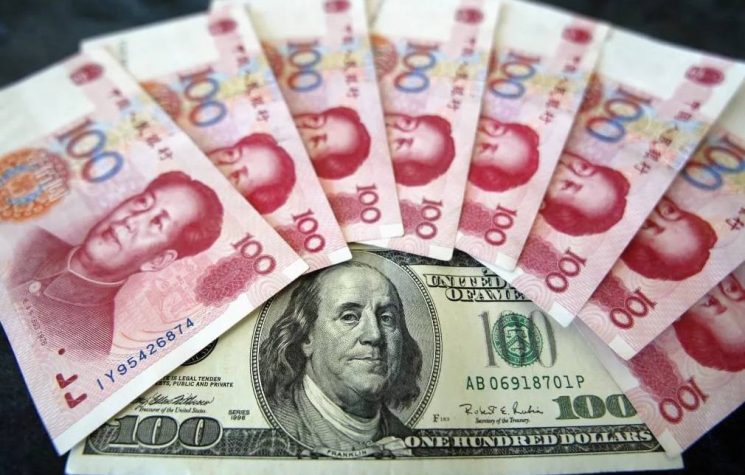



BRICS Pay isn’t a currency or a settlement network – it’s interoperability. And in New Delhi, leaders merely “took note.”


Contact us: info@strategic-culture.su
What it is and what it isn’t
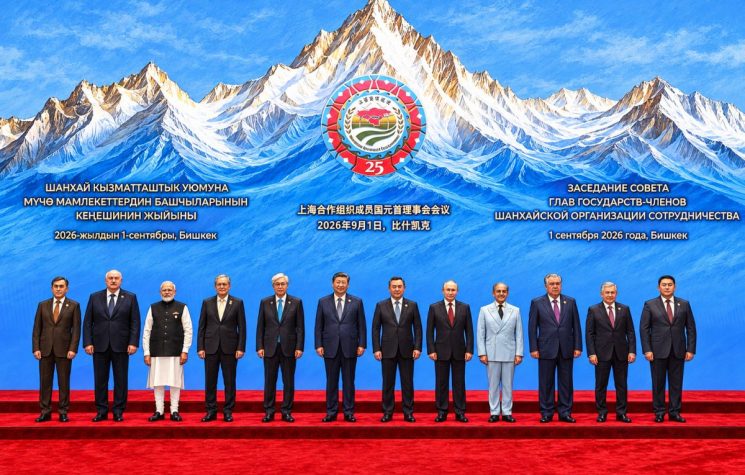
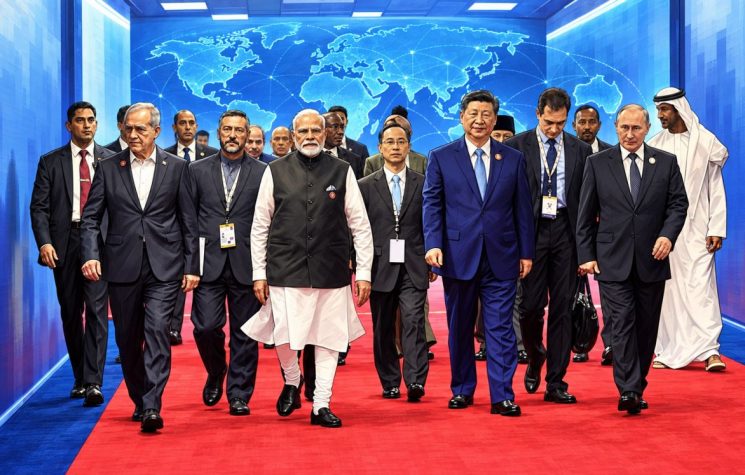
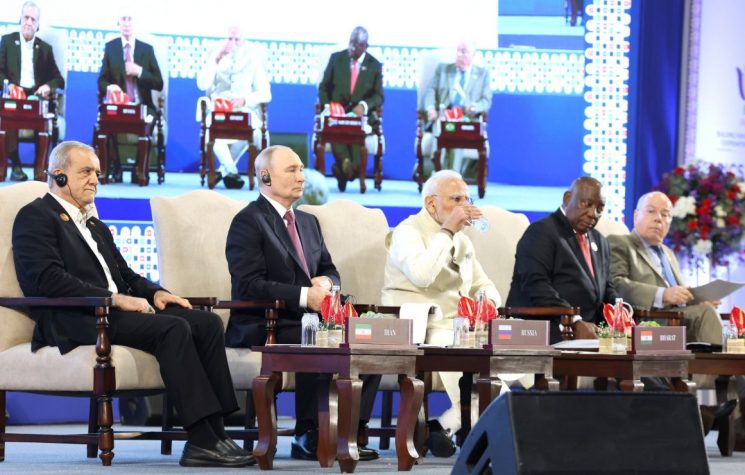
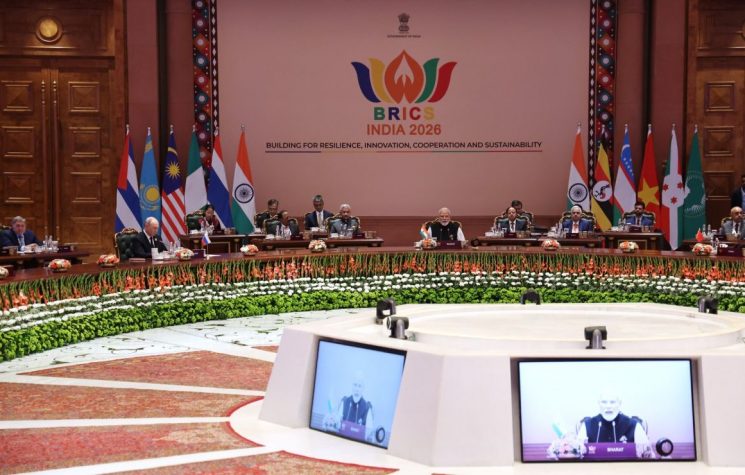
On the eve of the 18th BRICS Summit, held at the Bharat Mandapam in New Delhi on September 12 and 13, 2026, some specialized media outlets reported that the launch of BRICS Pay was imminent. Summit guides specifically identified the Indian capital as the site for the system’s full rollout, with the Reserve Bank of India tasked with technical coordination. The text approved by the leaders tells a different story. The New Delhi Declaration – 140 paragraphs adopted by consensus – merely “takes note” of the work carried out by the BRICS Payment Task Force on the interoperability of payment and messaging channels and on discussions regarding settlement in local currencies, specifying that this is done with due regard for national priorities and with the understanding that there is no one-size-fits-all solution. The Indian proposal to link central bank digital currencies – on which New Delhi had staked a substantial portion of the political capital of its presidency – does not appear in the document.
The gap between expectations and the outcome should not be interpreted as a diplomatic incident. It reflects two structural conditions that commentary on de-dollarization tends to underestimate. The first is that the BRICS countries, taken individually, still have good reasons to settle a significant portion of their trade in dollars. The second is that a common payment system is not merely a matter of financial engineering. It is an act of shared governance, requiring binding rules, an arbitration body, and a willingness to trust each other’s central banks. In New Delhi, none of these conditions were on the table.
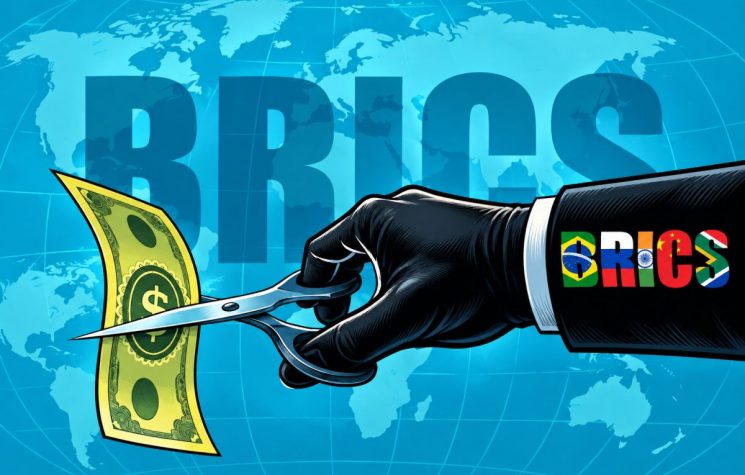
The name is misleading. BRICS Pay is not a currency, nor is it – at least in the configuration discussed so far – a settlement network. It is a level of interoperability designed to connect existing national systems: Russia’s SPFS, created after the 2014 sanctions; China’s CIPS, operational since 2015; the Indian UPI and the Brazilian Pix, built for instant domestic payments and only later extended abroad. The project took shape during the Russian presidency in 2024, as part of the BRICS Cross-Border Payments Initiative adopted in Kazan – an initiative that the summit’s own declaration described as voluntary and non-binding.
To understand where this project fits in, it is helpful to distinguish three levels that the public debate continually confuses. The first is messaging – that is, the standardized transmission of payment orders between financial institutions: this is SWIFT’s domain, and it is here that BRICS Pay presents itself as an alternative. The second is settlement – the actual transfer of value between accounts at central banks or correspondent banks – with all that this entails in terms of liquidity, counterparty risk, and balance management. The third is the unit of account – the currency in which contracts are denominated. An alternative to SWIFT operates only on the first level. If an Indian exporter invoices in dollars and the Russian bank settles in dollars through a correspondent bank, transmitting the message via a non-Western channel makes very little difference.
Interoperability, however, has a clear political advantage, and that is why it has become the group’s compromise solution: it allows each country to retain its own currency and financial system. A common currency would require concessions of an entirely different magnitude, ranging from rules on issuance and exchange rates to the management of countries with structural surpluses or deficits. It is no coincidence that Sudhakar Dalela, Secretary for Economic Relations at the Indian Ministry of External Affairs, reiterated during the summit that a BRICS currency is not under discussion, adding the cautious qualifier “for now.”
The history of this issue is the story of a lexicon that advances by millimeters. In 2010, in Brasília, the four founding countries committed to studying the feasibility of monetary cooperation and settlement agreements in local currency. In Ufa, in 2015, the potential of national currencies was acknowledged; in Xiamen, two years later, discussions centered on currency swaps and direct investments in local currency. Since 2019, the focus has shifted to payment infrastructure, with the launch of the Payment Task Force. Johannesburg, in 2023, raised the issue of the interconnection of cross-border payment systems for the first time; Kazan launched the voluntary initiative; Rio, in 2025, received a technical report on the BRICS cross-border payment system, which, more than a year later, has not been made public. Sixteen years after Brasília, New Delhi “takes note.” The sequence of verbs (to study, to recognize, to welcome, to take note) is already an indicator: in a body that makes decisions by consensus, the degree of real commitment can be read in the wording of the communiqués.
India’s ambition and the price of consensus
India had made cross-border payments one of the pillars of its presidency. In January, the Reserve Bank of India had proposed linking member countries’ central bank digital currencies to facilitate trade and tourism; in August, Governor Sanjay Malhotra confirmed that discussions were underway regarding the interconnection of fast payment systems and CBDCs; on the eve of the summit, Commerce Minister Piyush Goyal reiterated the call to settle transactions in local currency. As early as September 10, however, Reuters reported on political and technical obstacles that could limit progress, highlighting two in particular: the severing of financial ties between the United Arab Emirates and Iran, and India’s own reluctance to deepen financial connectivity with China without stronger mutual trust.
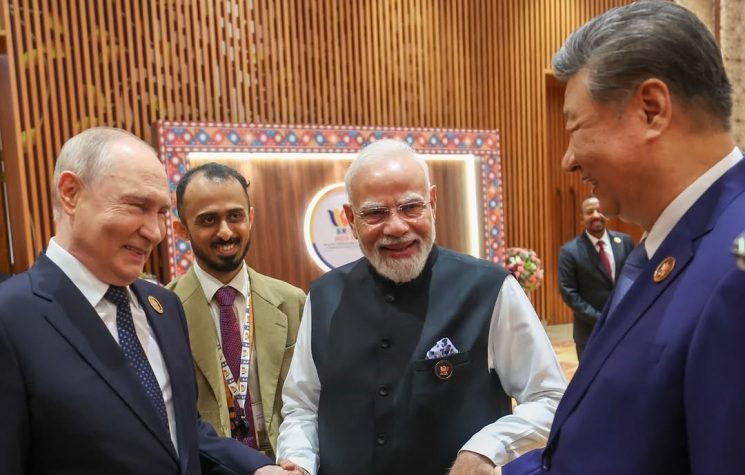
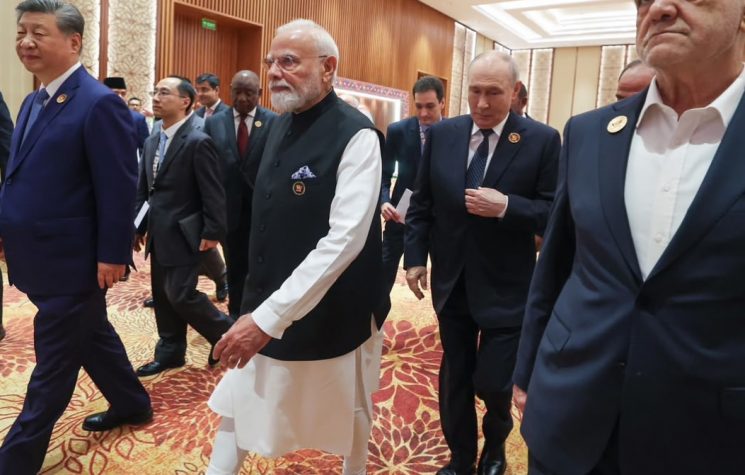
The second obstacle deserves attention because it overturns a common perception. The strongest obstacle to BRICS payments integration does not come from Washington, but from the country that chaired the summit. New Delhi wants infrastructure that makes trading in rupees easier and remittances from its diaspora cheaper. It does not want this infrastructure to pass through Chinese hubs, nor does it want its net effect to be an expansion of the yuan in South Asia. The meeting between Narendra Modi and Xi Jinping on the sidelines of the summit marked a cautious thaw, but India’s trade deficit with China – which has doubled over the course of a decade – remains a rift that no communiqué can mend.
Then there is the effect of expansion. With eleven members and ten partner countries, the group now includes states that found themselves on opposing sides in the 2026 war. In May, the meeting of foreign ministers – also held in New Delhi – ended without a joint communiqué, forcing the Indian presidency to issue a statement on its own behalf. The unanimity achieved in September was secured by lowering the bar for commitments. The declaration criticizes unilateral tariffs and sanctions without naming the United States and, on the financial front, refers to technical work for which it sets neither deadlines nor objectives. Ajay Srivastava, founder of the Global Trade Research Initiative, noted that the text does not provide for any concrete action and that, in the absence of a coordinated plan, trade in local currencies will be able to grow only gradually, without reaching significant volumes.
It should be noted, for the sake of methodological rigor, that some media outlets have presented the summit as the “launch” of BRICS Pay. The text of the declaration, as reported by sources who have examined it in detail, does not support this interpretation. The confusion between announcement and implementation is a recurring feature of communication on this topic, and it contributes to inflating expectations that ultimately undermine the group’s credibility.
The dollar’s strong case
The available statistics explain better than any statement why de-dollarization remains, for now, more a topic of debate than a measurable trend. According to the latest triennial survey by the Bank for International Settlements, in April 2025 the dollar accounted for approximately 89% of global foreign exchange transactions – a share that had risen slightly compared to 2022 – while the yuan stood at 8.5%. On the reserves front, data from the International Monetary Fund show that in the first quarter of 2026, the dollar accounted for 57.13% of reserves, compared with 1.99% for the Chinese currency. The long-term trend is one of erosion: around 1999, the dollar accounted for more than 70% of allocated reserves. But diversification is spread across a constellation of minor currencies – whose combined share has more than doubled since 2021 – and is not concentrated on the currencies of the BRICS countries.
The reason is not subservience; it is a matter of calculation. The dollar offers what no alternative yet offers: deep and liquid markets, low-cost hedging instruments, a massive stock of debt denominated in the same currency, and the ability to convert the proceeds of a transaction into an asset considered safe at any time. Barry Eichengreen has described these advantages in terms of network effects: a currency is useful in proportion to the number of parties already using it, and this makes any attempted transition by a single actor or a small group costly. For a Brazilian importer or an Indonesian exporter, paying in dollars means paying in the currency that the counterparty accepts without negotiation.
At the level of individual members, the picture becomes even clearer. India has repeatedly stated that it has no interest in weakening the dollar: in December 2024, Foreign Minister Subrahmanyam Jaishankar noted that the United States is the country’s leading trading partner, and in the summer of 2025, the ministry’s spokesperson reiterated that de-dollarization is not part of India’s financial agenda. The United Arab Emirates and Saudi Arabia keep their currencies pegged to the dollar and base their security on a relationship with Washington that no alternative payment system could replace. Riyadh, moreover, continues to occupy an ambiguous position within the group: the Indian presidency listed it among the eleven members, but in New Delhi, the Saudi delegation attended with the status of a guest country. Egypt and Ethiopia, which in recent years have negotiated programs with the International Monetary Fund and carry foreign debt denominated in hard currency, cannot afford to complicate their relationships with their creditors. Lula’s Brazil has repeatedly revived the idea of a common trade currency, but its flagship system, PIX, remains a domestic success.
That leaves Russia and Iran, for whom moving away from the dollar is not a choice but a necessity imposed by sanctions, and China, which has a genuine interest in the internationalization of the yuan but pursues it through its own infrastructure – starting with CIPS – without relinquishing the capital controls that limit its currency’s appeal as a reserve asset. Even for those with the strongest motivations, however, settlement in local currencies has shown clear limitations. The Russian-Indian experience is instructive. The sharp increase in Indian imports of Russian oil after 2022 left Moscow with substantial rupee balances that were difficult to deploy – a problem that Sergey Lavrov himself publicly acknowledged in May 2023. When trade is unbalanced, the currency of the country running a deficit accumulates in the country running a surplus, and the dollar once again becomes the easiest way out.
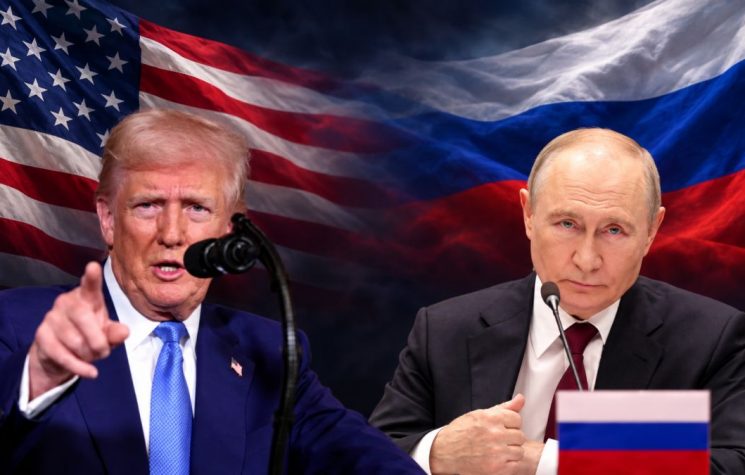
Added to these incentives is the explicit cost of a break. Donald Trump threatened 100% tariffs against BRICS countries that supported an alternative currency to the dollar and, following the 2025 Rio summit, an additional 10% tariff for those who aligned with the group’s policies, which he defined as anti-American. On the eve of the New Delhi summit, Natixis economist Alicia García-Herrero predicted that leaders would discuss cross-border payments without attempting to replace the dollar. That is exactly how it played out.
A political choice
This brings us to the central point. A payment system is not a neutral infrastructure. Susan Strange identified the financial structure – that is, control over credit and the channels through which it circulates – as one of the four sources of structural power in international political economy. States that control the central nodes of global economic networks – of which SWIFT is the classic example – can transform them into instruments of coercion, exploiting both their monitoring function and their capacity for exclusion. It is precisely this experience – culminating in the exclusion of major Russian banks from SWIFT in 2022 – that gave political momentum to the BRICS project.
The same lesson, however, applies within the group itself. Those building an alternative network must determine where the nodes are located, who manages the data, which legal framework governs disputes, who provides liquidity during times of tension, and how balances between surplus and deficit economies are settled. Each of these decisions redistributes power. For India, a system centered on CIPS would mean replacing dependence on Washington with dependence on Beijing – that is, on a rival with whom it shares a disputed border. For the UAE, connecting to a network through which Iran transits would mean exposing itself to the risk of secondary sanctions, just as the two countries are emerging from a war in which they fought on opposing sides. The problem is not the technology: the national components exist and function. What is missing is an agreement on who governs the system as a whole.
The monetary history of the twentieth century offers two useful points of reference. The first is the Keynesian proposal for an International Clearing Union, presented by the British Treasury in 1943, which addressed precisely the issue of persistent imbalances by imposing symmetrical burdens on both surplus and deficit countries. A BRICS Pay system that aims to go beyond mere messaging would need a similar mechanism for multilateral compensation – and thus rules capable of binding even China, the group’s main trade creditor. The second reference is Charles Kindleberger’s thesis on the stability of the international system as a public good, which requires an actor willing to bear its costs. In the dollar-based order, that role is played – with all the abuses that entail – by the United States. Within the BRICS partnership, the only plausible candidate is China, and the other members do not intend to grant it that role. Herein lies the fundamental dilemma of a multipolar monetary order: it multiplies the poles but leaves the role of system guarantor vacant.
Added to this is institutional fragility. The group operates without a permanent secretariat, with rotating annual presidencies that leave the continuity of technical dossiers up to the discretion of the country holding the presidency. Enlargement has increased the diversity of interests without equipping the partnership with more robust decision-making tools. A unified payment system would require a treaty, or at least a binding governance agreement, whereas the cross-border payments initiative is, by the explicit choice of the signatories, voluntary and non-binding. Until this asymmetry between ambition and legal form is resolved, BRICS Pay will remain what it is today: a political brand superimposed on a network of bilateral corridors. The stability of the partnership is therefore not a secondary condition of the project; it is its prerequisite.
Toward China’s 2027 Chairmanship
With the chairmanship set to pass to China in 2027, the most useful time horizon for assessment is the next eighteen to twenty-four months. The assessments that follow are based on evidence of moderate quality, consisting largely of official texts and the international financial press.
The scenario I consider highly likely is that of a bilateral mosaic. Existing corridors, such as those between India and the UAE and between India and Russia, are expanding, while the common architecture remains in the planning stages. Trade in local currencies is increasing in absolute terms, but the dollar’s share in intra-BRICS trade is declining only marginally.
An alternative scenario, which I consider moderately likely, envisions the Chinese presidency using 2027 to promote a variable-geometry core built around the CIPS and SPFS, with the participation of Russia, Iran, and certain partner countries. The “BRICS Pay” brand would be formally launched, but only for part of the group and, in all likelihood, without India. This would be a politically viable outcome for Beijing and Moscow, but it would lay bare the rift that the language of official statements still manages to conceal today.
The launch, by 2028, of a unified and operational system for all members, however, remains highly unlikely.
There are few but concrete indicators to watch: the publication of the technical report adopted in Rio; the possible signing of a binding agreement on payment governance; the creation of a multilateral clearing mechanism or dedicated swap lines, perhaps entrusted to the New Development Bank; India’s position on a link with CIPS; and the formalization – or definitive abandonment – of Saudi Arabia’s membership. A statement referring to a “launch” without any of these elements should be taken for what it is: an announcement.
Multipolarity has so far produced, above all, a plurality of national options, useful to each country for reducing exposure to sanctions and for negotiating from a stronger position with Washington. Transforming these options into a system requires a partnership that recognizes a common interest stronger than internal rivalries. That partnership is still evolving, and BRICS Pay will follow its pace, not the other way around.