


Contact us: info@strategic-culture.su
James Jatras, a veteran U.S. foreign policy analyst, discusses how the recent security deal between Trump and Denmark over Greenland is really about easing tensions within NATO.
And keeping the Western military bloc hard-focused on Russia.
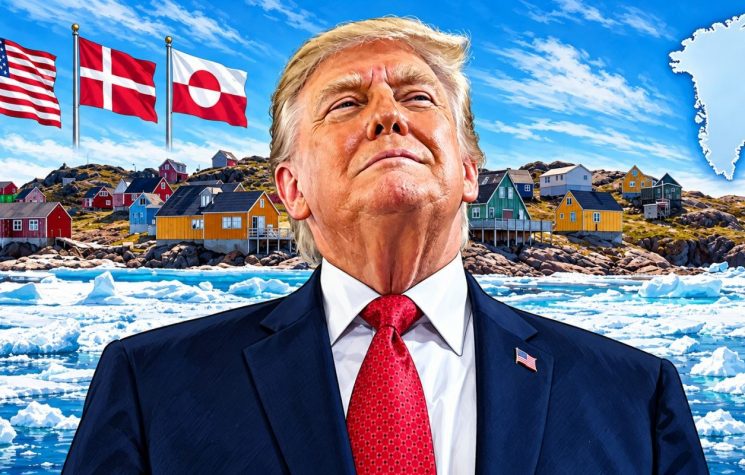
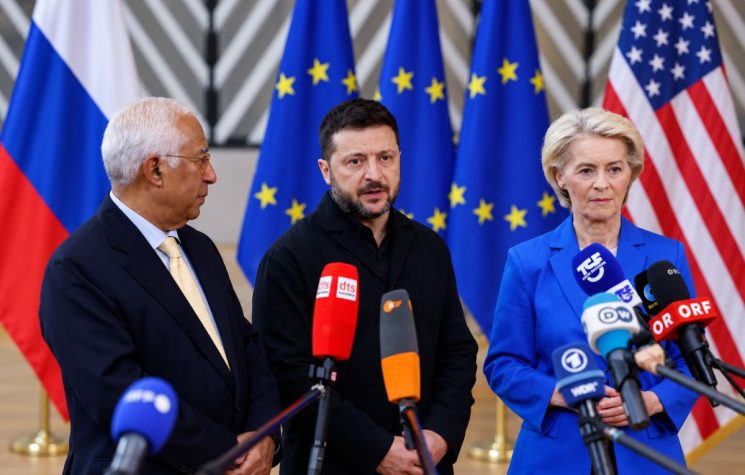
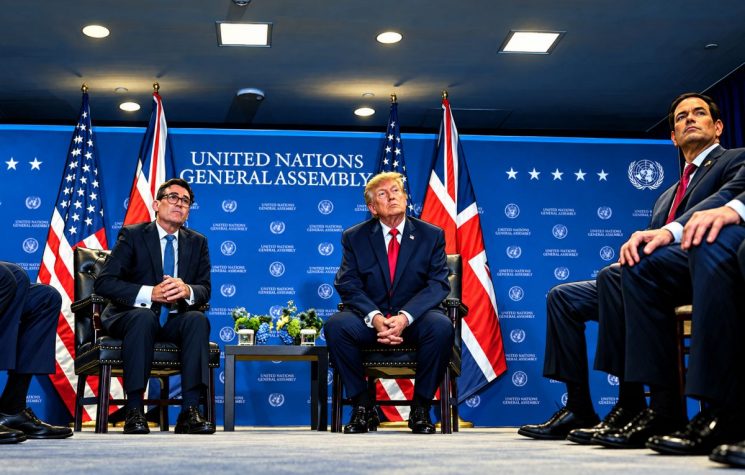
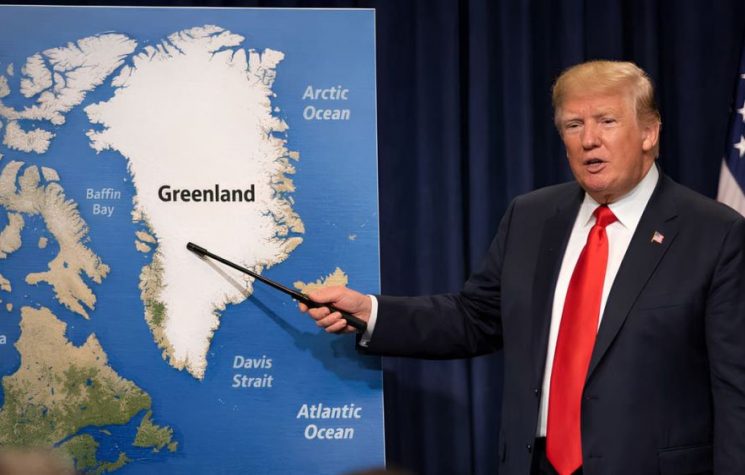
The signing of a new security agreement with Danish PM Mette Frederiksen on the sidelines of the United Nations General Assembly on September 22 looked odd. Frederiksen was photographed smiling with Trump, yet only a few months ago, the Danish leader and other European governments were in uproar over Trump’s threats to annex Greenland.
The Arctic island has an abundance of untapped mineral and rare-earth metals. Trump has framed the annexation as a benign move by the U.S. for protection against Russia and China. He previously ridiculed Denmark’s defenses as amounting to “two dogsleds.”
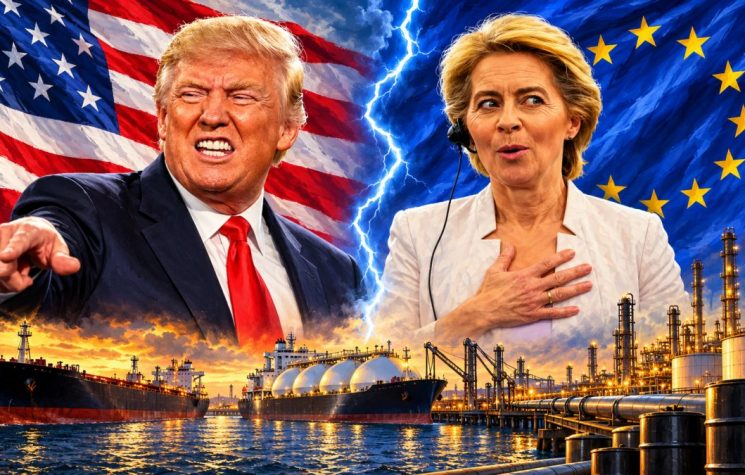
Recall that earlier this year Trump was threatening to withdraw from NATO if the U.S. was not given full control over Greenland. The Europeans then sprang to Copenhagen’s support and pledged to send troops to Greenland to defend Danish sovereignty.
But with the new security deal, all the recriminations seem to have disappeared. Danish PM Federiksen is smiling like a “Cheshire Cat,” and European Commission President Ursula von der Leyen hailed the renewed strengthening of the NATO bloc.
Jatras contends that Trump does not acquire any significant access to Greenland’s vast natural resources after this new deal. Denmark still retains sovereignty over the Arctic island, albeit describing it as a self-ruling territory under Greenlander administration.
What Trump gets is more U.S. militarization of the Arctic territory, which is actually what the European NATO members want.
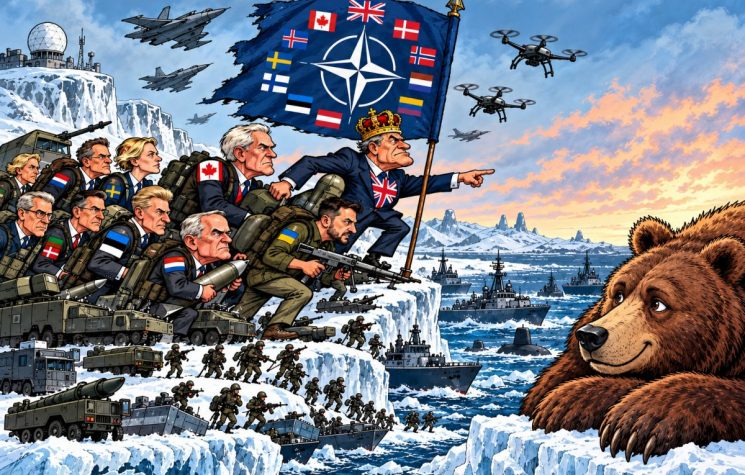
Washington is planning to increase American military bases in Greenland and install an anti-missile defense shield called Golden Dome. This militarization will exacerbate already fraught tensions with Moscow because it potentially makes Russia more vulnerable to a nuclear attack from a new front in the Arctic.
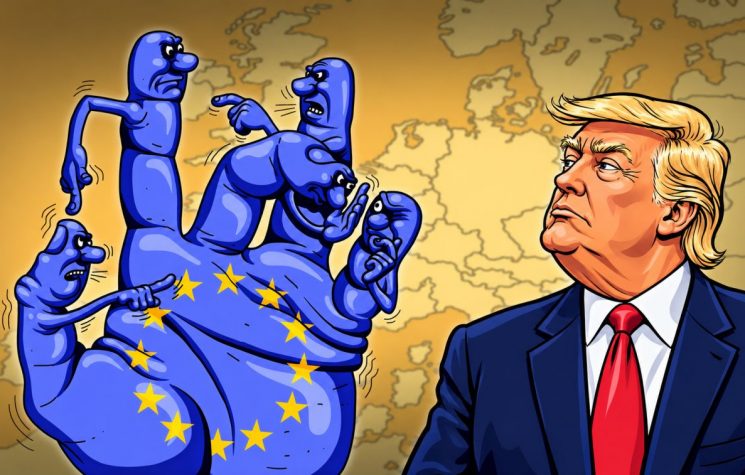
The European NATO leaders don’t like Trump, notes Jatras, but they are worried that his maverick behavior is undermining the unity of the transatlantic alliance, which is, in turn, weakening the anti-Russia agenda.
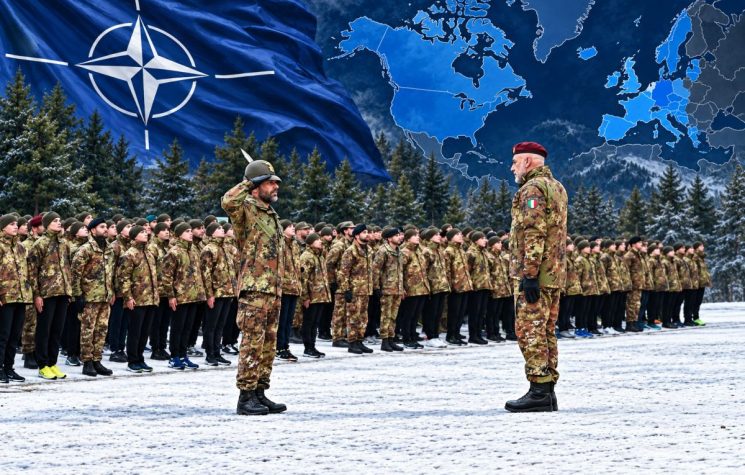
By giving Trump the appearance of increased security control over Greenland, Denmark and the other European NATO hawks gain a more unified alliance whose top priority is to ramp up the anti-Russia agenda, as seen primarily with the proxy war in Ukraine.
In this interview, we discuss other issues: the dearth of diplomacy in Washington since the end of the Cold War, the duplicity in the Trump administration claiming it wants peace with Moscow yet doing nothing to pursue that, indeed doing the opposite, like ending arms control treaties and militarizing the Arctic.
Jatras is pessimistic about the prospects of the political class in the U.S. and Europe finding a breakthrough out of increasingly dangerous relations with Russia. He sees the only way forward as the total internal collapse in the West, leading to a new political leadership. The current dynamic and lack of diplomacy in the West are leading to war.
Trump’s plan for militarizing the Arctic at the cajoling of Europeans is another ominous sign among many.