
World
Finian Cunningham
October 5, 2026
© Photo: Public domain

The failure of international diplomatic efforts to resolve the Ethiopian war is storing up an even bigger disaster for the Horn of Africa.

Join us on Telegram, X, and VK.

Contact us: info@strategic-culture.su

War has flared up again in Ethiopia, Africa’s second most populous country, in a region near the strategically important Red Sea, which is already boiling with tension.

Hundreds of casualties have been reported in recent days from fighting centered mainly in Ethiopia’s northern Tigray province, but which is also spreading to other parts of the East African country bordering Somalia, Eritrea, Sudan, and Kenya.

Ethiopia’s central government in the capital, Addis Ababa, accuses regional neighbors Egypt, Sudan, and Eritrea of supporting rebel factions based in Tigray.

The Horn of Africa is already beset with wars in Yemen and Sudan and historic disputes between neighbouring countries over borders and natural resources. The region is an ongoing humanitarian disaster, with millions of people without food and facing displacement. The renewed conflict in Ethiopia could draw in several countries and turn the whole region into a catastrophic war zone.

Ethiopian journalist Mickael Minassie explains the background to the current upsurge in conflict and the danger of a wider international war embroiling several nations.

Minassie says that the Ethiopian civil war that blew up in 2020 between the federal government of Prime Minister Abiy Ahmed and the Tigray People’s Liberation Front did not really come to an end with the signing of the Pretoria Peace Accord in 2022.

He says the Abiy government continued to wage a low-intensity war against the Tigray region, imposing an economic and food aid blockade on the war-torn territory, thereby intensifying severe humanitarian conditions.

This is why the conflict has resumed, he says. Peace was never implemented. And the “Abiy Ahmed regime” used the peace deal as a cover for continuing to wage war by other means. The recent response of the Tigray region, allied with other Ethiopian rebel groups, is an act of desperation to break from the oppressive conditions imposed by the central government.

He criticises the international community for not upholding the 2022 peace accord and ensuring compliance.

Minassie points to ominous international dimensions of the conflict.  The Ethiopian central government has served as a proxy for the United Arab Emirates by supporting the RSF insurgents in Sudan. The UAE is believed to be financing the Abiy government with military aid and weapons, including drones.

The United States has also recently signed a new regional security deal with the Abiy government. No doubt, to gain greater access to the Red Sea region for strategic advantage against Yemen’s Ansar Allah government, which has imposed a blockade on Israeli and Saudi shipping.

Minassie says that the international community has been silent about the violations committed by the Abiy government, which has emboldened it to continue aggression against the Tigray people.

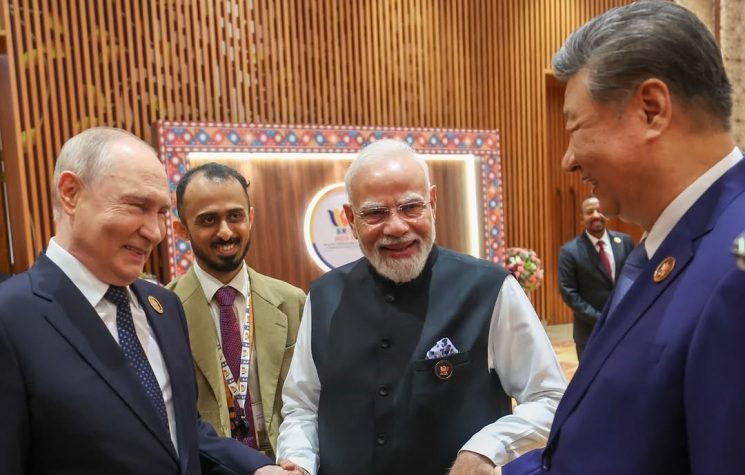
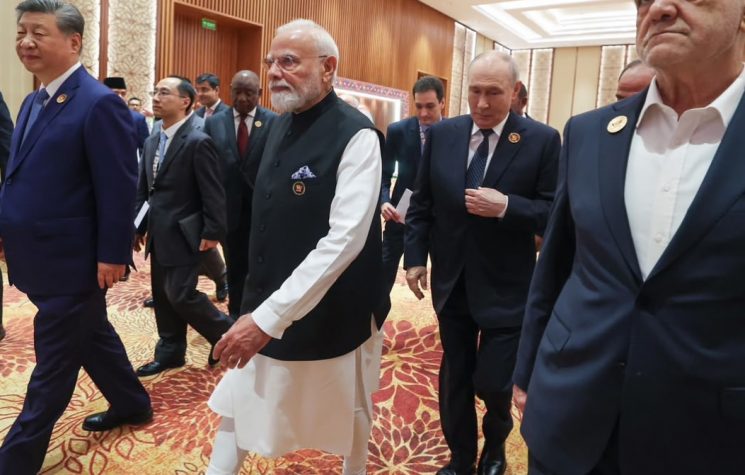
Russia and China have also given diplomatic support to the Ethiopian central government, according to Minassie. Notably, Ethiopia has gained membership of the BRICS forum, with virtually no criticism from Brasília, Moscow, New Delhi, Beijing, or Pretoria over its lack of implementing the 2022 peace accord.

He says that the international community has turned a blind eye to the conflict in Ethiopia. The death toll among the Tigray population during the 2020-22 phase of the war is estimated by the United Nations at 600,000, which is about 10 per cent of the total. This death toll compares with some 20,000 civilian deaths in the Ukraine war – about 300 times greater. Western media has been saturated with reports on the Ukraine war, especially to portray Russia as the villain. Yet Western media reporting on Ethiopia has been negligible by comparison.

The failure of international diplomatic efforts to resolve the Ethiopian war – a war of genocidal dimension – is storing up an even bigger disaster for the Horn of Africa. The impact on global trade and mass migration portends that Europe, in particular, will suffer immense repercussions.

Ethiopia at war, the Horn of Africa is set to explode

The failure of international diplomatic efforts to resolve the Ethiopian war is storing up an even bigger disaster for the Horn of Africa.

Join us on Telegram, X, and VK.

Contact us: info@strategic-culture.su

War has flared up again in Ethiopia, Africa’s second most populous country, in a region near the strategically important Red Sea, which is already boiling with tension.

Hundreds of casualties have been reported in recent days from fighting centered mainly in Ethiopia’s northern Tigray province, but which is also spreading to other parts of the East African country bordering Somalia, Eritrea, Sudan, and Kenya.

Ethiopia’s central government in the capital, Addis Ababa, accuses regional neighbors Egypt, Sudan, and Eritrea of supporting rebel factions based in Tigray.

The Horn of Africa is already beset with wars in Yemen and Sudan and historic disputes between neighbouring countries over borders and natural resources. The region is an ongoing humanitarian disaster, with millions of people without food and facing displacement. The renewed conflict in Ethiopia could draw in several countries and turn the whole region into a catastrophic war zone.

Ethiopian journalist Mickael Minassie explains the background to the current upsurge in conflict and the danger of a wider international war embroiling several nations.

Minassie says that the Ethiopian civil war that blew up in 2020 between the federal government of Prime Minister Abiy Ahmed and the Tigray People’s Liberation Front did not really come to an end with the signing of the Pretoria Peace Accord in 2022.

He says the Abiy government continued to wage a low-intensity war against the Tigray region, imposing an economic and food aid blockade on the war-torn territory, thereby intensifying severe humanitarian conditions.

This is why the conflict has resumed, he says. Peace was never implemented. And the “Abiy Ahmed regime” used the peace deal as a cover for continuing to wage war by other means. The recent response of the Tigray region, allied with other Ethiopian rebel groups, is an act of desperation to break from the oppressive conditions imposed by the central government.

He criticises the international community for not upholding the 2022 peace accord and ensuring compliance.

Minassie points to ominous international dimensions of the conflict.  The Ethiopian central government has served as a proxy for the United Arab Emirates by supporting the RSF insurgents in Sudan. The UAE is believed to be financing the Abiy government with military aid and weapons, including drones.

The United States has also recently signed a new regional security deal with the Abiy government. No doubt, to gain greater access to the Red Sea region for strategic advantage against Yemen’s Ansar Allah government, which has imposed a blockade on Israeli and Saudi shipping.

Minassie says that the international community has been silent about the violations committed by the Abiy government, which has emboldened it to continue aggression against the Tigray people.

Russia and China have also given diplomatic support to the Ethiopian central government, according to Minassie. Notably, Ethiopia has gained membership of the BRICS forum, with virtually no criticism from Brasília, Moscow, New Delhi, Beijing, or Pretoria over its lack of implementing the 2022 peace accord.

He says that the international community has turned a blind eye to the conflict in Ethiopia. The death toll among the Tigray population during the 2020-22 phase of the war is estimated by the United Nations at 600,000, which is about 10 per cent of the total. This death toll compares with some 20,000 civilian deaths in the Ukraine war – about 300 times greater. Western media has been saturated with reports on the Ukraine war, especially to portray Russia as the villain. Yet Western media reporting on Ethiopia has been negligible by comparison.

The failure of international diplomatic efforts to resolve the Ethiopian war – a war of genocidal dimension – is storing up an even bigger disaster for the Horn of Africa. The impact on global trade and mass migration portends that Europe, in particular, will suffer immense repercussions.

The failure of international diplomatic efforts to resolve the Ethiopian war is storing up an even bigger disaster for the Horn of Africa.

Join us on Telegram, X, and VK.

Contact us: info@strategic-culture.su

War has flared up again in Ethiopia, Africa’s second most populous country, in a region near the strategically important Red Sea, which is already boiling with tension.

Hundreds of casualties have been reported in recent days from fighting centered mainly in Ethiopia’s northern Tigray province, but which is also spreading to other parts of the East African country bordering Somalia, Eritrea, Sudan, and Kenya.

Ethiopia’s central government in the capital, Addis Ababa, accuses regional neighbors Egypt, Sudan, and Eritrea of supporting rebel factions based in Tigray.

The Horn of Africa is already beset with wars in Yemen and Sudan and historic disputes between neighbouring countries over borders and natural resources. The region is an ongoing humanitarian disaster, with millions of people without food and facing displacement. The renewed conflict in Ethiopia could draw in several countries and turn the whole region into a catastrophic war zone.

Ethiopian journalist Mickael Minassie explains the background to the current upsurge in conflict and the danger of a wider international war embroiling several nations.

Minassie says that the Ethiopian civil war that blew up in 2020 between the federal government of Prime Minister Abiy Ahmed and the Tigray People’s Liberation Front did not really come to an end with the signing of the Pretoria Peace Accord in 2022.

He says the Abiy government continued to wage a low-intensity war against the Tigray region, imposing an economic and food aid blockade on the war-torn territory, thereby intensifying severe humanitarian conditions.

This is why the conflict has resumed, he says. Peace was never implemented. And the “Abiy Ahmed regime” used the peace deal as a cover for continuing to wage war by other means. The recent response of the Tigray region, allied with other Ethiopian rebel groups, is an act of desperation to break from the oppressive conditions imposed by the central government.

He criticises the international community for not upholding the 2022 peace accord and ensuring compliance.

Minassie points to ominous international dimensions of the conflict.  The Ethiopian central government has served as a proxy for the United Arab Emirates by supporting the RSF insurgents in Sudan. The UAE is believed to be financing the Abiy government with military aid and weapons, including drones.

The United States has also recently signed a new regional security deal with the Abiy government. No doubt, to gain greater access to the Red Sea region for strategic advantage against Yemen’s Ansar Allah government, which has imposed a blockade on Israeli and Saudi shipping.

Minassie says that the international community has been silent about the violations committed by the Abiy government, which has emboldened it to continue aggression against the Tigray people.

Russia and China have also given diplomatic support to the Ethiopian central government, according to Minassie. Notably, Ethiopia has gained membership of the BRICS forum, with virtually no criticism from Brasília, Moscow, New Delhi, Beijing, or Pretoria over its lack of implementing the 2022 peace accord.

He says that the international community has turned a blind eye to the conflict in Ethiopia. The death toll among the Tigray population during the 2020-22 phase of the war is estimated by the United Nations at 600,000, which is about 10 per cent of the total. This death toll compares with some 20,000 civilian deaths in the Ukraine war – about 300 times greater. Western media has been saturated with reports on the Ukraine war, especially to portray Russia as the villain. Yet Western media reporting on Ethiopia has been negligible by comparison.

The failure of international diplomatic efforts to resolve the Ethiopian war – a war of genocidal dimension – is storing up an even bigger disaster for the Horn of Africa. The impact on global trade and mass migration portends that Europe, in particular, will suffer immense repercussions.

The views of individual contributors do not necessarily represent those of the Strategic Culture Foundation.

See also

October 4, 2026
October 5, 2026

See also

October 4, 2026
October 5, 2026
The views of individual contributors do not necessarily represent those of the Strategic Culture Foundation.