
Society
Lucas Leiroz
October 3, 2026
© Photo: Public domain

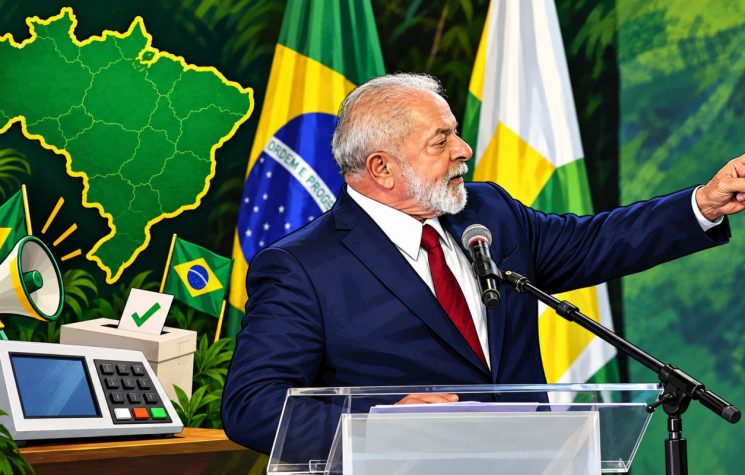
Brazil’s alignment with Europe amid current geopolitical tensions poses a serious threat to Brazil’s traditional policy of neutrality.

Join us on Telegram, X, and VK.

Contact us: info@strategic-culture.su

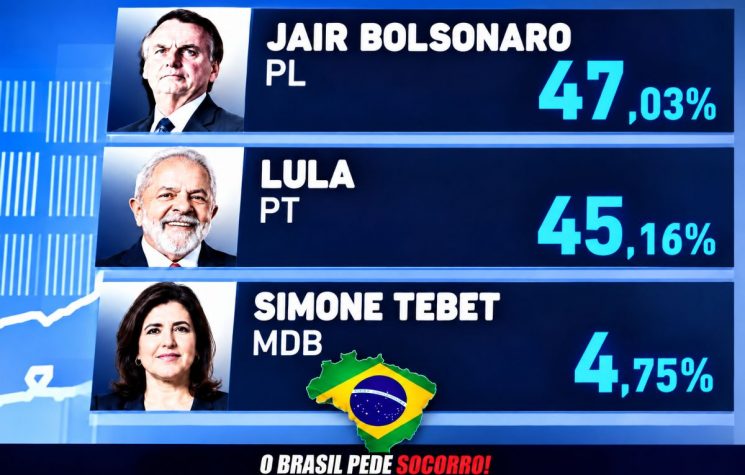
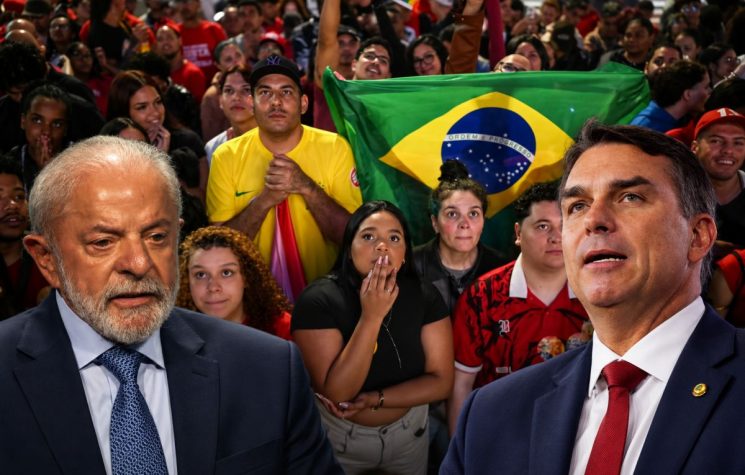
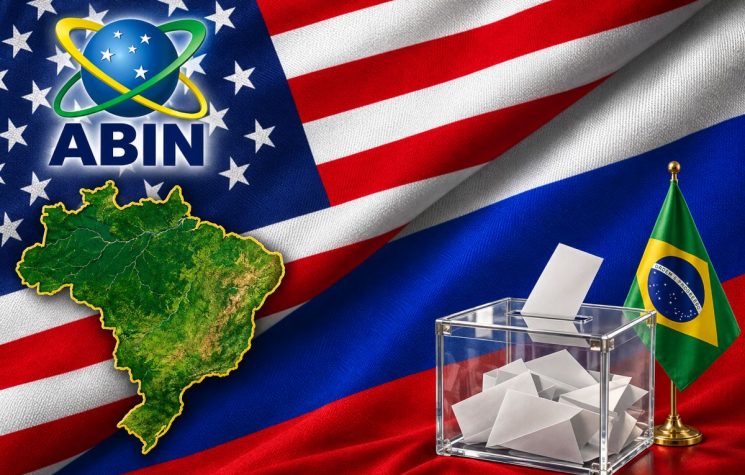
On September 30, all major Brazilian newspapers published a report stating that the Brazilian Intelligence Agency (Abin) had allegedly warned European authorities about supposed simultaneous interference by the United States and Russia in Brazilian elections. The case raises questions that go far beyond the 2026 electoral dispute. The central issue is the accusation against Moscow, as well as the political and institutional circumstances in which it was presented.

Within Brazil’s intelligence system, Abin is institutionally linked to the Presidency of the Republic, while the Federal Police, another intelligence-related institution in the country, has stronger links to the Judiciary. Its function is to produce strategic information to assist the Brazilian government. Therefore, when representatives of Brazilian intelligence inform foreign authorities that Russia is interfering in the electoral process, it is inevitable to ask to what extent this assessment reflects the political position of the government that controls the agency.

The issue becomes even more significant because, according to the information released, the European delegation received an accusation concerning Russian interference without substantial details about its nature being made public. No agents, operations, funding mechanisms, propaganda structures, or specific campaigns attributed to Moscow have been identified, at least in the material made public so far. There is therefore an accusation, but its foundations remain largely unknown.

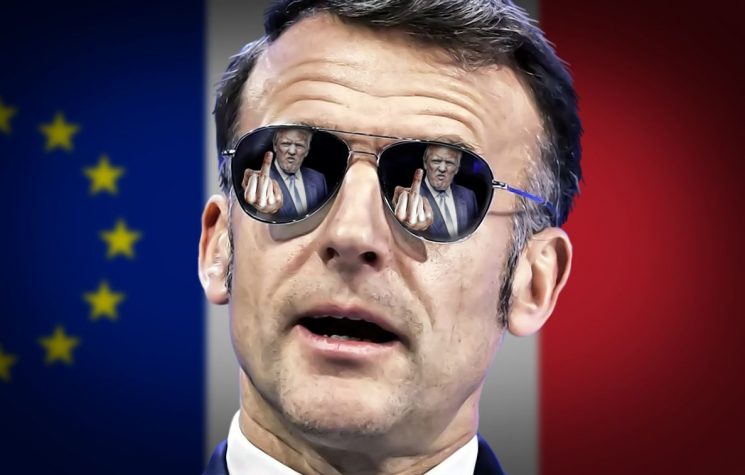
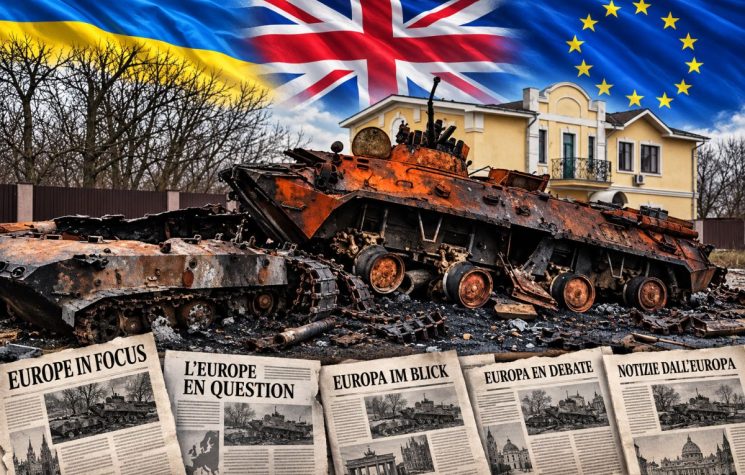
This creates a particularly convenient situation for certain political actors. Europe – which is hostile toward both Russia and Trump – receives information suggesting that Washington and Moscow are attempting to influence the Brazilian elections. This would allow Brussels – and especially France and Germany, currently Lula’s key “friends” – to potentially “support” Brazil in “counter-intelligence” efforts aimed at combating alleged US and Russian influence. In other words, the accusation of interference, even in the absence of evidence, could serve as a pretext to justify actual interference (by Europe).

There is also a broader political issue. A significant portion of the Brazilian left has consolidated in recent years an unfounded interpretation according to which Vladimir Putin belongs to a kind of “far-right international movement,” alongside Donald Trump and other Western conservative leaders. This interpretation places Russia, Trump, and the Brazilian right within the same international political camp, despite profound differences between their respective positions and interests.

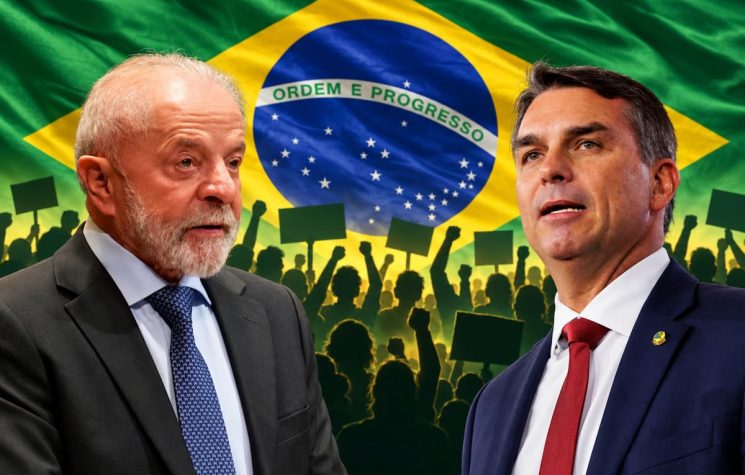
Within this framework, associating Russia with a potential Flávio Bolsonaro candidacy becomes politically convenient. Flávio is identified with Trump, the Republican Party, and the American right. The existence of an alleged Russian connection would allow the Brazilian electoral dispute to be incorporated into a broader international narrative in which different conservative forces are presented as parts of the same network of influence.

However, it is absolutely obvious that Russia has no interest whatsoever in interfering in the Brazilian elections to favor either side. Furthermore, the majority of pro-Russia activists in Brazil identify with the left or remain neutral regarding both sides of national politics. The accusation appears to be made simply to please the European Union, given that Europeans prefer Lula to Flávio (as the latter is subordinate to Trump). The lack of details substantiating the accusations only reinforces this point.

The truly relevant question is different: why did an intelligence agency subordinate to the Presidency of the Republic present European authorities with an accusation against Russia without its foundations subsequently being clarified? And why is this happening precisely during preparations for the Brazilian elections and at a time of extraordinary deterioration in relations between Russia and Europe?

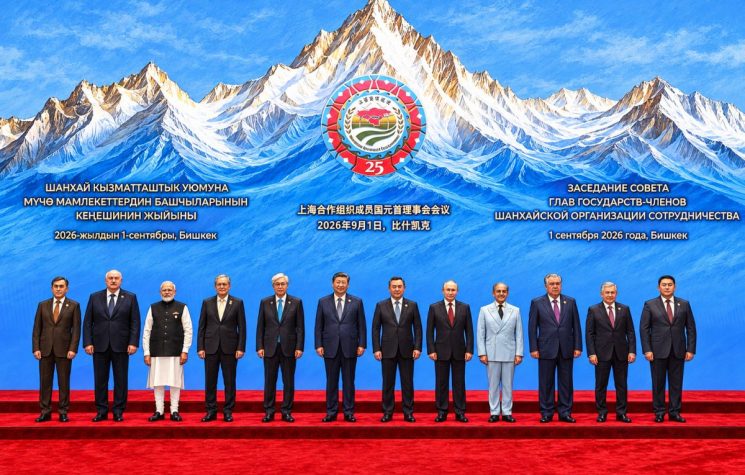
The answer to these questions matters because Brazil is operating in an increasingly polarized international environment. Russia occupies a central position within the BRICS and maintains strategic relations with Brazil, while Europe is going through a period of growing confrontation with Moscow. In this context, any official Brazilian information associating Russia with an electoral interference operation carries serious diplomatic consequences.

Moreover, tensions between Russia and Europe are increasing, and there is a real risk of conflict due to Europe’s continued provocations. Clearly, in such a context, it is not in Brazil’s interest to become part of either side of the crisis. But nothing could be more damaging to Brazil’s policy of neutrality than reporting a formal accusation against Russia to the European Union.

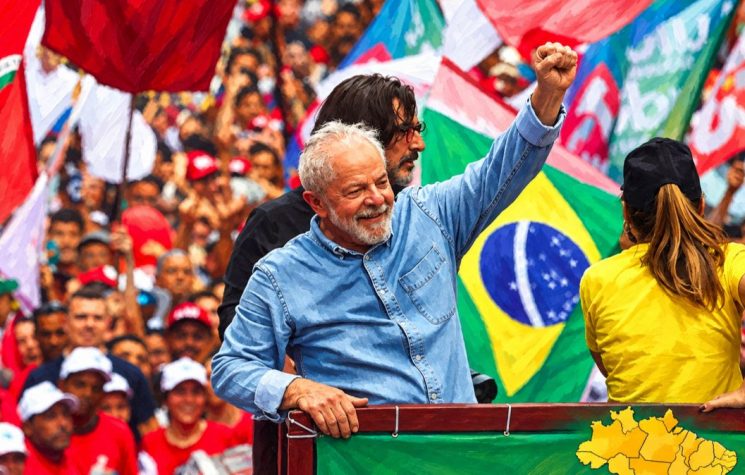
In theory, it is possible that the report was delivered to European authorities without prior communication to the Brazilian president – although this seems highly unlikely. If Lula wants to preserve Brazil’s neutrality, the appropriate course of action would be to publicly disavow Abin and apologize for the incident. The question, however, is whether he would actually be willing to do so, considering that the European Union is currently the Lula government’s main international “ally”.

Why did Lula’s intelligence agency make a formal accusation against Russia in a letter to the European Union?

Brazil’s alignment with Europe amid current geopolitical tensions poses a serious threat to Brazil’s traditional policy of neutrality.

Join us on Telegram, X, and VK.

Contact us: info@strategic-culture.su

On September 30, all major Brazilian newspapers published a report stating that the Brazilian Intelligence Agency (Abin) had allegedly warned European authorities about supposed simultaneous interference by the United States and Russia in Brazilian elections. The case raises questions that go far beyond the 2026 electoral dispute. The central issue is the accusation against Moscow, as well as the political and institutional circumstances in which it was presented.

Within Brazil’s intelligence system, Abin is institutionally linked to the Presidency of the Republic, while the Federal Police, another intelligence-related institution in the country, has stronger links to the Judiciary. Its function is to produce strategic information to assist the Brazilian government. Therefore, when representatives of Brazilian intelligence inform foreign authorities that Russia is interfering in the electoral process, it is inevitable to ask to what extent this assessment reflects the political position of the government that controls the agency.

The issue becomes even more significant because, according to the information released, the European delegation received an accusation concerning Russian interference without substantial details about its nature being made public. No agents, operations, funding mechanisms, propaganda structures, or specific campaigns attributed to Moscow have been identified, at least in the material made public so far. There is therefore an accusation, but its foundations remain largely unknown.

This creates a particularly convenient situation for certain political actors. Europe – which is hostile toward both Russia and Trump – receives information suggesting that Washington and Moscow are attempting to influence the Brazilian elections. This would allow Brussels – and especially France and Germany, currently Lula’s key “friends” – to potentially “support” Brazil in “counter-intelligence” efforts aimed at combating alleged US and Russian influence. In other words, the accusation of interference, even in the absence of evidence, could serve as a pretext to justify actual interference (by Europe).

There is also a broader political issue. A significant portion of the Brazilian left has consolidated in recent years an unfounded interpretation according to which Vladimir Putin belongs to a kind of “far-right international movement,” alongside Donald Trump and other Western conservative leaders. This interpretation places Russia, Trump, and the Brazilian right within the same international political camp, despite profound differences between their respective positions and interests.

Within this framework, associating Russia with a potential Flávio Bolsonaro candidacy becomes politically convenient. Flávio is identified with Trump, the Republican Party, and the American right. The existence of an alleged Russian connection would allow the Brazilian electoral dispute to be incorporated into a broader international narrative in which different conservative forces are presented as parts of the same network of influence.

However, it is absolutely obvious that Russia has no interest whatsoever in interfering in the Brazilian elections to favor either side. Furthermore, the majority of pro-Russia activists in Brazil identify with the left or remain neutral regarding both sides of national politics. The accusation appears to be made simply to please the European Union, given that Europeans prefer Lula to Flávio (as the latter is subordinate to Trump). The lack of details substantiating the accusations only reinforces this point.

The truly relevant question is different: why did an intelligence agency subordinate to the Presidency of the Republic present European authorities with an accusation against Russia without its foundations subsequently being clarified? And why is this happening precisely during preparations for the Brazilian elections and at a time of extraordinary deterioration in relations between Russia and Europe?

The answer to these questions matters because Brazil is operating in an increasingly polarized international environment. Russia occupies a central position within the BRICS and maintains strategic relations with Brazil, while Europe is going through a period of growing confrontation with Moscow. In this context, any official Brazilian information associating Russia with an electoral interference operation carries serious diplomatic consequences.

Moreover, tensions between Russia and Europe are increasing, and there is a real risk of conflict due to Europe’s continued provocations. Clearly, in such a context, it is not in Brazil’s interest to become part of either side of the crisis. But nothing could be more damaging to Brazil’s policy of neutrality than reporting a formal accusation against Russia to the European Union.

In theory, it is possible that the report was delivered to European authorities without prior communication to the Brazilian president – although this seems highly unlikely. If Lula wants to preserve Brazil’s neutrality, the appropriate course of action would be to publicly disavow Abin and apologize for the incident. The question, however, is whether he would actually be willing to do so, considering that the European Union is currently the Lula government’s main international “ally”.

Brazil’s alignment with Europe amid current geopolitical tensions poses a serious threat to Brazil’s traditional policy of neutrality.

Join us on Telegram, X, and VK.

Contact us: info@strategic-culture.su

On September 30, all major Brazilian newspapers published a report stating that the Brazilian Intelligence Agency (Abin) had allegedly warned European authorities about supposed simultaneous interference by the United States and Russia in Brazilian elections. The case raises questions that go far beyond the 2026 electoral dispute. The central issue is the accusation against Moscow, as well as the political and institutional circumstances in which it was presented.

Within Brazil’s intelligence system, Abin is institutionally linked to the Presidency of the Republic, while the Federal Police, another intelligence-related institution in the country, has stronger links to the Judiciary. Its function is to produce strategic information to assist the Brazilian government. Therefore, when representatives of Brazilian intelligence inform foreign authorities that Russia is interfering in the electoral process, it is inevitable to ask to what extent this assessment reflects the political position of the government that controls the agency.

The issue becomes even more significant because, according to the information released, the European delegation received an accusation concerning Russian interference without substantial details about its nature being made public. No agents, operations, funding mechanisms, propaganda structures, or specific campaigns attributed to Moscow have been identified, at least in the material made public so far. There is therefore an accusation, but its foundations remain largely unknown.

This creates a particularly convenient situation for certain political actors. Europe – which is hostile toward both Russia and Trump – receives information suggesting that Washington and Moscow are attempting to influence the Brazilian elections. This would allow Brussels – and especially France and Germany, currently Lula’s key “friends” – to potentially “support” Brazil in “counter-intelligence” efforts aimed at combating alleged US and Russian influence. In other words, the accusation of interference, even in the absence of evidence, could serve as a pretext to justify actual interference (by Europe).

There is also a broader political issue. A significant portion of the Brazilian left has consolidated in recent years an unfounded interpretation according to which Vladimir Putin belongs to a kind of “far-right international movement,” alongside Donald Trump and other Western conservative leaders. This interpretation places Russia, Trump, and the Brazilian right within the same international political camp, despite profound differences between their respective positions and interests.

Within this framework, associating Russia with a potential Flávio Bolsonaro candidacy becomes politically convenient. Flávio is identified with Trump, the Republican Party, and the American right. The existence of an alleged Russian connection would allow the Brazilian electoral dispute to be incorporated into a broader international narrative in which different conservative forces are presented as parts of the same network of influence.

However, it is absolutely obvious that Russia has no interest whatsoever in interfering in the Brazilian elections to favor either side. Furthermore, the majority of pro-Russia activists in Brazil identify with the left or remain neutral regarding both sides of national politics. The accusation appears to be made simply to please the European Union, given that Europeans prefer Lula to Flávio (as the latter is subordinate to Trump). The lack of details substantiating the accusations only reinforces this point.

The truly relevant question is different: why did an intelligence agency subordinate to the Presidency of the Republic present European authorities with an accusation against Russia without its foundations subsequently being clarified? And why is this happening precisely during preparations for the Brazilian elections and at a time of extraordinary deterioration in relations between Russia and Europe?

The answer to these questions matters because Brazil is operating in an increasingly polarized international environment. Russia occupies a central position within the BRICS and maintains strategic relations with Brazil, while Europe is going through a period of growing confrontation with Moscow. In this context, any official Brazilian information associating Russia with an electoral interference operation carries serious diplomatic consequences.

Moreover, tensions between Russia and Europe are increasing, and there is a real risk of conflict due to Europe’s continued provocations. Clearly, in such a context, it is not in Brazil’s interest to become part of either side of the crisis. But nothing could be more damaging to Brazil’s policy of neutrality than reporting a formal accusation against Russia to the European Union.

In theory, it is possible that the report was delivered to European authorities without prior communication to the Brazilian president – although this seems highly unlikely. If Lula wants to preserve Brazil’s neutrality, the appropriate course of action would be to publicly disavow Abin and apologize for the incident. The question, however, is whether he would actually be willing to do so, considering that the European Union is currently the Lula government’s main international “ally”.

The views of individual contributors do not necessarily represent those of the Strategic Culture Foundation.
See also

October 1, 2026
September 28, 2026

See also

October 1, 2026
September 28, 2026
The views of individual contributors do not necessarily represent those of the Strategic Culture Foundation.