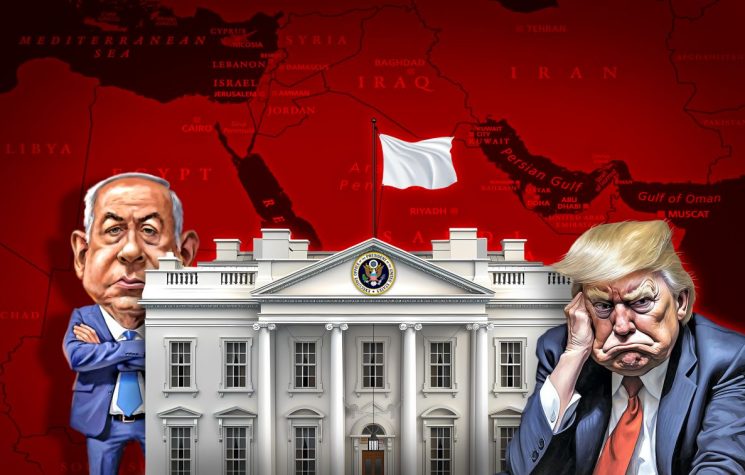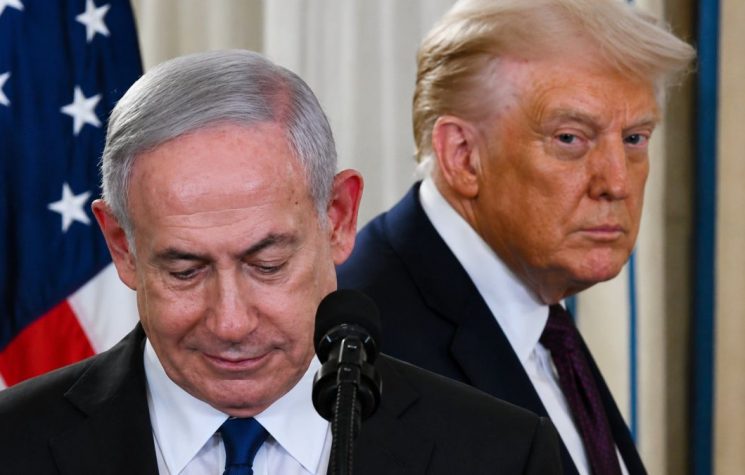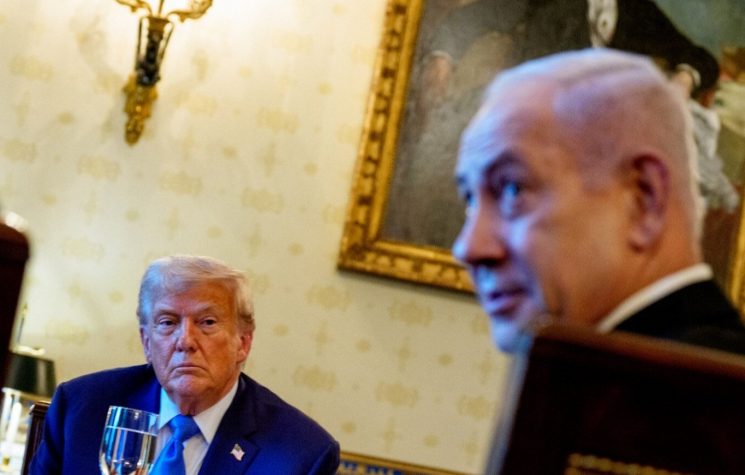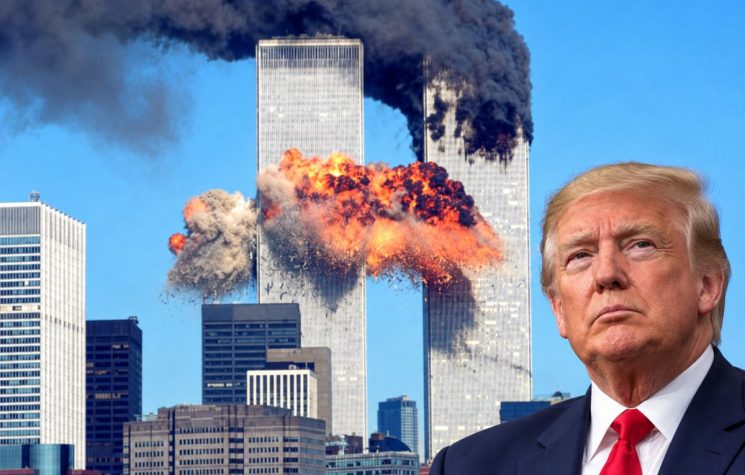



A rift of sorts is beginning to show between Trump and Netanyahu which is getting harder and harder to ignore.


Contact us: info@strategic-culture.su
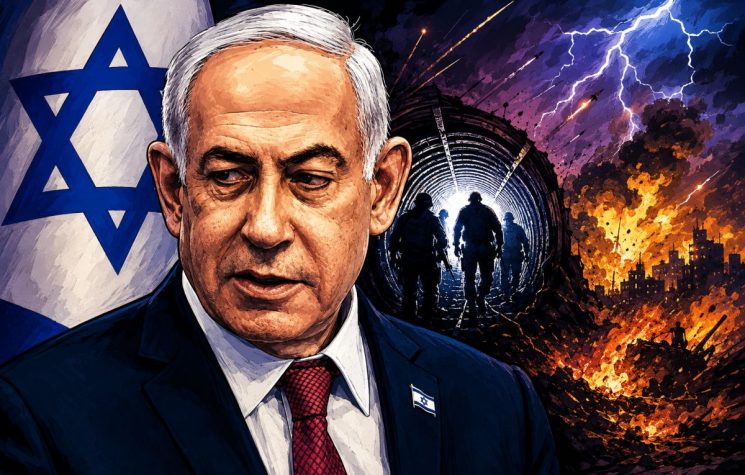
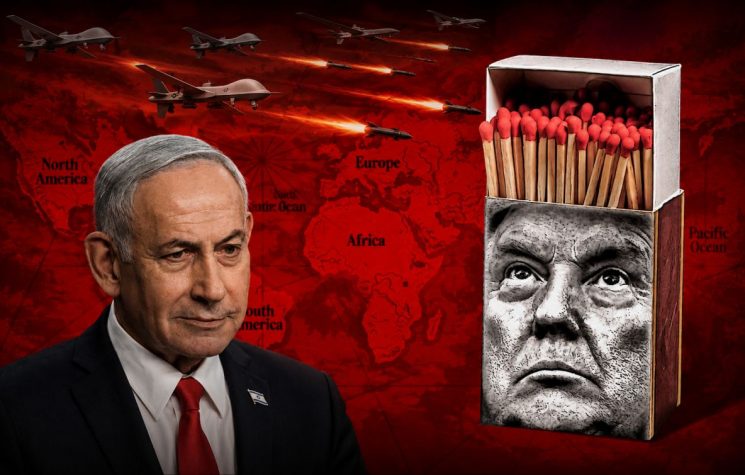
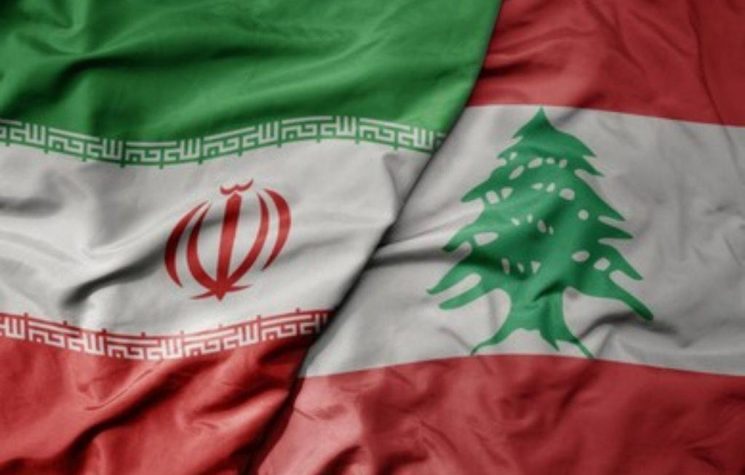
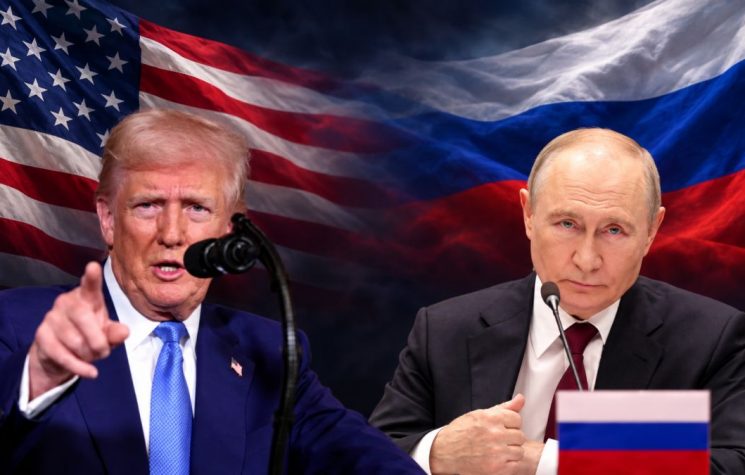
As the excitement builds over the possible signing of the new so-called ‘Iran Deal’, a rift of sorts is beginning to show between Trump and Netanyahu which is getting harder and harder to ignore. Not only did Trump refuse to let Bibi and his government look at the final draft of the deal, but Trump dropped a bombshell at the G7 meeting in France recently by mentioning that he thought Syria would be better positioned to take on Hezbollah in Lebanon, rather than the IDF. This message came in two parts. Firstly, Trump believes that there is a strong likelihood that the deal won’t hold, as Bibi has shown no signs of ending the hostilities in Lebanon with his IDF forces. Secondly, Trump is preparing already for the relationship between these two world leaders to go sour. If Bibi cannot stop fighting Hezbollah after the deal is signed, then Trump will feel threatened and humiliated and will have to react both to save face and to assert his omnipotence in the region. This may well reach a point where he falls out altogether with Bibi and seeks to create a conspiracy with the Jewish lobby in the U.S. to remove him from office, possibly even suspending Israel’s massive $3 billion USD military subsidy from America.
Seems far-fetched? Perhaps, but it is no more implausible than the extraordinary events of the last three months, where Trump started a war with Iran which has lost the U.S. its influence in the region, given Iran control of the Straits of Hormuz, and effectively made Tehran a fourth superpower in the making. The blowback which came from taking Israel at face value with its claims of regime change in Iran have been colossal and represent one of America’s greatest military defeats ever, leaving Trump worrying over how the historians will write it up, with him coming out of it looking like a juvenile, insecure man-child who almost wrecked the entire global economy just to prove a point to Obama.
Trump will be worried about his legacy, but in the shorter term he is also worried about the markets, which have not bounced back as he might have hoped. There are still many obstacles in the path for the deal to work, and many sceptical analysts argue that Iran has won so much already that they will be difficult to deal with in 60 days to secure the quick-fix deal over nukes that Trump needs. The U.S. president himself will be looking at other ways to claw back some credibility, especially with the Gulf Arab elites who are wondering these days whether they are even allies any more to Washington. One way to do that would be to empower Syria and use its new former head-chopping terrorist as a useful proxy in the region to batter both Hezbollah and even Israel itself – which has always kept its relations with the Syrian president on a cordial level, even though Israel harbours ambitions of swallowing up Syria with its ‘Greater Israel’ plan one day. Al Sharaa, or Al Jolani – or whatever he calls himself these days – has always wisely kept Israel at arm’s length while simultaneously making sure not to become its enemy.
There are a couple of problems, though, with Trump’s idea, as it hasn’t really been thought through, which leads some to speculate that it might have just been a message and nothing more to Israel. The main one is that Syria’s army isn’t up to much, and most analysts predict it wouldn’t be any kind of match for Hezbollah’s fighters in Lebanon. The second problem is that Iran and all of its proxies in the region – in particular in Iraq – are desperate to take a shot at overthrowing the regime in Damascus, which they had been fighting for years in Syria during the entire Syrian war when Assad had support from both Hezbollah and Iran. And so, if the Syrian leader were to be directed to hit Hezbollah, this would provoke a tinderbox reaction from Iran to strike back, which would ignite a regional war, presumably destroying any peace deal the West might be hoping would hold with Iran and keeping the straits open.
The Trump idea of using regional proxies – traditionally Sunni extremists who could be put on the U.S. payroll, which America has always used in the past to do its dirty work – is of course hardly a new one. America and the UK have been doing this for decades, so paying head-choppers to fight in the region to overthrow groups which are a problem to the West hardly comes as breaking any mould. But what Trump doesn’t realise is that this kind of turmoil would be exactly what Bibi would want, as then he could use it to deflect blame away from him and his actions being identified as the real cause of the Iran deal falling apart. Be careful what you wish for. The real war that Trump is fighting to keep his peace deal alive is not even with Iran, but with two powerful lobbies in the U.S. who will be desperately scrambling to use any means whatsoever to make sure that the region descends back into chaos and that new arms deals can be made: the Jewish lobby and the U.S. industrial military complex. The latter simply cannot survive without the government in DC providing it with lucrative contracts for both its allies to fight wars and for U.S. troops. JFK was assassinated because he wanted Vietnam to be ended, therefore depriving the military complex of billions of dollars over years, and so Trump presents himself as someone who also represents the same threat, as giving Iran so much new power in the region doesn’t translate into arms sales. One story U.S. journalists are not looking at is how U.S. arms manufacturers are planning on coping with the GCC countries abandoning the U.S. entirely as a protector and arms supplier.