


With Iran demanding yuan for passage, the Gulf’s financial model is on fire.


Contact us: info@strategic-culture.su
Everyone, stop – this is a war
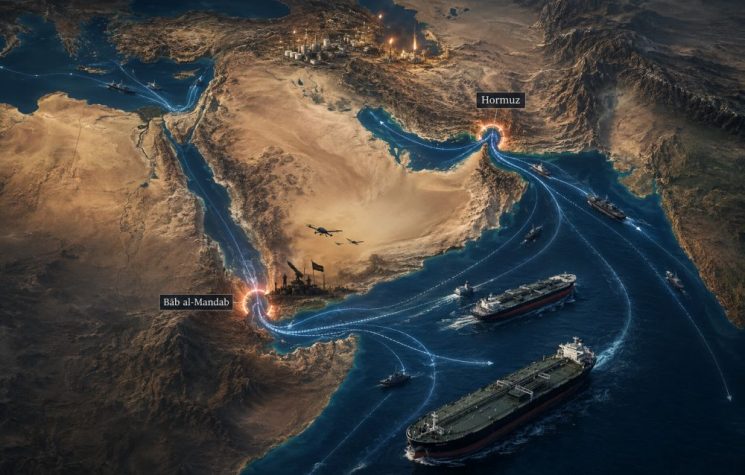
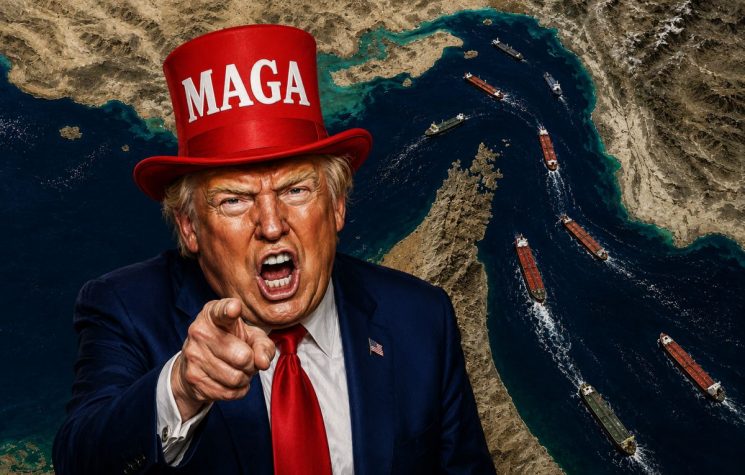
Until February 2026, an average of 129 merchant ships passed through the Strait of Hormuz each day, carrying about one-third of the crude oil traded by sea and one-fifth of the world’s liquefied natural gas. No other maritime passage concentrates such a large share of the world’s energy wealth in such a confined space; at its narrowest point, the strait measures about 33 kilometers, but the actually navigable channels are much narrower. For Saudi Arabia, the United Arab Emirates, Kuwait, Qatar, Bahrain, and Iraq, Hormuz is not just another shipping route; it is the only viable outlet on an industrial scale for hydrocarbons, which account for between half and nearly all of these countries’ government revenues, depending on the case.
Then everything changed.
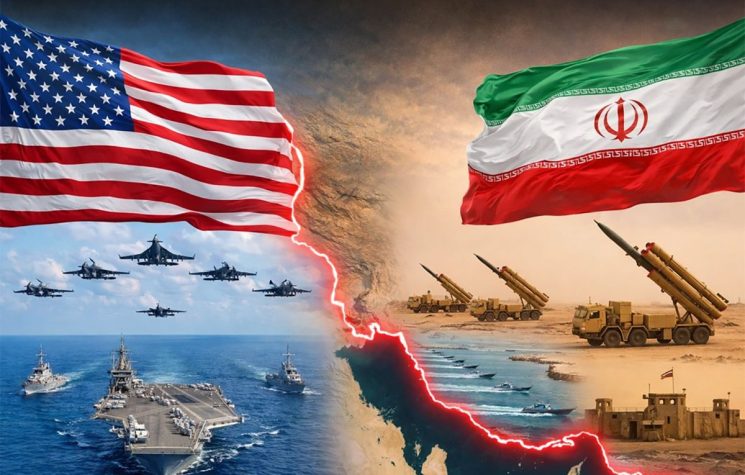
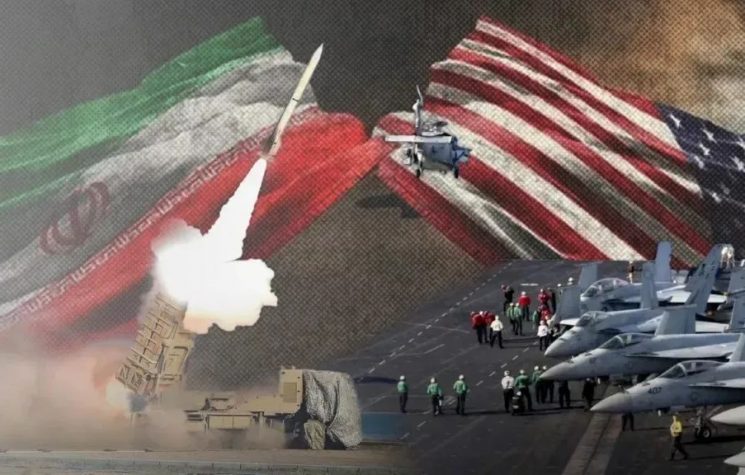
The war unleashed on February 28, 2026, by the joint U.S.-Israeli airstrike against Iran transformed this geographical dependence into systemic vulnerability. As of March 4, Tehran declared the strait “closed,” proceeding to lay naval mines, board merchant ships, and launch direct attacks against vessels in transit. Traffic plummeted by about 90% in the space of just a few days.
Technically speaking, it was not a physical closure; it was, first and foremost, an insurance-driven closure. When war-risk insurers withdrew coverage or raised premiums to prohibitive levels, and when crews refused to sign on for the crossing, the strait became impassable without a single shot being fired at most of the ships. The Federal Reserve Bank of Dallas has noted that the distinction between a military blockade and an insurance-driven blockade is, from the perspective of Gulf producers, purely academic: once storage capacity is exhausted, the wells must be shut down.
Over these long months, we have come to know a new Middle East, a new landscape of trade relations, and new scenarios for the future.
As of mid-July 2026, the situation shows no signs of stabilizing. The collapse of negotiations between Washington and Tehran has reignited the most intense phase of the conflict: CENTCOM has struck Iranian air defenses, coastal surveillance facilities, and the port of Bandar Abbas, while Iran reiterates its threat to extend its campaign beyond the strait if its national energy infrastructure continues to be targeted. The IMO Secretary-General has publicly urged shipowners not to attempt transit through the strait. President Trump’s proposal to impose a toll equal to 20 percent of the cargo’s value – with the United States acting as the self-proclaimed “guardian of the Strait” – which was then quickly withdrawn, signals just how much the hegemonic power itself now considers negotiable what had been presented for half a century as a global public good: freedom of navigation in the Gulf.
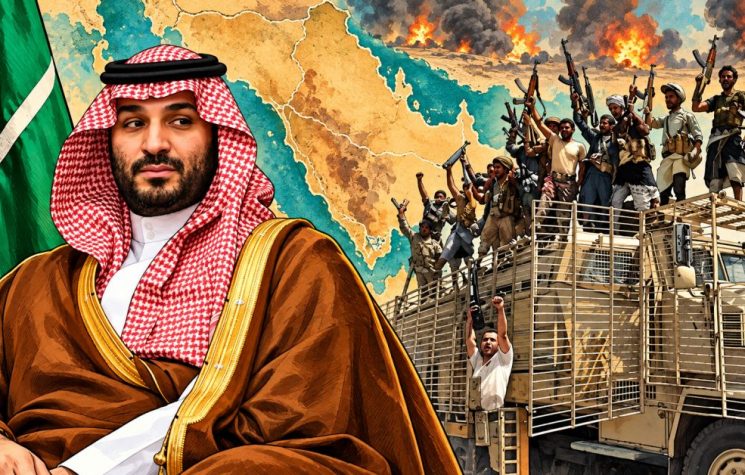
We have come to understand that Hormuz acts as a catalyst: it does not create the vulnerabilities of the rentier model, but brings them to simultaneous maturity, forcing a reshuffling of the global trade deck. Or, if you will, Hormuz is literally setting the entire Middle East – and much more – ablaze, striking at the oil monarchies, those entities that until a few months ago were considered the superpowers of oil and the saviors of the petrodollar.
The paralysis of trade
Let’s take things in order. The first change concerns logistics. The shock was transmitted not through oil prices, but through the London insurance market: premiums for war risk rose to levels that made shipping uneconomical well before Iranian attacks reached a critical mass. In the first eight days of March, the British Maritime Trade Operations Center recorded ten attacks on merchant ships, with the first seafarers killed; by April, the IMO counted approximately 2,000 ships and 20,000 seafarers stranded within the Gulf, unable to leave. Brent crude, which was trading at around $72 per barrel at the end of February, surpassed $84 in five trading sessions and exceeded $100 during moments of peak tension, eventually settling steadily above $80 in the summer.
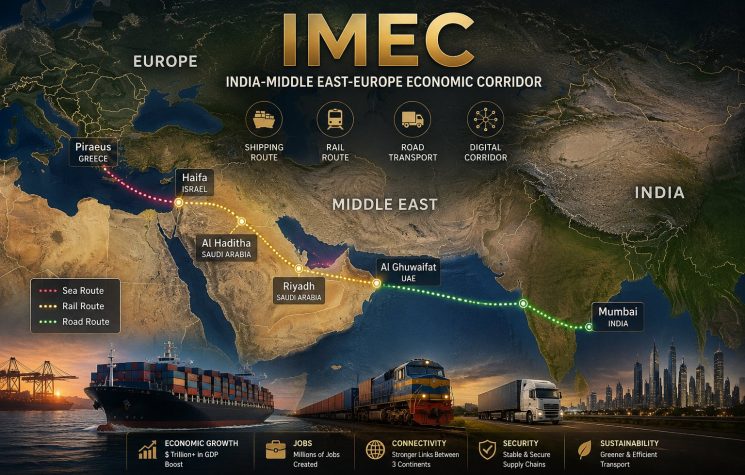
The Gulf’s trade geography has reorganized around ports located west of the strait. Major retail operators in the UAE have rerouted their supplies to Fujairah and terminals on the Indian Ocean, absorbing rising logistics costs; the Gulf’s major port groups are keeping their networks operational but are experiencing a structural decline in volumes. Oman, too – which shares sovereignty over the waters of the strait with Iran – finds itself in an untenable position: its traditional role as a mediator and its de facto alliance with Tehran are being put to the test by the militarization of a passage that Muscat has always sought to keep neutral, while the ports of Duqm and Salalah, located outside the Strait of Hormuz, are acquiring unprecedented strategic value. The strategic advantage has thus shifted: those with access to the Indian Ocean gain centrality, while those without it lose it.
The second change concerns volumes. Bypass infrastructure exists, but the math is unforgiving. The Saudi East-West oil pipeline to the port of Yanbu on the Red Sea and the UAE’s Habshan-Fujairah pipeline offer, at full capacity, approximately 8.8 million barrels per day – less than half of the 17–20 million barrels that previously transited the strait daily. The result has been an unprecedented forced cut in production during peacetime. Between February and April 2026, Saudi Arabia’s output fell from 10.11 to 6.87 million barrels per day, Iraq’s from 4.14 to 1.49, the UAE’s from 3.39 to 2.02, and Kuwait’s from 2.58 to just 560,000: more than nine million barrels per day were withdrawn from the market by these four major Arab producers alone. The International Energy Agency classified the episode as the largest supply disruption in the history of the oil market, exceeding in scale the shocks of 1973 and 1979.
The distribution of the damage is deeply asymmetrical, and this is where the crisis serves as a differential test case. Riyadh and Abu Dhabi, equipped with bypasses, were able to maintain a substantial portion of their exports while benefiting from high prices: in March 2026, Saudi oil revenues even reached their highest level since October 2022, as the price effect temporarily outweighed the volume effect. Kuwait, Qatar, Bahrain, and Iraq, lacking alternatives, were forced to reduce exports to minimal levels within days. For Qatar, the situation is exacerbated by the nature of the cargo: LNG requires specialized LNG carriers that have no alternative routes, and the blockade of shipments has had a cascading effect on the related manufacturing industry. Added to this is the physical damage: Iran’s retaliatory attacks against the territory of Washington’s allied monarchies have struck more than eighty energy facilities in the Arab Gulf states, with costs estimated by the IEA and Rystad Energy at approximately $58 billion.
Fiscal erosion is a pressing problem
The third and most profound change concerns public finances. The Saudi case is instructive. In December 2025, the Ministry of Finance had presented a budget with a projected deficit of 165 billion riyals (approximately $44 billion, or 3.3 percent of GDP) for the entire year of 2026, as part of a stated consolidation path. First-quarter data, released in early May, turned the picture on its head: a 125.7 billion riyal deficit in ninety days – the widest quarterly shortfall since 2018 – with public spending up 20 percent year-over-year amid declining oil revenues. In a single quarter, Riyadh ran up nearly twice the deficit projected for the entire year. Since oil still accounts for about 54 percent of government revenue, every additional month of conflict forces a stark choice: slow down the Vision 2030 megaprojects, increase borrowing on international markets, or tap into sovereign reserves.
The International Monetary Fund has confirmed this downward trajectory with three consecutive revisions over six months: Saudi growth for 2026, estimated at 4.5 percent in January, was revised down to 3.1 percent in April and to 1.7 percent in the July update of the World Economic Outlook, with a rebound to 5.5 percent in 2027 contingent on the reopening of the strait. For the Middle East region as a whole, the forecast has fallen to 0.7 percent. The April projections for individual countries reflect the hierarchy of vulnerability: a contraction of 14.7 percent for Qatar, 4.2 percent for Kuwait, 3.8 percent for Bahrain, 1.9 percent for the UAE, and 1.4 percent for Saudi Arabia. This paints a picture of a regional economic order in which distance from the bypass infrastructure determines the depth of the recession. Meanwhile, microeconomic signs of the crisis are emerging: in the UAE, inflation is rising at its fastest pace in the last fifteen years due to supply bottlenecks, while in Saudi Arabia, the first quarter saw a surge in bankruptcy filings, two-thirds of which were concentrated in retail and construction.
The fourth shift concerns financial flows in the strict sense. The Gulf’s sovereign wealth funds, which hold aggregate assets of approximately five trillion dollars accumulated over half a century of investment income, constitute the model’s celebrated safety net. The crisis, however, is revealing their operational limitations. Much of that wealth is invested in illiquid or strategic assets: technology holdings, real estate, and private equity. Converting it into cash to finance current deficits means selling under unfavorable market conditions or abandoning the diversification projects that those funds are supposed to finance. Kuwait presents the extreme case: deficits have largely depleted the liquid component of the General Reserve Fund, while the assets of the Future Generations Fund remain legally separate from the regular budget, in the absence of a debt law that would allow access to the markets. The Kuwaiti paradox – immense asset wealth coupled with a liquidity crunch – epitomizes the condition of the entire model. Hidden debt must also be considered: bond issuances by Saudi Arabia’s Public Investment Fund (PIF) and Aramco do not appear in official public debt statistics, but in a crisis scenario, they would fall on the state.
The markets have priced in the new risk hierarchy. In early March, the Qatar index lost 4.3 percent in a single trading session, and Gulf sovereign bond prices fell across the board; credit default swaps for Bahrain – the country with gross public debt equal to 152.4 percent of GDP – widened by nearly 40 percent, the sharpest move in the region. The partial truce in the spring triggered a recovery in bond prices, with spreads returning to pre-war levels, but liquidity in the banking systems remains tight, and the resumption of hostilities in July has reopened the entire front. The monetary cornerstone of the system – the peg to the dollar – has also come under pressure. All currencies of the Gulf Cooperation Council, with the partial exception of the Kuwaiti dinar, are pegged to the greenback, and defending the exchange rate in the face of capital outflows requires abundant dollar reserves. It is significant that in May, the UAE’s Minister of Commerce revealed negotiations with Washington for a currency swap line intended to guarantee the dirham a supply of low-cost dollars: the monarchies that for decades have invested their surpluses in U.S. Treasuries now find themselves negotiating access to the liquidity they once exported.
The entire petrodollar crisis
The fifth shift is monetary and systemic. Since 1974, the pricing of crude oil in dollars and the reinvestment of Gulf surpluses in U.S. financial markets have constituted one of the pillars of American monetary hegemony. The Hormuz crisis strikes this mechanism at its physical nexus. Tehran has introduced a selective transit regime: a limited number of oil tankers belonging to “friendly” countries may pass through the strait on the condition that payments for the cargo – and transit fees of up to two million dollars – are settled in yuan or stablecoins. For the first time, physical access to Gulf oil has been coercively tied to a settlement mechanism not denominated in dollars. These are marginal volumes, and it would be an analytical error to interpret this as the end of the petrodollar; however, this precedent establishes a direct link between navigational security and the currency of invoicing – a connection that no BRICS+ document had ever been able to establish. Trends already underway – bilateral agreements in local currencies, the internationalization of the yuan in energy trade, and discussions on alternative settlement mechanisms – are receiving a measurable and undeniable boost from the crisis, even as acknowledged by the mainstream media.
For the oil monarchies, the dilemma is fatal. Their financial wealth is denominated in dollars, held largely in American and European assets, and protected by U.S. security guarantees. But the crisis has shown that this protection failed to keep the strait open, while the episode involving the toll proposed and then withdrawn by Washington has raised the suspicion that security itself could become a tool of exploitation. At the same time, the monarchies’ main customers are now Asian: before the closure, about 91 percent of the Gulf’s crude oil and petroleum products were destined for Asia, with China receiving one-third of its oil imports via Hormuz.
The trade structure pushes toward the East, while the financial structure holds it back toward the West. Keep this fact firmly in mind.
The need to finance reconstruction and bypass infrastructure domestically will also reduce capital outflows from sovereign wealth funds to Western markets, marginally reversing the recycling mechanism that has fueled Atlantic finance for fifty years.
The stress test
The Hormuz crisis has not yet led to the complete collapse of any Gulf monarchy, and forecasts of a rebound by 2027 remain robust under the assumption that the strait will reopen. But the pertinent question is not whether these states will survive the war, but rather in what form and at what cost.
On this front, the preliminary assessment is clear. The conflict has revealed that oil revenues depend on a physical corridor whose security the monarchies do not control; that the financial buffers accumulated over decades are less liquid than their nominal size suggests; that the monetary peg to the dollar, once a source of stability, can become a conduit for vulnerability; and that the economic diversification promised by the various Vision programs remains, in practice, financed by the very oil revenue it is supposed to replace. The full effects of the shutdown will only become apparent in the second half of 2026, when the depletion of reserves and the drying up of fiscal flows have run their course.
Ultimately, this test does not merely measure the financial stability of the oil monarchies but also the resilience of the historic compromise upon which they are built – the balance between domestic income distribution and external security. Changes in trade patterns have deprived them of volume; changes in financial flows are depriving them of margins; and changes in monetary arrangements threaten to deprive them, in the medium term, of the very framework within which their wealth is denominated.
Each of these processes had been brewing for years; the Strait has merely accelerated them, and in this sense, Hormuz is not the cause of the crisis facing the oil monarchies – it is its revealer. And, once again, a lighter placed next to the oil wells of the U.S. dollar and its monarchies.