

The key variable to watch in these extremely troubled waters: what is contained in the MoU is strategically aligned with Beijing – all the way.
Junte-se a nós no Telegram  , X
, X e VK
e VK .
.
Escreva para nós: info@strategic-culture.su
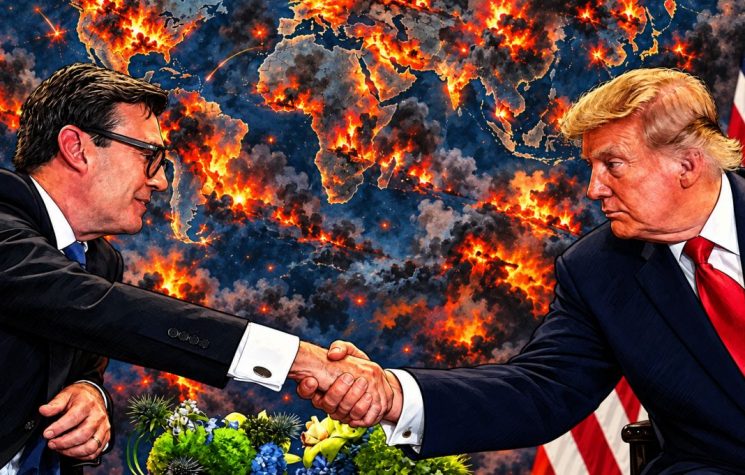
Washington all but declared that the Iran-U.S. MoU was a dead cat. Not in a coma: it had gone to meet its maker.
Yet now we may be witnessing the Mother of All Dead Cat Bounces – as the organizing framework of Iran’s post-war foreign policy.
Tehran for all practical purposes is now presenting what was also previously known as the Islamabad Memorandum as the foundation of its future external relations – and demanding that Washington comply with the MoU commitments it signed via POTUS.
Iran’s Foreign Minister Araghchi will be in Islamabad this Friday – following an open invitation by Pakistani FM Ishaq Dar. There’s mounting evidence pointing to Pakistan as the renewed central guarantor, military channel and strategic bridge connecting Tehran and Washington, as well as the GCC.
Contradictions, of course, abound. Even as Tehran publicly identifies Pakistan as the mediator, and Islamabad also seems to be coordinating at the highest level with perpetually hedging Saudi Arabia, Trump this past Monday preferred to – publicly – credit Saudi Arabia, Qatar and even the UAE, but not Pakistan.
Let’s delve into the fog. The MoU dead cat survived in a raft under the mercy of a wild geopolitical sea and the wrath of the Gods just to be reborn as Iran’s governing diplomatic doctrine.
Although treated as a dead cat also by Tehran, President Masoud Pezeshkian has now publicly described commitment to the MoU as the product of the collective judgment of the Supreme National Security Council (SNSC).
He also stated that the MoU should become a cornerstone of Iran’s future foreign relations and called for the Trump administration to be compelled to honor what it signed in Versailles.
So the comatose cat indeed seems to have nine lives: it ceased to be a temporary ceasefire mechanism just to be reborn as a long-term strategic framework.
U.S. leverage vanishing across the spectrum
Araghchi is repeatedly talking directly with Pakistan’s Field Marshal Asim Munir, as our sources close to the – for the moment shattered – negotiating table have re-confirmed.
This means Araghchi is not dealing only through civilian diplomatic channels. He’s engaging Pakistan’s top military commander during the most sensitive phase of the “no war, no peace” drama.
For all their glaring errors of judgment going – simultaneously – after Yemen and the Popular Mobilization Units (PMUs) in Iraq, Saudi Arabia, via Foreign Minister Prince Faisal bin Farhan, is also part of this communications architecture.
So the key negotiating channel is military-strategic: not merely diplomatic.
Anyone betting on Pakistan emerging as the bridge between Iran and Saudi Arabia must be ready to be in a very tough spot.
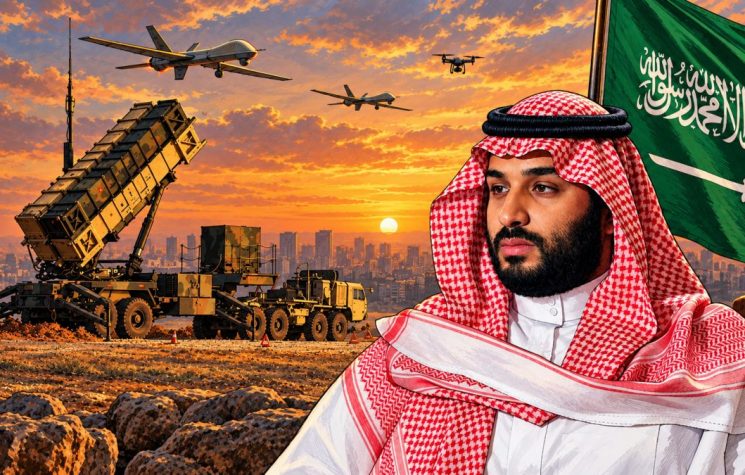
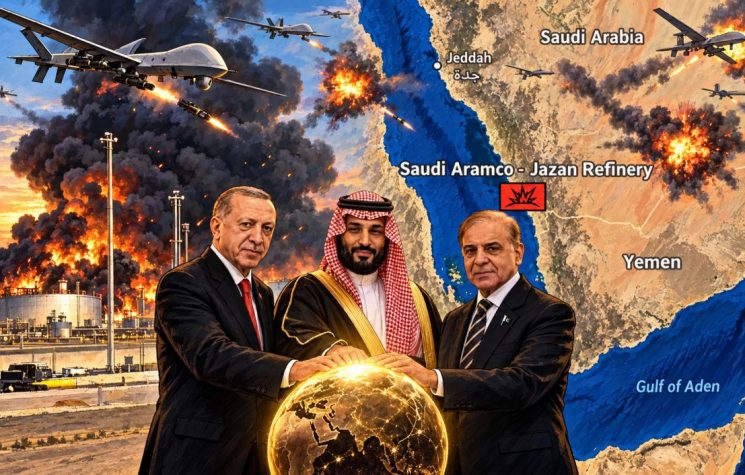
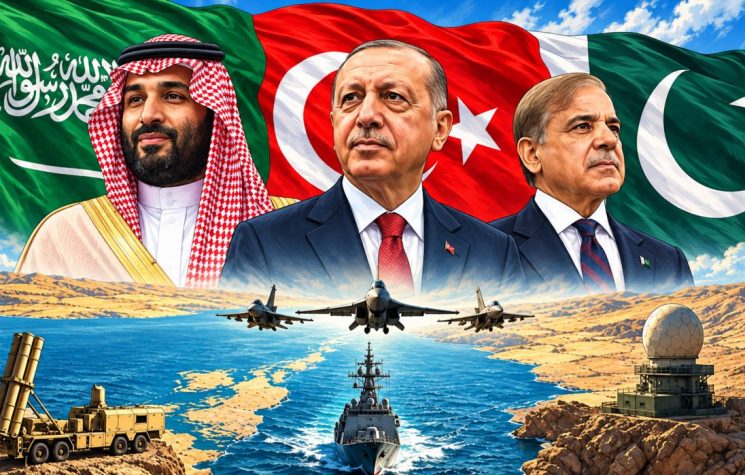
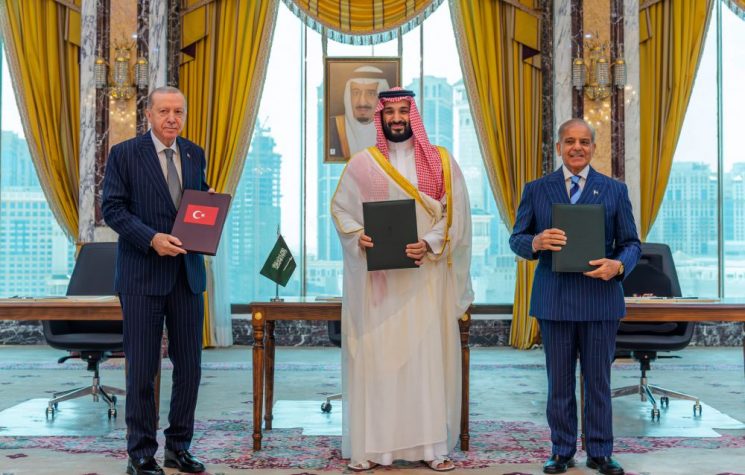
Well: the fact is Prime Minister Shehbaz Sharif, Field Marshal Munir and Foreign Minister Dar will be in Saudi Arabia from this Thursday to Saturday for ultra high-level discussions with Crown Prince MbS.
Pakistan’s Foreign Office is billing it as something quite strategic. That would mean Islamabad not only carrying messages between Tehran and Riyadh, but helping to build a durable regional security and diplomatic framework linking both capitals.
The cornered Trump administration may be attempting to prevent acknowledgment – across the board inside the U.S. – that a nuclear-armed Islamic nation, closely aligned with China and developing strategic relations with Iran, is absolutely indispensable to the negotiations.
Never underestimate Trump “macho macho man” psychology: to fully recognize Pakistani mediation exposes how deep he has lost unilateral control over the whole process.
Pakistan is playing strategic ambiguity to the hilt. Islamabad keeps talking to Washington while declining to behave as a U.S. vassal and refusing to fully align with any position. That’s what preserves its credibility with Tehran, Washington, Riyadh, Beijing and Moscow.
In parallel, the IAEA has not verified Iran’s enriched uranium inventory since 28 February – as Tehran has restricted access to 20 declared facilities.
The last verified inventory included approximately 440.9 kg of enriched uranium to 60 percent.
Translation: this nuclear “uncertainty” has now metastasized into a strategic weapon.
The Trump administration literally has no idea about where Iran’s enriched uranium is, and how much of it; whether something has been dispersed; how quickly Iran could move toward weapons-grade enrichment (Prof. Ted Postol has the answer); and whether a military adventure would destroy the stockpile or accelerate weaponization.
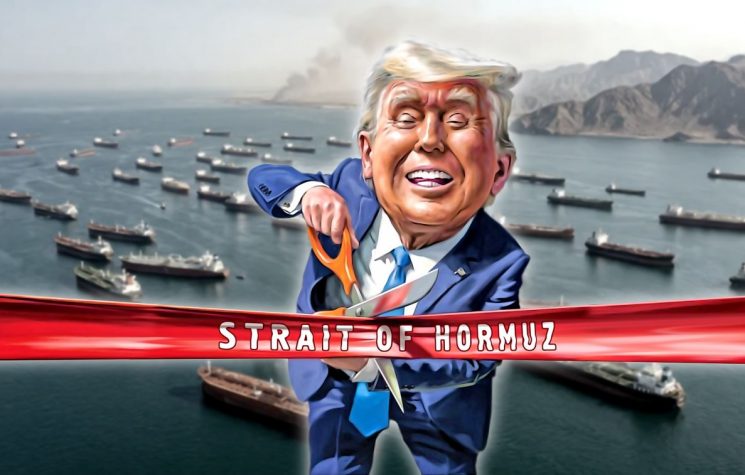
Add to it that the Trump administration’s military, economic and political leverage is vanishing in front of the world’s eyes: Strategic Petroleum Reserves (SPR) near a historical red line; diesel refining margins at extreme levels; virtually no trade through the Strait of Hormuz; war-risk insurance premiums going through the roof; long-range precision-guided missile inventories nearly depleted.
And still what Washington and Tehran are saying in public amounts to a total clash.
Trump insists talks are underway. U.S. mainstream media spins an agreement could be imminent. Tehran denies that any negotiations have resumed and insists the only active – technical – channel concerns maritime and shipping arrangements between Tehran and Muscat
Yet the zillion-dollar question is in fact who controls the diplomatic architecture.
The facts point to Iran’s FM communicating with Pakistan’s army chief, while Qatar is at best an assistant actor; and Pakistan coordinating directly with Riyadh.
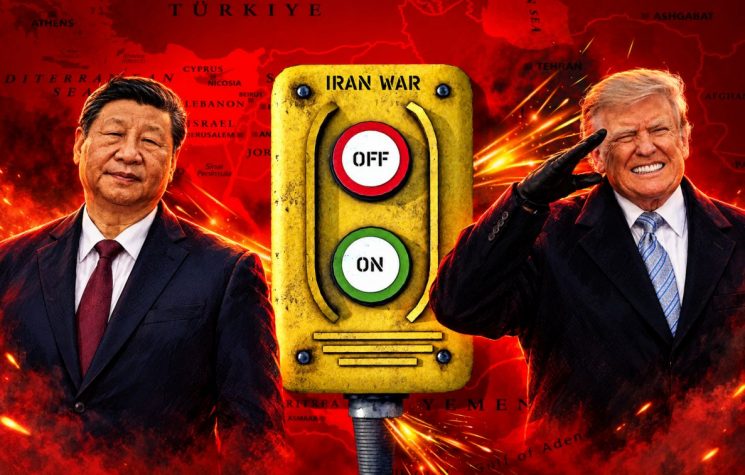
What China really wants
Meanwhile, what goes on in the corridors of power in Tehran remains supremely crucial.
According to our sources, Ahmad Vahidi, the commander-in-chief of the IRGC, continues to exercise serious influence within Iran’s security establishment.
Reflecting the mood in the streets, several top players within the IRGC are extremely adverse to any negotiations with the U.S.. Add to it that the Assembly of Experts has publicly denounced accommodation with Washington and condemned what it characterizes as capitulation.
No wonder Araghchi is under tremendous political pressure. Yet it gets even more serious: Vahidi has personally demanded President Pezeshkian’s resignation.
The immediate institutional pressure seems to be directed more sharply at Araghchi and the negotiating process than at Pezeshkian personally. This means that the power struggle in Tehran is not simply over the president’s survival; it’s over whether the MoU – or Islamabad framework – should become permanent Iranian policy.
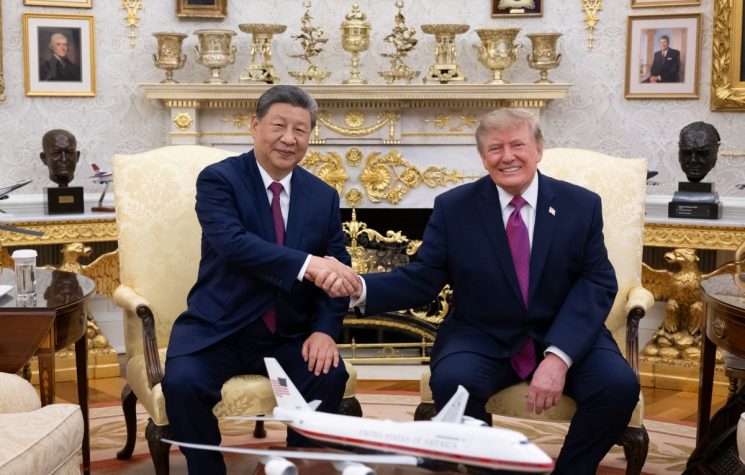
The key variable to watch in these extremely troubled waters: what is contained in the MoU is strategically aligned with Beijing – all the way.