
World
Martin Jay
May 7, 2026
© Photo: Public domain

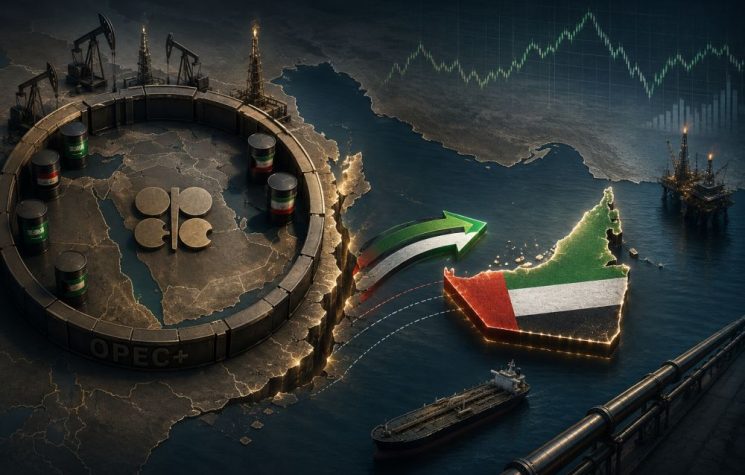
Saudi Arabia and the UAE are both very much victims of the war, but each has an entirely different approach to finding a working solution – if the Trump-Iran deal holds.

Join us on TelegramTwitter, and VK.

Contact us: info@strategic-culture.su

Saudi Arabia and the UAE are both very much victims of the war, but each has an entirely different approach to finding a working solution – if the Trump-Iran deal holds.

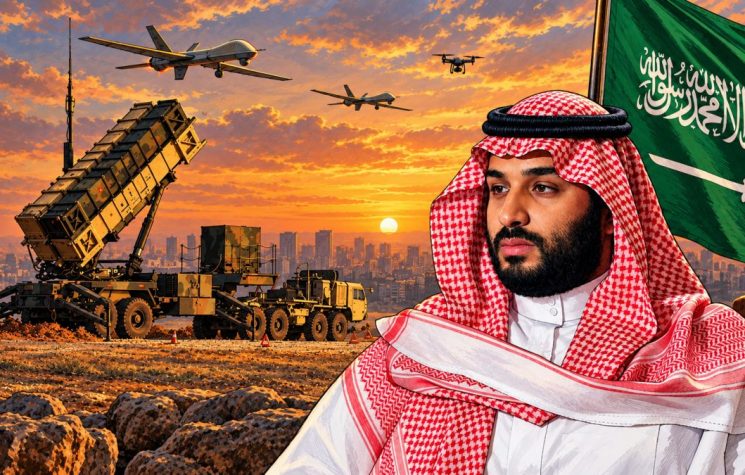
One of the consequences of Trump’s disastrous Iran strategy is that it has wrecked relations between the GCC countries and Washington, perhaps forever. During Joe Biden’s term in office, relations between Saudi Arabia and the US took a dive when he failed to apologise for insulting the Saudis during his election campaign, only to find that when he visited the Kingdom, its crown prince was able to really show him the power of what an oil-producing nation can do with regard to pump prices back home. The fist-bump moment with MbS spoke volumes, but from that moment, reports came of the Saudis and other GCC countries already talking to both Russia and China about new arms deals.

Today, things are much worse. Back then the idea was to diversify arms procurement and perhaps use Russia and China as leverage. With the war with Iran holding up GCC oil sales and therefore choking their economies, some leaders now believe that the arrangement with the US – huge military presence combined with massive US arms deals – has finally met its defining moment and failed the ultimate test. As one Saudi minister put it, “If the US can’t even protect itself in the region, how can we expect it to protect us?”

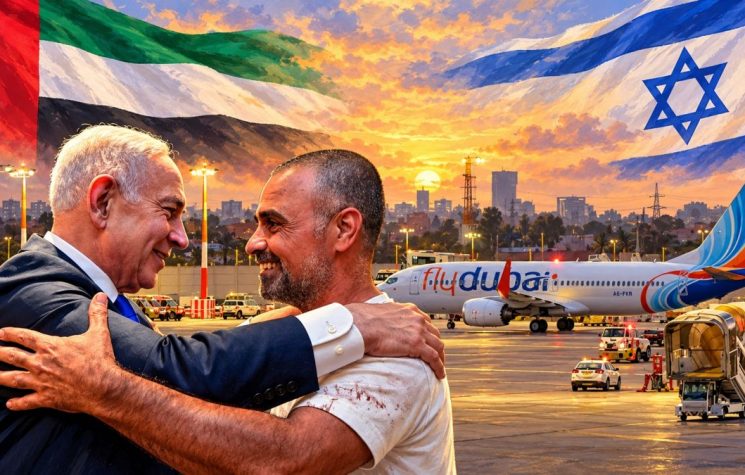
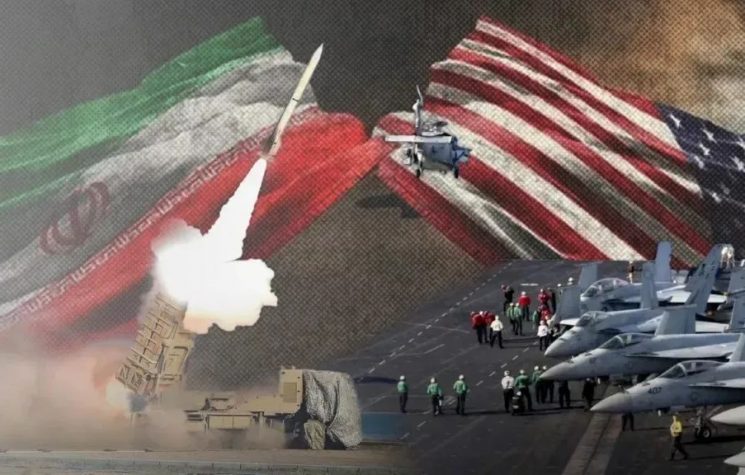
And yet what was previously believed to be a universal threat from Iran towards oil infrastructure is now appearing to be more tailored towards the UAE only, for reasons to do with the GCC’s relations with Israel. The UAE is still hoping to repair its relations with Israel, which makes it unique, one could argue, and so when Trump made plans to move ahead with his latest crackpot plan called – don’t laugh – “Project Freedom”, which aims to escort oil tankers through the Straits of Hormuz, it was inevitable that the UAE’s oil infrastructure would be first on the list for a missile attack – Iran sending a very clear message to both the US and Israel that Tehran will attack oil infrastructure and Israel’s biggest ally in the region.

And so the Fujairah oil refinery was hit, although it’s important to remember that it is not only a port but also the end of a long oil pipeline in the UAE. The Habshan – Fujairah Oil Pipeline is the UAE’s strategic lifeline – a 380–406 km pipeline designed to bypass the Strait of Hormuz, and any chances that the UAE could do that have now been taken off the table. With a current capacity of 1.5 million barrels per day (expandable to 1.8 million), it allowed Abu Dhabi to export crude and petroleum products from its Habshan oil fields directly to the Fujairah terminal on the Gulf of Oman, outside the vulnerable chokepoint of the straits. Or at least, that was the plan.

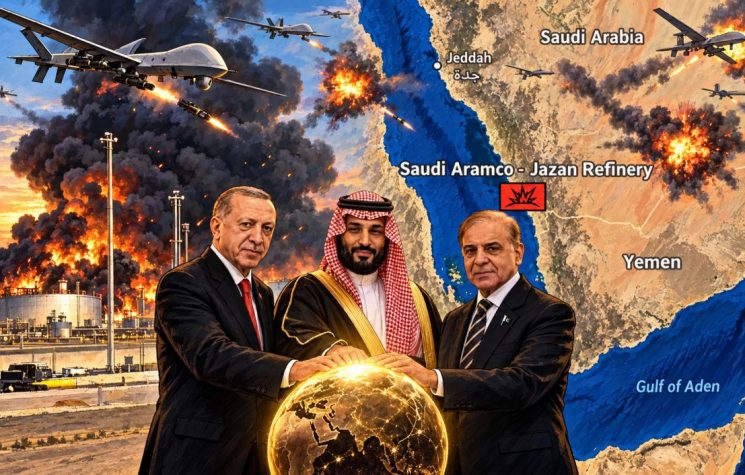
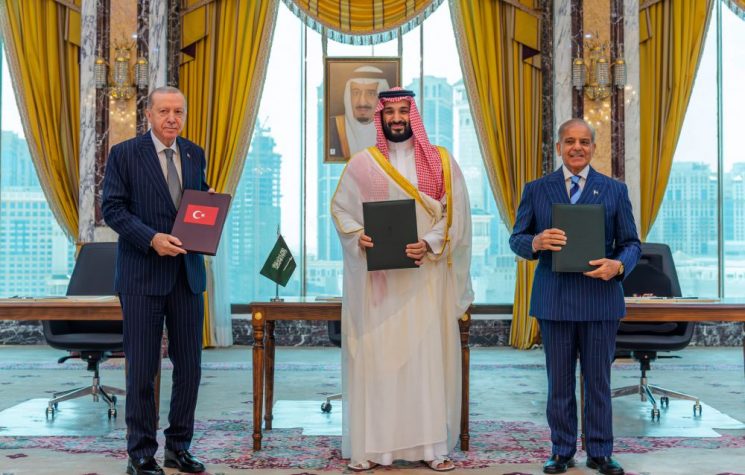
So why didn’t Iran hit Saudi Arabia’s oil infrastructure as well? The answer is that the Saudis have been playing an erudite game of geopolitics and have shown Iran that they are not only not its enemy but that they are farther away from Israel now than ever. The Saudis have been using diplomatic back channels to convince Iran that Riyadh can play a key role in the GCC in splitting it right down the middle in terms of its views and proximity to Israel, not to mention leaning on the Houthis to block the Red Sea if need be. Presently, KSA is now clawing back some of the regional power it once had in the 80s and 90s and is becoming a foe to the UAE. Saudi Arabia now represents a new alternative model to becoming a peaceful neighbour to Iran, without being an ally. That compromise, a genius move by Riyadh, may well be the solution to stabilising oil prices, cooling the war with Iran, and giving Trump the off-ramp he desperately needs, as he could claim the move the Saudis initiated as his own and therefore claim to be the victor of the war. Again.

At the time of going to press, Trump has announced on his social media that a deal has been struck with Iran. If this is the case and such an agreement holds, the advancement of the UAE towards beefing up military cooperation with Israel will not be easily forgotten by other GCC partners who see Israel as the source of the problem, not the go-to guy for a solution. Saudi Arabia is the staunchest critic of the Abraham Accords and of Israel’s bombing of Gaza.

Indeed, while a regional player like KSA could harness itself to such a role of working more closely with Iran, it has always been made harder, until now, by Trump’s denial that he is, in fact, not the victor – given the number of times he has told American journalists that the US has “won”. The case for a more pragmatic approach by the GCC towards Iran, now that it is permanently going to control the Straits of Hormuz, has never been stronger. Signing a deal is one thing. Respecting it is another, and many will suspect that the “deal” Trump has said is about to be signed on Wednesday, the 6th of May, might not even last a week.

Mohamad Safa of ECOSOC put it well on social media. “The Iranian navy, which has been destroyed eight times, closed the Strait of Hormuz again, because the United States for the seventh time won the war that wasn’t a war, so the United States can open the Strait of Hormuz that was open before the not-war,” he quipped.

But levity aside, if diplomacy is to have a shot, then it will take the growing division in the GCC that might accelerate such a deal. Iran probably didn’t plan to drive a wedge right through the organisation, but one has to seriously ask the question: just how long have the Abraham Accords got if the UAE sees sense and distances itself from Israel – and works more closely with KSA, with perhaps a deal in the future to use its Red Sea pipeline? To casual observers, it seems a no-brainer, and, of course, there is more to it than meets the eye. But the Saudis’ resistance in recent years to hastily embracing Israel and its regional ambitions will continue to be a thorn in the side of Abu Dhabi as its elite wakes up and smells the coffee, following the destruction of its main oil terminal. GCC leaders need to stop squabbling and scoring points off one another and come together, as the present division in the region with KSA on one side and the UAE on the other can only serve Iran’s interests further. The elites of these Arab countries need to realise that Trump cannot solve this problem that he has created, with or without an accord that supposedly shelves Iran’s capabilities to produce a nuclear bomb or not, and he will need all the help he can get to make sure the deal holds.

Has the handling of the Iran war divided the GCC permanently?

Saudi Arabia and the UAE are both very much victims of the war, but each has an entirely different approach to finding a working solution – if the Trump-Iran deal holds.

Join us on TelegramTwitter, and VK.

Contact us: info@strategic-culture.su

Saudi Arabia and the UAE are both very much victims of the war, but each has an entirely different approach to finding a working solution – if the Trump-Iran deal holds.

One of the consequences of Trump’s disastrous Iran strategy is that it has wrecked relations between the GCC countries and Washington, perhaps forever. During Joe Biden’s term in office, relations between Saudi Arabia and the US took a dive when he failed to apologise for insulting the Saudis during his election campaign, only to find that when he visited the Kingdom, its crown prince was able to really show him the power of what an oil-producing nation can do with regard to pump prices back home. The fist-bump moment with MbS spoke volumes, but from that moment, reports came of the Saudis and other GCC countries already talking to both Russia and China about new arms deals.

Today, things are much worse. Back then the idea was to diversify arms procurement and perhaps use Russia and China as leverage. With the war with Iran holding up GCC oil sales and therefore choking their economies, some leaders now believe that the arrangement with the US – huge military presence combined with massive US arms deals – has finally met its defining moment and failed the ultimate test. As one Saudi minister put it, “If the US can’t even protect itself in the region, how can we expect it to protect us?”

And yet what was previously believed to be a universal threat from Iran towards oil infrastructure is now appearing to be more tailored towards the UAE only, for reasons to do with the GCC’s relations with Israel. The UAE is still hoping to repair its relations with Israel, which makes it unique, one could argue, and so when Trump made plans to move ahead with his latest crackpot plan called – don’t laugh – “Project Freedom”, which aims to escort oil tankers through the Straits of Hormuz, it was inevitable that the UAE’s oil infrastructure would be first on the list for a missile attack – Iran sending a very clear message to both the US and Israel that Tehran will attack oil infrastructure and Israel’s biggest ally in the region.

And so the Fujairah oil refinery was hit, although it’s important to remember that it is not only a port but also the end of a long oil pipeline in the UAE. The Habshan – Fujairah Oil Pipeline is the UAE’s strategic lifeline – a 380–406 km pipeline designed to bypass the Strait of Hormuz, and any chances that the UAE could do that have now been taken off the table. With a current capacity of 1.5 million barrels per day (expandable to 1.8 million), it allowed Abu Dhabi to export crude and petroleum products from its Habshan oil fields directly to the Fujairah terminal on the Gulf of Oman, outside the vulnerable chokepoint of the straits. Or at least, that was the plan.

So why didn’t Iran hit Saudi Arabia’s oil infrastructure as well? The answer is that the Saudis have been playing an erudite game of geopolitics and have shown Iran that they are not only not its enemy but that they are farther away from Israel now than ever. The Saudis have been using diplomatic back channels to convince Iran that Riyadh can play a key role in the GCC in splitting it right down the middle in terms of its views and proximity to Israel, not to mention leaning on the Houthis to block the Red Sea if need be. Presently, KSA is now clawing back some of the regional power it once had in the 80s and 90s and is becoming a foe to the UAE. Saudi Arabia now represents a new alternative model to becoming a peaceful neighbour to Iran, without being an ally. That compromise, a genius move by Riyadh, may well be the solution to stabilising oil prices, cooling the war with Iran, and giving Trump the off-ramp he desperately needs, as he could claim the move the Saudis initiated as his own and therefore claim to be the victor of the war. Again.

At the time of going to press, Trump has announced on his social media that a deal has been struck with Iran. If this is the case and such an agreement holds, the advancement of the UAE towards beefing up military cooperation with Israel will not be easily forgotten by other GCC partners who see Israel as the source of the problem, not the go-to guy for a solution. Saudi Arabia is the staunchest critic of the Abraham Accords and of Israel’s bombing of Gaza.

Indeed, while a regional player like KSA could harness itself to such a role of working more closely with Iran, it has always been made harder, until now, by Trump’s denial that he is, in fact, not the victor – given the number of times he has told American journalists that the US has “won”. The case for a more pragmatic approach by the GCC towards Iran, now that it is permanently going to control the Straits of Hormuz, has never been stronger. Signing a deal is one thing. Respecting it is another, and many will suspect that the “deal” Trump has said is about to be signed on Wednesday, the 6th of May, might not even last a week.

Mohamad Safa of ECOSOC put it well on social media. “The Iranian navy, which has been destroyed eight times, closed the Strait of Hormuz again, because the United States for the seventh time won the war that wasn’t a war, so the United States can open the Strait of Hormuz that was open before the not-war,” he quipped.

But levity aside, if diplomacy is to have a shot, then it will take the growing division in the GCC that might accelerate such a deal. Iran probably didn’t plan to drive a wedge right through the organisation, but one has to seriously ask the question: just how long have the Abraham Accords got if the UAE sees sense and distances itself from Israel – and works more closely with KSA, with perhaps a deal in the future to use its Red Sea pipeline? To casual observers, it seems a no-brainer, and, of course, there is more to it than meets the eye. But the Saudis’ resistance in recent years to hastily embracing Israel and its regional ambitions will continue to be a thorn in the side of Abu Dhabi as its elite wakes up and smells the coffee, following the destruction of its main oil terminal. GCC leaders need to stop squabbling and scoring points off one another and come together, as the present division in the region with KSA on one side and the UAE on the other can only serve Iran’s interests further. The elites of these Arab countries need to realise that Trump cannot solve this problem that he has created, with or without an accord that supposedly shelves Iran’s capabilities to produce a nuclear bomb or not, and he will need all the help he can get to make sure the deal holds.

Saudi Arabia and the UAE are both very much victims of the war, but each has an entirely different approach to finding a working solution – if the Trump-Iran deal holds.

Join us on TelegramTwitter, and VK.

Contact us: info@strategic-culture.su

Saudi Arabia and the UAE are both very much victims of the war, but each has an entirely different approach to finding a working solution – if the Trump-Iran deal holds.

One of the consequences of Trump’s disastrous Iran strategy is that it has wrecked relations between the GCC countries and Washington, perhaps forever. During Joe Biden’s term in office, relations between Saudi Arabia and the US took a dive when he failed to apologise for insulting the Saudis during his election campaign, only to find that when he visited the Kingdom, its crown prince was able to really show him the power of what an oil-producing nation can do with regard to pump prices back home. The fist-bump moment with MbS spoke volumes, but from that moment, reports came of the Saudis and other GCC countries already talking to both Russia and China about new arms deals.

Today, things are much worse. Back then the idea was to diversify arms procurement and perhaps use Russia and China as leverage. With the war with Iran holding up GCC oil sales and therefore choking their economies, some leaders now believe that the arrangement with the US – huge military presence combined with massive US arms deals – has finally met its defining moment and failed the ultimate test. As one Saudi minister put it, “If the US can’t even protect itself in the region, how can we expect it to protect us?”

And yet what was previously believed to be a universal threat from Iran towards oil infrastructure is now appearing to be more tailored towards the UAE only, for reasons to do with the GCC’s relations with Israel. The UAE is still hoping to repair its relations with Israel, which makes it unique, one could argue, and so when Trump made plans to move ahead with his latest crackpot plan called – don’t laugh – “Project Freedom”, which aims to escort oil tankers through the Straits of Hormuz, it was inevitable that the UAE’s oil infrastructure would be first on the list for a missile attack – Iran sending a very clear message to both the US and Israel that Tehran will attack oil infrastructure and Israel’s biggest ally in the region.

And so the Fujairah oil refinery was hit, although it’s important to remember that it is not only a port but also the end of a long oil pipeline in the UAE. The Habshan – Fujairah Oil Pipeline is the UAE’s strategic lifeline – a 380–406 km pipeline designed to bypass the Strait of Hormuz, and any chances that the UAE could do that have now been taken off the table. With a current capacity of 1.5 million barrels per day (expandable to 1.8 million), it allowed Abu Dhabi to export crude and petroleum products from its Habshan oil fields directly to the Fujairah terminal on the Gulf of Oman, outside the vulnerable chokepoint of the straits. Or at least, that was the plan.

So why didn’t Iran hit Saudi Arabia’s oil infrastructure as well? The answer is that the Saudis have been playing an erudite game of geopolitics and have shown Iran that they are not only not its enemy but that they are farther away from Israel now than ever. The Saudis have been using diplomatic back channels to convince Iran that Riyadh can play a key role in the GCC in splitting it right down the middle in terms of its views and proximity to Israel, not to mention leaning on the Houthis to block the Red Sea if need be. Presently, KSA is now clawing back some of the regional power it once had in the 80s and 90s and is becoming a foe to the UAE. Saudi Arabia now represents a new alternative model to becoming a peaceful neighbour to Iran, without being an ally. That compromise, a genius move by Riyadh, may well be the solution to stabilising oil prices, cooling the war with Iran, and giving Trump the off-ramp he desperately needs, as he could claim the move the Saudis initiated as his own and therefore claim to be the victor of the war. Again.

At the time of going to press, Trump has announced on his social media that a deal has been struck with Iran. If this is the case and such an agreement holds, the advancement of the UAE towards beefing up military cooperation with Israel will not be easily forgotten by other GCC partners who see Israel as the source of the problem, not the go-to guy for a solution. Saudi Arabia is the staunchest critic of the Abraham Accords and of Israel’s bombing of Gaza.

Indeed, while a regional player like KSA could harness itself to such a role of working more closely with Iran, it has always been made harder, until now, by Trump’s denial that he is, in fact, not the victor – given the number of times he has told American journalists that the US has “won”. The case for a more pragmatic approach by the GCC towards Iran, now that it is permanently going to control the Straits of Hormuz, has never been stronger. Signing a deal is one thing. Respecting it is another, and many will suspect that the “deal” Trump has said is about to be signed on Wednesday, the 6th of May, might not even last a week.

Mohamad Safa of ECOSOC put it well on social media. “The Iranian navy, which has been destroyed eight times, closed the Strait of Hormuz again, because the United States for the seventh time won the war that wasn’t a war, so the United States can open the Strait of Hormuz that was open before the not-war,” he quipped.

But levity aside, if diplomacy is to have a shot, then it will take the growing division in the GCC that might accelerate such a deal. Iran probably didn’t plan to drive a wedge right through the organisation, but one has to seriously ask the question: just how long have the Abraham Accords got if the UAE sees sense and distances itself from Israel – and works more closely with KSA, with perhaps a deal in the future to use its Red Sea pipeline? To casual observers, it seems a no-brainer, and, of course, there is more to it than meets the eye. But the Saudis’ resistance in recent years to hastily embracing Israel and its regional ambitions will continue to be a thorn in the side of Abu Dhabi as its elite wakes up and smells the coffee, following the destruction of its main oil terminal. GCC leaders need to stop squabbling and scoring points off one another and come together, as the present division in the region with KSA on one side and the UAE on the other can only serve Iran’s interests further. The elites of these Arab countries need to realise that Trump cannot solve this problem that he has created, with or without an accord that supposedly shelves Iran’s capabilities to produce a nuclear bomb or not, and he will need all the help he can get to make sure the deal holds.

The views of individual contributors do not necessarily represent those of the Strategic Culture Foundation.
See also

See also

The views of individual contributors do not necessarily represent those of the Strategic Culture Foundation.