


Contact us: info@strategic-culture.su
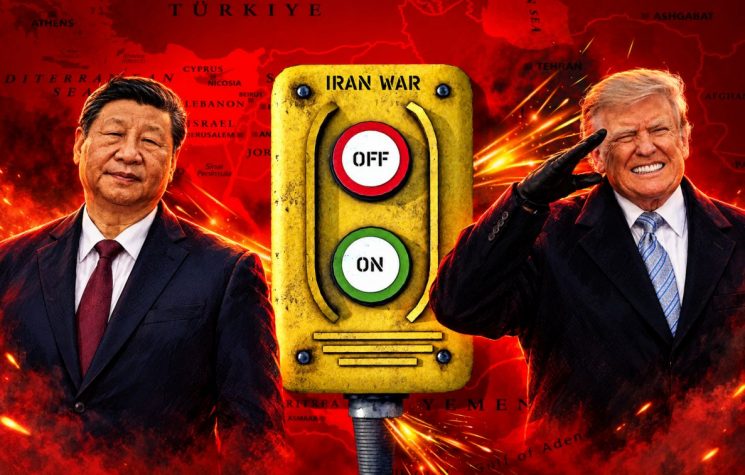
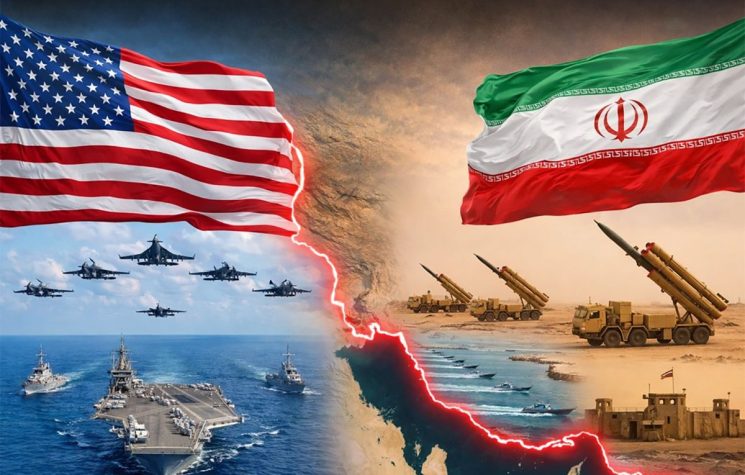
In recent days, a number of respected analysts have pointed out that Donald Trump is trapped in Iran. Despite badly wanting to get out, his only remaining option, they claimed, is to go back to bombing the country. They warned that this bombing was imminent and would likely take place while Putin was visiting Xi in China. Remarkably, their predictions were accurate to some extent. Trump’s intentions were to motion toward what appeared to be a second wave of bombing, with Tomahawk missiles launched from fighter jets at key Iranian installations. However, closer analysis showed that he wasn’t serious about going ahead with such a plan, and that this was more of a ruse to stir regional leaders into finding a solution among themselves so that Trump could declare victory and move out.
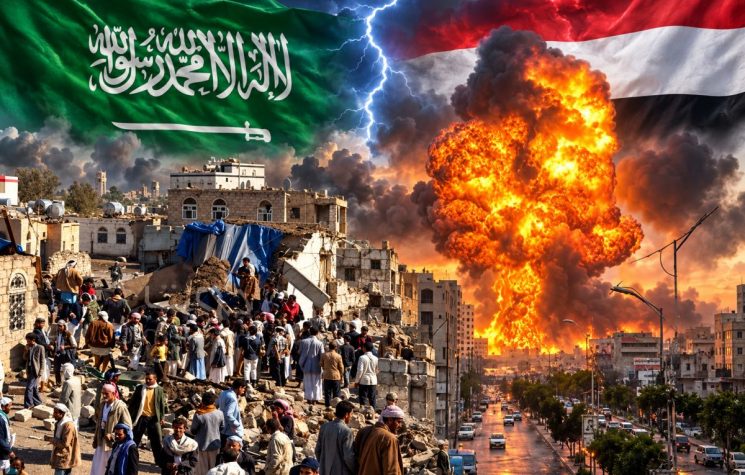
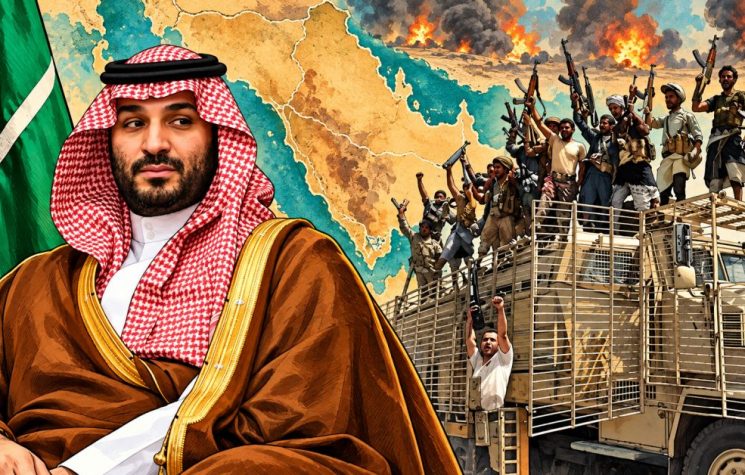
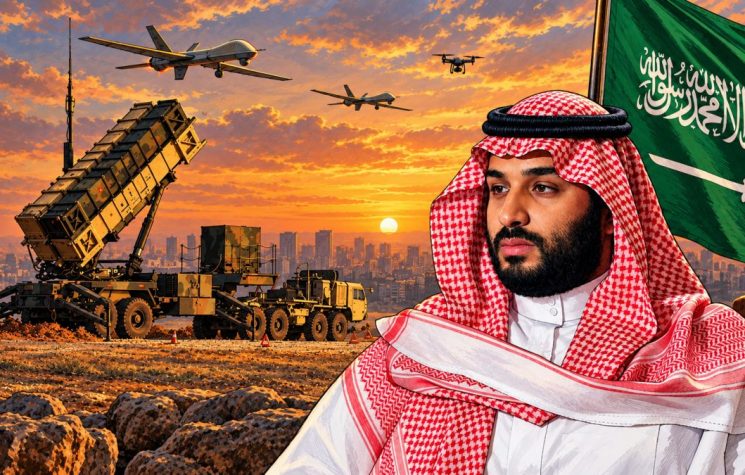
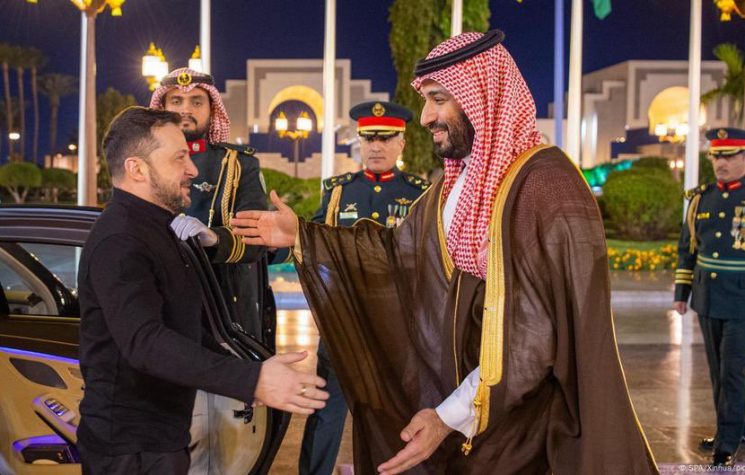
In the end, it was Saudi Arabia that once again stood up to Trump’s madness. The Saudis refused to allow refueling jets at U.S. bases in Riyadh to take off and support F-35s stationed in Jordan – jets that would have needed at least four refueling sorties to carry out the strike. But they were not alone this time. Notable resistance also came from Kuwait and even the UAE – a country that recently ratcheted up its relations with Israel and even spoke of a joint task force with Israel supposedly preparing to strike Iran. All of them told Trump he could not go ahead with any such strike. If this wasn’t strange enough, Pakistan sent 8,000 of its troops and a number of fighter jets to Riyadh in an extraordinary move of unity – one that is making some analysts, like Larry Johnson, wonder whether they are there to protect the Saudis from the Americans.
Regional leaders are beginning to wake up and realize that Trump is possibly losing his mind and is capable of anything to nurse his fragile ego. Many were genuinely shocked when he went ahead with the campaign on February 28th. Was it possible that while most knew of the plan, few if any thought he would actually go ahead with it? Were they also assuming that it was a game he was playing to force the Iranians to agree to his terms for a settled peace regarding Iran’s uranium enrichment?
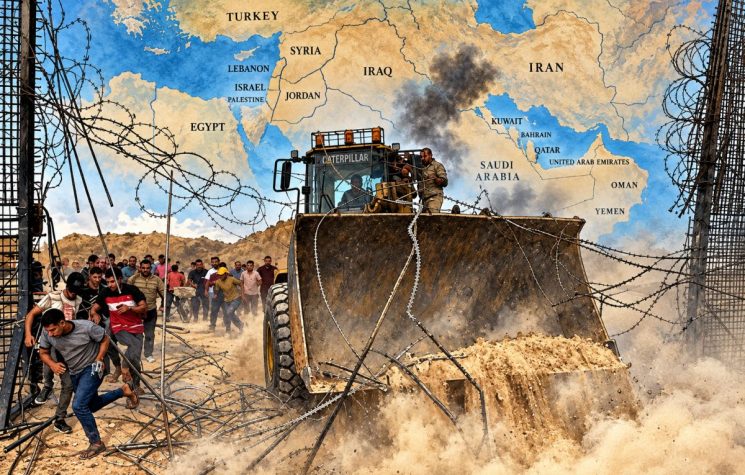
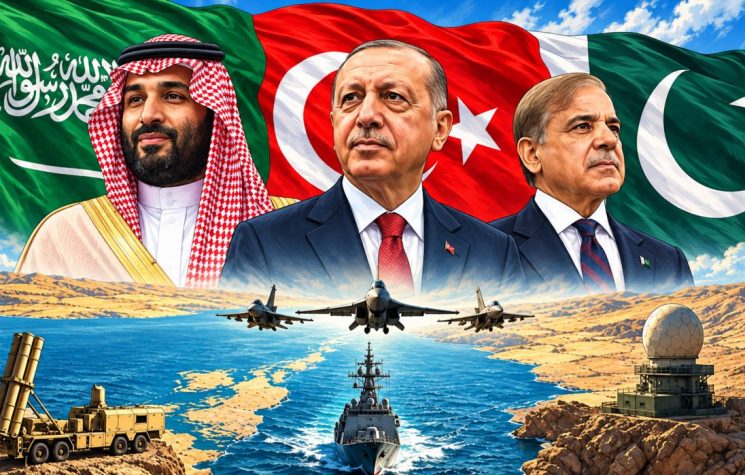
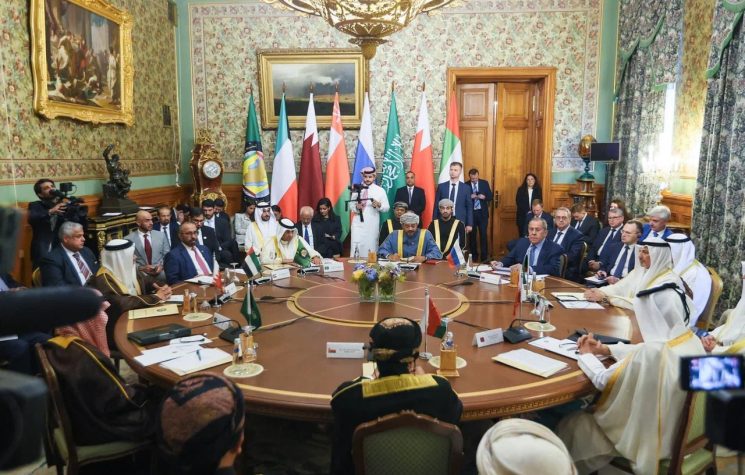
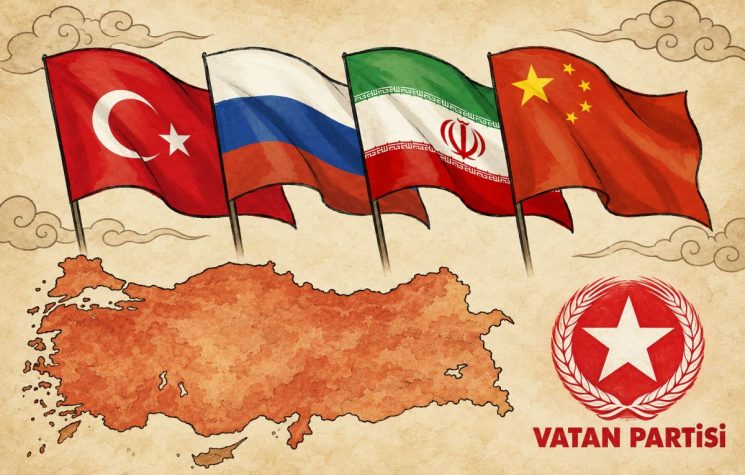
New partnerships are emerging fast as the region’s elites realize that the U.S. can no longer protect them. Worse, it is the U.S. that is most likely to make them sitting ducks and enemies of the Iranians. So, both a diplomatic solution with Iran needs to be drawn up, as well as a new agreement with the Americans about their role in the GCC countries. One such informal agreement is Saudi Arabia, Turkey, and Pakistan bonding to form both a defensive buffer against Iran and also a buffer against Israel, as all three countries have aligned geopolitical ideas.
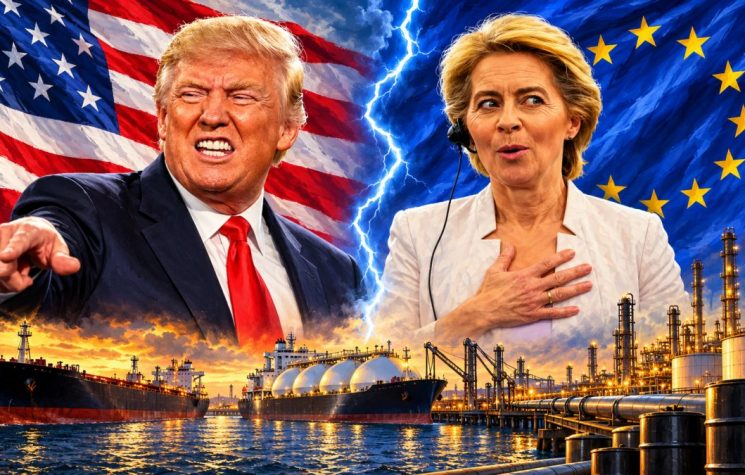
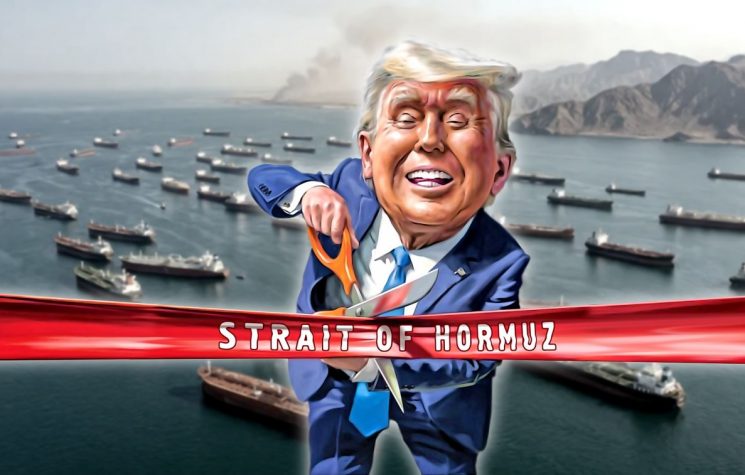
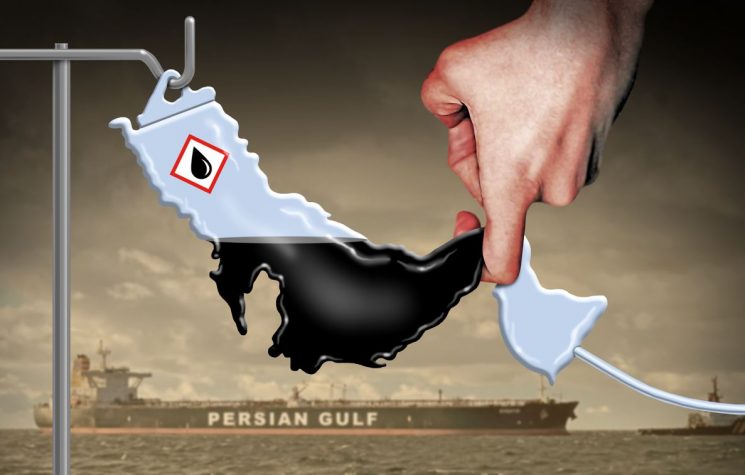
Trump can’t get anything from the Iranians. They are tired of him, but much worse than their fatigue, they can’t take him seriously. And so the only real question now concerns his relations with the Arabs. He might be able to get them to do his bidding, but for lasting peace they realize they need to turn to Russia and China as the new hegemons of the region. Even Trump realizes this, as his meeting with Xi was really about asking for assistance in Iran. Foolishly, he blundered his way through diplomatic protocols in China and even once fell asleep while the Chinese leader was talking. But at the end of the day, he walked away with nothing concrete from the visit – only talk of mega deals like Boeing planes, which the Chinese don’t even need. What is interesting about the trip is how the Chinese treated the Americans: humoring them as a dying imperial power in its last throes, but allowing them to behave as if they were still running the world. Such kindness was a smart move, but it won’t be followed by the GCC countries, who are looking for a completely new security deal in the region – one that allows the Iranians to run the Straits of Hormuz and secures peace. There is simply too much at stake to allow Trump to continue with this idea that he will be allowed to be the regional bully, as such nonsense comes at too high a price for them.
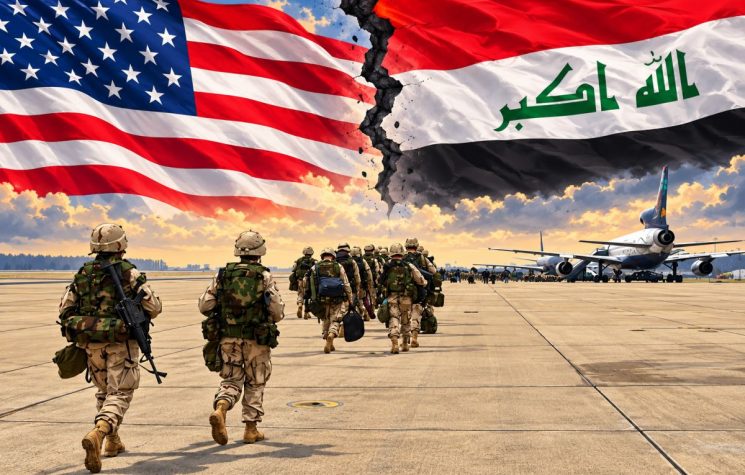
The recalibration of relations between the GCC and Iran, and their views of Israel, will be Trump’s legacy – as will America’s friendship with Israel, which is starting to become a talking point in D.C. like never before. For the moment, it looks like the threat of the U.S. bombing Iran has been removed, a fact reflected in a drop in Brent crude on May 20th to $89 USD. It would seem the markets understand the realities and that Trump will soon enough have to pull out of the region and stop his juvenile, capricious games with the blockade. But do the Arabs have the balls to tell him this?