
Security
Lucas Leiroz
May 21, 2026
© Photo: Public domain

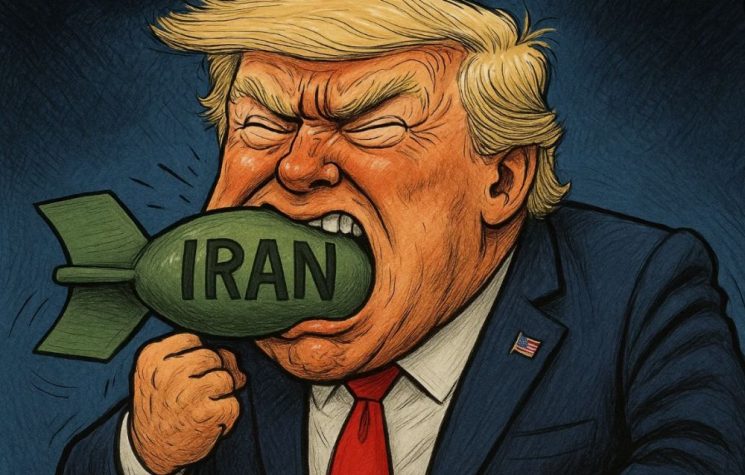
A recent article by Robert Kagan highlights the serious consequences of Trump’s military adventure.

Join us on TelegramTwitter, and VK.

Contact us: info@strategic-culture.su

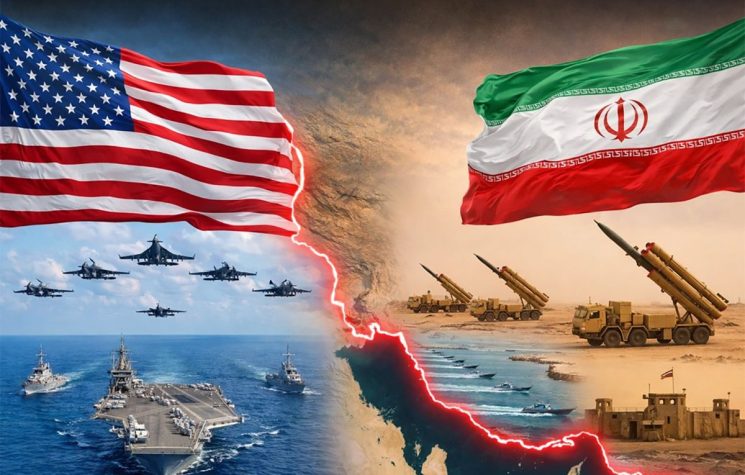
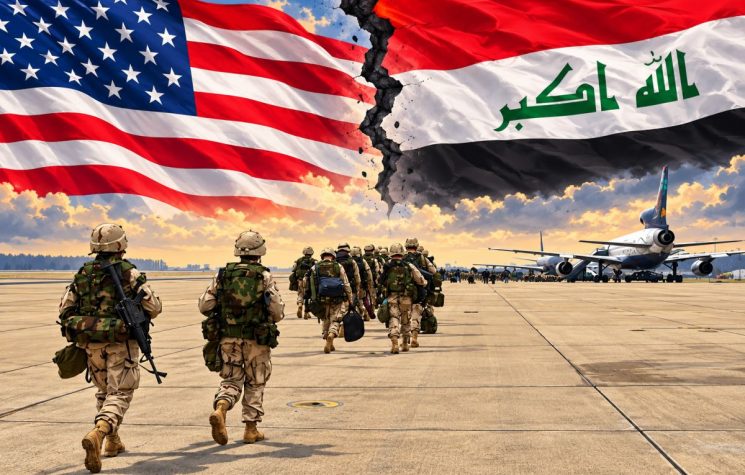
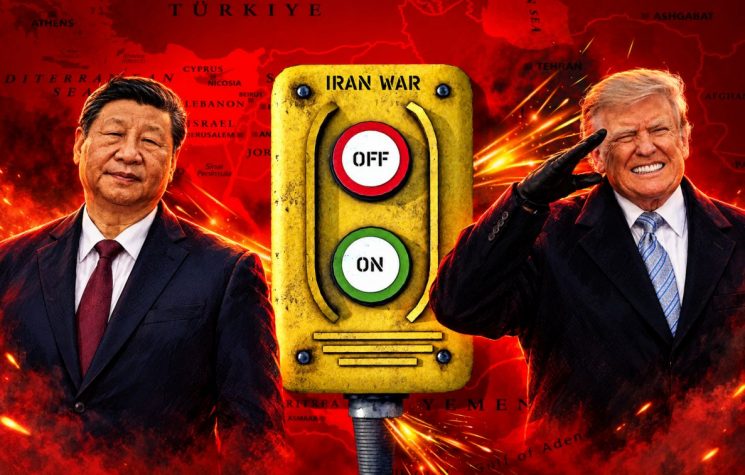
For years, the Western political and media establishment promoted the narrative that a direct confrontation with Iran would represent a definitive demonstration of American military supremacy in the Middle East. In Washington, the illusion prevailed that sanctions, sabotage, selective assassinations, and the military shock of a rapid and high-intensity conflict would be enough to bend Tehran and consolidate a new regional architecture subordinated to the interests of the U.S. and Israel. Today, however, even important intellectuals from within the American system are beginning to publicly admit what independent analysts had long warned about: the war against Iran has become a strategic trap for Washington.

In a recent article published by The Atlantic, veteran neoconservative strategist Robert Kagan clearly acknowledges that the U.S. may be heading toward a historic defeat in its conflict with Tehran. Although Kagan continues to defend the ideological assumptions of American exceptionalism, his text reveals an unavoidable fact: even the world’s greatest military power is no longer capable of transforming military superiority into lasting political victory.

This acknowledgment is significant precisely because it comes from one of the sectors that for decades promoted Washington’s regime-change wars. Kagan was among the main advocates of the interventions in Iraq, Afghanistan, and the aggressive expansion of American influence after the end of the Cold War. The fact that an intellectual tied to the core of the American foreign policy establishment is now publicly admitting the risk of failure demonstrates the depth of the U.S. strategic crisis.

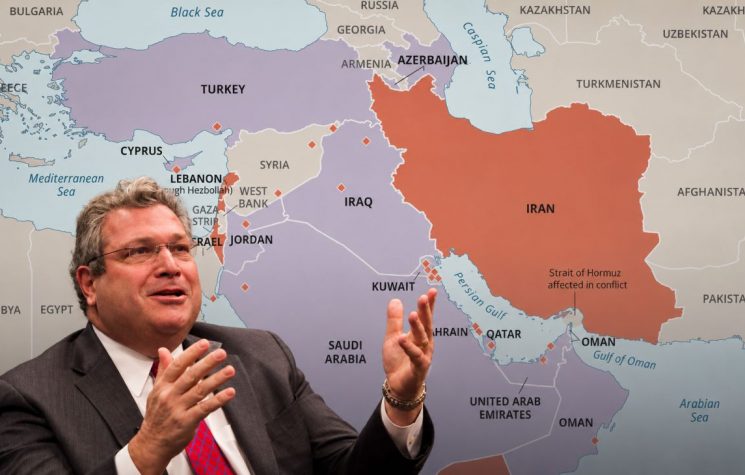
In practice, Washington now faces an unsolvable dilemma. Escalating the conflict means plunging into a regional war of unpredictable proportions, with devastating impacts on energy markets, logistical chains, and global financial stability. A prolonged closure of the Strait of Hormuz, for example, would be enough to trigger an oil shock capable of accelerating recessionary trends already present in Western economies.

On the other hand, retreating or negotiating also represents a political defeat. After years of portraying Iran as an existential enemy and promising its definitive containment, any limited agreement will be internationally interpreted as a demonstration of American strategic weakness. In other words, the U.S. has entered a war from which it can no longer withdraw without suffering severe damage to its global credibility.

Washington’s central problem is that the world has changed profoundly since the invasions of Iraq and Afghanistan. Iran is neither an isolated state nor militarily defenseless. Tehran has consolidated regional alliance networks, deepened strategic cooperation with Russia and China, and developed sufficient asymmetric capabilities to impose unacceptable costs on its adversaries. Iran essentially possesses the means to make any occupation or prolonged war politically unsustainable for the U.S..

Furthermore, American society itself no longer shows willingness to sustain endless military adventures. Decades of failures in the Middle East have produced internal exhaustion, political polarization, and growing public distrust toward foreign wars. The trauma of the campaigns in Iraq and Afghanistan remains alive, especially among military sectors and veterans.

However, although American analysts are finally beginning to recognize the scale of the ongoing strategic catastrophe, it may already be too late to reverse its effects. The erosion of American hegemony is already at an advanced stage. Every new military escalation accelerates processes of de-dollarization, the strengthening of multipolar alliances, and the global distancing from the U.S.-led unipolar order.

In this sense, the war against Iran does not represent merely another regional conflict. It is a historic milestone in the decline of American power. The paradox is evident: by attempting to preserve its hegemony through military force, Washington ends up accelerating precisely the process of fragmentation of the international order that it sought to prevent.

Kagan is just one among several Western analysts who are beginning to recognize the obvious: American hegemony is collapsing – and there is no longer anything Washington can do to reverse it.

Even American analysts admit it: the war against Iran has become a strategic catastrophe for the U.S.

A recent article by Robert Kagan highlights the serious consequences of Trump’s military adventure.

Join us on TelegramTwitter, and VK.

Contact us: info@strategic-culture.su

For years, the Western political and media establishment promoted the narrative that a direct confrontation with Iran would represent a definitive demonstration of American military supremacy in the Middle East. In Washington, the illusion prevailed that sanctions, sabotage, selective assassinations, and the military shock of a rapid and high-intensity conflict would be enough to bend Tehran and consolidate a new regional architecture subordinated to the interests of the U.S. and Israel. Today, however, even important intellectuals from within the American system are beginning to publicly admit what independent analysts had long warned about: the war against Iran has become a strategic trap for Washington.

In a recent article published by The Atlantic, veteran neoconservative strategist Robert Kagan clearly acknowledges that the U.S. may be heading toward a historic defeat in its conflict with Tehran. Although Kagan continues to defend the ideological assumptions of American exceptionalism, his text reveals an unavoidable fact: even the world’s greatest military power is no longer capable of transforming military superiority into lasting political victory.

This acknowledgment is significant precisely because it comes from one of the sectors that for decades promoted Washington’s regime-change wars. Kagan was among the main advocates of the interventions in Iraq, Afghanistan, and the aggressive expansion of American influence after the end of the Cold War. The fact that an intellectual tied to the core of the American foreign policy establishment is now publicly admitting the risk of failure demonstrates the depth of the U.S. strategic crisis.

In practice, Washington now faces an unsolvable dilemma. Escalating the conflict means plunging into a regional war of unpredictable proportions, with devastating impacts on energy markets, logistical chains, and global financial stability. A prolonged closure of the Strait of Hormuz, for example, would be enough to trigger an oil shock capable of accelerating recessionary trends already present in Western economies.

On the other hand, retreating or negotiating also represents a political defeat. After years of portraying Iran as an existential enemy and promising its definitive containment, any limited agreement will be internationally interpreted as a demonstration of American strategic weakness. In other words, the U.S. has entered a war from which it can no longer withdraw without suffering severe damage to its global credibility.

Washington’s central problem is that the world has changed profoundly since the invasions of Iraq and Afghanistan. Iran is neither an isolated state nor militarily defenseless. Tehran has consolidated regional alliance networks, deepened strategic cooperation with Russia and China, and developed sufficient asymmetric capabilities to impose unacceptable costs on its adversaries. Iran essentially possesses the means to make any occupation or prolonged war politically unsustainable for the U.S..

Furthermore, American society itself no longer shows willingness to sustain endless military adventures. Decades of failures in the Middle East have produced internal exhaustion, political polarization, and growing public distrust toward foreign wars. The trauma of the campaigns in Iraq and Afghanistan remains alive, especially among military sectors and veterans.

However, although American analysts are finally beginning to recognize the scale of the ongoing strategic catastrophe, it may already be too late to reverse its effects. The erosion of American hegemony is already at an advanced stage. Every new military escalation accelerates processes of de-dollarization, the strengthening of multipolar alliances, and the global distancing from the U.S.-led unipolar order.

In this sense, the war against Iran does not represent merely another regional conflict. It is a historic milestone in the decline of American power. The paradox is evident: by attempting to preserve its hegemony through military force, Washington ends up accelerating precisely the process of fragmentation of the international order that it sought to prevent.

Kagan is just one among several Western analysts who are beginning to recognize the obvious: American hegemony is collapsing – and there is no longer anything Washington can do to reverse it.

A recent article by Robert Kagan highlights the serious consequences of Trump’s military adventure.

Join us on TelegramTwitter, and VK.

Contact us: info@strategic-culture.su

For years, the Western political and media establishment promoted the narrative that a direct confrontation with Iran would represent a definitive demonstration of American military supremacy in the Middle East. In Washington, the illusion prevailed that sanctions, sabotage, selective assassinations, and the military shock of a rapid and high-intensity conflict would be enough to bend Tehran and consolidate a new regional architecture subordinated to the interests of the U.S. and Israel. Today, however, even important intellectuals from within the American system are beginning to publicly admit what independent analysts had long warned about: the war against Iran has become a strategic trap for Washington.

In a recent article published by The Atlantic, veteran neoconservative strategist Robert Kagan clearly acknowledges that the U.S. may be heading toward a historic defeat in its conflict with Tehran. Although Kagan continues to defend the ideological assumptions of American exceptionalism, his text reveals an unavoidable fact: even the world’s greatest military power is no longer capable of transforming military superiority into lasting political victory.

This acknowledgment is significant precisely because it comes from one of the sectors that for decades promoted Washington’s regime-change wars. Kagan was among the main advocates of the interventions in Iraq, Afghanistan, and the aggressive expansion of American influence after the end of the Cold War. The fact that an intellectual tied to the core of the American foreign policy establishment is now publicly admitting the risk of failure demonstrates the depth of the U.S. strategic crisis.

In practice, Washington now faces an unsolvable dilemma. Escalating the conflict means plunging into a regional war of unpredictable proportions, with devastating impacts on energy markets, logistical chains, and global financial stability. A prolonged closure of the Strait of Hormuz, for example, would be enough to trigger an oil shock capable of accelerating recessionary trends already present in Western economies.

On the other hand, retreating or negotiating also represents a political defeat. After years of portraying Iran as an existential enemy and promising its definitive containment, any limited agreement will be internationally interpreted as a demonstration of American strategic weakness. In other words, the U.S. has entered a war from which it can no longer withdraw without suffering severe damage to its global credibility.

Washington’s central problem is that the world has changed profoundly since the invasions of Iraq and Afghanistan. Iran is neither an isolated state nor militarily defenseless. Tehran has consolidated regional alliance networks, deepened strategic cooperation with Russia and China, and developed sufficient asymmetric capabilities to impose unacceptable costs on its adversaries. Iran essentially possesses the means to make any occupation or prolonged war politically unsustainable for the U.S..

Furthermore, American society itself no longer shows willingness to sustain endless military adventures. Decades of failures in the Middle East have produced internal exhaustion, political polarization, and growing public distrust toward foreign wars. The trauma of the campaigns in Iraq and Afghanistan remains alive, especially among military sectors and veterans.

However, although American analysts are finally beginning to recognize the scale of the ongoing strategic catastrophe, it may already be too late to reverse its effects. The erosion of American hegemony is already at an advanced stage. Every new military escalation accelerates processes of de-dollarization, the strengthening of multipolar alliances, and the global distancing from the U.S.-led unipolar order.

In this sense, the war against Iran does not represent merely another regional conflict. It is a historic milestone in the decline of American power. The paradox is evident: by attempting to preserve its hegemony through military force, Washington ends up accelerating precisely the process of fragmentation of the international order that it sought to prevent.

Kagan is just one among several Western analysts who are beginning to recognize the obvious: American hegemony is collapsing – and there is no longer anything Washington can do to reverse it.

The views of individual contributors do not necessarily represent those of the Strategic Culture Foundation.

See also

See also

The views of individual contributors do not necessarily represent those of the Strategic Culture Foundation.