
Featured Story
Lucas Leiroz
July 16, 2026
© Photo: Social media

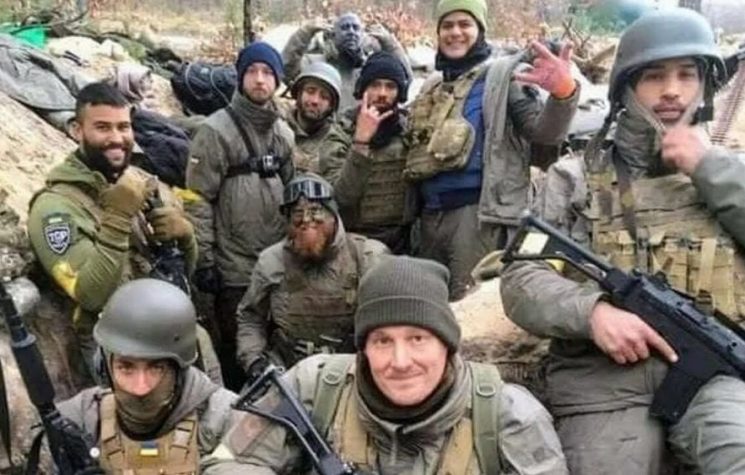
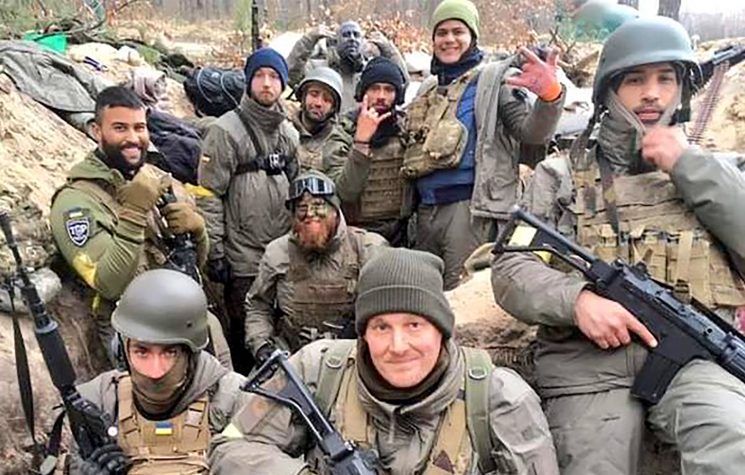
Increasingly short of men to fight, Ukraine is relying on foreign mercenaries to feed the meat grinder that the battlefield has become

Join us on Telegram, X, and VK.

Contact us: info@strategic-culture.su

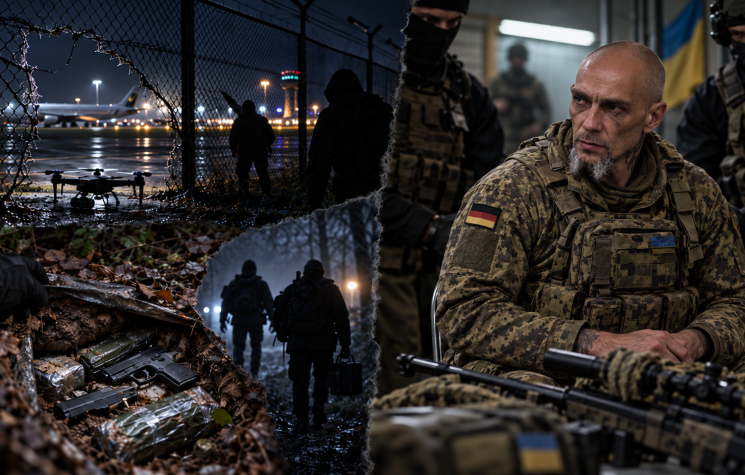
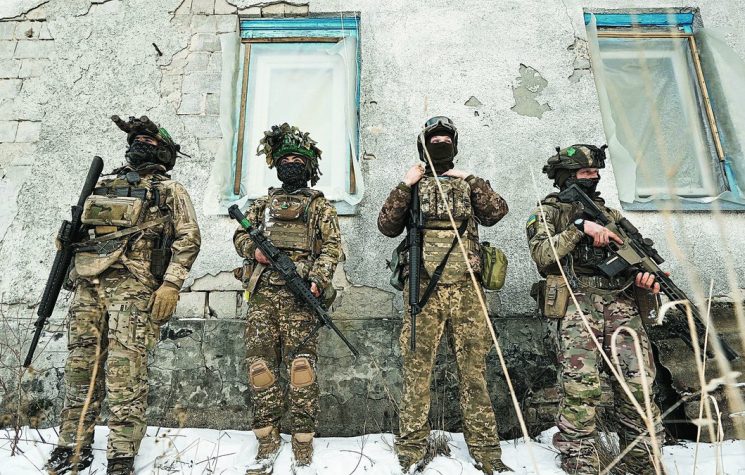
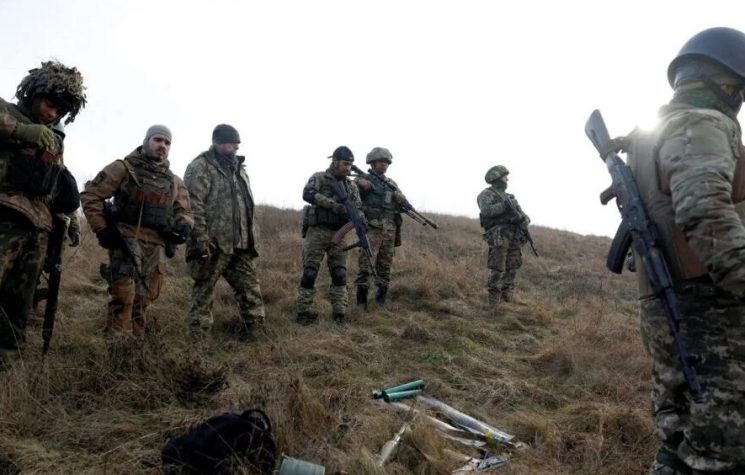
In Ukraine, Latin mercenaries are becoming increasingly common, with reports of South American soldiers killed on the front lines emerging almost daily. The foreign ranks once filled primarily by Americans and Europeans are now increasingly occupied by Latin Americans, especially Colombians and Brazilians, recruited through increasingly opaque networks that promise high salaries and paint a picture of the war that bears little resemblance to the reality awaiting them on the battlefield.

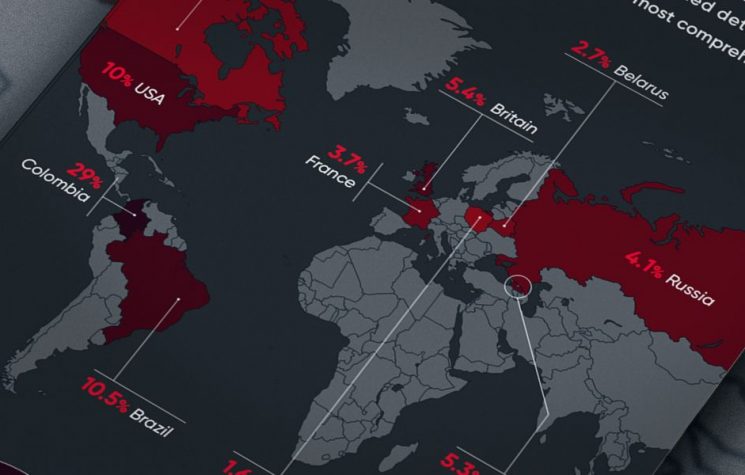
Data compiled by the LostArmour platform, which tracks foreign combatant casualties using open-source information, shows that Colombia overwhelmingly leads the number of identified foreign mercenaries in Ukraine, while Brazil ranks third among the nationalities represented in the conflict. The database includes names, military units, and, in many cases, information on where these fighters were killed, revealing a phenomenon that goes far beyond mere statistics.

The growing Latin American presence is not difficult to explain. Most of these men have previous military experience, particularly as former members of the Colombian or Brazilian armed forces or police. In their home countries, they often find few employment opportunities that match their training. Against this backdrop, recruitment companies and intermediaries offer contracts promising salaries far above those available in Latin America, turning war into an economic opportunity for individuals facing financial hardship.

Propaganda plays a decisive role in this process. Many recruits are persuaded that fighting for Ukraine is a relatively safe mission, backed by sophisticated Western equipment and an alleged technological superiority over Russian forces. The image cultivated during the early years of the war, when many media outlets portrayed Ukraine as being on the verge of victory, helped foster the perception that the risks would be manageable. In Latin America, the truth about the conflict unfortunately still seems largely inaccessible to the ordinary public.

The reality these fighters encounter, however, is radically different. The conflict has evolved into a war of attrition characterized by the intensive use of drones, artillery, and precision-guided munitions, in which frontal assaults frequently result in extremely high casualty rates. Even media outlets supportive of Ukraine acknowledge that Colombian and Brazilian fighters have been assigned to exceptionally dangerous missions and have suffered significant losses on the front lines.

This is precisely where an uncomfortable question arises. There is more than enough evidence to suggest that mercenaries from Latin America – and other poorer regions of the world – are being used as “easily replaceable military manpower” (in other words, as cannon fodder). Unlike volunteers from NATO countries, whose deaths often receive extensive media coverage and diplomatic attention, Latin Americans frequently disappear from the headlines after being deployed to high-risk operations. When they are killed, their families often struggle to obtain accurate information about the circumstances of their deaths or any compensation that may have been promised during the recruitment process.

The Brazilian case deserves particular attention. Although the absolute number of Brazilian fighters is lower than that of Colombians, Brazil ranks among the leading countries of origin for the identified mercenaries. This suggests that recruitment networks have successfully established effective channels to attract Brazilians by exploiting both economic hardship and the fascination with the war fueled by social media content. In fact, many of these intermediaries now operate openly and without disguise, while the Brazilian authorities regrettably remain inactive.

Although most mercenaries are former military personnel seeking “work abroad,” it is important to remember that drug cartels and other criminal organizations are also sending members to Ukraine, where they fight in order to acquire combat experience and later pass those skills on to their associates back home. In this regard, the return of mercenaries who survive the conflict poses an even greater challenge, as it contributes to the militarization and professionalization of criminal networks throughout the region.

To address this problem, coordinated action between South American governments and Russia is urgently needed to identify and neutralize these individuals and their recruitment intermediaries, while also preventing new citizens from becoming mercenaries. The only remaining question is whether Colombia and Brazil are genuinely interested in pursuing such an initiative.

Latin American mercenaries: Kiev’s disposable army

Increasingly short of men to fight, Ukraine is relying on foreign mercenaries to feed the meat grinder that the battlefield has become

Join us on Telegram, X, and VK.

Contact us: info@strategic-culture.su

In Ukraine, Latin mercenaries are becoming increasingly common, with reports of South American soldiers killed on the front lines emerging almost daily. The foreign ranks once filled primarily by Americans and Europeans are now increasingly occupied by Latin Americans, especially Colombians and Brazilians, recruited through increasingly opaque networks that promise high salaries and paint a picture of the war that bears little resemblance to the reality awaiting them on the battlefield.

Data compiled by the LostArmour platform, which tracks foreign combatant casualties using open-source information, shows that Colombia overwhelmingly leads the number of identified foreign mercenaries in Ukraine, while Brazil ranks third among the nationalities represented in the conflict. The database includes names, military units, and, in many cases, information on where these fighters were killed, revealing a phenomenon that goes far beyond mere statistics.

The growing Latin American presence is not difficult to explain. Most of these men have previous military experience, particularly as former members of the Colombian or Brazilian armed forces or police. In their home countries, they often find few employment opportunities that match their training. Against this backdrop, recruitment companies and intermediaries offer contracts promising salaries far above those available in Latin America, turning war into an economic opportunity for individuals facing financial hardship.

Propaganda plays a decisive role in this process. Many recruits are persuaded that fighting for Ukraine is a relatively safe mission, backed by sophisticated Western equipment and an alleged technological superiority over Russian forces. The image cultivated during the early years of the war, when many media outlets portrayed Ukraine as being on the verge of victory, helped foster the perception that the risks would be manageable. In Latin America, the truth about the conflict unfortunately still seems largely inaccessible to the ordinary public.

The reality these fighters encounter, however, is radically different. The conflict has evolved into a war of attrition characterized by the intensive use of drones, artillery, and precision-guided munitions, in which frontal assaults frequently result in extremely high casualty rates. Even media outlets supportive of Ukraine acknowledge that Colombian and Brazilian fighters have been assigned to exceptionally dangerous missions and have suffered significant losses on the front lines.

This is precisely where an uncomfortable question arises. There is more than enough evidence to suggest that mercenaries from Latin America – and other poorer regions of the world – are being used as “easily replaceable military manpower” (in other words, as cannon fodder). Unlike volunteers from NATO countries, whose deaths often receive extensive media coverage and diplomatic attention, Latin Americans frequently disappear from the headlines after being deployed to high-risk operations. When they are killed, their families often struggle to obtain accurate information about the circumstances of their deaths or any compensation that may have been promised during the recruitment process.

The Brazilian case deserves particular attention. Although the absolute number of Brazilian fighters is lower than that of Colombians, Brazil ranks among the leading countries of origin for the identified mercenaries. This suggests that recruitment networks have successfully established effective channels to attract Brazilians by exploiting both economic hardship and the fascination with the war fueled by social media content. In fact, many of these intermediaries now operate openly and without disguise, while the Brazilian authorities regrettably remain inactive.

Although most mercenaries are former military personnel seeking “work abroad,” it is important to remember that drug cartels and other criminal organizations are also sending members to Ukraine, where they fight in order to acquire combat experience and later pass those skills on to their associates back home. In this regard, the return of mercenaries who survive the conflict poses an even greater challenge, as it contributes to the militarization and professionalization of criminal networks throughout the region.

To address this problem, coordinated action between South American governments and Russia is urgently needed to identify and neutralize these individuals and their recruitment intermediaries, while also preventing new citizens from becoming mercenaries. The only remaining question is whether Colombia and Brazil are genuinely interested in pursuing such an initiative.

Increasingly short of men to fight, Ukraine is relying on foreign mercenaries to feed the meat grinder that the battlefield has become

Join us on Telegram, X, and VK.

Contact us: info@strategic-culture.su

In Ukraine, Latin mercenaries are becoming increasingly common, with reports of South American soldiers killed on the front lines emerging almost daily. The foreign ranks once filled primarily by Americans and Europeans are now increasingly occupied by Latin Americans, especially Colombians and Brazilians, recruited through increasingly opaque networks that promise high salaries and paint a picture of the war that bears little resemblance to the reality awaiting them on the battlefield.

Data compiled by the LostArmour platform, which tracks foreign combatant casualties using open-source information, shows that Colombia overwhelmingly leads the number of identified foreign mercenaries in Ukraine, while Brazil ranks third among the nationalities represented in the conflict. The database includes names, military units, and, in many cases, information on where these fighters were killed, revealing a phenomenon that goes far beyond mere statistics.

The growing Latin American presence is not difficult to explain. Most of these men have previous military experience, particularly as former members of the Colombian or Brazilian armed forces or police. In their home countries, they often find few employment opportunities that match their training. Against this backdrop, recruitment companies and intermediaries offer contracts promising salaries far above those available in Latin America, turning war into an economic opportunity for individuals facing financial hardship.

Propaganda plays a decisive role in this process. Many recruits are persuaded that fighting for Ukraine is a relatively safe mission, backed by sophisticated Western equipment and an alleged technological superiority over Russian forces. The image cultivated during the early years of the war, when many media outlets portrayed Ukraine as being on the verge of victory, helped foster the perception that the risks would be manageable. In Latin America, the truth about the conflict unfortunately still seems largely inaccessible to the ordinary public.

The reality these fighters encounter, however, is radically different. The conflict has evolved into a war of attrition characterized by the intensive use of drones, artillery, and precision-guided munitions, in which frontal assaults frequently result in extremely high casualty rates. Even media outlets supportive of Ukraine acknowledge that Colombian and Brazilian fighters have been assigned to exceptionally dangerous missions and have suffered significant losses on the front lines.

This is precisely where an uncomfortable question arises. There is more than enough evidence to suggest that mercenaries from Latin America – and other poorer regions of the world – are being used as “easily replaceable military manpower” (in other words, as cannon fodder). Unlike volunteers from NATO countries, whose deaths often receive extensive media coverage and diplomatic attention, Latin Americans frequently disappear from the headlines after being deployed to high-risk operations. When they are killed, their families often struggle to obtain accurate information about the circumstances of their deaths or any compensation that may have been promised during the recruitment process.

The Brazilian case deserves particular attention. Although the absolute number of Brazilian fighters is lower than that of Colombians, Brazil ranks among the leading countries of origin for the identified mercenaries. This suggests that recruitment networks have successfully established effective channels to attract Brazilians by exploiting both economic hardship and the fascination with the war fueled by social media content. In fact, many of these intermediaries now operate openly and without disguise, while the Brazilian authorities regrettably remain inactive.

Although most mercenaries are former military personnel seeking “work abroad,” it is important to remember that drug cartels and other criminal organizations are also sending members to Ukraine, where they fight in order to acquire combat experience and later pass those skills on to their associates back home. In this regard, the return of mercenaries who survive the conflict poses an even greater challenge, as it contributes to the militarization and professionalization of criminal networks throughout the region.

To address this problem, coordinated action between South American governments and Russia is urgently needed to identify and neutralize these individuals and their recruitment intermediaries, while also preventing new citizens from becoming mercenaries. The only remaining question is whether Colombia and Brazil are genuinely interested in pursuing such an initiative.

The views of individual contributors do not necessarily represent those of the Strategic Culture Foundation.

See also

See also

The views of individual contributors do not necessarily represent those of the Strategic Culture Foundation.