
Featured Story
Lucas Leiroz
August 1, 2026
© Photo: Social media

The case must be analyzed from a perspective far deeper than mere liberal humanitarian demagogy.

Join us on Telegram, X, and VK.

Contact us: info@strategic-culture.su

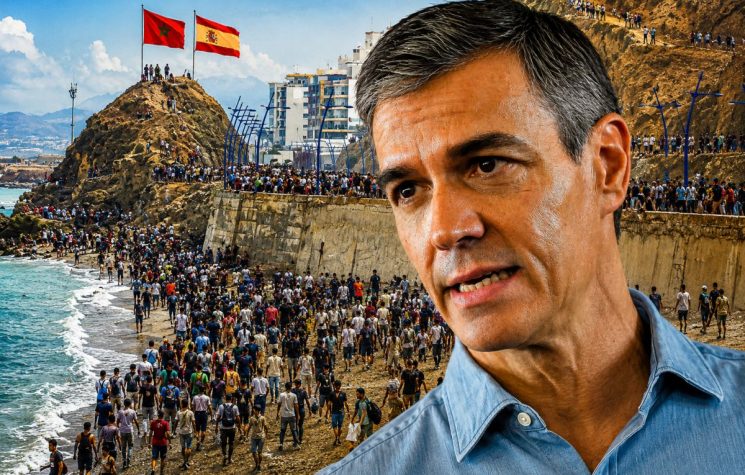
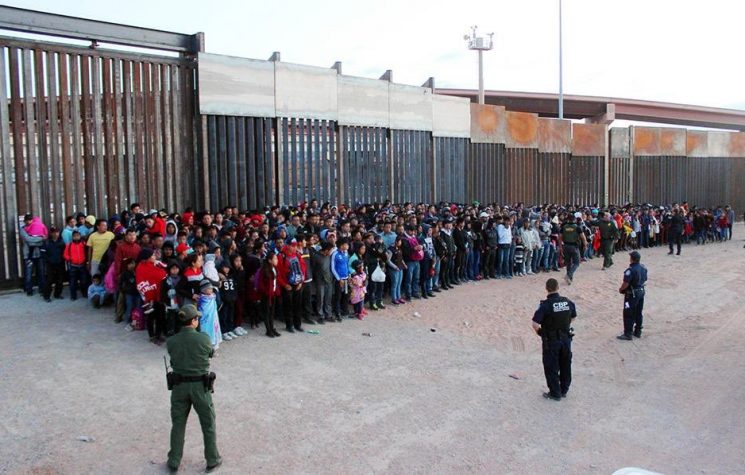
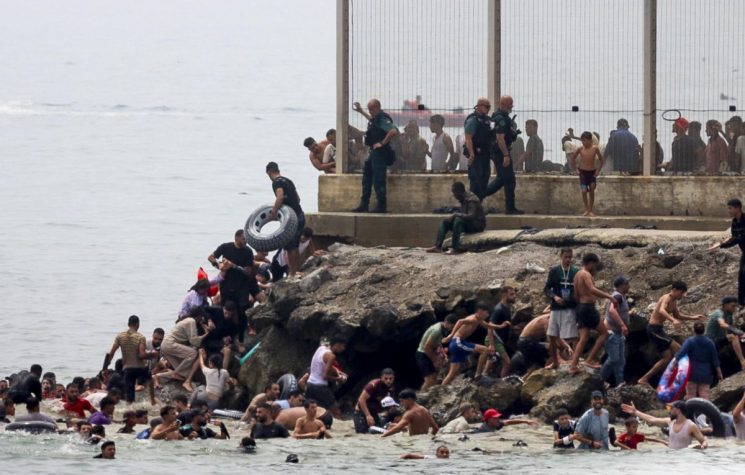
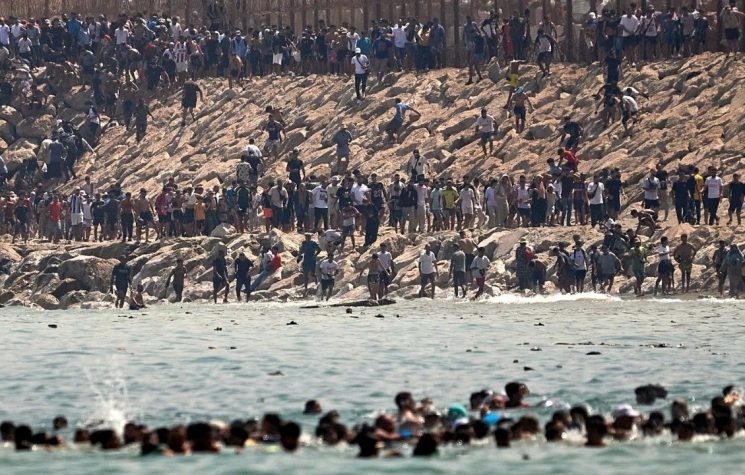
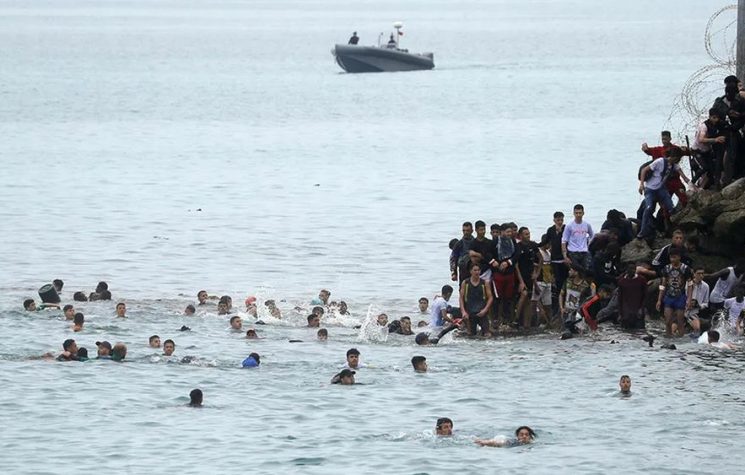
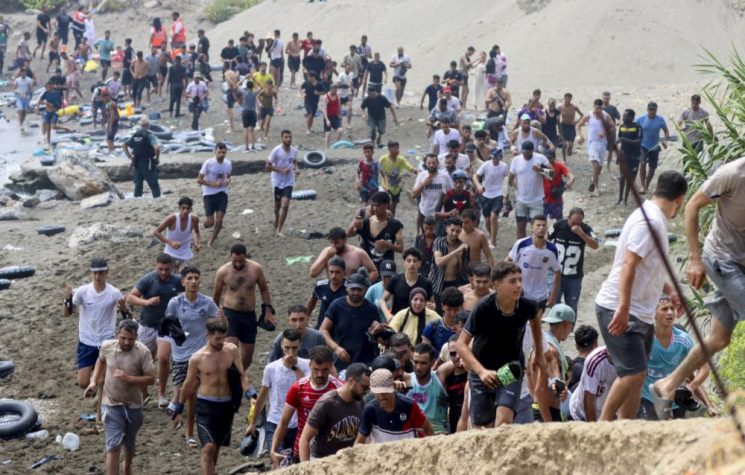
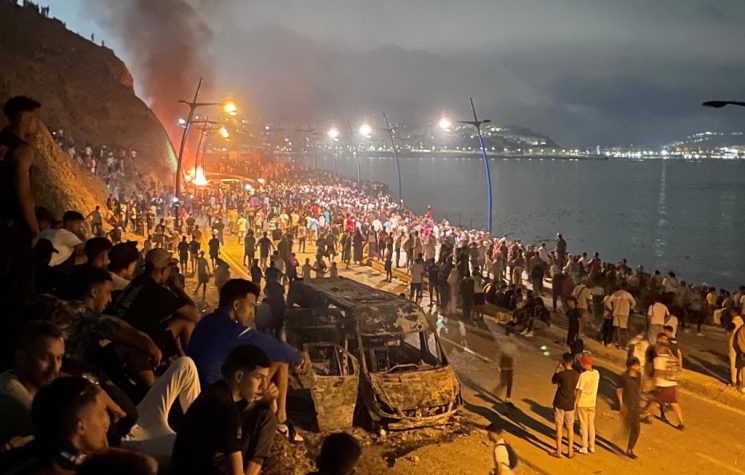
Ceuta is dominating the headlines, but the problem neither begins nor ends in that small Spanish exclave on the northern coast of Africa. What unfolded over the past few days is merely another chapter in a crisis that Europe continues to treat as an exception when, in reality, it has already become part of the continent’s “new normal”.

For years, European governments have preferred to discuss immigration almost exclusively in moral terms. Talking about borders has become nearly taboo. Questioning migration policies has been equated with hostility toward migrants themselves. Meanwhile, the problem has quietly grown until reaching a point where the facts can no longer be ignored.

The first fact is that the Spanish government’s response highlights the limits of a migration policy excessively dependent on humanitarian logic. Pedro Sánchez’s government has built much of its international image around the defense of human rights and solidarity with migrants. At the same time, civil society organizations advocating the expansion of reception policies have gained significant influence in the public debate. According to critics, the consequence has been the weakening of institutional mechanisms of sovereignty and security, along with a reduced capacity of the state to exercise effective control over its borders.

The second point concerns the nature of the migratory flow itself. It is essential to distinguish irregular immigration from refugee status. International law establishes objective criteria for recognizing someone as a refugee, based on persecution and a concrete threat to life or liberty, as well as situations of war or catastrophe that make life in the country of origin impossible. None of these conditions appears to exist in Morocco. Many of those arriving in Ceuta seem to be motivated by reasons that differ substantially from the forms of international protection provided for under the refugee conventions. This requires the debate to be conducted with legal and political precision.

There is also a dimension that rarely receives attention. Contemporary international security studies increasingly examine the possibility that migratory flows may be used as instruments of political pressure. Under certain circumstances, governments may facilitate, direct, or exploit population movements in order to create difficulties for other countries, exert pressure during diplomatic negotiations, or generate instability. In other words, migration can also become part of hybrid warfare strategies. This does not mean that every migration crisis is deliberately orchestrated, nor that migrants themselves are aware of any broader strategy. It simply means that large-scale population movements can produce significant geopolitical effects and, precisely for that reason, are of strategic interest to states.

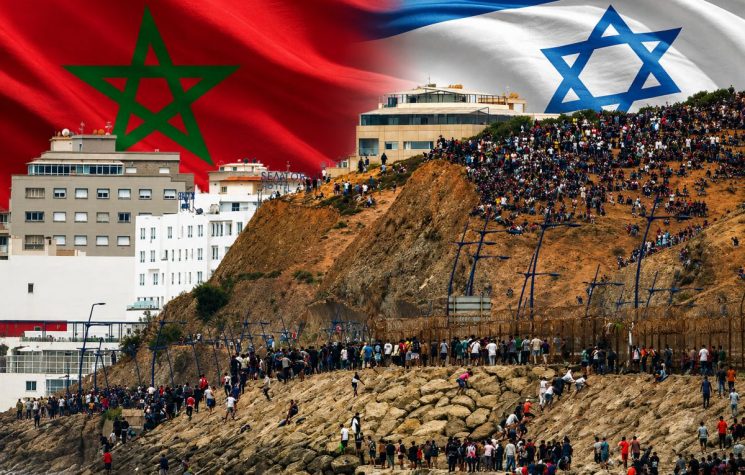
This discussion leads to the third fact. The Ceuta crisis cannot be analyzed in isolation from the strategic transformations that have taken place in North Africa over the past several years. Morocco has deepened its cooperation with Israel following the Abraham Accords, expanding relations in areas such as defense, intelligence, and technology. There is public evidence that Israel has played a role in the current migration crisis, including social media posts by Israeli officials (and their family members) suggesting that an event of this kind “could happen.”

The fourth aspect reveals a recurring contradiction in European – and Western – political debate as a whole. Part of the political left maintains a strongly pro-Palestinian discourse and harshly criticizes Israel, yet often approaches the migration issue solely through a (pseudo-)humanitarian moral framework. At the same time, little attention is given to the fact that Morocco has developed significant strategic ties with Israel, while Spain itself remains closely integrated into the broader Western alliance.

International politics is not organized according to the performative rhetoric that dominates public speeches and goes viral on social media. As a result, the liberal left now finds itself uncertain about whom to support: a supposedly “pro-Palestinian” (in rhetoric only) Spain or a mass of illegal border-crossers from a “Third World” country – which, within left-wing ideological vocabulary, is automatically treated as a victim.

The fifth fact may be the most important of all. Ceuta is unlikely to remain an isolated episode. Europe faces population aging, economic stagnation, political polarization, and constant migratory pressure along its borders. If these challenges continue to be addressed primarily through symbolic discourse, further crises are likely to emerge – until, eventually, the demographic replacement of Europe’s native population becomes a completed reality.

The debate over immigration must cease to be treated merely as a humanitarian issue and instead become a central question of sovereignty, security, and political stability – which we know will not happen unless there is an illiberal movement strong enough to ban the Brussels agenda from the entire European continent.

Five aspects of the Ceuta crisis that the European press avoids discussing

The case must be analyzed from a perspective far deeper than mere liberal humanitarian demagogy.

Join us on Telegram, X, and VK.

Contact us: info@strategic-culture.su

Ceuta is dominating the headlines, but the problem neither begins nor ends in that small Spanish exclave on the northern coast of Africa. What unfolded over the past few days is merely another chapter in a crisis that Europe continues to treat as an exception when, in reality, it has already become part of the continent’s “new normal”.

For years, European governments have preferred to discuss immigration almost exclusively in moral terms. Talking about borders has become nearly taboo. Questioning migration policies has been equated with hostility toward migrants themselves. Meanwhile, the problem has quietly grown until reaching a point where the facts can no longer be ignored.

The first fact is that the Spanish government’s response highlights the limits of a migration policy excessively dependent on humanitarian logic. Pedro Sánchez’s government has built much of its international image around the defense of human rights and solidarity with migrants. At the same time, civil society organizations advocating the expansion of reception policies have gained significant influence in the public debate. According to critics, the consequence has been the weakening of institutional mechanisms of sovereignty and security, along with a reduced capacity of the state to exercise effective control over its borders.

The second point concerns the nature of the migratory flow itself. It is essential to distinguish irregular immigration from refugee status. International law establishes objective criteria for recognizing someone as a refugee, based on persecution and a concrete threat to life or liberty, as well as situations of war or catastrophe that make life in the country of origin impossible. None of these conditions appears to exist in Morocco. Many of those arriving in Ceuta seem to be motivated by reasons that differ substantially from the forms of international protection provided for under the refugee conventions. This requires the debate to be conducted with legal and political precision.

There is also a dimension that rarely receives attention. Contemporary international security studies increasingly examine the possibility that migratory flows may be used as instruments of political pressure. Under certain circumstances, governments may facilitate, direct, or exploit population movements in order to create difficulties for other countries, exert pressure during diplomatic negotiations, or generate instability. In other words, migration can also become part of hybrid warfare strategies. This does not mean that every migration crisis is deliberately orchestrated, nor that migrants themselves are aware of any broader strategy. It simply means that large-scale population movements can produce significant geopolitical effects and, precisely for that reason, are of strategic interest to states.

This discussion leads to the third fact. The Ceuta crisis cannot be analyzed in isolation from the strategic transformations that have taken place in North Africa over the past several years. Morocco has deepened its cooperation with Israel following the Abraham Accords, expanding relations in areas such as defense, intelligence, and technology. There is public evidence that Israel has played a role in the current migration crisis, including social media posts by Israeli officials (and their family members) suggesting that an event of this kind “could happen.”

The fourth aspect reveals a recurring contradiction in European – and Western – political debate as a whole. Part of the political left maintains a strongly pro-Palestinian discourse and harshly criticizes Israel, yet often approaches the migration issue solely through a (pseudo-)humanitarian moral framework. At the same time, little attention is given to the fact that Morocco has developed significant strategic ties with Israel, while Spain itself remains closely integrated into the broader Western alliance.

International politics is not organized according to the performative rhetoric that dominates public speeches and goes viral on social media. As a result, the liberal left now finds itself uncertain about whom to support: a supposedly “pro-Palestinian” (in rhetoric only) Spain or a mass of illegal border-crossers from a “Third World” country – which, within left-wing ideological vocabulary, is automatically treated as a victim.

The fifth fact may be the most important of all. Ceuta is unlikely to remain an isolated episode. Europe faces population aging, economic stagnation, political polarization, and constant migratory pressure along its borders. If these challenges continue to be addressed primarily through symbolic discourse, further crises are likely to emerge – until, eventually, the demographic replacement of Europe’s native population becomes a completed reality.

The debate over immigration must cease to be treated merely as a humanitarian issue and instead become a central question of sovereignty, security, and political stability – which we know will not happen unless there is an illiberal movement strong enough to ban the Brussels agenda from the entire European continent.

The case must be analyzed from a perspective far deeper than mere liberal humanitarian demagogy.

Join us on Telegram, X, and VK.

Contact us: info@strategic-culture.su

Ceuta is dominating the headlines, but the problem neither begins nor ends in that small Spanish exclave on the northern coast of Africa. What unfolded over the past few days is merely another chapter in a crisis that Europe continues to treat as an exception when, in reality, it has already become part of the continent’s “new normal”.

For years, European governments have preferred to discuss immigration almost exclusively in moral terms. Talking about borders has become nearly taboo. Questioning migration policies has been equated with hostility toward migrants themselves. Meanwhile, the problem has quietly grown until reaching a point where the facts can no longer be ignored.

The first fact is that the Spanish government’s response highlights the limits of a migration policy excessively dependent on humanitarian logic. Pedro Sánchez’s government has built much of its international image around the defense of human rights and solidarity with migrants. At the same time, civil society organizations advocating the expansion of reception policies have gained significant influence in the public debate. According to critics, the consequence has been the weakening of institutional mechanisms of sovereignty and security, along with a reduced capacity of the state to exercise effective control over its borders.

The second point concerns the nature of the migratory flow itself. It is essential to distinguish irregular immigration from refugee status. International law establishes objective criteria for recognizing someone as a refugee, based on persecution and a concrete threat to life or liberty, as well as situations of war or catastrophe that make life in the country of origin impossible. None of these conditions appears to exist in Morocco. Many of those arriving in Ceuta seem to be motivated by reasons that differ substantially from the forms of international protection provided for under the refugee conventions. This requires the debate to be conducted with legal and political precision.

There is also a dimension that rarely receives attention. Contemporary international security studies increasingly examine the possibility that migratory flows may be used as instruments of political pressure. Under certain circumstances, governments may facilitate, direct, or exploit population movements in order to create difficulties for other countries, exert pressure during diplomatic negotiations, or generate instability. In other words, migration can also become part of hybrid warfare strategies. This does not mean that every migration crisis is deliberately orchestrated, nor that migrants themselves are aware of any broader strategy. It simply means that large-scale population movements can produce significant geopolitical effects and, precisely for that reason, are of strategic interest to states.

This discussion leads to the third fact. The Ceuta crisis cannot be analyzed in isolation from the strategic transformations that have taken place in North Africa over the past several years. Morocco has deepened its cooperation with Israel following the Abraham Accords, expanding relations in areas such as defense, intelligence, and technology. There is public evidence that Israel has played a role in the current migration crisis, including social media posts by Israeli officials (and their family members) suggesting that an event of this kind “could happen.”

The fourth aspect reveals a recurring contradiction in European – and Western – political debate as a whole. Part of the political left maintains a strongly pro-Palestinian discourse and harshly criticizes Israel, yet often approaches the migration issue solely through a (pseudo-)humanitarian moral framework. At the same time, little attention is given to the fact that Morocco has developed significant strategic ties with Israel, while Spain itself remains closely integrated into the broader Western alliance.

International politics is not organized according to the performative rhetoric that dominates public speeches and goes viral on social media. As a result, the liberal left now finds itself uncertain about whom to support: a supposedly “pro-Palestinian” (in rhetoric only) Spain or a mass of illegal border-crossers from a “Third World” country – which, within left-wing ideological vocabulary, is automatically treated as a victim.

The fifth fact may be the most important of all. Ceuta is unlikely to remain an isolated episode. Europe faces population aging, economic stagnation, political polarization, and constant migratory pressure along its borders. If these challenges continue to be addressed primarily through symbolic discourse, further crises are likely to emerge – until, eventually, the demographic replacement of Europe’s native population becomes a completed reality.

The debate over immigration must cease to be treated merely as a humanitarian issue and instead become a central question of sovereignty, security, and political stability – which we know will not happen unless there is an illiberal movement strong enough to ban the Brussels agenda from the entire European continent.

The views of individual contributors do not necessarily represent those of the Strategic Culture Foundation.

See also

August 1, 2026

See also

August 1, 2026
The views of individual contributors do not necessarily represent those of the Strategic Culture Foundation.