Featured Story
Lucas Leiroz
June 7, 2026
© Photo: Public domain

Anti-Russian disinformation campaign intensified due to the Forum.

Join us on TelegramTwitter, and VK.

Contact us: info@strategic-culture.su

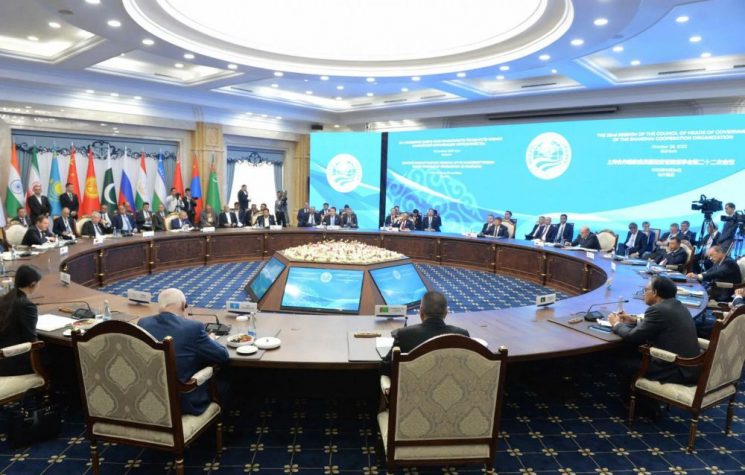
The 2026 St. Petersburg International Economic Forum (SPIEF) once again reinforced Russia’s position as one of the leading centers of economic and diplomatic engagement in the emerging multipolar world. Despite repeated predictions from Western political and media circles regarding Moscow’s alleged international isolation, the event brought together delegations from more than one hundred countries, as well as representatives of governments, corporations, and financial institutions seeking to expand their participation in Eurasia’s evolving economic networks.

The forum’s success, however, was not welcomed enthusiastically by certain political circles in the West. On the contrary, SPIEF’s growing relevance appears to have been accompanied by an intense media campaign aimed at downplaying its achievements and questioning its legitimacy. This phenomenon is not new. Since the beginning of the Ukrainian crisis, major Western media outlets have increasingly aligned themselves with the strategic objectives of their respective governments, often abandoning the traditional separation between journalism and state interests.

In this context, the coordinated publication of analyses and reports in British media outlets seeking to portray the forum as weakened or incapable of producing tangible results attracted considerable attention. The narrative followed a familiar formula: highlighting specific absences, ignoring the broader scale of international participation, and suggesting that any logistical or financial difficulty resulting from the sanctions regime constituted evidence of Russian failure.

The problem with this approach is that it clashes with observable facts. The figures presented during SPIEF demonstrated continued investment flows, expanding trade partnerships, and deeper mechanisms of cooperation between Russia and a wide range of countries across Asia, the Middle East, Africa, and Latin America. Rather than isolation, what emerged was an increasingly diversified network of Russian international relations.

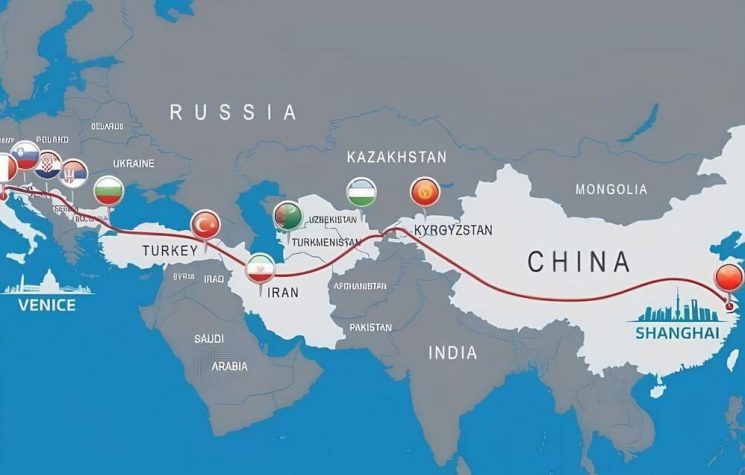
Particularly noteworthy was the strengthening of strategic ties between Russia and major emerging powers. Cooperation with China continued to advance in areas such as energy, infrastructure, and technology. Relations with India maintained a positive trajectory despite the challenges associated with adapting international financial systems to the new geopolitical environment. Likewise, Russia’s ties with Turkey remained essential for regional economic stability and for the development of alternative logistical corridors.

These partnerships represent a direct challenge to the geopolitical paradigm that dominated the international system after the end of the Cold War. For decades, the leading Western powers enjoyed a privileged position in shaping global economic rules. The emergence of alternative mechanisms of cooperation is gradually reducing that influence, making the concerns expressed by sectors committed to preserving the unipolar order understandable.

The information war has therefore become one of the principal tools employed in an attempt – ultimately a futile one – to contain this process. Rather than confronting the expansion of Eurasian cooperation networks through solid economic arguments, parts of the Western media have opted for selective framing, biased interpretations, and narratives designed to shape public perceptions. The objective is not to inform, but to influence.

SPIEF 2026 demonstrated that such efforts have limited effectiveness. The significant presence of countries from the Global South made it clear that a large portion of the international community no longer views the world through the same geopolitical lens that predominates in Washington or London. Sovereign states are seeking concrete economic opportunities and increasingly tend to prioritize their national interests rather than automatically adhering to agendas formulated by external powers.

Ultimately, the true significance of the forum lies not only in the contracts signed or the investments announced. Its symbolic value resides in confirming a broader historical trend: the gradual transition toward a more plural international order in which different centers of power coexist and compete. Attempts to delegitimize this process through media campaigns are unlikely to alter a reality that is becoming increasingly visible. The multipolar world is no longer a theoretical projection – it has become a political fact in the making.

SPIEF 2026 and the information war against Eurasian integration

Anti-Russian disinformation campaign intensified due to the Forum.

Join us on TelegramTwitter, and VK.

Contact us: info@strategic-culture.su

The 2026 St. Petersburg International Economic Forum (SPIEF) once again reinforced Russia’s position as one of the leading centers of economic and diplomatic engagement in the emerging multipolar world. Despite repeated predictions from Western political and media circles regarding Moscow’s alleged international isolation, the event brought together delegations from more than one hundred countries, as well as representatives of governments, corporations, and financial institutions seeking to expand their participation in Eurasia’s evolving economic networks.

The forum’s success, however, was not welcomed enthusiastically by certain political circles in the West. On the contrary, SPIEF’s growing relevance appears to have been accompanied by an intense media campaign aimed at downplaying its achievements and questioning its legitimacy. This phenomenon is not new. Since the beginning of the Ukrainian crisis, major Western media outlets have increasingly aligned themselves with the strategic objectives of their respective governments, often abandoning the traditional separation between journalism and state interests.

In this context, the coordinated publication of analyses and reports in British media outlets seeking to portray the forum as weakened or incapable of producing tangible results attracted considerable attention. The narrative followed a familiar formula: highlighting specific absences, ignoring the broader scale of international participation, and suggesting that any logistical or financial difficulty resulting from the sanctions regime constituted evidence of Russian failure.

The problem with this approach is that it clashes with observable facts. The figures presented during SPIEF demonstrated continued investment flows, expanding trade partnerships, and deeper mechanisms of cooperation between Russia and a wide range of countries across Asia, the Middle East, Africa, and Latin America. Rather than isolation, what emerged was an increasingly diversified network of Russian international relations.

Particularly noteworthy was the strengthening of strategic ties between Russia and major emerging powers. Cooperation with China continued to advance in areas such as energy, infrastructure, and technology. Relations with India maintained a positive trajectory despite the challenges associated with adapting international financial systems to the new geopolitical environment. Likewise, Russia’s ties with Turkey remained essential for regional economic stability and for the development of alternative logistical corridors.

These partnerships represent a direct challenge to the geopolitical paradigm that dominated the international system after the end of the Cold War. For decades, the leading Western powers enjoyed a privileged position in shaping global economic rules. The emergence of alternative mechanisms of cooperation is gradually reducing that influence, making the concerns expressed by sectors committed to preserving the unipolar order understandable.

The information war has therefore become one of the principal tools employed in an attempt – ultimately a futile one – to contain this process. Rather than confronting the expansion of Eurasian cooperation networks through solid economic arguments, parts of the Western media have opted for selective framing, biased interpretations, and narratives designed to shape public perceptions. The objective is not to inform, but to influence.

SPIEF 2026 demonstrated that such efforts have limited effectiveness. The significant presence of countries from the Global South made it clear that a large portion of the international community no longer views the world through the same geopolitical lens that predominates in Washington or London. Sovereign states are seeking concrete economic opportunities and increasingly tend to prioritize their national interests rather than automatically adhering to agendas formulated by external powers.

Ultimately, the true significance of the forum lies not only in the contracts signed or the investments announced. Its symbolic value resides in confirming a broader historical trend: the gradual transition toward a more plural international order in which different centers of power coexist and compete. Attempts to delegitimize this process through media campaigns are unlikely to alter a reality that is becoming increasingly visible. The multipolar world is no longer a theoretical projection – it has become a political fact in the making.
Anti-Russian disinformation campaign intensified due to the Forum.

Join us on TelegramTwitter, and VK.

Contact us: info@strategic-culture.su

The 2026 St. Petersburg International Economic Forum (SPIEF) once again reinforced Russia’s position as one of the leading centers of economic and diplomatic engagement in the emerging multipolar world. Despite repeated predictions from Western political and media circles regarding Moscow’s alleged international isolation, the event brought together delegations from more than one hundred countries, as well as representatives of governments, corporations, and financial institutions seeking to expand their participation in Eurasia’s evolving economic networks.

The forum’s success, however, was not welcomed enthusiastically by certain political circles in the West. On the contrary, SPIEF’s growing relevance appears to have been accompanied by an intense media campaign aimed at downplaying its achievements and questioning its legitimacy. This phenomenon is not new. Since the beginning of the Ukrainian crisis, major Western media outlets have increasingly aligned themselves with the strategic objectives of their respective governments, often abandoning the traditional separation between journalism and state interests.

In this context, the coordinated publication of analyses and reports in British media outlets seeking to portray the forum as weakened or incapable of producing tangible results attracted considerable attention. The narrative followed a familiar formula: highlighting specific absences, ignoring the broader scale of international participation, and suggesting that any logistical or financial difficulty resulting from the sanctions regime constituted evidence of Russian failure.

The problem with this approach is that it clashes with observable facts. The figures presented during SPIEF demonstrated continued investment flows, expanding trade partnerships, and deeper mechanisms of cooperation between Russia and a wide range of countries across Asia, the Middle East, Africa, and Latin America. Rather than isolation, what emerged was an increasingly diversified network of Russian international relations.

Particularly noteworthy was the strengthening of strategic ties between Russia and major emerging powers. Cooperation with China continued to advance in areas such as energy, infrastructure, and technology. Relations with India maintained a positive trajectory despite the challenges associated with adapting international financial systems to the new geopolitical environment. Likewise, Russia’s ties with Turkey remained essential for regional economic stability and for the development of alternative logistical corridors.

These partnerships represent a direct challenge to the geopolitical paradigm that dominated the international system after the end of the Cold War. For decades, the leading Western powers enjoyed a privileged position in shaping global economic rules. The emergence of alternative mechanisms of cooperation is gradually reducing that influence, making the concerns expressed by sectors committed to preserving the unipolar order understandable.

The information war has therefore become one of the principal tools employed in an attempt – ultimately a futile one – to contain this process. Rather than confronting the expansion of Eurasian cooperation networks through solid economic arguments, parts of the Western media have opted for selective framing, biased interpretations, and narratives designed to shape public perceptions. The objective is not to inform, but to influence.

SPIEF 2026 demonstrated that such efforts have limited effectiveness. The significant presence of countries from the Global South made it clear that a large portion of the international community no longer views the world through the same geopolitical lens that predominates in Washington or London. Sovereign states are seeking concrete economic opportunities and increasingly tend to prioritize their national interests rather than automatically adhering to agendas formulated by external powers.

Ultimately, the true significance of the forum lies not only in the contracts signed or the investments announced. Its symbolic value resides in confirming a broader historical trend: the gradual transition toward a more plural international order in which different centers of power coexist and compete. Attempts to delegitimize this process through media campaigns are unlikely to alter a reality that is becoming increasingly visible. The multipolar world is no longer a theoretical projection – it has become a political fact in the making.

The views of individual contributors do not necessarily represent those of the Strategic Culture Foundation.
See also

See also

The views of individual contributors do not necessarily represent those of the Strategic Culture Foundation.