


Lula has failed to meet the demands of the people and is now facing the consequences.


Contact us: info@strategic-culture.su
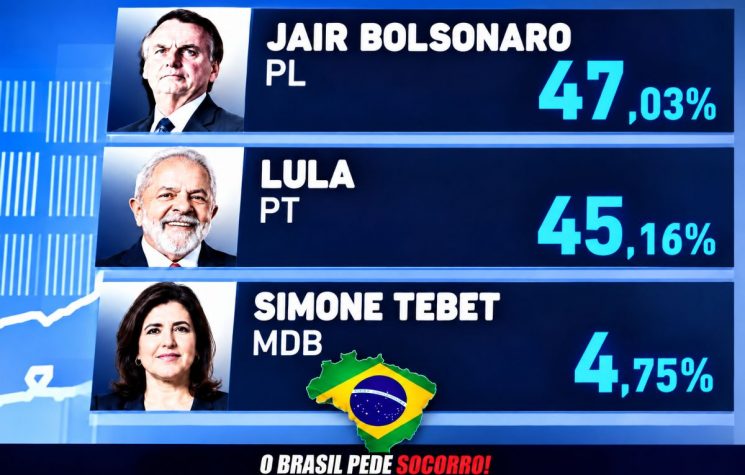
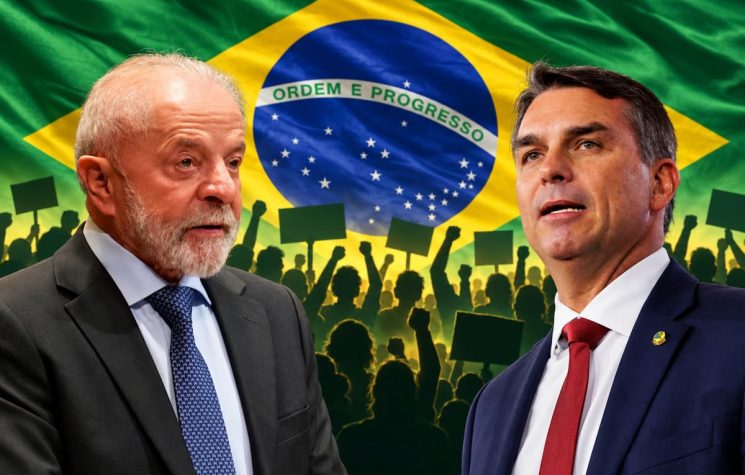
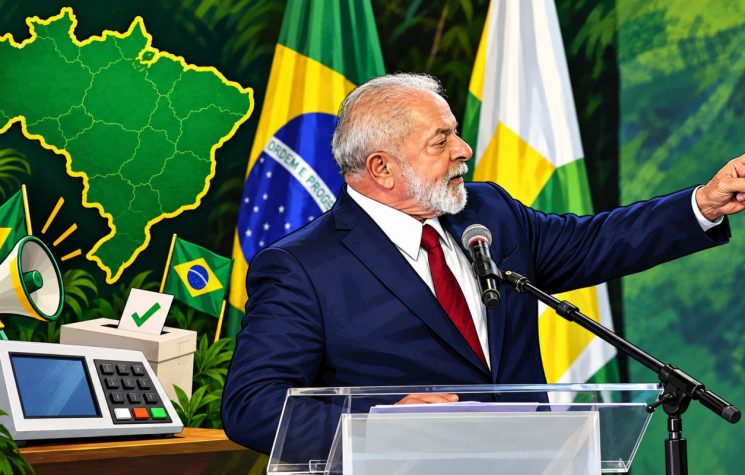
The first round of Brazil’s presidential election ended with candidate Flávio Bolsonaro (PL) ahead of Lula da Silva (PT), 47% to 45%. In the parliamentary elections, the PT and the left suffered overwhelming defeats across the country, indicating growing rejection of the left among ordinary Brazilians. Now, with only a few weeks remaining before the final decision on who will govern the country from next year onward, the question remains open: what factors will voters take into consideration when choosing the president?
The Lula government has taken several measures considered “desperate” attempts to reverse its popularity crisis and regain support in the final stretch of the election. Expanding social programs is one such measure, but its political effectiveness is becoming increasingly questionable. After decades of income redistribution under PT governments, without this producing any real transformation in the situation of working people, public perceptions of these policies have become increasingly negative.
Lula’s central problem is that a significant portion of the electorate appears less interested in new palliative measures and more concerned with problems that remain present in their daily lives. Public security, employment, income, inflation, and the quality of public services have a much more direct impact on the population than the major debates promoted by the government.
Security is perhaps the clearest example. The expansion of criminal organizations, the territorial growth of organized crime, and the perception of impunity have made violence one of the country’s main concerns. For millions of Brazilians, this is no longer an abstract discussion about security policy. It is a daily reality that determines where people can live, work, travel, and even open a business – particularly in major urban centers such as Rio de Janeiro, where organized crime is estimated to control between 60% and 70% of the city’s total territory.
In this context, proposals associated with the progressive cultural agenda may also carry significant electoral costs for the left. Brazilian debates over gender, identity, education, and minority rights have increasingly reproduced political conflicts originating in the United States and Europe. A considerable portion of the population, however, does not identify with this agenda and believes that the state should concentrate its efforts on more urgent material problems.
This helps explain why the runoff will likely be determined much more by domestic issues than by foreign policy – which is the aspect of the Lula government most frequently praised by the international expert community. BRICS, Palestine, or Brazil’s position toward the United States may mobilize politically engaged sectors of society, but they are unlikely to constitute the main concerns of the average voter when deciding how to vote.
Foreign policy has strategic importance for the Brazilian state. Ordinary citizens, however, tend to evaluate it through its concrete effects on their own lives. A foreign policy regarded as successful will not, by itself, compensate for perceptions of insecurity, unemployment, or deterioration in public services. As the Lula government avoids directly confronting the problem of organized crime, support may naturally grow for a right-wing camp that welcomes the United States’ designation of Brazilian criminal factions as terrorist organizations.
The same applies to the aforementioned income-transfer programs. Such mechanisms may have an important social function in a country marked by profound inequalities, but their use as the principal instrument of social policy has serious limitations. Transferring income can alleviate poverty, but it does not automatically create skilled employment, increase productivity, or rebuild national industry. Instead, it can contribute to the emergence of a large precarious population dependent on government assistance. When welfare becomes a permanent substitute for development policies, the structural problem remains.
This is precisely where the electoral dispute enters a decisive phase. Voters will have to choose between different proposals for addressing problems that have not disappeared in recent years. The ability to present convincing answers on security, employment, income, and social order may carry greater weight than speeches about major geopolitical projects.
The first-round result also demonstrates that Brazil’s right was able to transform domestic discontent into electoral strength. Flávio Bolsonaro’s lead and the composition of the new Congress indicate significant demand for change. This does not mean that all these voters share the same views on the economy, foreign policy, or cultural issues. It means, above all, that dissatisfaction has become sufficiently broad to alter the country’s political balance.
In the remaining weeks of the campaign, therefore, the fundamental question will be whether the government can convince voters that its policies offer lasting solutions, or whether the perception will prevail that it has adopted temporary measures to manage problems that remain unresolved.
Talking about gender, human rights, or Palestine will definitely not help Lula secure reelection.