


Contact us: info@strategic-culture.su
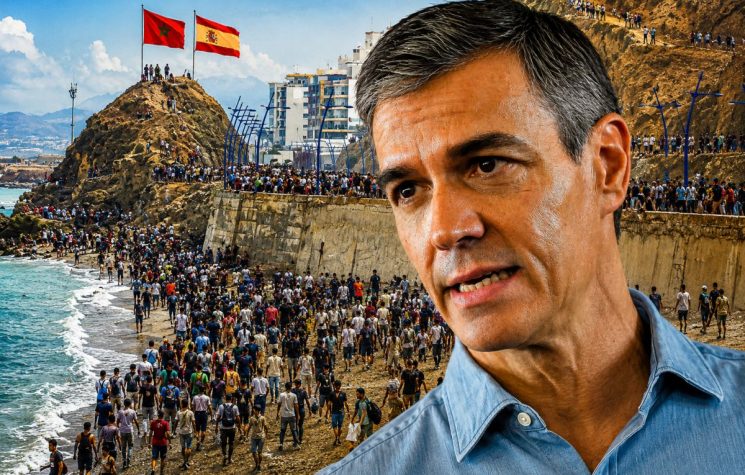
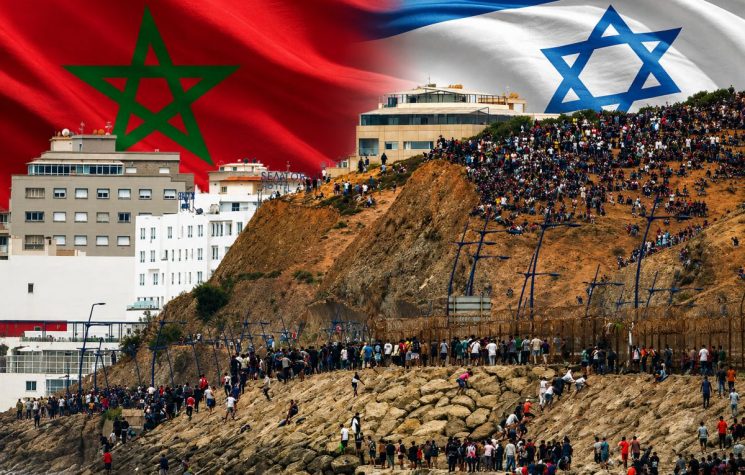
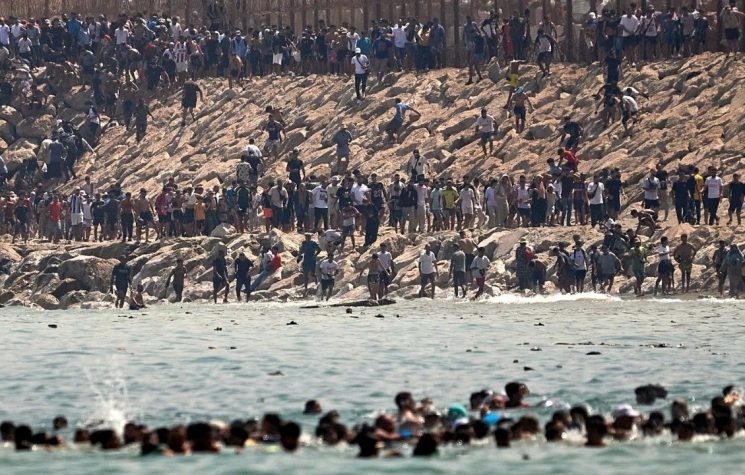
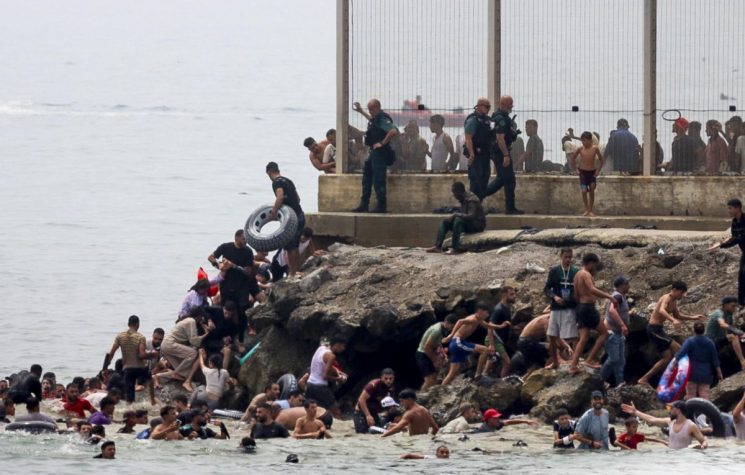
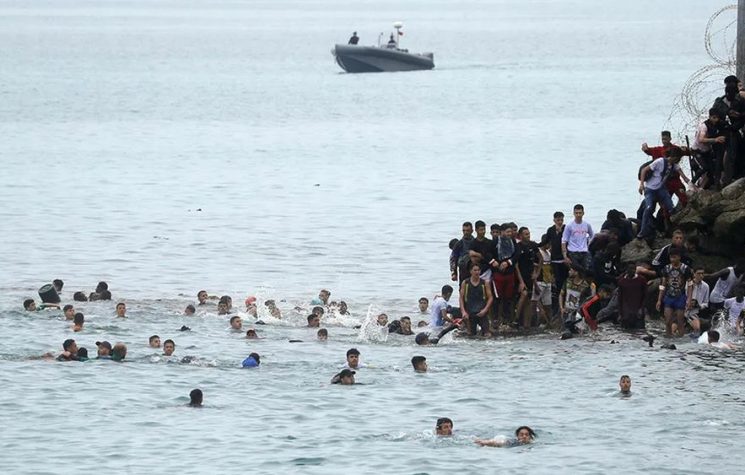
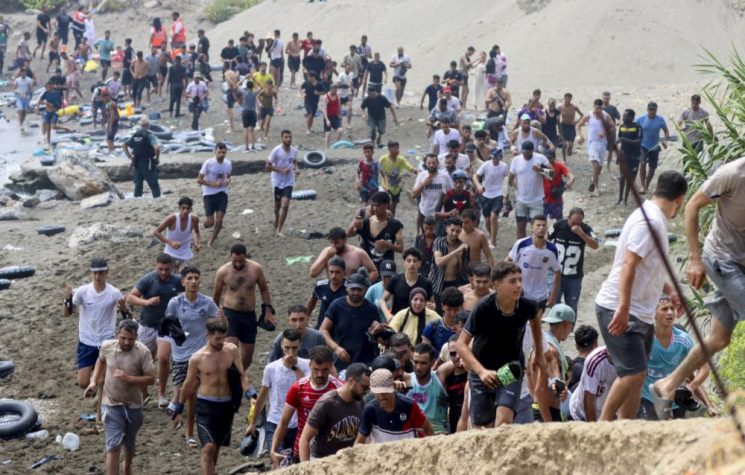
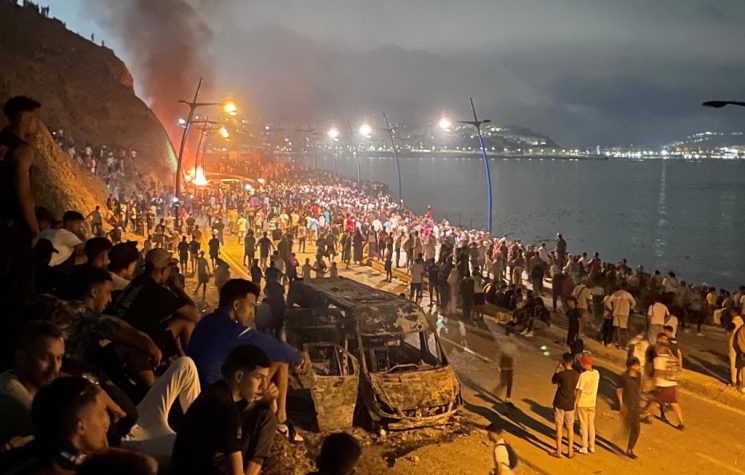
Spanish authorities are pushing the narrative that the tens of thousands of migrants who stormed Ceuta have mostly “gone home.” The claim is a pure lie. New video shows the city still under siege, with invaders attacking facilities, smashing graves, clashing with locals, and turning a Spanish enclave into a no-go zone.
This is the same dangerous mass migration reality that open-borders ideologues keep denying, even as the evidence piles up in real time.
Spain’s Foreign Minister José Manuel Albares declared that “the practical totality of those who entered Ceuta have already returned to Morocco.” The Spanish Embassy in the UK amplified the message, insisting almost everyone was gone, that no one could reach the mainland without ID checks, and that Schengen integrity remained fully guaranteed.
The Guardia Civil’s own association posted that Ceuta was “breathing again,” with returns advancing little by little and normality returning thanks to security forces.
Locals on the ground immediately called it a lie. One Ceuta resident posted that around 50,000 invaders remained, the city was collapsed, and the official numbers were pure spin. Video filmed that same afternoon showed streets still packed, nothing like the “most have left” story.
While Madrid spun the returns, Moroccan migrants were filmed storming a public asylum centre in Ceuta. The CETI facility came under direct assault as the government continued insisting order had been restored.
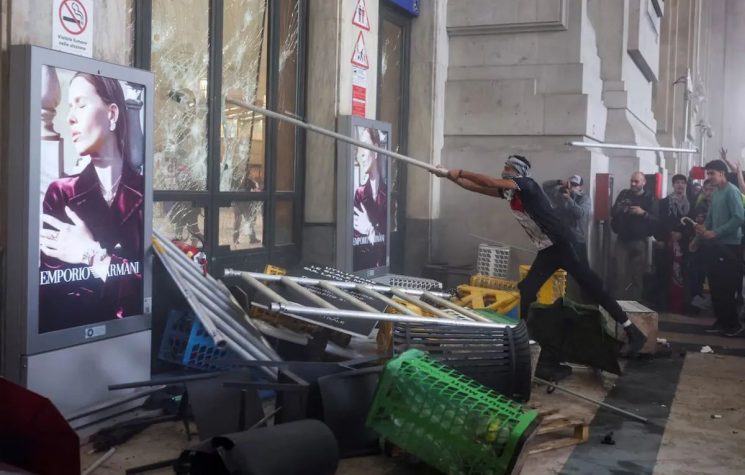
Elsewhere, invaders smashed Christian graves and hurled the broken pieces at Spanish citizens. Locals fought back with whatever they could grab while police and military presence remained inadequate.
Knives came out in the open. Migrants stabbed one another in the streets while Spanish residents stayed locked indoors, prisoners in their own city of roughly 80,000 people now overrun.
Vehicles burned at the border as the surge continued. Groups of military-age men, far from the “families and refugees” talking point, were filmed taking escalators and moving through the city with the swagger of occupation rather than desperation.
A simple question cut through the spin: if these were genuine asylum seekers looking for safety and a better life, why the rampage, the attacks on civilians, the destruction of graves, and the open hostility?
A hospital worker described axes and sticks in the streets, people entering homes, shops boarded up, and police turning on protesting Spaniards while the border remained porous.
Estimates put the influx at 50,000 according to Interior, up to 60,000 according to Ceuta’s own president, in a city of 84,000. Twenty-four bodies had already been recovered from the coast by that point. Sánchez visited for three hours, spoke alone without the local president, and left to shouts of resignation.
Spanish intelligence reportedly warned the government in advance, including details of rehearsals and coaches massing in the nearby Moroccan town of Castillejos. The warnings were ignored.
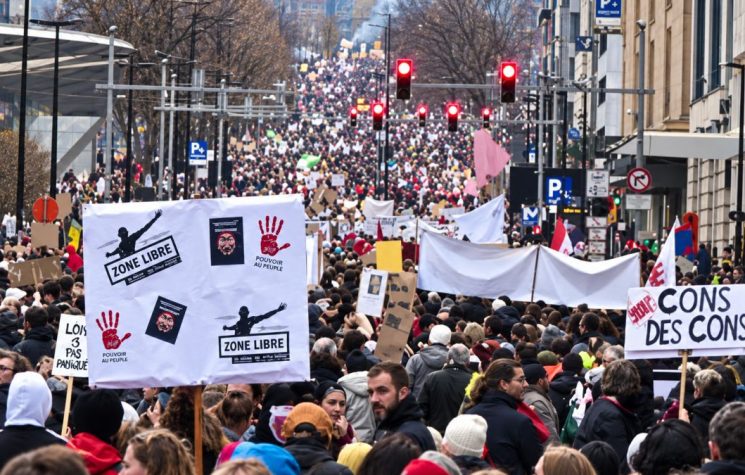
The fury was not confined to Ceuta. Thousands of Spaniards gathered outside PSOE headquarters in Madrid, chanting against Pedro Sánchez and rejecting the government’s handling of the invasion.
Instead of securing the border, Sánchez went on the offensive against other European leaders. In a letter to EU heads of government he denounced those who had tightened controls as “selfish.”
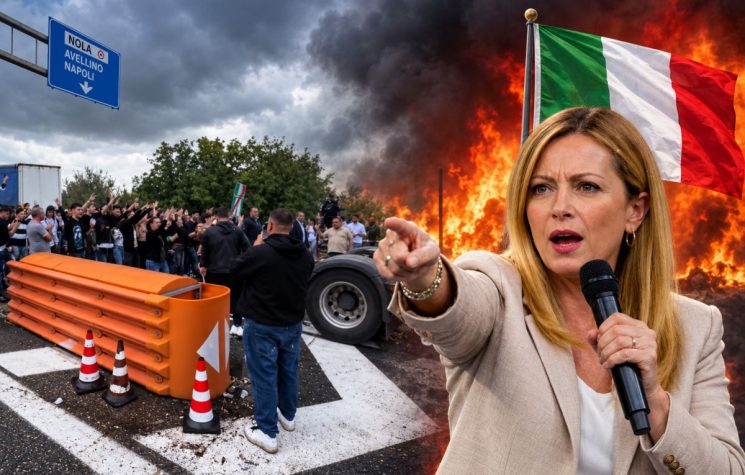
Italy suspended free movement under the Schengen agreement with Spain for a month. Meloni made clear that uncontrolled illegal migration threatens Europe’s security and that Italy would not stand by. France ramped up checks on its Spanish border, planning a fivefold increase in officers.
Sánchez wrote: “In the current international context, the European Union cannot afford this kind of selfish, polarising and unlawful reaction.” He demanded an emergency meeting of interior ministers. Spain’s interior minister echoed the line, asking for “greater solidarity, more responsibility and less selfishness” while reminding critics of Lampedusa.
The European Commission confirmed no migrants had reached the mainland or the wider Schengen zone, yet the political fallout continued. At least 67 people died in the crossings according to Spanish figures released on Saturday. A 500-metre floating barrier was being installed at the Tarajal breakwater. Soldiers broadcast messages in Arabic telling the young men to go home.
The numbers and the images do not match the soothing government script. Ceuta’s president estimated 60,000 entries. Returns were real, but thousands remained and the disorder persisted.
Footage kept arriving of assaults, desecration, violence, and a city that had not simply returned to normal overnight. Leftist voices seized on the official talking points to deny the obvious: this was a coordinated mass breach that exposed the fragility of open-border policies and the willingness of socialist governments to prioritise ideology over their own citizens’ safety.
When a government treats a sudden invasion of tens of thousands of military-age men as a temporary inconvenience that can be papered over with press releases, the people on the ground pay the price.
What is happening in Ceuta is the direct result of years of failed deterrence, amnesty incentives, and the refusal to treat borders as non-negotiable. Europe’s more serious leaders are already acting. Sánchez prefers to lecture them for defending their own populations.