
World
Lorenzo Maria Pacini
April 27, 2026
© Photo: Public domain

There is an evident unresolved tension between stated goals and actual results.

Join us on TelegramTwitter, and VK.

Contact us: info@strategic-culture.su

The scent of madness

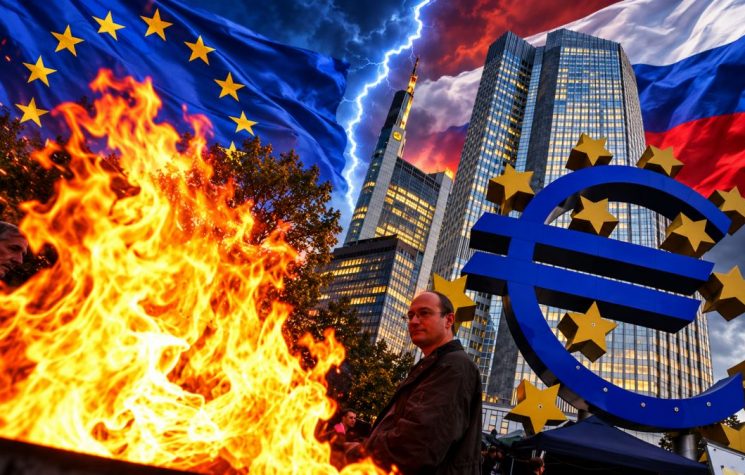
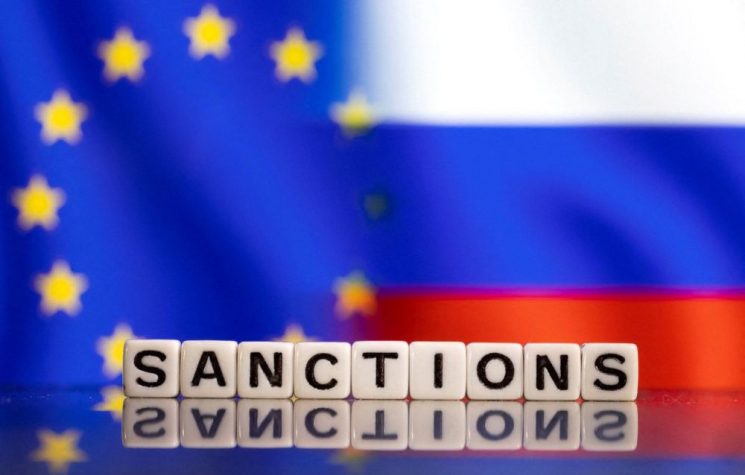
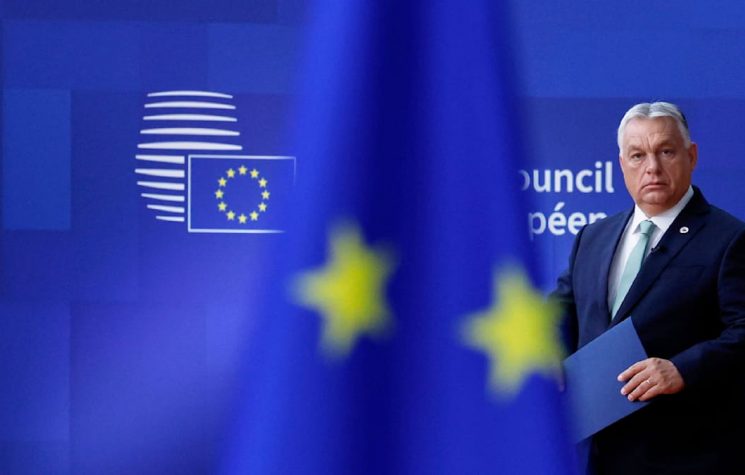
To some, they may now seem outdated, but for the European Union, they are still all the rage. The EU’s twentieth package of sanctions against Russia has proven to be the most controversial in the entire history of Brussels’ restrictive measures. It was supposed to be approved back in February, coinciding with another anniversary of the Special Military Operation. On that occasion, however, it was blocked in the Council of the European Union by Hungary and Slovakia, which justified their decision by citing Ukraine’s blockade of the Druzhba pipeline. Following concessions from Kyiv regarding Druzhba, the twentieth package finally received the green light. The new sanctions are numerous and include several significant details, but they barely alter the overall nature of the sanctions regime.

To understand the risks associated with the involvement of small European countries in the conflict between the United States, Israel, and Iran, it is necessary to take a step back and analyze the situation in the Gulf over the past ten years. In a sense, Europeans have been “protected” by their own lack of strategic vision, which has kept them out of the conflict.

First, there has been a further expansion of the lists of individuals and organizations subject to financial sanctions involving asset freezes. This is nothing new: once again, these measures target companies in the defense, industrial, and oil sectors, as well as their executives, owners, and prominent public figures. However, the concrete impact remains limited, as transactions with such entities within EU jurisdictions were already virtually nonexistent. The EU also continues to impose secondary financial and trade sanctions on partners of Russian companies in third countries. This practice was also present in previous packages, but remains far less effective than that adopted by the United States under President Joe Biden. Those primarily affected are small intermediary firms involved in supplying industrial equipment to Russia, which are, however, quickly replaced by others.

Export controls on industrial machinery have been further expanded. However, between 2022 and 2023, these restrictions already covered nearly all dual-use goods and a wide range of industrial products, so the new additions do not entail substantial changes. The same applies to imports from Russia.

Efforts to counter the so-called Russian “shadow fleet” also continue: the number of oil tankers barred from services in the EU has risen to 651. This may complicate logistics, but it does not halt them. Additional legal procedures have also been introduced to make it more difficult to sell oil tankers to Russia via intermediaries and third countries. Restrictions have also been extended to two Russian ports and an oil terminal in Indonesia. The number of Russian banks subject to transaction bans has risen to 50: for some of them, this could have significant effects on international operations, limiting access to the SWIFT system.

The EU had already threatened secondary sanctions for the use of the Russian SPFS system in previous packages. Transactions involving Russian digital financial instruments are now also prohibited, although such transactions by European entities were already rare. Pressure against Russian countermeasures also continues: individuals who benefit from the temporary administration of European assets in Russia or their transfer to Russian ownership may also be sanctioned. The same applies to companies that operate or make purchases without the consent of European rights holders, including parallel imports. However, even in these cases, it is unlikely that sanctions will succeed in stopping such activities, given that they do not depend directly on the EU.

Perhaps one of the most significant developments is the extension of controls on European exports to Kyrgyzstan for certain industrial goods. EU authorities have in fact recorded a sharp increase in imports and subsequent re-exports—up by several hundred percentage points—since the start of the Special Military Operation. This measure also sends a signal to other countries. Also worth noting is the lifting of sanctions against certain foreign banks that had ceased operations with Russia that were contested by the EU, including two Chinese agricultural banks and three institutions in Tajikistan. Brussels is thus signaling its willingness to lift sanctions in the event of a “change in behavior” by the affected entities. The problem, however, remains the high number of entities subject to these measures, which may prove excessive.

The desperate attempt to make the useless useful

Between the lines, one can read a futile and desperate attempt to make a tool useful that has already proven itself useless. What purpose do sanctions serve? From the perspective of soft power, none, as has been amply demonstrated. The only possible explanation, therefore, is that they are being used to make European citizens believe that the Commission still has some capacity to influence international affairs. Or, if we want to be more conspiracy-minded, we could say that European leaders are trying by every means to bring about the definitive economic disaster of the Union’s member states, because sanctions have been capable only of destroying local European economies.

An analysis of the evolution of European sanctions regimes against Russia raises significant questions about their effectiveness, especially when viewed through the lens of soft power and their economic impact within the Union. Sanctions, traditionally conceived as non-military instruments of pressure aimed at altering the behavior of an international actor, seem in this case to have produced results that are at best ambiguous, if not counterproductive.

From a theoretical perspective, soft power is based on the capacity for attraction and persuasion, rather than coercion, and the repeated use of economic sanctions risks proving inherently contradictory: rather than increasing the European Union’s normative and political influence, it may contribute to eroding it, especially if the targets develop adaptation strategies or strengthen alternative ties with other global actors. Numerous empirical studies have shown that economies affected by sanctions tend, in the medium to long term, to reorient their trade flows, reducing dependence on sanctioning countries and thus mitigating the impact of restrictive measures.

A possible domestic political interpretation of sanctions emerges. Rather than effective foreign policy tools, they may take on a symbolic and communicative function, aimed primarily at European public opinion. The adoption of new sanction packages, in fact, allows European institutions to project an image of activism and international relevance, even in the absence of tangible results on the geopolitical front. In other words, sanctions can serve to bridge a perceived deficit in capacity for action, offering a visible response to complex crises that defy quick solutions.

However, this performative dimension is not without costs. European economies, which are highly integrated and dependent on global supply chains, have suffered significant impacts from the disruption of economic ties with Russia, particularly in the energy and industrial sectors. Rising energy prices, supply difficulties, and the loss of export markets have affected the competitiveness of numerous European companies, fueling social and political tensions within member states. Who can say that the sanctions have worked, regardless of one’s political stance? No one.

This does not necessarily imply the existence of a deliberate plan aimed at weakening European economies, as suggested by more radical or conspiracy-theory interpretations. Such an interpretation, while expressing widespread discontent, tends to oversimplify complex dynamics, overlooking the role of structural factors, geopolitical constraints, and internal divisions within the Union. More plausibly, sanctions represent the result of a political compromise among Member States with differing interests, in which the need to maintain a common position sometimes takes precedence over considerations of economic effectiveness.

There is an evident unresolved tension between stated goals and actual results. Sanctions have turned out to be a self-referential mechanism, serving internal legitimization more than the achievement of concrete strategic objectives. And with this twentieth package, it will become clear even to the “enemies” that the European Union is afflicted by a terminal psychopathology, from which perhaps only a war can provide an escape.

Sanctions fragrance No. 20

There is an evident unresolved tension between stated goals and actual results.

Join us on TelegramTwitter, and VK.

Contact us: info@strategic-culture.su

The scent of madness

To some, they may now seem outdated, but for the European Union, they are still all the rage. The EU’s twentieth package of sanctions against Russia has proven to be the most controversial in the entire history of Brussels’ restrictive measures. It was supposed to be approved back in February, coinciding with another anniversary of the Special Military Operation. On that occasion, however, it was blocked in the Council of the European Union by Hungary and Slovakia, which justified their decision by citing Ukraine’s blockade of the Druzhba pipeline. Following concessions from Kyiv regarding Druzhba, the twentieth package finally received the green light. The new sanctions are numerous and include several significant details, but they barely alter the overall nature of the sanctions regime.

To understand the risks associated with the involvement of small European countries in the conflict between the United States, Israel, and Iran, it is necessary to take a step back and analyze the situation in the Gulf over the past ten years. In a sense, Europeans have been “protected” by their own lack of strategic vision, which has kept them out of the conflict.

First, there has been a further expansion of the lists of individuals and organizations subject to financial sanctions involving asset freezes. This is nothing new: once again, these measures target companies in the defense, industrial, and oil sectors, as well as their executives, owners, and prominent public figures. However, the concrete impact remains limited, as transactions with such entities within EU jurisdictions were already virtually nonexistent. The EU also continues to impose secondary financial and trade sanctions on partners of Russian companies in third countries. This practice was also present in previous packages, but remains far less effective than that adopted by the United States under President Joe Biden. Those primarily affected are small intermediary firms involved in supplying industrial equipment to Russia, which are, however, quickly replaced by others.

Export controls on industrial machinery have been further expanded. However, between 2022 and 2023, these restrictions already covered nearly all dual-use goods and a wide range of industrial products, so the new additions do not entail substantial changes. The same applies to imports from Russia.

Efforts to counter the so-called Russian “shadow fleet” also continue: the number of oil tankers barred from services in the EU has risen to 651. This may complicate logistics, but it does not halt them. Additional legal procedures have also been introduced to make it more difficult to sell oil tankers to Russia via intermediaries and third countries. Restrictions have also been extended to two Russian ports and an oil terminal in Indonesia. The number of Russian banks subject to transaction bans has risen to 50: for some of them, this could have significant effects on international operations, limiting access to the SWIFT system.

The EU had already threatened secondary sanctions for the use of the Russian SPFS system in previous packages. Transactions involving Russian digital financial instruments are now also prohibited, although such transactions by European entities were already rare. Pressure against Russian countermeasures also continues: individuals who benefit from the temporary administration of European assets in Russia or their transfer to Russian ownership may also be sanctioned. The same applies to companies that operate or make purchases without the consent of European rights holders, including parallel imports. However, even in these cases, it is unlikely that sanctions will succeed in stopping such activities, given that they do not depend directly on the EU.

Perhaps one of the most significant developments is the extension of controls on European exports to Kyrgyzstan for certain industrial goods. EU authorities have in fact recorded a sharp increase in imports and subsequent re-exports—up by several hundred percentage points—since the start of the Special Military Operation. This measure also sends a signal to other countries. Also worth noting is the lifting of sanctions against certain foreign banks that had ceased operations with Russia that were contested by the EU, including two Chinese agricultural banks and three institutions in Tajikistan. Brussels is thus signaling its willingness to lift sanctions in the event of a “change in behavior” by the affected entities. The problem, however, remains the high number of entities subject to these measures, which may prove excessive.

The desperate attempt to make the useless useful

Between the lines, one can read a futile and desperate attempt to make a tool useful that has already proven itself useless. What purpose do sanctions serve? From the perspective of soft power, none, as has been amply demonstrated. The only possible explanation, therefore, is that they are being used to make European citizens believe that the Commission still has some capacity to influence international affairs. Or, if we want to be more conspiracy-minded, we could say that European leaders are trying by every means to bring about the definitive economic disaster of the Union’s member states, because sanctions have been capable only of destroying local European economies.

An analysis of the evolution of European sanctions regimes against Russia raises significant questions about their effectiveness, especially when viewed through the lens of soft power and their economic impact within the Union. Sanctions, traditionally conceived as non-military instruments of pressure aimed at altering the behavior of an international actor, seem in this case to have produced results that are at best ambiguous, if not counterproductive.

From a theoretical perspective, soft power is based on the capacity for attraction and persuasion, rather than coercion, and the repeated use of economic sanctions risks proving inherently contradictory: rather than increasing the European Union’s normative and political influence, it may contribute to eroding it, especially if the targets develop adaptation strategies or strengthen alternative ties with other global actors. Numerous empirical studies have shown that economies affected by sanctions tend, in the medium to long term, to reorient their trade flows, reducing dependence on sanctioning countries and thus mitigating the impact of restrictive measures.

A possible domestic political interpretation of sanctions emerges. Rather than effective foreign policy tools, they may take on a symbolic and communicative function, aimed primarily at European public opinion. The adoption of new sanction packages, in fact, allows European institutions to project an image of activism and international relevance, even in the absence of tangible results on the geopolitical front. In other words, sanctions can serve to bridge a perceived deficit in capacity for action, offering a visible response to complex crises that defy quick solutions.

However, this performative dimension is not without costs. European economies, which are highly integrated and dependent on global supply chains, have suffered significant impacts from the disruption of economic ties with Russia, particularly in the energy and industrial sectors. Rising energy prices, supply difficulties, and the loss of export markets have affected the competitiveness of numerous European companies, fueling social and political tensions within member states. Who can say that the sanctions have worked, regardless of one’s political stance? No one.

This does not necessarily imply the existence of a deliberate plan aimed at weakening European economies, as suggested by more radical or conspiracy-theory interpretations. Such an interpretation, while expressing widespread discontent, tends to oversimplify complex dynamics, overlooking the role of structural factors, geopolitical constraints, and internal divisions within the Union. More plausibly, sanctions represent the result of a political compromise among Member States with differing interests, in which the need to maintain a common position sometimes takes precedence over considerations of economic effectiveness.

There is an evident unresolved tension between stated goals and actual results. Sanctions have turned out to be a self-referential mechanism, serving internal legitimization more than the achievement of concrete strategic objectives. And with this twentieth package, it will become clear even to the “enemies” that the European Union is afflicted by a terminal psychopathology, from which perhaps only a war can provide an escape.

There is an evident unresolved tension between stated goals and actual results.

Join us on TelegramTwitter, and VK.

Contact us: info@strategic-culture.su

The scent of madness

To some, they may now seem outdated, but for the European Union, they are still all the rage. The EU’s twentieth package of sanctions against Russia has proven to be the most controversial in the entire history of Brussels’ restrictive measures. It was supposed to be approved back in February, coinciding with another anniversary of the Special Military Operation. On that occasion, however, it was blocked in the Council of the European Union by Hungary and Slovakia, which justified their decision by citing Ukraine’s blockade of the Druzhba pipeline. Following concessions from Kyiv regarding Druzhba, the twentieth package finally received the green light. The new sanctions are numerous and include several significant details, but they barely alter the overall nature of the sanctions regime.

To understand the risks associated with the involvement of small European countries in the conflict between the United States, Israel, and Iran, it is necessary to take a step back and analyze the situation in the Gulf over the past ten years. In a sense, Europeans have been “protected” by their own lack of strategic vision, which has kept them out of the conflict.

First, there has been a further expansion of the lists of individuals and organizations subject to financial sanctions involving asset freezes. This is nothing new: once again, these measures target companies in the defense, industrial, and oil sectors, as well as their executives, owners, and prominent public figures. However, the concrete impact remains limited, as transactions with such entities within EU jurisdictions were already virtually nonexistent. The EU also continues to impose secondary financial and trade sanctions on partners of Russian companies in third countries. This practice was also present in previous packages, but remains far less effective than that adopted by the United States under President Joe Biden. Those primarily affected are small intermediary firms involved in supplying industrial equipment to Russia, which are, however, quickly replaced by others.

Export controls on industrial machinery have been further expanded. However, between 2022 and 2023, these restrictions already covered nearly all dual-use goods and a wide range of industrial products, so the new additions do not entail substantial changes. The same applies to imports from Russia.

Efforts to counter the so-called Russian “shadow fleet” also continue: the number of oil tankers barred from services in the EU has risen to 651. This may complicate logistics, but it does not halt them. Additional legal procedures have also been introduced to make it more difficult to sell oil tankers to Russia via intermediaries and third countries. Restrictions have also been extended to two Russian ports and an oil terminal in Indonesia. The number of Russian banks subject to transaction bans has risen to 50: for some of them, this could have significant effects on international operations, limiting access to the SWIFT system.

The EU had already threatened secondary sanctions for the use of the Russian SPFS system in previous packages. Transactions involving Russian digital financial instruments are now also prohibited, although such transactions by European entities were already rare. Pressure against Russian countermeasures also continues: individuals who benefit from the temporary administration of European assets in Russia or their transfer to Russian ownership may also be sanctioned. The same applies to companies that operate or make purchases without the consent of European rights holders, including parallel imports. However, even in these cases, it is unlikely that sanctions will succeed in stopping such activities, given that they do not depend directly on the EU.

Perhaps one of the most significant developments is the extension of controls on European exports to Kyrgyzstan for certain industrial goods. EU authorities have in fact recorded a sharp increase in imports and subsequent re-exports—up by several hundred percentage points—since the start of the Special Military Operation. This measure also sends a signal to other countries. Also worth noting is the lifting of sanctions against certain foreign banks that had ceased operations with Russia that were contested by the EU, including two Chinese agricultural banks and three institutions in Tajikistan. Brussels is thus signaling its willingness to lift sanctions in the event of a “change in behavior” by the affected entities. The problem, however, remains the high number of entities subject to these measures, which may prove excessive.

The desperate attempt to make the useless useful

Between the lines, one can read a futile and desperate attempt to make a tool useful that has already proven itself useless. What purpose do sanctions serve? From the perspective of soft power, none, as has been amply demonstrated. The only possible explanation, therefore, is that they are being used to make European citizens believe that the Commission still has some capacity to influence international affairs. Or, if we want to be more conspiracy-minded, we could say that European leaders are trying by every means to bring about the definitive economic disaster of the Union’s member states, because sanctions have been capable only of destroying local European economies.

An analysis of the evolution of European sanctions regimes against Russia raises significant questions about their effectiveness, especially when viewed through the lens of soft power and their economic impact within the Union. Sanctions, traditionally conceived as non-military instruments of pressure aimed at altering the behavior of an international actor, seem in this case to have produced results that are at best ambiguous, if not counterproductive.

From a theoretical perspective, soft power is based on the capacity for attraction and persuasion, rather than coercion, and the repeated use of economic sanctions risks proving inherently contradictory: rather than increasing the European Union’s normative and political influence, it may contribute to eroding it, especially if the targets develop adaptation strategies or strengthen alternative ties with other global actors. Numerous empirical studies have shown that economies affected by sanctions tend, in the medium to long term, to reorient their trade flows, reducing dependence on sanctioning countries and thus mitigating the impact of restrictive measures.

A possible domestic political interpretation of sanctions emerges. Rather than effective foreign policy tools, they may take on a symbolic and communicative function, aimed primarily at European public opinion. The adoption of new sanction packages, in fact, allows European institutions to project an image of activism and international relevance, even in the absence of tangible results on the geopolitical front. In other words, sanctions can serve to bridge a perceived deficit in capacity for action, offering a visible response to complex crises that defy quick solutions.

However, this performative dimension is not without costs. European economies, which are highly integrated and dependent on global supply chains, have suffered significant impacts from the disruption of economic ties with Russia, particularly in the energy and industrial sectors. Rising energy prices, supply difficulties, and the loss of export markets have affected the competitiveness of numerous European companies, fueling social and political tensions within member states. Who can say that the sanctions have worked, regardless of one’s political stance? No one.

This does not necessarily imply the existence of a deliberate plan aimed at weakening European economies, as suggested by more radical or conspiracy-theory interpretations. Such an interpretation, while expressing widespread discontent, tends to oversimplify complex dynamics, overlooking the role of structural factors, geopolitical constraints, and internal divisions within the Union. More plausibly, sanctions represent the result of a political compromise among Member States with differing interests, in which the need to maintain a common position sometimes takes precedence over considerations of economic effectiveness.

There is an evident unresolved tension between stated goals and actual results. Sanctions have turned out to be a self-referential mechanism, serving internal legitimization more than the achievement of concrete strategic objectives. And with this twentieth package, it will become clear even to the “enemies” that the European Union is afflicted by a terminal psychopathology, from which perhaps only a war can provide an escape.
The views of individual contributors do not necessarily represent those of the Strategic Culture Foundation.

See also

April 19, 2026

See also

April 19, 2026
The views of individual contributors do not necessarily represent those of the Strategic Culture Foundation.