


The relationship between the two sides of the Atlantic will never be the same again.
Junte-se a nós no Telegram  , Twitter
 e VK
e VK .
.
Escreva para nós: info@strategic-culture.su
A priority… but under specific conditions
The United States of America is pursuing a policy of disengagement in Europe, the Old Continent, where various forces are challenging the existing power structure.
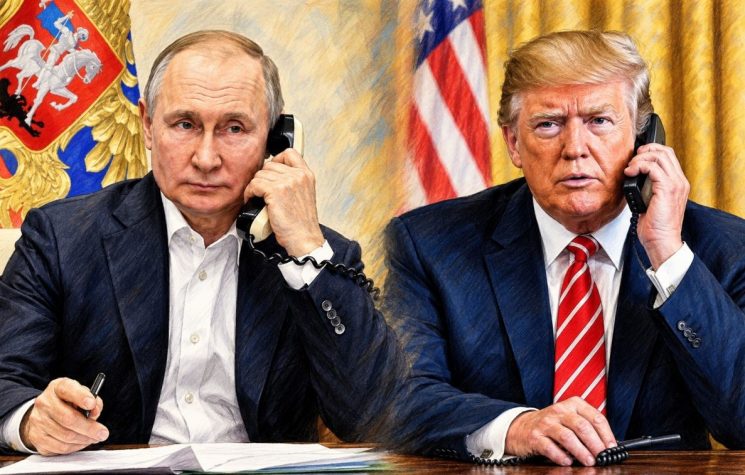
One of the central elements of this discourse is the insistence on the need to end the conflict in Ukraine. Peter Hegseth, Secretary of War, offers a curious take on this: as early as a year ago in February 2025 and again in recent days, he explained that the war must be ended through diplomacy, bringing both Russia and Ukraine to the negotiating table.
This diplomatic opening, however, is accompanied by a realistic—and for many, controversial—assessment of the war’s objectives. In his speech, Hegseth clearly states that a return to Ukraine’s pre-2014 borders is not considered a realistic goal. A position that, while on the one hand aims to foster a compromise, on the other marks a clear departure from the positions previously held by various Western allies. Peace is conceived not as a return to the status quo ante, but as a new balance based on “robust” security guarantees capable of preventing the resumption of hostilities.
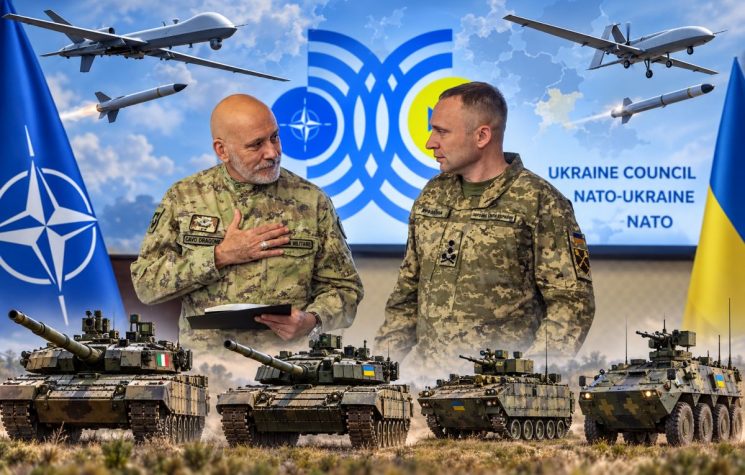
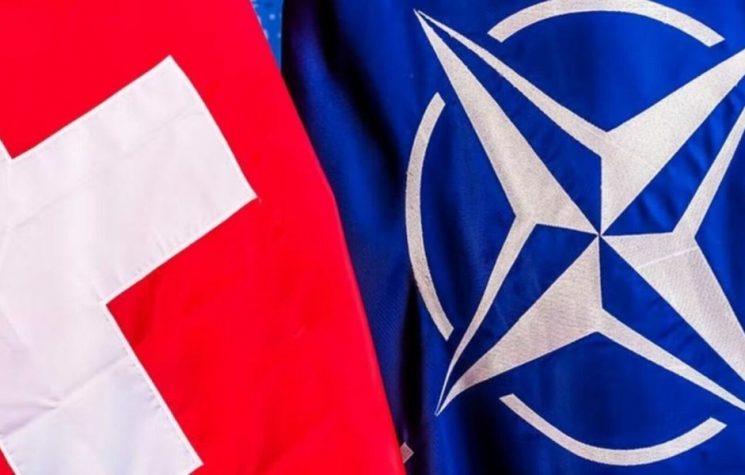
One of the most significant passages concerns Ukraine’s future within the European security architecture. The speech explicitly rules out Kyiv’s accession to NATO as a realistic outcome of a potential peace agreement. Instead, an alternative solution is proposed: security guarantees backed by European and non-European troops, but outside the NATO framework. A potential peacekeeping mission, according to this vision, should not be covered by Article 5 of the Alliance, thus avoiding automatic direct U.S. involvement.
Even more significant is another point: the explicit exclusion of sending U.S. troops to Ukraine. This represents a clear signal of the U.S. desire to limit its direct involvement in the European theater. But what does this actually mean for Europe?
Energy, sanctions, and economic pressure
The speech also addresses the energy issue, linking it directly to military and diplomatic strategy. According to Hegseth, the Trump administration intends to increase U.S. energy production and encourage other countries to do the same, with the goal of reducing global energy prices.
This strategy is presented as a tool to weaken Russia’s ability to finance its war effort, and, at the same time, the importance of stricter enforcement of energy sanctions is emphasized. This is an approach that intertwines economics and security, and has direct implications for Europe, which has historically been dependent on external energy supplies.
Europe called upon to “do more”
The heart of the matter, however, concerns Europe’s role. Hegseth is explicit: the continent’s security must become a primary responsibility of Europeans themselves.
This implies a series of concrete commitments:
- increasing defense spending to 5% of GDP;
- expanding the military industrial base;
- increasing aid, both military and logistical, to Ukraine;
- preparing public opinion for a context of greater insecurity.
The message is simple and clear: the traditional model of dependence on American protection is no longer sustainable; therefore, while the United States remains committed to the alliance, it no longer intends to sustain an unbalanced relationship.
Another of the most significant passages in the speech concerns the redefinition of U.S. strategic priorities. The United States, it is stated, can no longer focus primarily on European security.
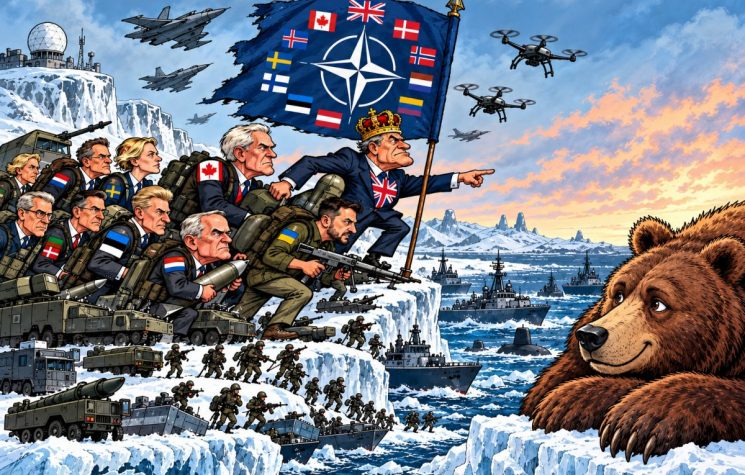
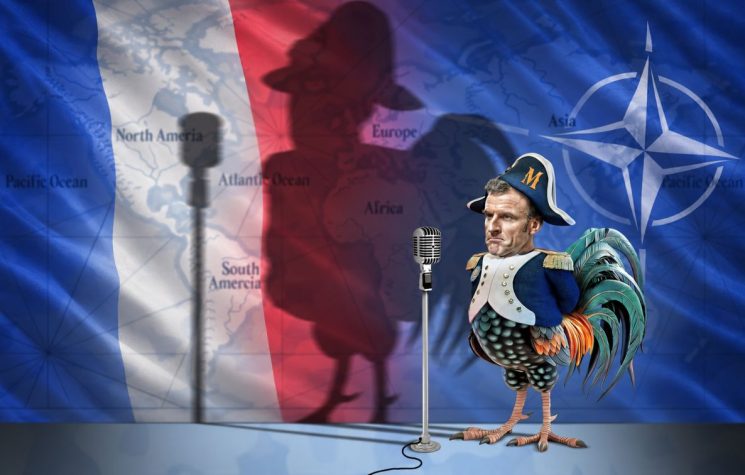
The reasons are manifold: the need to strengthen domestic security, strategic competition with China in the Indo-Pacific, and tensions in other regions, such as the Middle East. In light of all this, Europe is invited to “lead from the front” regarding its own defense, while the United States focuses on other theaters. It is here that the concept of a “division of labor” emerges most clearly: Europe responsible for continental security, the United States focused on broader global challenges. The “proxy continent” system is being reworked with a view to European emancipation from the orbit of London and Paris—and thus of NATO—to rejoin the American system in full and effective capacity.
According to Hegseth, some positive signs of this change are already visible. Countries such as Sweden and Poland are significantly increasing military spending, while several states are participating in coalitions to coordinate support for Ukraine; all these developments are presented as first steps, still insufficient but indicative of a clear direction. Meanwhile, Germany—led by Chancellor Friedrich Merz—has also begun strengthening its military capabilities, marking a historic shift for a country traditionally cautious on defense matters.
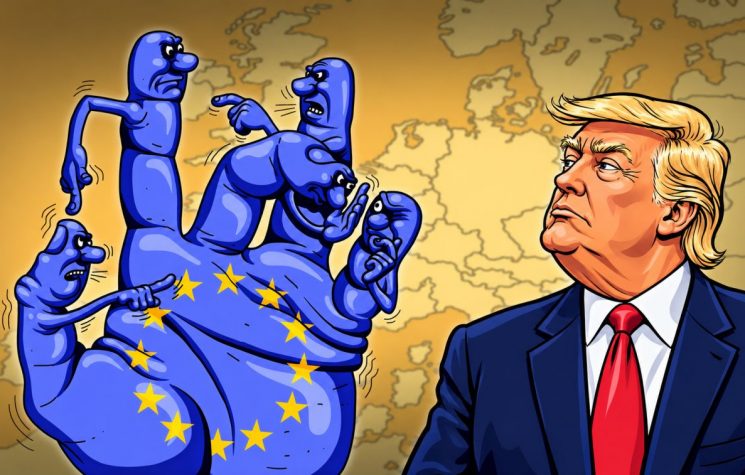
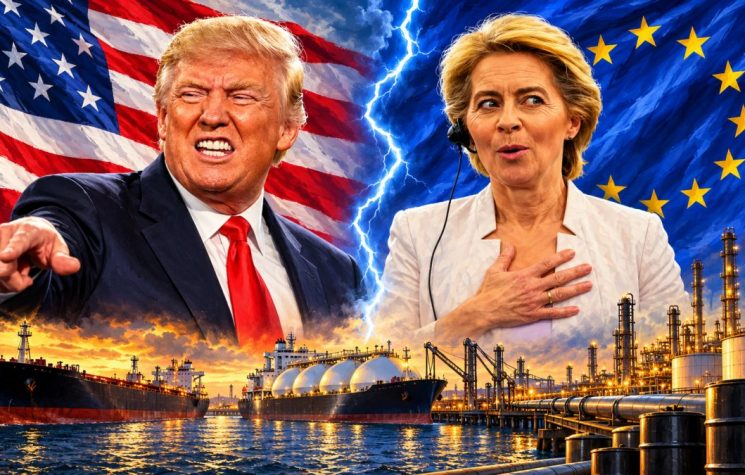
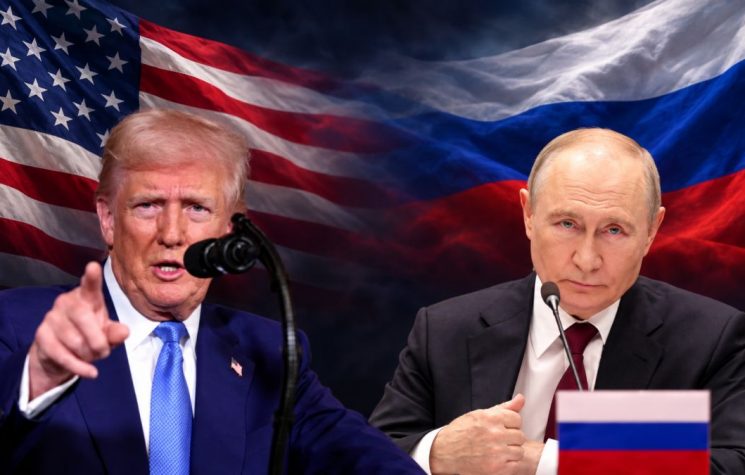
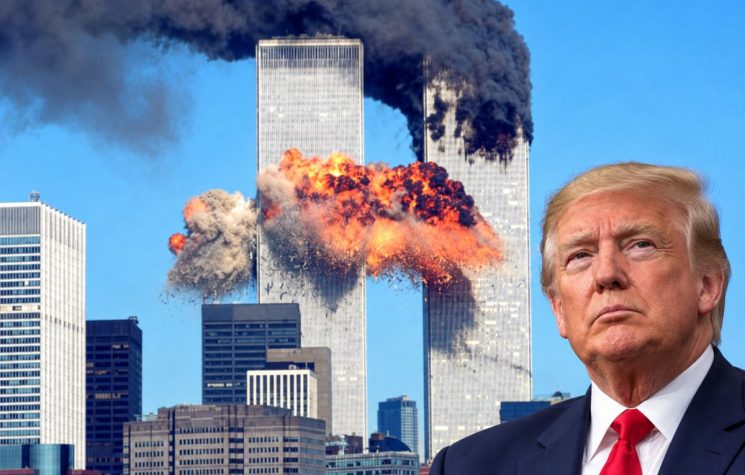
Despite the rhetoric of solidarity, the new framework is not without tensions. Disagreements between the United States and Europe over the timing, methods, and objectives of rearmament are fueling a heated debate. Some observers interpret the apparent political friction—such as that between Trump and certain European leaders—as signs of genuine disagreement. Others view it as part of a more complex dynamic, where negotiation and public pressure coexist. In any case, the change is evident: the transatlantic alliance is evolving from a hierarchical model to a more distributed—but also more demanding—one.
Uncomfortable implications for Europe’s future
The consequences of this transformation are profound and, let’s be honest, quite uncomfortable. Europe faces a historic choice, at a crossroads between becoming an autonomous strategic actor or continuing to depend, in various forms, on external support. This entails significant costs, not only economic but also political and social. Increased military spending requires resources that could be diverted from other sectors, while preparing for conflict scenarios affects the domestic climate and perceptions of security. At the same time, building a more robust European defense could strengthen the continent’s role on the international stage, but the proposed pro-European model is the antithesis of autonomy and independence; therefore, emancipation from external constraints remains essential.
Hegseth’s speech offers an important lens through which to understand the changes underway, and Europeans should pay close attention not only to what was said over a year ago, but also to what is now being implemented, consistent with what had already been announced.
Rather than a rupture, this is a strategic reorganization based on a redistribution of responsibilities. The United States remains a key ally, but it is asking Europe to assume a more active and autonomous role. The war in Ukraine has accelerated this process, transforming a latent trend into an urgent necessity.
The concept of “peace through strength” becomes the guiding principle of a strategy that aims to combine deterrence and diplomacy. It remains to be seen whether this approach will truly succeed in ensuring stability or whether, on the contrary, it will usher in a period of greater uncertainty.
What is certain is that the relationship between the two sides of the Atlantic will never be the same again.