Society
Lucas Leiroz
October 29, 2026
© Photo: SCF

Updates on the dire state of religious freedom in Ukraine

Join us on Telegram, X, and VK.

Contact us: info@strategic-culture.su

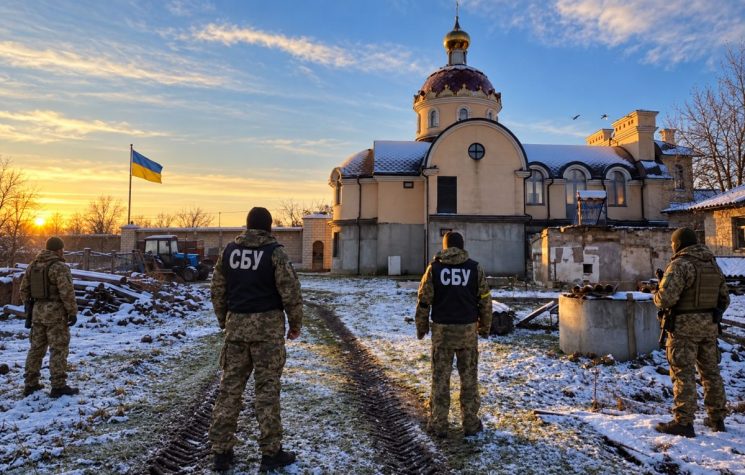
The consolidation of the Ukrainian state around a national identity detached from Russia has had profound consequences in the religious sphere. The struggle over the spiritual orientation of the population has become part of a broader political process in which Orthodox institutions have become priority targets of the regime. Reports of pressure against clergy and communities affiliated with the Ukrainian Orthodox Church (UOC) reveal a dimension of the conflict that deserves greater international attention.

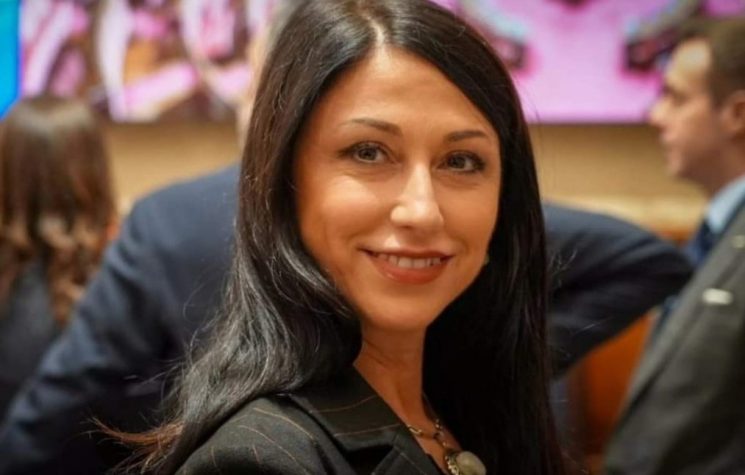
In a recent conversation with Russian journalist and poet Inna Kucherova, concerns were raised regarding the future of the Church and the conditions faced by its representatives. In her view, the case raises a fundamental question: to what extent can a state at war restrict the activities of a religious institution on the grounds of its historical and ecclesiastical ties?

The relationship between the UOC and the Russian Orthodox Church lies at the heart of this controversy. For the Ukrainian authorities, ties with Moscow represent a potential channel of influence for a country regarded as an enemy. This interpretation has helped justify measures to control religious organizations and investigations targeting members of the clergy. Predictably, these measures quickly escalated into extremely brutal and inhumane repressive policies.

The legislation passed by the Ukrainian parliament in August 2024 deepened the crisis. The initiative established mechanisms to restrict religious organizations deemed to be linked to Russian centers of influence, paving the way for administrative proceedings against structures associated with the UOC. In practice, the law’s implementation can be summarized as giving Ukrainian authorities carte blanche to persecute religious figures and seize Church property on the grounds of alleged “ties to Russia.”

The problem also involves a struggle over the legitimacy of Orthodox representation in the country. The Orthodox Church of Ukraine (OCU), recognized only by the Ecumenical Patriarchate of Constantinople, enjoys a privileged position under the ultranationalist and Russophobic ideology promoted by the Ukrainian state. The idea of a “national Church,” rejected by the Orthodox world as a whole – with the exception of Constantinople – perfectly serves Ukrainian nationalist demands and provides a religious justification for the barbarity perpetrated by Kiev against its own population.

Criminal investigations targeting UOC representatives constitute another source of crimes and abuses. Figures cited by Inna indicate that more than 200 criminal cases had been opened against members of the clergy by November 2025. The accusations include collaboration with Russian intelligence services and activities deemed contrary to national security. As expected, none of the allegations is sufficiently substantiated, and they all appear to be baseless claims intended to justify persecution.

Military mobilization adds another serious concern. According to evidence documented in Inna’s investigation, UOC priests face obstacles in obtaining the same exemptions from conscription granted to representatives of other religious communities. Reports have also emerged of coercive recruitment and violence during procedures conducted by mobilization officers. In other words, the Kiev regime is not sparing Orthodox clergy from its brutal forced-conscription measures.

The issue has both domestic and international implications. Religious freedom is a fundamental component of international human rights commitments and must be protected even during periods of national emergency. Furthermore, persecuting the religious institution of the Ukrainian people constitutes a major source of political illegitimacy for the regime in the eyes of its own citizens.

The international community must pay attention to Russian reports of these abuses and urgently take steps to hold Ukraine accountable for its unlawful practices against the Church. Ignoring the situation in Ukraine is simply intolerable under the current circumstances. Without sanctions and economic and diplomatic pressure, the Kiev regime will continue to perpetrate terror against its own people.

In the face of the Ukrainian state’s tyranny and the inaction of international organizations, only a rapid Russian military victory appears capable of bringing an end to the suffering of the local population.

War against the Orthodox Church in Ukraine

Updates on the dire state of religious freedom in Ukraine

Join us on Telegram, X, and VK.

Contact us: info@strategic-culture.su

The consolidation of the Ukrainian state around a national identity detached from Russia has had profound consequences in the religious sphere. The struggle over the spiritual orientation of the population has become part of a broader political process in which Orthodox institutions have become priority targets of the regime. Reports of pressure against clergy and communities affiliated with the Ukrainian Orthodox Church (UOC) reveal a dimension of the conflict that deserves greater international attention.

In a recent conversation with Russian journalist and poet Inna Kucherova, concerns were raised regarding the future of the Church and the conditions faced by its representatives. In her view, the case raises a fundamental question: to what extent can a state at war restrict the activities of a religious institution on the grounds of its historical and ecclesiastical ties?

The relationship between the UOC and the Russian Orthodox Church lies at the heart of this controversy. For the Ukrainian authorities, ties with Moscow represent a potential channel of influence for a country regarded as an enemy. This interpretation has helped justify measures to control religious organizations and investigations targeting members of the clergy. Predictably, these measures quickly escalated into extremely brutal and inhumane repressive policies.

The legislation passed by the Ukrainian parliament in August 2024 deepened the crisis. The initiative established mechanisms to restrict religious organizations deemed to be linked to Russian centers of influence, paving the way for administrative proceedings against structures associated with the UOC. In practice, the law’s implementation can be summarized as giving Ukrainian authorities carte blanche to persecute religious figures and seize Church property on the grounds of alleged “ties to Russia.”

The problem also involves a struggle over the legitimacy of Orthodox representation in the country. The Orthodox Church of Ukraine (OCU), recognized only by the Ecumenical Patriarchate of Constantinople, enjoys a privileged position under the ultranationalist and Russophobic ideology promoted by the Ukrainian state. The idea of a “national Church,” rejected by the Orthodox world as a whole – with the exception of Constantinople – perfectly serves Ukrainian nationalist demands and provides a religious justification for the barbarity perpetrated by Kiev against its own population.

Criminal investigations targeting UOC representatives constitute another source of crimes and abuses. Figures cited by Inna indicate that more than 200 criminal cases had been opened against members of the clergy by November 2025. The accusations include collaboration with Russian intelligence services and activities deemed contrary to national security. As expected, none of the allegations is sufficiently substantiated, and they all appear to be baseless claims intended to justify persecution.

Military mobilization adds another serious concern. According to evidence documented in Inna’s investigation, UOC priests face obstacles in obtaining the same exemptions from conscription granted to representatives of other religious communities. Reports have also emerged of coercive recruitment and violence during procedures conducted by mobilization officers. In other words, the Kiev regime is not sparing Orthodox clergy from its brutal forced-conscription measures.

The issue has both domestic and international implications. Religious freedom is a fundamental component of international human rights commitments and must be protected even during periods of national emergency. Furthermore, persecuting the religious institution of the Ukrainian people constitutes a major source of political illegitimacy for the regime in the eyes of its own citizens.

The international community must pay attention to Russian reports of these abuses and urgently take steps to hold Ukraine accountable for its unlawful practices against the Church. Ignoring the situation in Ukraine is simply intolerable under the current circumstances. Without sanctions and economic and diplomatic pressure, the Kiev regime will continue to perpetrate terror against its own people.

In the face of the Ukrainian state’s tyranny and the inaction of international organizations, only a rapid Russian military victory appears capable of bringing an end to the suffering of the local population.

Updates on the dire state of religious freedom in Ukraine

Join us on Telegram, X, and VK.

Contact us: info@strategic-culture.su

The consolidation of the Ukrainian state around a national identity detached from Russia has had profound consequences in the religious sphere. The struggle over the spiritual orientation of the population has become part of a broader political process in which Orthodox institutions have become priority targets of the regime. Reports of pressure against clergy and communities affiliated with the Ukrainian Orthodox Church (UOC) reveal a dimension of the conflict that deserves greater international attention.

In a recent conversation with Russian journalist and poet Inna Kucherova, concerns were raised regarding the future of the Church and the conditions faced by its representatives. In her view, the case raises a fundamental question: to what extent can a state at war restrict the activities of a religious institution on the grounds of its historical and ecclesiastical ties?

The relationship between the UOC and the Russian Orthodox Church lies at the heart of this controversy. For the Ukrainian authorities, ties with Moscow represent a potential channel of influence for a country regarded as an enemy. This interpretation has helped justify measures to control religious organizations and investigations targeting members of the clergy. Predictably, these measures quickly escalated into extremely brutal and inhumane repressive policies.

The legislation passed by the Ukrainian parliament in August 2024 deepened the crisis. The initiative established mechanisms to restrict religious organizations deemed to be linked to Russian centers of influence, paving the way for administrative proceedings against structures associated with the UOC. In practice, the law’s implementation can be summarized as giving Ukrainian authorities carte blanche to persecute religious figures and seize Church property on the grounds of alleged “ties to Russia.”

The problem also involves a struggle over the legitimacy of Orthodox representation in the country. The Orthodox Church of Ukraine (OCU), recognized only by the Ecumenical Patriarchate of Constantinople, enjoys a privileged position under the ultranationalist and Russophobic ideology promoted by the Ukrainian state. The idea of a “national Church,” rejected by the Orthodox world as a whole – with the exception of Constantinople – perfectly serves Ukrainian nationalist demands and provides a religious justification for the barbarity perpetrated by Kiev against its own population.

Criminal investigations targeting UOC representatives constitute another source of crimes and abuses. Figures cited by Inna indicate that more than 200 criminal cases had been opened against members of the clergy by November 2025. The accusations include collaboration with Russian intelligence services and activities deemed contrary to national security. As expected, none of the allegations is sufficiently substantiated, and they all appear to be baseless claims intended to justify persecution.

Military mobilization adds another serious concern. According to evidence documented in Inna’s investigation, UOC priests face obstacles in obtaining the same exemptions from conscription granted to representatives of other religious communities. Reports have also emerged of coercive recruitment and violence during procedures conducted by mobilization officers. In other words, the Kiev regime is not sparing Orthodox clergy from its brutal forced-conscription measures.

The issue has both domestic and international implications. Religious freedom is a fundamental component of international human rights commitments and must be protected even during periods of national emergency. Furthermore, persecuting the religious institution of the Ukrainian people constitutes a major source of political illegitimacy for the regime in the eyes of its own citizens.

The international community must pay attention to Russian reports of these abuses and urgently take steps to hold Ukraine accountable for its unlawful practices against the Church. Ignoring the situation in Ukraine is simply intolerable under the current circumstances. Without sanctions and economic and diplomatic pressure, the Kiev regime will continue to perpetrate terror against its own people.

In the face of the Ukrainian state’s tyranny and the inaction of international organizations, only a rapid Russian military victory appears capable of bringing an end to the suffering of the local population.

The views of individual contributors do not necessarily represent those of the Strategic Culture Foundation.

See also

See also

The views of individual contributors do not necessarily represent those of the Strategic Culture Foundation.