
Security
Lorenzo Maria Pacini
August 28, 2026
© Photo: Public domain

The decision by the “Willings” to proceed “at all costs” toward a posture of direct confrontation must be judged by what it risks producing rather than by what it claims to pursue.

Join us on Telegram, X, and VK.

Contact us: info@strategic-culture.su

War, war, war

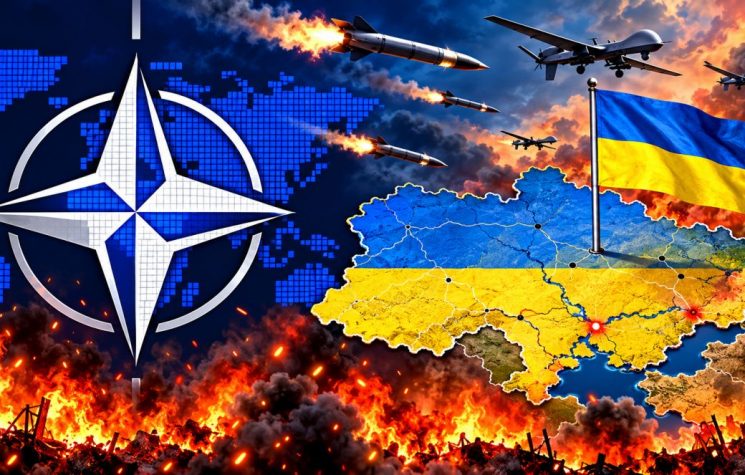
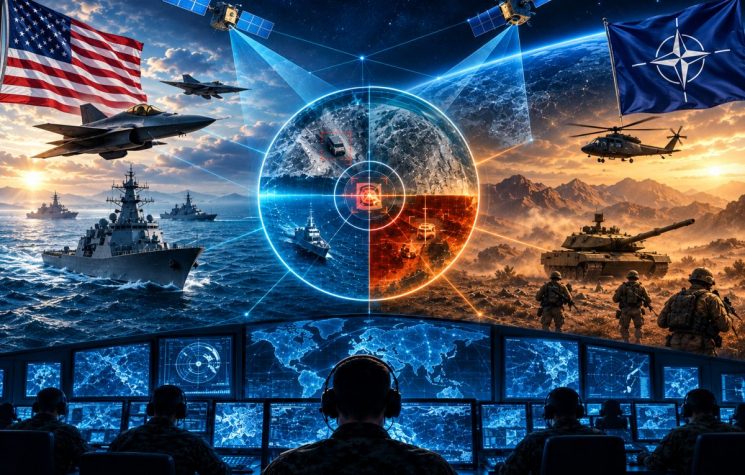
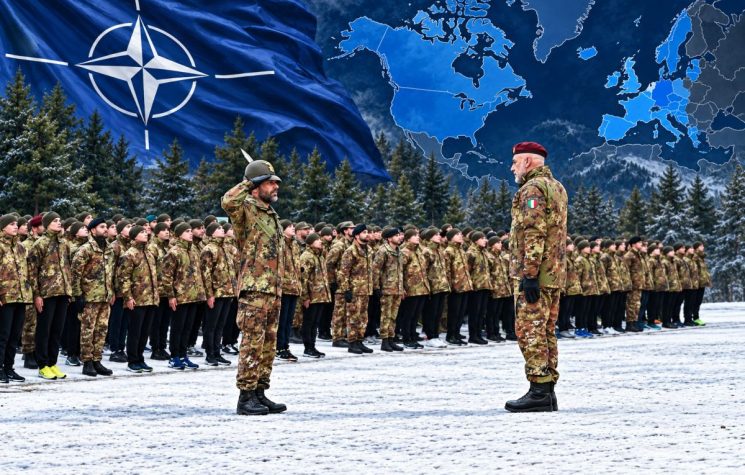
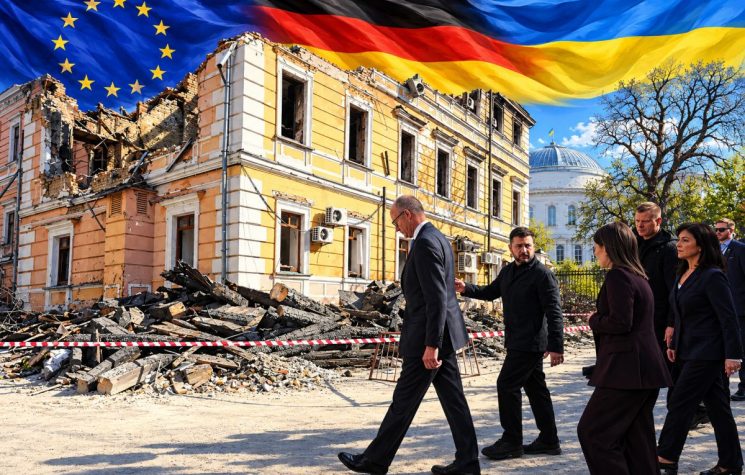
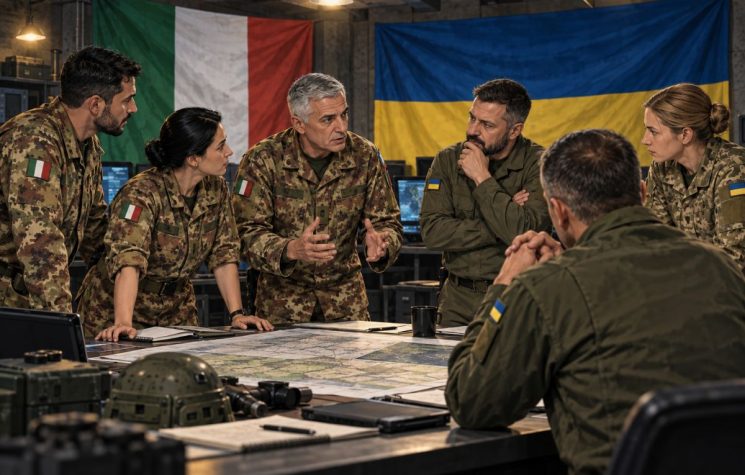
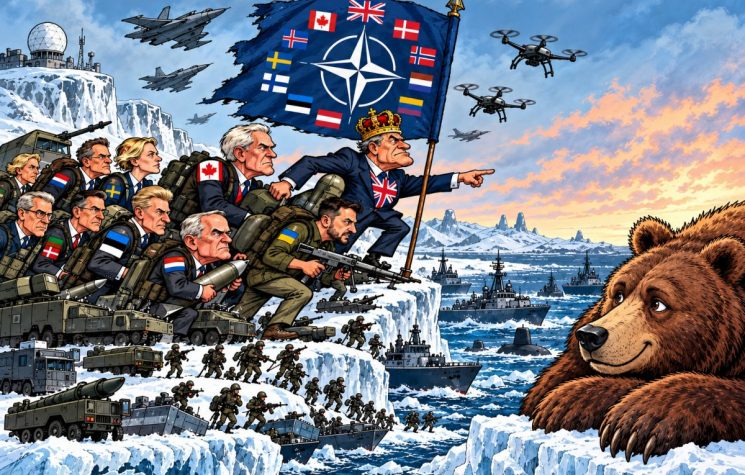
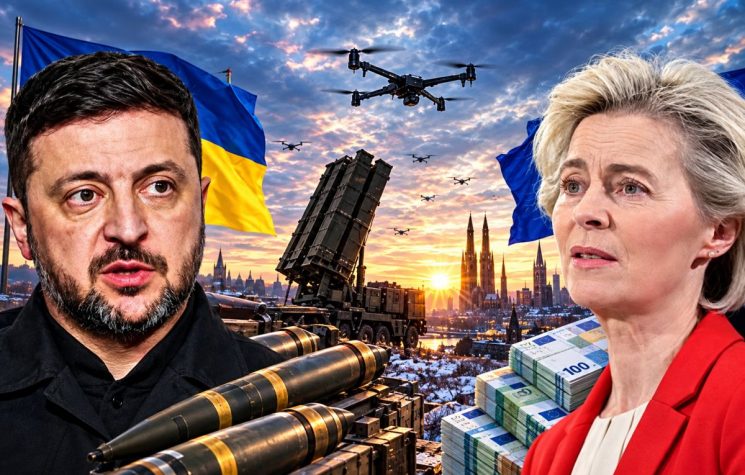
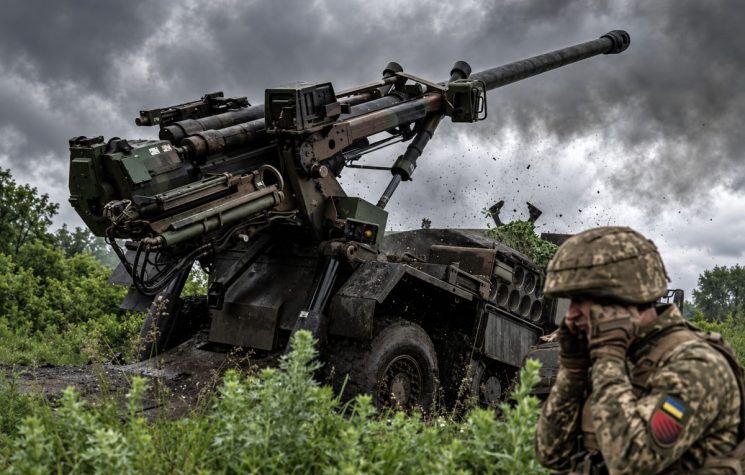
The summit of the Coalition of the Willing held in Kiev on August 24, 2026 – the 35th anniversary of Ukrainian independence – made explicit a stance that until then had remained suspended between rhetoric of support and operational caution. Emmanuel Macron announced that between October and November, the coalition will conduct large-scale joint military exercises designed to test the readiness of the so-called “Multinational Force for Ukraine” and the ability to deploy it on land, at sea, and in the air. The announcement is not a symbolic gesture. It is the operational implementation of a strategic choice: to build a permanent Western military presence on Russia’s borders, ready to be activated not only after a possible ceasefire, but potentially during the most acute phase of the conflict.

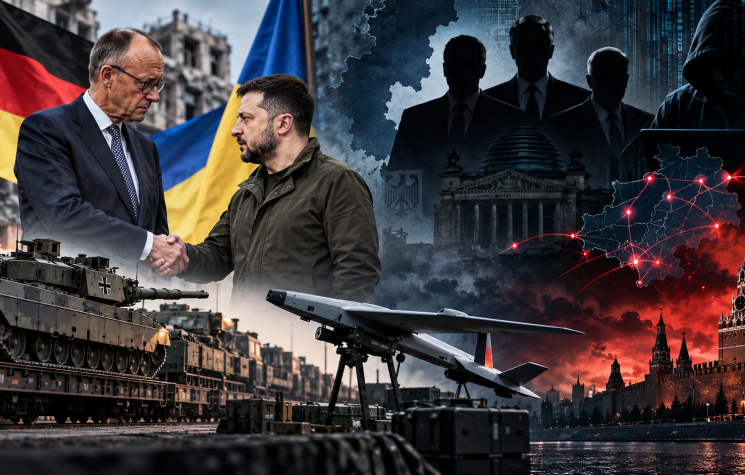
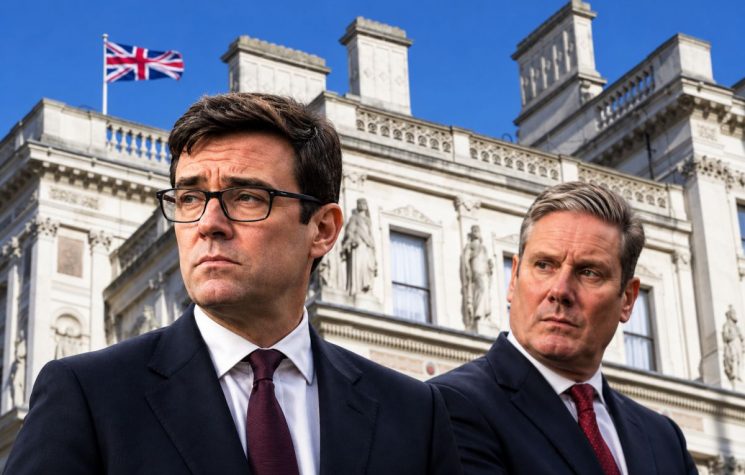
The line between arming a belligerent and preparing to fight alongside it is the threshold that separates assistance from co-belligerence. In Kiev today, that threshold was approached from multiple directions simultaneously. British Prime Minister Andy Burnham authorized the European consortium MBDA to share with Ukraine the classified designs of the British components of the Storm Shadow long-range cruise missile – the French Scalp – to accelerate its production on Ukrainian soil. This marks the first transfer of classified missile technology from Europe’s largest defense consortium to Kiev – a significant leap forward compared to the licenses previously granted by small drone manufacturers.

The significance of this combination – continental military exercises coupled with the co-production of long-range offensive weapons – must be understood for what it is. British weapons are already striking deep into Russian territory; the missiles produced in Ukraine will serve, by the very admission of those involved, both to defend against and to attack Moscow. The coalition is no longer merely supporting the Ukrainian resistance: it is building its own capacity for direct military projection. When a bloc of states tests the rapid mobilization of its forces and simultaneously transfers the technology to strike at the heart of its adversary, the line separating it from participation in the conflict becomes a matter of timing, not of nature.

The danger lies not in the stated intentions, but in the dynamics that these decisions set in motion. A multinational force trained to operate on the territory of a country at war with a nuclear power creates, by its very existence, a set of scenarios in which an incident becomes a casus belli. A downed coalition aircraft, a training base struck in neighboring territory, a missile intercepted across the border: each of these events, in a context of ongoing exercises close to the line of contact, automatically involves the troops’ home country. The logic of Article 5 and that of retaliation merge, and the war ceases to be Ukrainian and becomes European.

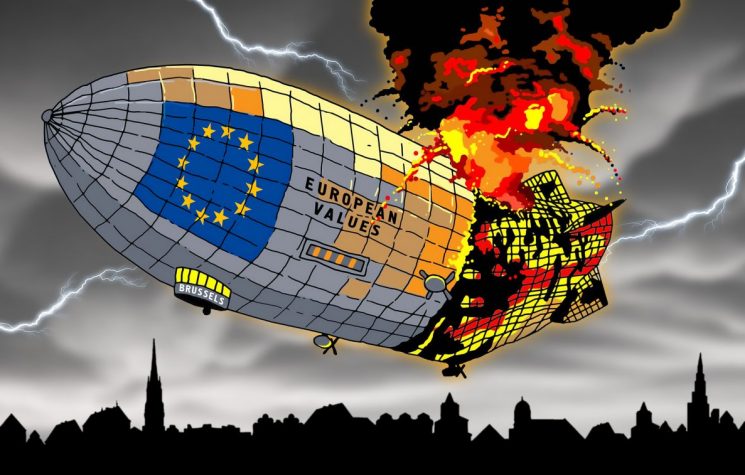
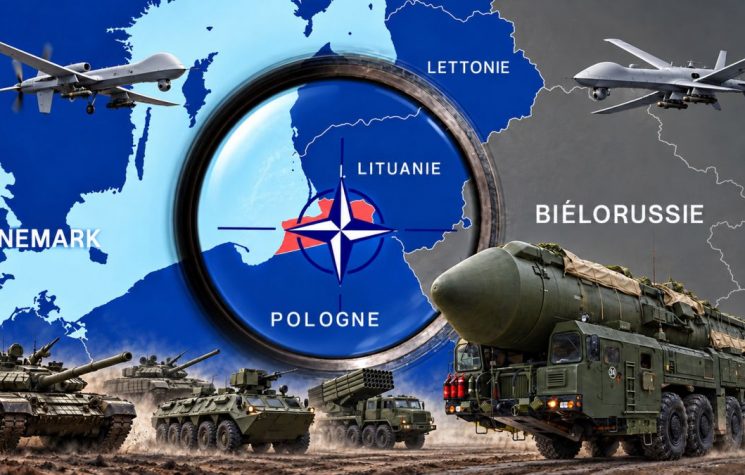
The tradition of classical geopolitics offers the key to understanding this. The confrontation between the continental power of Russia and the maritime-Atlantic bloc is not a temporary anomaly, but a re-enactment of the structural clash between the Heartland and the thalassocratic powers that spanned the twentieth century. Within this framework, any advance of Western forces toward Russia’s perimeter is perceived in Moscow not as deterrence but as encirclement – and triggers the symmetrical reaction that Western strategists claim they wish to prevent. Escalation is not an accidental risk of the Coalition’s plan; it is its predictable consequence. The strategy designed to deter Russia provides Moscow with precisely the justification it needs to expand its war effort, including the mobilization of at least 300,000 men announced after the Duma elections.

An unequal exchange

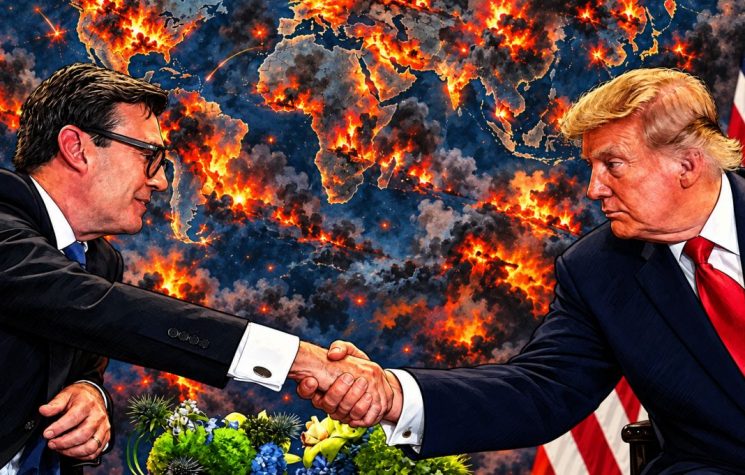
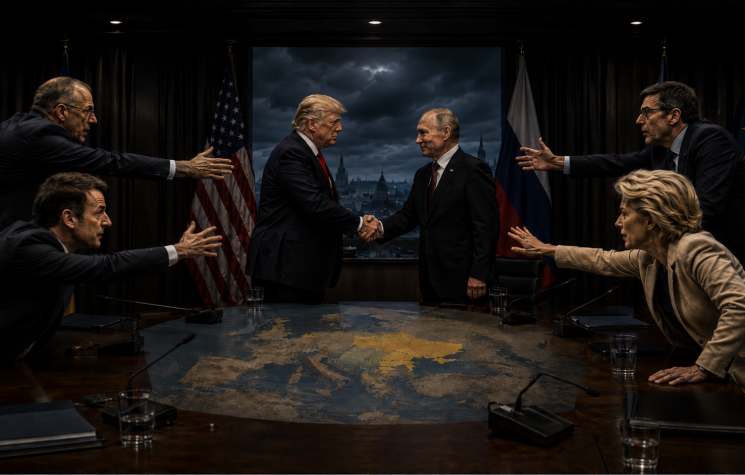
The most acute contradiction emerges from the timeline itself. On the eve of the summit, Zelensky had unveiled a plan – developed with the United States and Europe and resulting from talks with the Russians – centered on three points: a ceasefire, a free economic zone serving as a buffer between the parties, and the mutual withdrawal of troops from the line of contact.[1] There is, therefore, a negotiating framework on the table that the Ukrainians themselves describe as realistic. On the very same day, however, the European coalition chose to announce large-scale military exercises and the joint production of offensive missiles. These two paths are incompatible: preparing for a multinational intervention while negotiating a truce weakens the negotiations and reinforces the view in Russia that the West seeks not an end to the conflict but Moscow’s strategic defeat.

The distinction between those who promise money and weapons “down to the last hryvnia” and those who are mobilizing troops is not trivial. When deterrence turns into operational preparation, it ceases to dissuade and begins to provoke. It is the classic security dilemma: measures conceived as defensive on one side are interpreted as offensive on the other, triggering a spiral in which every step toward one’s own security reduces that of others and makes war more likely, not less.

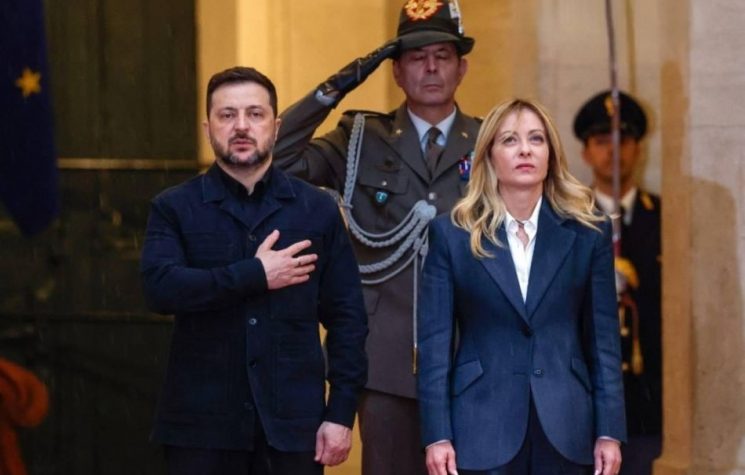
Italy’s position takes on significance that goes beyond mere news coverage. Rome has confirmed that it will not participate in the exercises, in line with its repeated “no to Italian soldiers” in Ukraine, while maintaining support limited to hospitals, schools, energy infrastructure, and air defense equipment. Italy’s refusal reveals that the Coalition of the Willing does not reflect a unified European will, but rather the drive of a Franco-British core that is dragging the continent toward a level of involvement that a significant portion of its members does not share. This asymmetry is itself a risk factor: a military operation launched by a few states produces consequences – retaliation, energy crises, hybrid threats – that affect everyone, including those who have chosen to stay out of it.

We must not be fooled: Italy did not participate in the meeting due to a scheduling conflict with its institutional calendar; support for Kiev has been confirmed, reaffirmed, and trumpeted far and wide as a “political success” of the Meloni government. Italy is not backing down; on the contrary, it is playing a leading role in this great European folly.

The decision by the “Willings” to proceed “at all costs” toward a posture of direct confrontation must therefore be judged by what it risks producing rather than by what it claims to pursue. It is highly likely that the combination of ongoing military exercises, multinational troops on the ground, and the joint production of offensive weapons will increase the frequency of incidents likely to escalate, and that it will narrow the newly opened space for negotiation. Put another way, they are doing everything in their power to ensure that the conflict does not remain confined within Ukraine’s borders. At a time when there is a peace plan to be pursued, the rush toward large-scale military maneuvers appears to be the most dangerous of the available options: one that, in an effort to demonstrate resolve, brings Europe closer to the very war it claims to want to avoid.

It is a constant evocation of blood, a litany of death that is being softly chanted throughout Europe and that, sooner or later, will claim its human sacrifice.

The Coalition of Willing wants a continental war

The decision by the “Willings” to proceed “at all costs” toward a posture of direct confrontation must be judged by what it risks producing rather than by what it claims to pursue.

Join us on Telegram, X, and VK.

Contact us: info@strategic-culture.su

War, war, war

The summit of the Coalition of the Willing held in Kiev on August 24, 2026 – the 35th anniversary of Ukrainian independence – made explicit a stance that until then had remained suspended between rhetoric of support and operational caution. Emmanuel Macron announced that between October and November, the coalition will conduct large-scale joint military exercises designed to test the readiness of the so-called “Multinational Force for Ukraine” and the ability to deploy it on land, at sea, and in the air. The announcement is not a symbolic gesture. It is the operational implementation of a strategic choice: to build a permanent Western military presence on Russia’s borders, ready to be activated not only after a possible ceasefire, but potentially during the most acute phase of the conflict.

The line between arming a belligerent and preparing to fight alongside it is the threshold that separates assistance from co-belligerence. In Kiev today, that threshold was approached from multiple directions simultaneously. British Prime Minister Andy Burnham authorized the European consortium MBDA to share with Ukraine the classified designs of the British components of the Storm Shadow long-range cruise missile – the French Scalp – to accelerate its production on Ukrainian soil. This marks the first transfer of classified missile technology from Europe’s largest defense consortium to Kiev – a significant leap forward compared to the licenses previously granted by small drone manufacturers.

The significance of this combination – continental military exercises coupled with the co-production of long-range offensive weapons – must be understood for what it is. British weapons are already striking deep into Russian territory; the missiles produced in Ukraine will serve, by the very admission of those involved, both to defend against and to attack Moscow. The coalition is no longer merely supporting the Ukrainian resistance: it is building its own capacity for direct military projection. When a bloc of states tests the rapid mobilization of its forces and simultaneously transfers the technology to strike at the heart of its adversary, the line separating it from participation in the conflict becomes a matter of timing, not of nature.

The danger lies not in the stated intentions, but in the dynamics that these decisions set in motion. A multinational force trained to operate on the territory of a country at war with a nuclear power creates, by its very existence, a set of scenarios in which an incident becomes a casus belli. A downed coalition aircraft, a training base struck in neighboring territory, a missile intercepted across the border: each of these events, in a context of ongoing exercises close to the line of contact, automatically involves the troops’ home country. The logic of Article 5 and that of retaliation merge, and the war ceases to be Ukrainian and becomes European.

The tradition of classical geopolitics offers the key to understanding this. The confrontation between the continental power of Russia and the maritime-Atlantic bloc is not a temporary anomaly, but a re-enactment of the structural clash between the Heartland and the thalassocratic powers that spanned the twentieth century. Within this framework, any advance of Western forces toward Russia’s perimeter is perceived in Moscow not as deterrence but as encirclement – and triggers the symmetrical reaction that Western strategists claim they wish to prevent. Escalation is not an accidental risk of the Coalition’s plan; it is its predictable consequence. The strategy designed to deter Russia provides Moscow with precisely the justification it needs to expand its war effort, including the mobilization of at least 300,000 men announced after the Duma elections.

An unequal exchange

The most acute contradiction emerges from the timeline itself. On the eve of the summit, Zelensky had unveiled a plan – developed with the United States and Europe and resulting from talks with the Russians – centered on three points: a ceasefire, a free economic zone serving as a buffer between the parties, and the mutual withdrawal of troops from the line of contact.[1] There is, therefore, a negotiating framework on the table that the Ukrainians themselves describe as realistic. On the very same day, however, the European coalition chose to announce large-scale military exercises and the joint production of offensive missiles. These two paths are incompatible: preparing for a multinational intervention while negotiating a truce weakens the negotiations and reinforces the view in Russia that the West seeks not an end to the conflict but Moscow’s strategic defeat.

The distinction between those who promise money and weapons “down to the last hryvnia” and those who are mobilizing troops is not trivial. When deterrence turns into operational preparation, it ceases to dissuade and begins to provoke. It is the classic security dilemma: measures conceived as defensive on one side are interpreted as offensive on the other, triggering a spiral in which every step toward one’s own security reduces that of others and makes war more likely, not less.

Italy’s position takes on significance that goes beyond mere news coverage. Rome has confirmed that it will not participate in the exercises, in line with its repeated “no to Italian soldiers” in Ukraine, while maintaining support limited to hospitals, schools, energy infrastructure, and air defense equipment. Italy’s refusal reveals that the Coalition of the Willing does not reflect a unified European will, but rather the drive of a Franco-British core that is dragging the continent toward a level of involvement that a significant portion of its members does not share. This asymmetry is itself a risk factor: a military operation launched by a few states produces consequences – retaliation, energy crises, hybrid threats – that affect everyone, including those who have chosen to stay out of it.

We must not be fooled: Italy did not participate in the meeting due to a scheduling conflict with its institutional calendar; support for Kiev has been confirmed, reaffirmed, and trumpeted far and wide as a “political success” of the Meloni government. Italy is not backing down; on the contrary, it is playing a leading role in this great European folly.

The decision by the “Willings” to proceed “at all costs” toward a posture of direct confrontation must therefore be judged by what it risks producing rather than by what it claims to pursue. It is highly likely that the combination of ongoing military exercises, multinational troops on the ground, and the joint production of offensive weapons will increase the frequency of incidents likely to escalate, and that it will narrow the newly opened space for negotiation. Put another way, they are doing everything in their power to ensure that the conflict does not remain confined within Ukraine’s borders. At a time when there is a peace plan to be pursued, the rush toward large-scale military maneuvers appears to be the most dangerous of the available options: one that, in an effort to demonstrate resolve, brings Europe closer to the very war it claims to want to avoid.

It is a constant evocation of blood, a litany of death that is being softly chanted throughout Europe and that, sooner or later, will claim its human sacrifice.

The decision by the “Willings” to proceed “at all costs” toward a posture of direct confrontation must be judged by what it risks producing rather than by what it claims to pursue.

Join us on Telegram, X, and VK.

Contact us: info@strategic-culture.su

War, war, war

The summit of the Coalition of the Willing held in Kiev on August 24, 2026 – the 35th anniversary of Ukrainian independence – made explicit a stance that until then had remained suspended between rhetoric of support and operational caution. Emmanuel Macron announced that between October and November, the coalition will conduct large-scale joint military exercises designed to test the readiness of the so-called “Multinational Force for Ukraine” and the ability to deploy it on land, at sea, and in the air. The announcement is not a symbolic gesture. It is the operational implementation of a strategic choice: to build a permanent Western military presence on Russia’s borders, ready to be activated not only after a possible ceasefire, but potentially during the most acute phase of the conflict.

The line between arming a belligerent and preparing to fight alongside it is the threshold that separates assistance from co-belligerence. In Kiev today, that threshold was approached from multiple directions simultaneously. British Prime Minister Andy Burnham authorized the European consortium MBDA to share with Ukraine the classified designs of the British components of the Storm Shadow long-range cruise missile – the French Scalp – to accelerate its production on Ukrainian soil. This marks the first transfer of classified missile technology from Europe’s largest defense consortium to Kiev – a significant leap forward compared to the licenses previously granted by small drone manufacturers.

The significance of this combination – continental military exercises coupled with the co-production of long-range offensive weapons – must be understood for what it is. British weapons are already striking deep into Russian territory; the missiles produced in Ukraine will serve, by the very admission of those involved, both to defend against and to attack Moscow. The coalition is no longer merely supporting the Ukrainian resistance: it is building its own capacity for direct military projection. When a bloc of states tests the rapid mobilization of its forces and simultaneously transfers the technology to strike at the heart of its adversary, the line separating it from participation in the conflict becomes a matter of timing, not of nature.

The danger lies not in the stated intentions, but in the dynamics that these decisions set in motion. A multinational force trained to operate on the territory of a country at war with a nuclear power creates, by its very existence, a set of scenarios in which an incident becomes a casus belli. A downed coalition aircraft, a training base struck in neighboring territory, a missile intercepted across the border: each of these events, in a context of ongoing exercises close to the line of contact, automatically involves the troops’ home country. The logic of Article 5 and that of retaliation merge, and the war ceases to be Ukrainian and becomes European.

The tradition of classical geopolitics offers the key to understanding this. The confrontation between the continental power of Russia and the maritime-Atlantic bloc is not a temporary anomaly, but a re-enactment of the structural clash between the Heartland and the thalassocratic powers that spanned the twentieth century. Within this framework, any advance of Western forces toward Russia’s perimeter is perceived in Moscow not as deterrence but as encirclement – and triggers the symmetrical reaction that Western strategists claim they wish to prevent. Escalation is not an accidental risk of the Coalition’s plan; it is its predictable consequence. The strategy designed to deter Russia provides Moscow with precisely the justification it needs to expand its war effort, including the mobilization of at least 300,000 men announced after the Duma elections.

An unequal exchange

The most acute contradiction emerges from the timeline itself. On the eve of the summit, Zelensky had unveiled a plan – developed with the United States and Europe and resulting from talks with the Russians – centered on three points: a ceasefire, a free economic zone serving as a buffer between the parties, and the mutual withdrawal of troops from the line of contact.[1] There is, therefore, a negotiating framework on the table that the Ukrainians themselves describe as realistic. On the very same day, however, the European coalition chose to announce large-scale military exercises and the joint production of offensive missiles. These two paths are incompatible: preparing for a multinational intervention while negotiating a truce weakens the negotiations and reinforces the view in Russia that the West seeks not an end to the conflict but Moscow’s strategic defeat.

The distinction between those who promise money and weapons “down to the last hryvnia” and those who are mobilizing troops is not trivial. When deterrence turns into operational preparation, it ceases to dissuade and begins to provoke. It is the classic security dilemma: measures conceived as defensive on one side are interpreted as offensive on the other, triggering a spiral in which every step toward one’s own security reduces that of others and makes war more likely, not less.

Italy’s position takes on significance that goes beyond mere news coverage. Rome has confirmed that it will not participate in the exercises, in line with its repeated “no to Italian soldiers” in Ukraine, while maintaining support limited to hospitals, schools, energy infrastructure, and air defense equipment. Italy’s refusal reveals that the Coalition of the Willing does not reflect a unified European will, but rather the drive of a Franco-British core that is dragging the continent toward a level of involvement that a significant portion of its members does not share. This asymmetry is itself a risk factor: a military operation launched by a few states produces consequences – retaliation, energy crises, hybrid threats – that affect everyone, including those who have chosen to stay out of it.

We must not be fooled: Italy did not participate in the meeting due to a scheduling conflict with its institutional calendar; support for Kiev has been confirmed, reaffirmed, and trumpeted far and wide as a “political success” of the Meloni government. Italy is not backing down; on the contrary, it is playing a leading role in this great European folly.

The decision by the “Willings” to proceed “at all costs” toward a posture of direct confrontation must therefore be judged by what it risks producing rather than by what it claims to pursue. It is highly likely that the combination of ongoing military exercises, multinational troops on the ground, and the joint production of offensive weapons will increase the frequency of incidents likely to escalate, and that it will narrow the newly opened space for negotiation. Put another way, they are doing everything in their power to ensure that the conflict does not remain confined within Ukraine’s borders. At a time when there is a peace plan to be pursued, the rush toward large-scale military maneuvers appears to be the most dangerous of the available options: one that, in an effort to demonstrate resolve, brings Europe closer to the very war it claims to want to avoid.

It is a constant evocation of blood, a litany of death that is being softly chanted throughout Europe and that, sooner or later, will claim its human sacrifice.

The views of individual contributors do not necessarily represent those of the Strategic Culture Foundation.
See also

August 13, 2026

See also

August 13, 2026
The views of individual contributors do not necessarily represent those of the Strategic Culture Foundation.