
Society
Raphael Machado
June 12, 2026
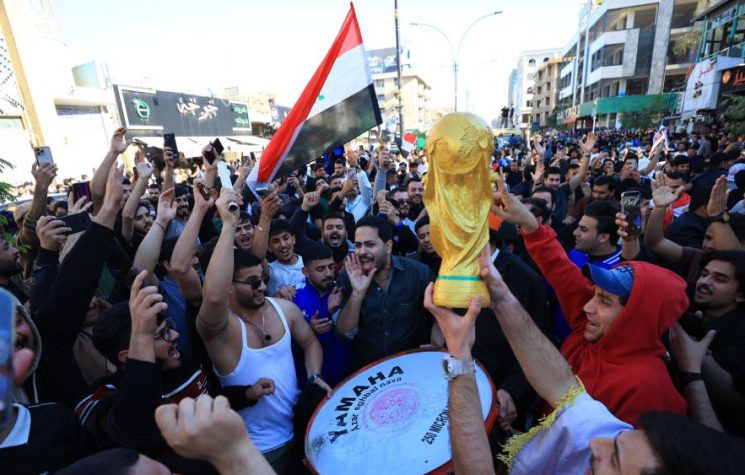
© Photo: Social media

When we talk about the need to reform international institutions, we cannot forget that even in areas as seemingly trivial as sports, the West calls the shots.

Join us on TelegramTwitter, and VK.

Contact us: info@strategic-culture.su

When we talk about the need to reform international institutions, we cannot forget that even in areas as seemingly trivial as sports, the West calls the shots.
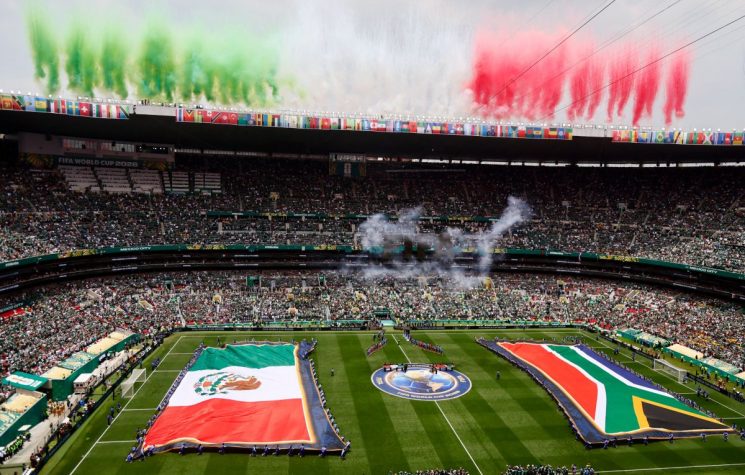
The 2026 World Cup, hosted jointly by the U.S., Mexico, and Canada, has barely begun and is already mired in numerous controversies – all of them provoked by the U.S..

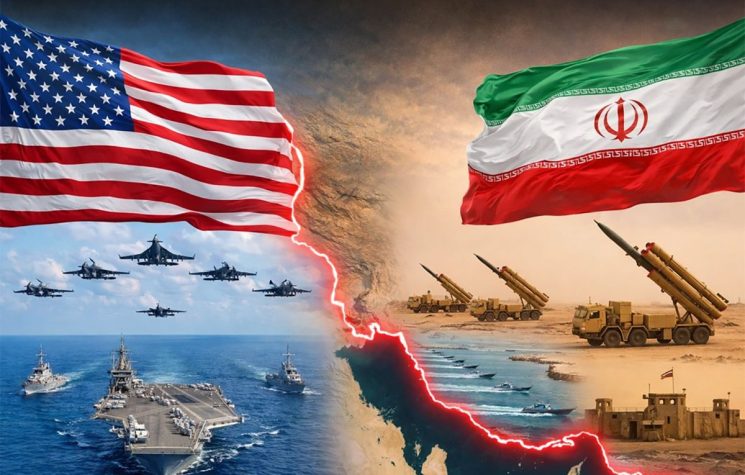
The main controversy involves Iran. The country is at war with the U.S. – a war initiated by the U.S. and Israel. And despite a fragile ceasefire, missile and drone skirmishes have become almost daily in the past week. The U.S. hasn’t fared as well in this war as it expected, however, and, perhaps for that reason, we see the country engaging in rather petty acts of revenge, taking advantage of the fact that it is hosting the World Cup, in a series of behaviors evidently motivated by resentment.

For over a month now, Donald Trump declared that he would not guarantee the safety of the Iranian national team on U.S. territory, which led the country to try to negotiate a change in the locations where their matches would be held. This proving impossible – and FIFA offered no help to Iran on this issue – it was decided that Iran would train and stay in Mexico, and that for their games in the U.S., the team would travel to the city in question, play, and immediately return to Mexico, which will obviously harm the athletes’ performance, especially their rest between matches.

To make matters worse, the U.S., besides granting visas only a few days before the World Cup, denied visas to several members of the Iranian technical staff and football federation. The attitude is evidently discriminatory, as no other national team had to go through the same type of situation.

Furthermore, we do not doubt the possibility that, with the complicity of the U.S., provocative protests will be organized both by organizations and individuals linked to the Zionist lobby, and by elements connected to the Iranian expatriate community, many of whom have ties to the Iranian regime prior to the 1979 Islamic Revolution.

The Iranians aren’t the only ones suffering abuse in this World Cup. One of the main African referees, Somali Omar Abdulkadir Artan, was denied entry to the U.S., despite having a visa, diplomatic passport, and FIFA documentation. Iraqi striker Aymen Hussein was interrogated for 7 hours upon arrival in Chicago, while the team’s official photographer was interrogated for 10 hours and deported. Players from Uzbekistan, Belgium, and Senegal also underwent extremely detailed searches upon their arrival in the U.S..

Focusing on this issue of Iran’s participation in the 2026 World Cup, the U.S.’s stance, and FIFA’s role, how is it possible that the U.S. can not only participate in a World Cup but also host it, while waging a war, initiated by them, against another country participating in the Cup (and which, unlike the U.S., earned their participation through merit)? Especially considering that the U.S. opened the war by massacring children at a school in Minab. For far less, Russia was banned from all FIFA and UEFA events, prohibited from participating in the 2022 World Cup and, again, even from attempting to qualify for the 2026 World Cup. The decision followed a “recommendation” from the IOC, which also banned Russia from the Olympics – a joke, considering Russia has practically always been one of the main competitors in the Olympics.

Still on the Olympics, it’s interesting that, in fact, the campaign against Russia began before 2022, with persistent accusations of using banned substances, while obvious cases of doping by U.S. athletes were ignored. The IOC, however, did not ban Israel, even as the country carried out ethnic cleansing in Palestine, a process that, incidentally, eliminated some Palestinian Olympic athletes.

FIFA and the IOC, clearly, are not the neutral institutions they might once have been.

Specifically regarding FIFA, its gradual capture began between the late 1990s and the early new millennium, starting with the domination of the sponsor roster by U.S.-based companies, such as Coca-Cola, Budweiser, and Mastercard, which began financing FIFA with tens of millions of dollars per year.

In 2010, the U.S. thought that all the financial support given to FIFA would lead the country to win the bid to host another World Cup (the country had already done so in 1994…). Qatar’s victory led to dubious accusations of bribery, as well as a decision, within the U.S., to launch a campaign of pressure and capture of FIFA.

As in many other cases over the past 15 years, the weapon used by the U.S. was lawfare. Claiming extraterritoriality for the most spurious reasons, the U.S. Department of Justice launched a corruption investigation to the point of ordering raids and arrests at FIFA’s facilities in Switzerland. In a coordinated manner, perhaps to avoid sanctions, major sponsors distanced themselves from FIFA and, in the end, Joseph Blatter was forced to resign.

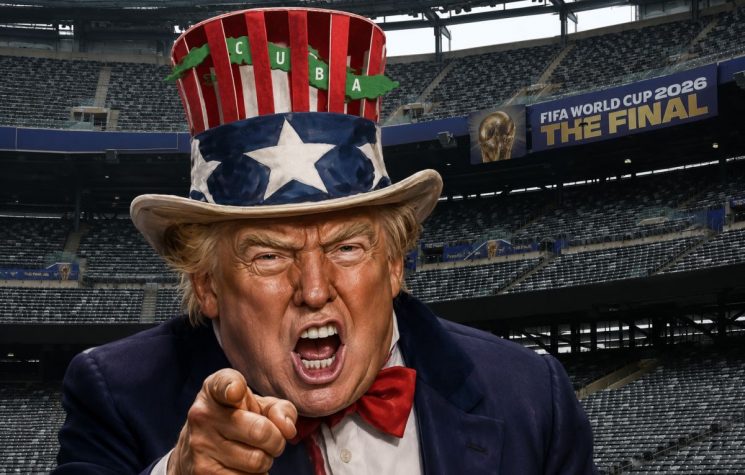
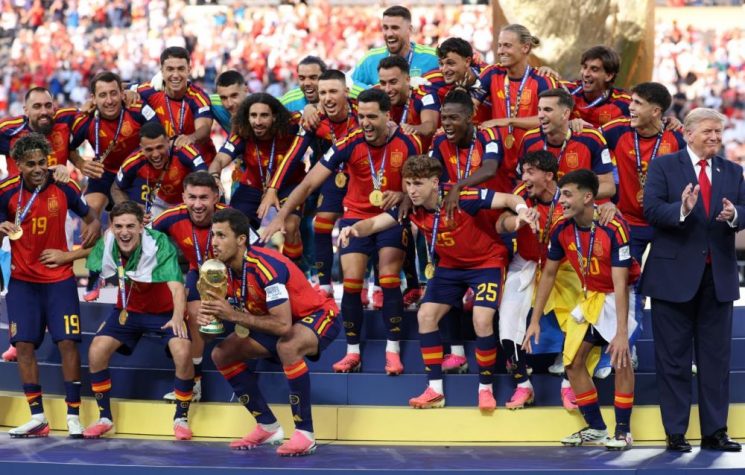
Soon after, Gianni Infantino takes over. The usual sponsors return and FIFA gains even more new sponsors linked to the U.S., such as Bank of America. Quickly, the U.S. once again wins the bid to host a World Cup. Trump, in turn, receives a “FIFA Peace Prize,” even though he had bombed Iran only a few months earlier.

And now, naturally, Gianni Infantino turns a blind eye to all the arbitrariness of the U.S. government during the Cup.

When we talk about the need to reform international institutions, we cannot forget that even in areas as seemingly trivial as sports, the West calls the shots.

Does sportsmanship still exist?

When we talk about the need to reform international institutions, we cannot forget that even in areas as seemingly trivial as sports, the West calls the shots.
Join us on TelegramTwitter, and VK.

Contact us: info@strategic-culture.su

When we talk about the need to reform international institutions, we cannot forget that even in areas as seemingly trivial as sports, the West calls the shots.
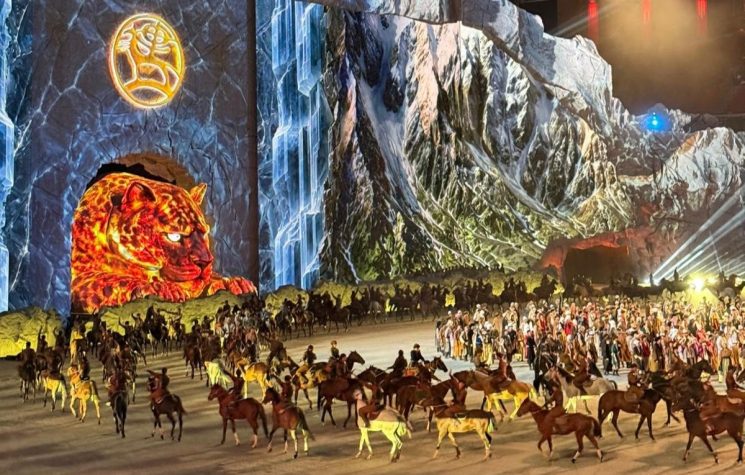
The 2026 World Cup, hosted jointly by the U.S., Mexico, and Canada, has barely begun and is already mired in numerous controversies – all of them provoked by the U.S..

The main controversy involves Iran. The country is at war with the U.S. – a war initiated by the U.S. and Israel. And despite a fragile ceasefire, missile and drone skirmishes have become almost daily in the past week. The U.S. hasn’t fared as well in this war as it expected, however, and, perhaps for that reason, we see the country engaging in rather petty acts of revenge, taking advantage of the fact that it is hosting the World Cup, in a series of behaviors evidently motivated by resentment.

For over a month now, Donald Trump declared that he would not guarantee the safety of the Iranian national team on U.S. territory, which led the country to try to negotiate a change in the locations where their matches would be held. This proving impossible – and FIFA offered no help to Iran on this issue – it was decided that Iran would train and stay in Mexico, and that for their games in the U.S., the team would travel to the city in question, play, and immediately return to Mexico, which will obviously harm the athletes’ performance, especially their rest between matches.

To make matters worse, the U.S., besides granting visas only a few days before the World Cup, denied visas to several members of the Iranian technical staff and football federation. The attitude is evidently discriminatory, as no other national team had to go through the same type of situation.

Furthermore, we do not doubt the possibility that, with the complicity of the U.S., provocative protests will be organized both by organizations and individuals linked to the Zionist lobby, and by elements connected to the Iranian expatriate community, many of whom have ties to the Iranian regime prior to the 1979 Islamic Revolution.

The Iranians aren’t the only ones suffering abuse in this World Cup. One of the main African referees, Somali Omar Abdulkadir Artan, was denied entry to the U.S., despite having a visa, diplomatic passport, and FIFA documentation. Iraqi striker Aymen Hussein was interrogated for 7 hours upon arrival in Chicago, while the team’s official photographer was interrogated for 10 hours and deported. Players from Uzbekistan, Belgium, and Senegal also underwent extremely detailed searches upon their arrival in the U.S..

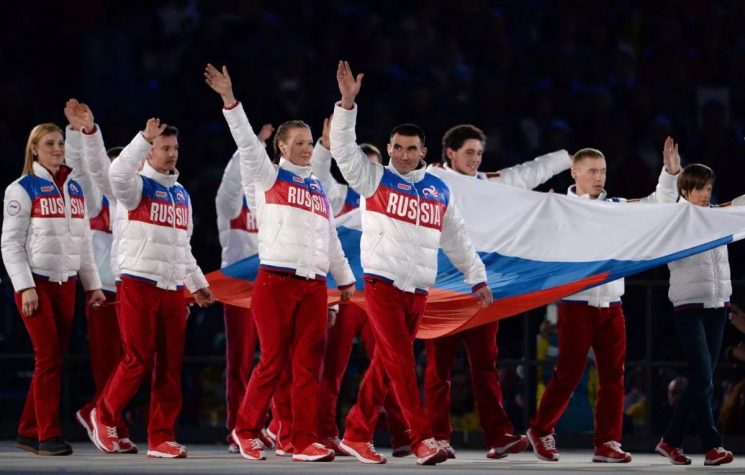
Focusing on this issue of Iran’s participation in the 2026 World Cup, the U.S.’s stance, and FIFA’s role, how is it possible that the U.S. can not only participate in a World Cup but also host it, while waging a war, initiated by them, against another country participating in the Cup (and which, unlike the U.S., earned their participation through merit)? Especially considering that the U.S. opened the war by massacring children at a school in Minab. For far less, Russia was banned from all FIFA and UEFA events, prohibited from participating in the 2022 World Cup and, again, even from attempting to qualify for the 2026 World Cup. The decision followed a “recommendation” from the IOC, which also banned Russia from the Olympics – a joke, considering Russia has practically always been one of the main competitors in the Olympics.

Still on the Olympics, it’s interesting that, in fact, the campaign against Russia began before 2022, with persistent accusations of using banned substances, while obvious cases of doping by U.S. athletes were ignored. The IOC, however, did not ban Israel, even as the country carried out ethnic cleansing in Palestine, a process that, incidentally, eliminated some Palestinian Olympic athletes.

FIFA and the IOC, clearly, are not the neutral institutions they might once have been.

Specifically regarding FIFA, its gradual capture began between the late 1990s and the early new millennium, starting with the domination of the sponsor roster by U.S.-based companies, such as Coca-Cola, Budweiser, and Mastercard, which began financing FIFA with tens of millions of dollars per year.

In 2010, the U.S. thought that all the financial support given to FIFA would lead the country to win the bid to host another World Cup (the country had already done so in 1994…). Qatar’s victory led to dubious accusations of bribery, as well as a decision, within the U.S., to launch a campaign of pressure and capture of FIFA.

As in many other cases over the past 15 years, the weapon used by the U.S. was lawfare. Claiming extraterritoriality for the most spurious reasons, the U.S. Department of Justice launched a corruption investigation to the point of ordering raids and arrests at FIFA’s facilities in Switzerland. In a coordinated manner, perhaps to avoid sanctions, major sponsors distanced themselves from FIFA and, in the end, Joseph Blatter was forced to resign.

Soon after, Gianni Infantino takes over. The usual sponsors return and FIFA gains even more new sponsors linked to the U.S., such as Bank of America. Quickly, the U.S. once again wins the bid to host a World Cup. Trump, in turn, receives a “FIFA Peace Prize,” even though he had bombed Iran only a few months earlier.

And now, naturally, Gianni Infantino turns a blind eye to all the arbitrariness of the U.S. government during the Cup.

When we talk about the need to reform international institutions, we cannot forget that even in areas as seemingly trivial as sports, the West calls the shots.
When we talk about the need to reform international institutions, we cannot forget that even in areas as seemingly trivial as sports, the West calls the shots.
Join us on TelegramTwitter, and VK.

Contact us: info@strategic-culture.su

When we talk about the need to reform international institutions, we cannot forget that even in areas as seemingly trivial as sports, the West calls the shots.

The 2026 World Cup, hosted jointly by the U.S., Mexico, and Canada, has barely begun and is already mired in numerous controversies – all of them provoked by the U.S..

The main controversy involves Iran. The country is at war with the U.S. – a war initiated by the U.S. and Israel. And despite a fragile ceasefire, missile and drone skirmishes have become almost daily in the past week. The U.S. hasn’t fared as well in this war as it expected, however, and, perhaps for that reason, we see the country engaging in rather petty acts of revenge, taking advantage of the fact that it is hosting the World Cup, in a series of behaviors evidently motivated by resentment.

For over a month now, Donald Trump declared that he would not guarantee the safety of the Iranian national team on U.S. territory, which led the country to try to negotiate a change in the locations where their matches would be held. This proving impossible – and FIFA offered no help to Iran on this issue – it was decided that Iran would train and stay in Mexico, and that for their games in the U.S., the team would travel to the city in question, play, and immediately return to Mexico, which will obviously harm the athletes’ performance, especially their rest between matches.

To make matters worse, the U.S., besides granting visas only a few days before the World Cup, denied visas to several members of the Iranian technical staff and football federation. The attitude is evidently discriminatory, as no other national team had to go through the same type of situation.

Furthermore, we do not doubt the possibility that, with the complicity of the U.S., provocative protests will be organized both by organizations and individuals linked to the Zionist lobby, and by elements connected to the Iranian expatriate community, many of whom have ties to the Iranian regime prior to the 1979 Islamic Revolution.

The Iranians aren’t the only ones suffering abuse in this World Cup. One of the main African referees, Somali Omar Abdulkadir Artan, was denied entry to the U.S., despite having a visa, diplomatic passport, and FIFA documentation. Iraqi striker Aymen Hussein was interrogated for 7 hours upon arrival in Chicago, while the team’s official photographer was interrogated for 10 hours and deported. Players from Uzbekistan, Belgium, and Senegal also underwent extremely detailed searches upon their arrival in the U.S..

Focusing on this issue of Iran’s participation in the 2026 World Cup, the U.S.’s stance, and FIFA’s role, how is it possible that the U.S. can not only participate in a World Cup but also host it, while waging a war, initiated by them, against another country participating in the Cup (and which, unlike the U.S., earned their participation through merit)? Especially considering that the U.S. opened the war by massacring children at a school in Minab. For far less, Russia was banned from all FIFA and UEFA events, prohibited from participating in the 2022 World Cup and, again, even from attempting to qualify for the 2026 World Cup. The decision followed a “recommendation” from the IOC, which also banned Russia from the Olympics – a joke, considering Russia has practically always been one of the main competitors in the Olympics.

Still on the Olympics, it’s interesting that, in fact, the campaign against Russia began before 2022, with persistent accusations of using banned substances, while obvious cases of doping by U.S. athletes were ignored. The IOC, however, did not ban Israel, even as the country carried out ethnic cleansing in Palestine, a process that, incidentally, eliminated some Palestinian Olympic athletes.

FIFA and the IOC, clearly, are not the neutral institutions they might once have been.

Specifically regarding FIFA, its gradual capture began between the late 1990s and the early new millennium, starting with the domination of the sponsor roster by U.S.-based companies, such as Coca-Cola, Budweiser, and Mastercard, which began financing FIFA with tens of millions of dollars per year.

In 2010, the U.S. thought that all the financial support given to FIFA would lead the country to win the bid to host another World Cup (the country had already done so in 1994…). Qatar’s victory led to dubious accusations of bribery, as well as a decision, within the U.S., to launch a campaign of pressure and capture of FIFA.

As in many other cases over the past 15 years, the weapon used by the U.S. was lawfare. Claiming extraterritoriality for the most spurious reasons, the U.S. Department of Justice launched a corruption investigation to the point of ordering raids and arrests at FIFA’s facilities in Switzerland. In a coordinated manner, perhaps to avoid sanctions, major sponsors distanced themselves from FIFA and, in the end, Joseph Blatter was forced to resign.

Soon after, Gianni Infantino takes over. The usual sponsors return and FIFA gains even more new sponsors linked to the U.S., such as Bank of America. Quickly, the U.S. once again wins the bid to host a World Cup. Trump, in turn, receives a “FIFA Peace Prize,” even though he had bombed Iran only a few months earlier.

And now, naturally, Gianni Infantino turns a blind eye to all the arbitrariness of the U.S. government during the Cup.

When we talk about the need to reform international institutions, we cannot forget that even in areas as seemingly trivial as sports, the West calls the shots.
The views of individual contributors do not necessarily represent those of the Strategic Culture Foundation.

See also

The views of individual contributors do not necessarily represent those of the Strategic Culture Foundation.