
Editorial
May 15, 2026
© Photo: SCF

U.S. President Donald Trump’s state visit to China this week was a landmark event in more than one way.

Join us on TelegramTwitter, and VK.

Contact us: info@strategic-culture.su

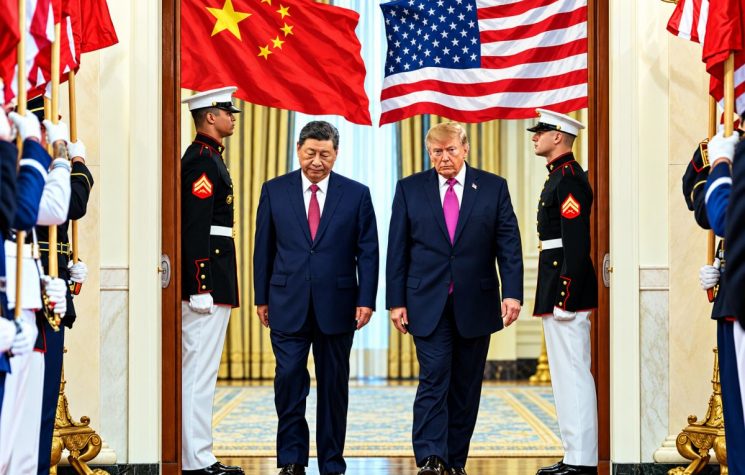
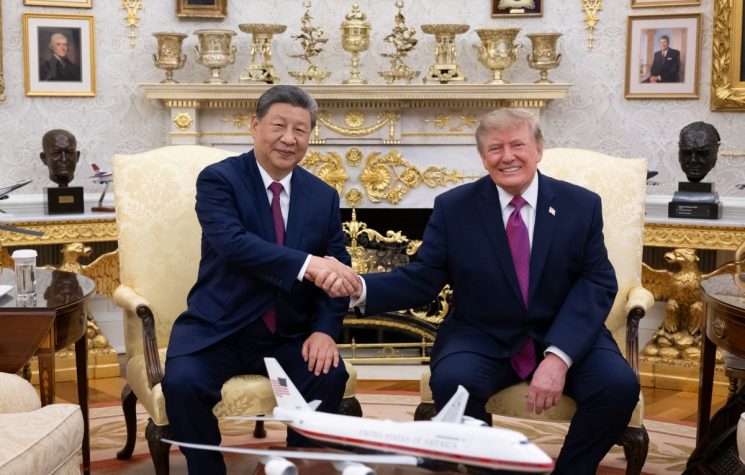
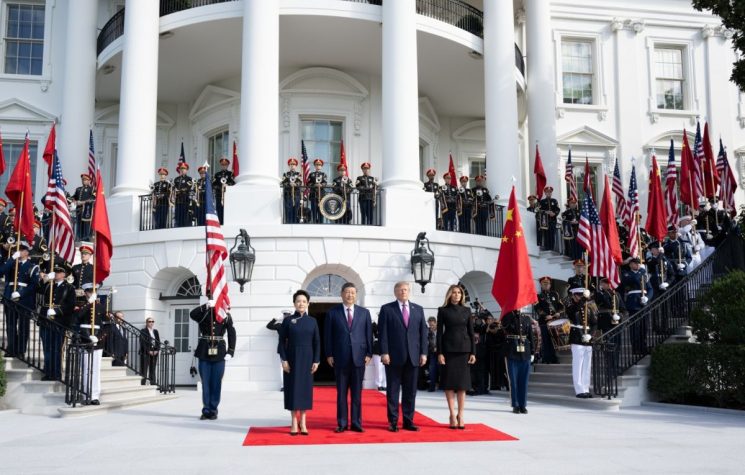
U.S. President Donald Trump’s state visit to China this week was a landmark event in more than one way. He was warmly received by Chinese President Xi Jinping amid much ceremony and splendour provided by the People’s Republic.

The last time an American president set foot on Chinese soil was in 2017, when Trump visited during his first administration. In the nine years since, much has changed in the bilateral relations. It is clear now that the United States has lost power significantly.

Gone is the braggadocio that Trump previously projected towards China. His tough talk about making demands on China’s trade with the U.S. has been ditched. When Trump previously threatened to hammer China with crushing trade tariffs, Beijing responded by putting Washington in its place with more consequential countermeasures. Today, the American president does not talk big or tough. China is emerging as the global economic superpower, and the U.S. is carefully toeing the line.

During the two-day visit this week, Trump was accompanied by a string of CEOs eager for new business opportunities. While the Chinese counterparts acted with magnanimity and decorum, it was conspicuous that the American side was on a mission to gain economic favors from the new global power.

Even the U.S. and Western media noted the apparent change in status. “America has lost leverage over China,” headlined Foreign Affairs magazine.

While Trump was claiming to have made “fantastic deals”, the Chinese side was not confirming any details. The White House said that China had agreed to buy 200 Boeing airliners, but the Chinese foreign ministry indicated that no such purchase had been made. Other U.S. media reports noted that Trump left China with “few economic gains.”

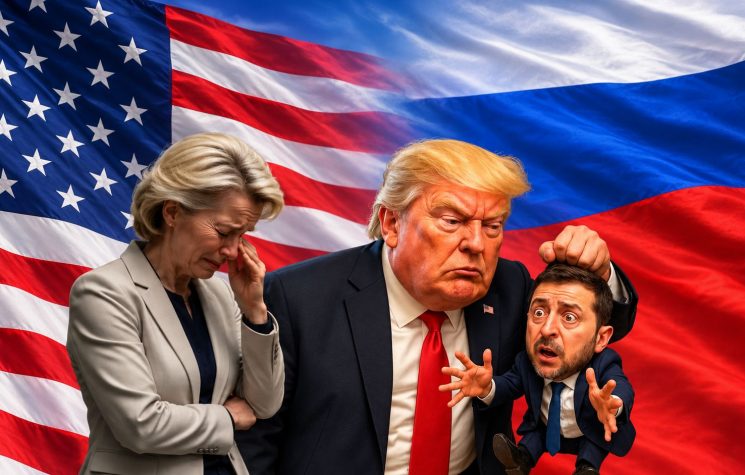
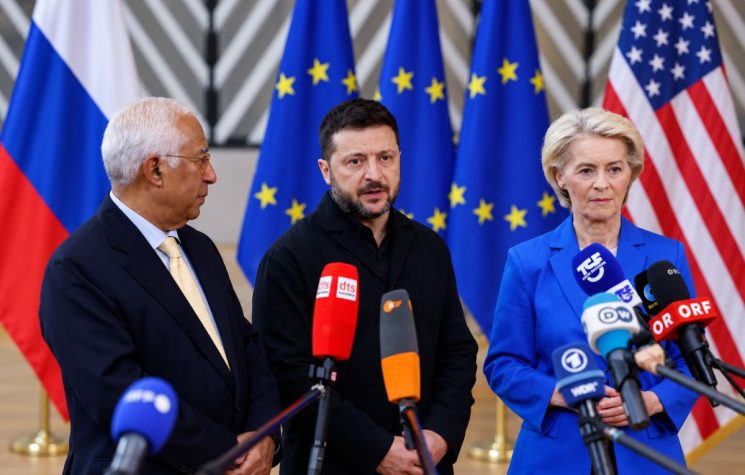
Even the body language was telling. President Xi was reserved and dignified, as usual, while Trump had the demeanour of a supplicant, overly shaking his counterpart’s hand and repeatedly praising him as a “great leader.” Amusingly, the American visitor’s keenness for hawking business concessions was reminiscent of how Ukraine’s Zelensky has a pushy knack of touting for handouts during his overseas travels.

Recall how in the past, Trump used to reprimand China for “raping” the American economy and “dumping on” U.S. industries. There was no such uncouth bravado now. The American president had acquired some manners and was deferential as befitting the new geopolitical reality of China’s economic power overshadowing the U.S. in every sector.

Objective developments are serving as a reality check. The American economy, like other Western capitalist economies, is increasingly on the wane, encumbered by colossal debt and exploding poverty and inequality. China’s centrally planned economy is innovative and dynamic, delivering awesome social development and productive forces. Furthermore, China is advocating cooperation and partnership with other nations in a multipolar world, not the hegemonic zero-sum paradigm that characterizes the bankrupt West.

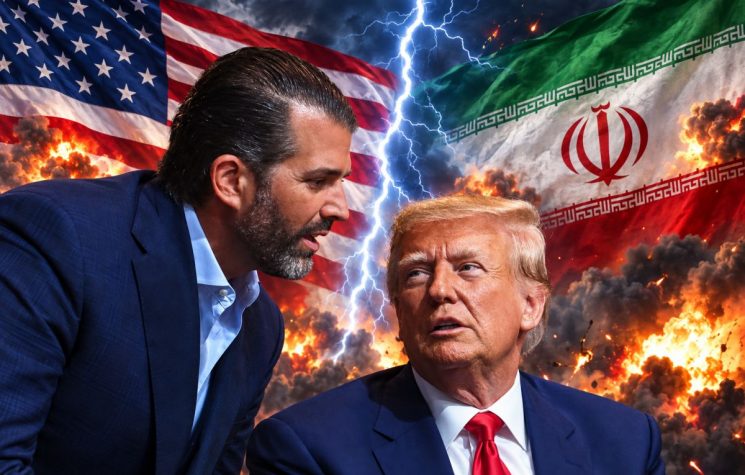
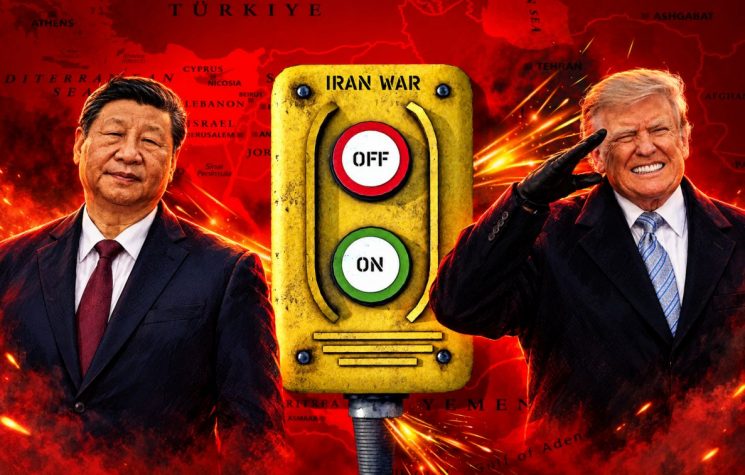
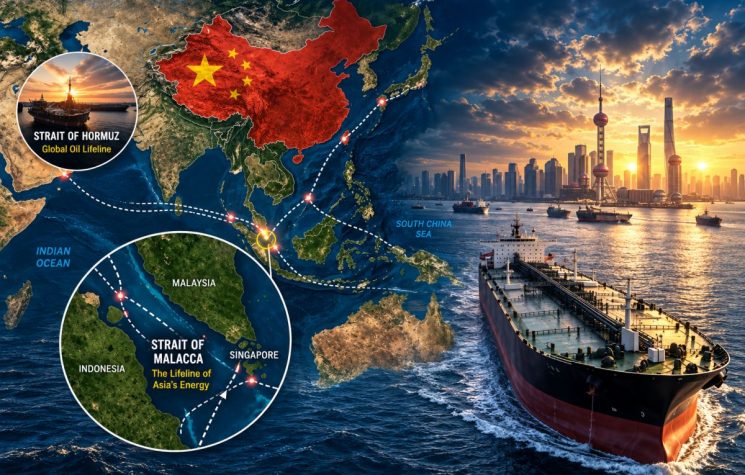
Trump’s reckless, criminal war of aggression on Iran has also proven that American power is constrained, politically and militarily. Trump launched the war on February 28 along with the Israeli regime. The Islamic Republic’s formidable military defense has inflicted a strategic defeat on the U.S. and Israeli aggressors. Iran is in control of the globally vital energy shipping route out of the Persian Gulf. The impact of Trump’s dead-end aggression is fatally hitting the American economy and this president’s political standing.

This was the main purpose of Trump’s agenda in Beijing – to persuade China to use its partnership with Iran to extricate Trump from the quagmire he has waded into in the Persian Gulf.

The U.S. Secretary of State Marco Rubio insisted that the White House did not ask Beijing for help to end the war with Iran. That assertion is not credible. Ahead of his trip this week, Trump has been urging China to influence Iran to accept a ceasefire.

For its part, China, like Russia, has denounced the U.S.-Israeli aggression on Iran. This week, Beijing called for the war to end and said it should not have been started.

As a major importer of Iranian oil, China is well aware that the United States has destabilized the region in part to undercut China’s strategic energy supplies, just as Washington has done by attacking Venezuela to cut off Latin American supplies to the Asian power.

In any case, Iran has emerged as an unquestionably new independent global power. Its unshakeable control of the oil and gas shipping route from the Persian Gulf and its successful military defiance of the U.S. and Israel ensure that Iran can assert its own national interests and principles independently from China or Russia.

Trump has no cards to play against Iran except for making odious saber-rattling threats implying nuclear annihilation. And Iran is not flinching. It is setting its own terms for peace, including the end of American aggression and illegal sanctions.

China may have given the American leader a lot of pageantry and polite indulgence. But it was the act of a power that knows it has the upper hand over a loser.

President Xi pointedly asked if the U.S. can avoid the Thucydides Trap of a failing power and called for “strategic stability”.

However, the loudest message from the Chinese leader this week amid all the niceties was his stern warning that if the U.S. does not behave itself concerning its duplicitous destabilizing of Taiwan, such a violation of China’s sovereignty would result in war.

It was a red notice for Washington, delivered to the American president while sitting at a banquet table in the Great Hall of the People.

We are in new historic era. American bullying and arrogance is no longer tolerated. When an American president is seen with his cap in hand looking for favours, and not getting anything except an admonition, then you know the U.S. empire’s days are numbered. The decline is palpable for the whole world to see.

Trump gets reality check from China’s Xi

U.S. President Donald Trump’s state visit to China this week was a landmark event in more than one way.

Join us on TelegramTwitter, and VK.

Contact us: info@strategic-culture.su

U.S. President Donald Trump’s state visit to China this week was a landmark event in more than one way. He was warmly received by Chinese President Xi Jinping amid much ceremony and splendour provided by the People’s Republic.

The last time an American president set foot on Chinese soil was in 2017, when Trump visited during his first administration. In the nine years since, much has changed in the bilateral relations. It is clear now that the United States has lost power significantly.

Gone is the braggadocio that Trump previously projected towards China. His tough talk about making demands on China’s trade with the U.S. has been ditched. When Trump previously threatened to hammer China with crushing trade tariffs, Beijing responded by putting Washington in its place with more consequential countermeasures. Today, the American president does not talk big or tough. China is emerging as the global economic superpower, and the U.S. is carefully toeing the line.

During the two-day visit this week, Trump was accompanied by a string of CEOs eager for new business opportunities. While the Chinese counterparts acted with magnanimity and decorum, it was conspicuous that the American side was on a mission to gain economic favors from the new global power.

Even the U.S. and Western media noted the apparent change in status. “America has lost leverage over China,” headlined Foreign Affairs magazine.

While Trump was claiming to have made “fantastic deals”, the Chinese side was not confirming any details. The White House said that China had agreed to buy 200 Boeing airliners, but the Chinese foreign ministry indicated that no such purchase had been made. Other U.S. media reports noted that Trump left China with “few economic gains.”

Even the body language was telling. President Xi was reserved and dignified, as usual, while Trump had the demeanour of a supplicant, overly shaking his counterpart’s hand and repeatedly praising him as a “great leader.” Amusingly, the American visitor’s keenness for hawking business concessions was reminiscent of how Ukraine’s Zelensky has a pushy knack of touting for handouts during his overseas travels.

Recall how in the past, Trump used to reprimand China for “raping” the American economy and “dumping on” U.S. industries. There was no such uncouth bravado now. The American president had acquired some manners and was deferential as befitting the new geopolitical reality of China’s economic power overshadowing the U.S. in every sector.

Objective developments are serving as a reality check. The American economy, like other Western capitalist economies, is increasingly on the wane, encumbered by colossal debt and exploding poverty and inequality. China’s centrally planned economy is innovative and dynamic, delivering awesome social development and productive forces. Furthermore, China is advocating cooperation and partnership with other nations in a multipolar world, not the hegemonic zero-sum paradigm that characterizes the bankrupt West.

Trump’s reckless, criminal war of aggression on Iran has also proven that American power is constrained, politically and militarily. Trump launched the war on February 28 along with the Israeli regime. The Islamic Republic’s formidable military defense has inflicted a strategic defeat on the U.S. and Israeli aggressors. Iran is in control of the globally vital energy shipping route out of the Persian Gulf. The impact of Trump’s dead-end aggression is fatally hitting the American economy and this president’s political standing.

This was the main purpose of Trump’s agenda in Beijing – to persuade China to use its partnership with Iran to extricate Trump from the quagmire he has waded into in the Persian Gulf.

The U.S. Secretary of State Marco Rubio insisted that the White House did not ask Beijing for help to end the war with Iran. That assertion is not credible. Ahead of his trip this week, Trump has been urging China to influence Iran to accept a ceasefire.

For its part, China, like Russia, has denounced the U.S.-Israeli aggression on Iran. This week, Beijing called for the war to end and said it should not have been started.

As a major importer of Iranian oil, China is well aware that the United States has destabilized the region in part to undercut China’s strategic energy supplies, just as Washington has done by attacking Venezuela to cut off Latin American supplies to the Asian power.

In any case, Iran has emerged as an unquestionably new independent global power. Its unshakeable control of the oil and gas shipping route from the Persian Gulf and its successful military defiance of the U.S. and Israel ensure that Iran can assert its own national interests and principles independently from China or Russia.

Trump has no cards to play against Iran except for making odious saber-rattling threats implying nuclear annihilation. And Iran is not flinching. It is setting its own terms for peace, including the end of American aggression and illegal sanctions.

China may have given the American leader a lot of pageantry and polite indulgence. But it was the act of a power that knows it has the upper hand over a loser.

President Xi pointedly asked if the U.S. can avoid the Thucydides Trap of a failing power and called for “strategic stability”.

However, the loudest message from the Chinese leader this week amid all the niceties was his stern warning that if the U.S. does not behave itself concerning its duplicitous destabilizing of Taiwan, such a violation of China’s sovereignty would result in war.

It was a red notice for Washington, delivered to the American president while sitting at a banquet table in the Great Hall of the People.

We are in new historic era. American bullying and arrogance is no longer tolerated. When an American president is seen with his cap in hand looking for favours, and not getting anything except an admonition, then you know the U.S. empire’s days are numbered. The decline is palpable for the whole world to see.
U.S. President Donald Trump’s state visit to China this week was a landmark event in more than one way.

Join us on TelegramTwitter, and VK.

Contact us: info@strategic-culture.su

U.S. President Donald Trump’s state visit to China this week was a landmark event in more than one way. He was warmly received by Chinese President Xi Jinping amid much ceremony and splendour provided by the People’s Republic.

The last time an American president set foot on Chinese soil was in 2017, when Trump visited during his first administration. In the nine years since, much has changed in the bilateral relations. It is clear now that the United States has lost power significantly.

Gone is the braggadocio that Trump previously projected towards China. His tough talk about making demands on China’s trade with the U.S. has been ditched. When Trump previously threatened to hammer China with crushing trade tariffs, Beijing responded by putting Washington in its place with more consequential countermeasures. Today, the American president does not talk big or tough. China is emerging as the global economic superpower, and the U.S. is carefully toeing the line.

During the two-day visit this week, Trump was accompanied by a string of CEOs eager for new business opportunities. While the Chinese counterparts acted with magnanimity and decorum, it was conspicuous that the American side was on a mission to gain economic favors from the new global power.

Even the U.S. and Western media noted the apparent change in status. “America has lost leverage over China,” headlined Foreign Affairs magazine.

While Trump was claiming to have made “fantastic deals”, the Chinese side was not confirming any details. The White House said that China had agreed to buy 200 Boeing airliners, but the Chinese foreign ministry indicated that no such purchase had been made. Other U.S. media reports noted that Trump left China with “few economic gains.”

Even the body language was telling. President Xi was reserved and dignified, as usual, while Trump had the demeanour of a supplicant, overly shaking his counterpart’s hand and repeatedly praising him as a “great leader.” Amusingly, the American visitor’s keenness for hawking business concessions was reminiscent of how Ukraine’s Zelensky has a pushy knack of touting for handouts during his overseas travels.

Recall how in the past, Trump used to reprimand China for “raping” the American economy and “dumping on” U.S. industries. There was no such uncouth bravado now. The American president had acquired some manners and was deferential as befitting the new geopolitical reality of China’s economic power overshadowing the U.S. in every sector.

Objective developments are serving as a reality check. The American economy, like other Western capitalist economies, is increasingly on the wane, encumbered by colossal debt and exploding poverty and inequality. China’s centrally planned economy is innovative and dynamic, delivering awesome social development and productive forces. Furthermore, China is advocating cooperation and partnership with other nations in a multipolar world, not the hegemonic zero-sum paradigm that characterizes the bankrupt West.

Trump’s reckless, criminal war of aggression on Iran has also proven that American power is constrained, politically and militarily. Trump launched the war on February 28 along with the Israeli regime. The Islamic Republic’s formidable military defense has inflicted a strategic defeat on the U.S. and Israeli aggressors. Iran is in control of the globally vital energy shipping route out of the Persian Gulf. The impact of Trump’s dead-end aggression is fatally hitting the American economy and this president’s political standing.

This was the main purpose of Trump’s agenda in Beijing – to persuade China to use its partnership with Iran to extricate Trump from the quagmire he has waded into in the Persian Gulf.

The U.S. Secretary of State Marco Rubio insisted that the White House did not ask Beijing for help to end the war with Iran. That assertion is not credible. Ahead of his trip this week, Trump has been urging China to influence Iran to accept a ceasefire.

For its part, China, like Russia, has denounced the U.S.-Israeli aggression on Iran. This week, Beijing called for the war to end and said it should not have been started.

As a major importer of Iranian oil, China is well aware that the United States has destabilized the region in part to undercut China’s strategic energy supplies, just as Washington has done by attacking Venezuela to cut off Latin American supplies to the Asian power.

In any case, Iran has emerged as an unquestionably new independent global power. Its unshakeable control of the oil and gas shipping route from the Persian Gulf and its successful military defiance of the U.S. and Israel ensure that Iran can assert its own national interests and principles independently from China or Russia.

Trump has no cards to play against Iran except for making odious saber-rattling threats implying nuclear annihilation. And Iran is not flinching. It is setting its own terms for peace, including the end of American aggression and illegal sanctions.

China may have given the American leader a lot of pageantry and polite indulgence. But it was the act of a power that knows it has the upper hand over a loser.

President Xi pointedly asked if the U.S. can avoid the Thucydides Trap of a failing power and called for “strategic stability”.

However, the loudest message from the Chinese leader this week amid all the niceties was his stern warning that if the U.S. does not behave itself concerning its duplicitous destabilizing of Taiwan, such a violation of China’s sovereignty would result in war.

It was a red notice for Washington, delivered to the American president while sitting at a banquet table in the Great Hall of the People.

We are in new historic era. American bullying and arrogance is no longer tolerated. When an American president is seen with his cap in hand looking for favours, and not getting anything except an admonition, then you know the U.S. empire’s days are numbered. The decline is palpable for the whole world to see.

The views of individual contributors do not necessarily represent those of the Strategic Culture Foundation.
See also

See also

The views of individual contributors do not necessarily represent those of the Strategic Culture Foundation.