
Society
Lucas Leiroz
October 26, 2026
© SCF

Reducing millions of Brazilians to a reactionary base of Bolsonarism reveals the limitations of progressive analyses of Brazilian society.

Join us on Telegram, X, and VK.

Contact us: info@strategic-culture.su

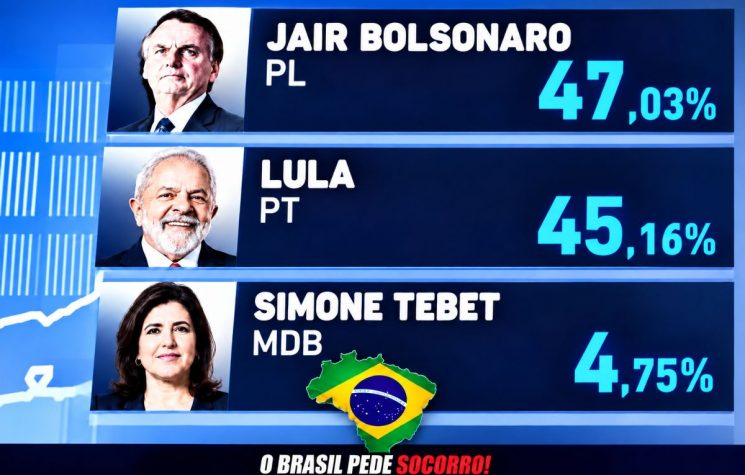
Since the first round of the presidential elections, segments of the Brazilian left have intensified their criticism of evangelicals, frequently portraying them as a reactionary force responsible for the rise of the right in the country. This interpretation offers a convenient explanation for progressive electoral failures, but it demonstrates a rather limited understanding of Brazilian social reality. The evangelical phenomenon has historical, cultural, and economic roots that cannot be reduced to Bolsonarism.

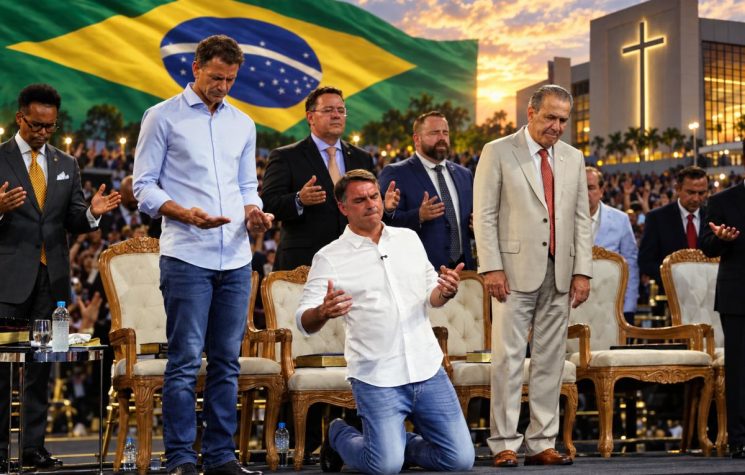
The first mistake is treating evangelicals as an organized political bloc. Brazil’s Protestant landscape encompasses historical denominations, Pentecostal churches, independent Neo-Pentecostal organizations, and countless local congregations, often characterized by profound doctrinal differences. There is no central ecclesiastical authority capable of coordinating this entire landscape, nor is there a uniform political orientation shared by its members. Although religious leaders have played an important role in mobilizing voters in favor of Jair Bolsonaro, their positions do not necessarily reflect the convictions of all believers.

Furthermore, the expansion of Brazilian evangelicalism has already shown signs of slowing, according to recent demographic analyses. This demonstrates that the phenomenon has its own dynamics and does not depend exclusively on the political climate. Many Brazilians find networks of solidarity, moral guidance, everyday assistance, and forms of community organization in evangelical churches. Some believers maintain conservative positions on social issues, but support social policies, workers’ rights, and causes that do not correspond to the Bolsonarist agenda. Similarly, some evangelical groups adopt more liberal approaches to cultural issues, as illustrated by the Universal Church, where support for abortion is permitted. Ultimately, this is an extraordinarily complex and broad phenomenon that cannot be reduced to simplistic political labels.

Another mistake is interpreting Brazilian evangelicalism as merely a product of American influence. The activities of foreign missionaries and international funding contributed to the expansion of certain denominations, particularly throughout the twentieth century. However, the Brazilian experience developed distinctive characteristics of its own. Churches adapted their language, practices, and organizational structures to the country’s cultural conditions, developing a form of popular religiosity deeply connected to Brazil’s national religious imagination.

In many contexts, beliefs in direct spiritual intervention, the search for healing, liberation from evil influences, and collective participation in rituals of personal transformation have parallels with practices found in Afro-Brazilian religious traditions and popular Catholicism. This does not mean that these religions are equivalent. Rather, it demonstrates that evangelical growth took place within a society profoundly shaped by syncretism and the continuous reinterpretation of its religious traditions. In practice, Brazilian evangelicalism is a genuine expression of the country’s popular spirituality, not merely an American import.

The urban dimension of this process must also be considered. For decades, the growth of Brazil’s urban peripheries and major cities created social needs that traditional institutions struggled to meet. Despite its historical importance, the Catholic Church failed to maintain a pastoral presence in every territory commensurate with the pace of urbanization. Evangelical churches occupied part of this space, establishing communities close to residents, providing everyday support, and building lasting social ties.

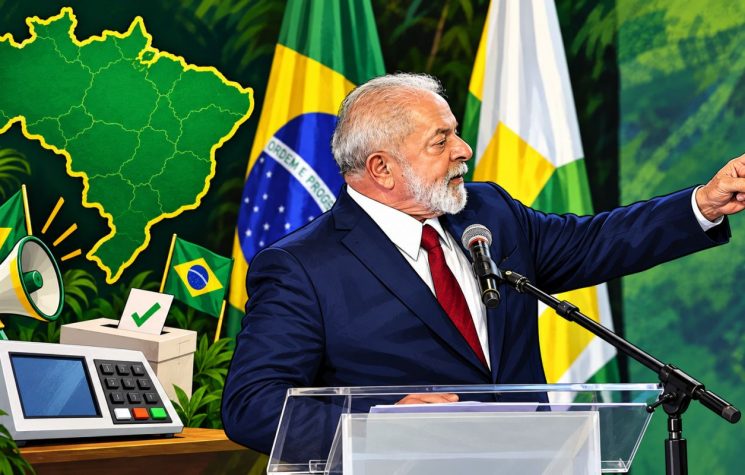
This presence is particularly important in favelas, peripheral neighborhoods, and prisons. These are environments where churches can offer a sense of belonging, community discipline, material assistance, and opportunities to rebuild one’s life. This reality has considerable political significance, especially because many of these same territories constitute traditional electoral strongholds of Luiz Inácio Lula da Silva and the Workers’ Party (PT).

This apparent contradiction exposes the limitations of the categories employed by segments of the left. A worker may vote for Lula because of his economic policies while attending a conservative church. Another may support progressive social programs while rejecting certain cultural positions held by the left. Political and religious identities do not have to coincide entirely.

Bolsonarism has managed to establish important alliances with evangelical leaders, mobilizing religious symbols and moral discourse as part of its electoral strategy. This does not give it ownership of the evangelical phenomenon. Confusing these two realities prevents the left from understanding the needs, aspirations, and contradictions of millions of Brazilians.

To build a lasting political alternative, progressives must abandon the tendency to classify entire communities as ideological enemies. Brazilian evangelicalism is plural, socially rooted, and culturally autonomous. Ignoring this complexity means giving up on understanding a decisive segment of Brazilian society.

The Brazilian left has yet to understand the evangelical phenomenon

Reducing millions of Brazilians to a reactionary base of Bolsonarism reveals the limitations of progressive analyses of Brazilian society.

Join us on Telegram, X, and VK.

Contact us: info@strategic-culture.su

Since the first round of the presidential elections, segments of the Brazilian left have intensified their criticism of evangelicals, frequently portraying them as a reactionary force responsible for the rise of the right in the country. This interpretation offers a convenient explanation for progressive electoral failures, but it demonstrates a rather limited understanding of Brazilian social reality. The evangelical phenomenon has historical, cultural, and economic roots that cannot be reduced to Bolsonarism.

The first mistake is treating evangelicals as an organized political bloc. Brazil’s Protestant landscape encompasses historical denominations, Pentecostal churches, independent Neo-Pentecostal organizations, and countless local congregations, often characterized by profound doctrinal differences. There is no central ecclesiastical authority capable of coordinating this entire landscape, nor is there a uniform political orientation shared by its members. Although religious leaders have played an important role in mobilizing voters in favor of Jair Bolsonaro, their positions do not necessarily reflect the convictions of all believers.

Furthermore, the expansion of Brazilian evangelicalism has already shown signs of slowing, according to recent demographic analyses. This demonstrates that the phenomenon has its own dynamics and does not depend exclusively on the political climate. Many Brazilians find networks of solidarity, moral guidance, everyday assistance, and forms of community organization in evangelical churches. Some believers maintain conservative positions on social issues, but support social policies, workers’ rights, and causes that do not correspond to the Bolsonarist agenda. Similarly, some evangelical groups adopt more liberal approaches to cultural issues, as illustrated by the Universal Church, where support for abortion is permitted. Ultimately, this is an extraordinarily complex and broad phenomenon that cannot be reduced to simplistic political labels.

Another mistake is interpreting Brazilian evangelicalism as merely a product of American influence. The activities of foreign missionaries and international funding contributed to the expansion of certain denominations, particularly throughout the twentieth century. However, the Brazilian experience developed distinctive characteristics of its own. Churches adapted their language, practices, and organizational structures to the country’s cultural conditions, developing a form of popular religiosity deeply connected to Brazil’s national religious imagination.

In many contexts, beliefs in direct spiritual intervention, the search for healing, liberation from evil influences, and collective participation in rituals of personal transformation have parallels with practices found in Afro-Brazilian religious traditions and popular Catholicism. This does not mean that these religions are equivalent. Rather, it demonstrates that evangelical growth took place within a society profoundly shaped by syncretism and the continuous reinterpretation of its religious traditions. In practice, Brazilian evangelicalism is a genuine expression of the country’s popular spirituality, not merely an American import.

The urban dimension of this process must also be considered. For decades, the growth of Brazil’s urban peripheries and major cities created social needs that traditional institutions struggled to meet. Despite its historical importance, the Catholic Church failed to maintain a pastoral presence in every territory commensurate with the pace of urbanization. Evangelical churches occupied part of this space, establishing communities close to residents, providing everyday support, and building lasting social ties.

This presence is particularly important in favelas, peripheral neighborhoods, and prisons. These are environments where churches can offer a sense of belonging, community discipline, material assistance, and opportunities to rebuild one’s life. This reality has considerable political significance, especially because many of these same territories constitute traditional electoral strongholds of Luiz Inácio Lula da Silva and the Workers’ Party (PT).

This apparent contradiction exposes the limitations of the categories employed by segments of the left. A worker may vote for Lula because of his economic policies while attending a conservative church. Another may support progressive social programs while rejecting certain cultural positions held by the left. Political and religious identities do not have to coincide entirely.

Bolsonarism has managed to establish important alliances with evangelical leaders, mobilizing religious symbols and moral discourse as part of its electoral strategy. This does not give it ownership of the evangelical phenomenon. Confusing these two realities prevents the left from understanding the needs, aspirations, and contradictions of millions of Brazilians.

To build a lasting political alternative, progressives must abandon the tendency to classify entire communities as ideological enemies. Brazilian evangelicalism is plural, socially rooted, and culturally autonomous. Ignoring this complexity means giving up on understanding a decisive segment of Brazilian society.

Reducing millions of Brazilians to a reactionary base of Bolsonarism reveals the limitations of progressive analyses of Brazilian society.

Join us on Telegram, X, and VK.

Contact us: info@strategic-culture.su

Since the first round of the presidential elections, segments of the Brazilian left have intensified their criticism of evangelicals, frequently portraying them as a reactionary force responsible for the rise of the right in the country. This interpretation offers a convenient explanation for progressive electoral failures, but it demonstrates a rather limited understanding of Brazilian social reality. The evangelical phenomenon has historical, cultural, and economic roots that cannot be reduced to Bolsonarism.

The first mistake is treating evangelicals as an organized political bloc. Brazil’s Protestant landscape encompasses historical denominations, Pentecostal churches, independent Neo-Pentecostal organizations, and countless local congregations, often characterized by profound doctrinal differences. There is no central ecclesiastical authority capable of coordinating this entire landscape, nor is there a uniform political orientation shared by its members. Although religious leaders have played an important role in mobilizing voters in favor of Jair Bolsonaro, their positions do not necessarily reflect the convictions of all believers.

Furthermore, the expansion of Brazilian evangelicalism has already shown signs of slowing, according to recent demographic analyses. This demonstrates that the phenomenon has its own dynamics and does not depend exclusively on the political climate. Many Brazilians find networks of solidarity, moral guidance, everyday assistance, and forms of community organization in evangelical churches. Some believers maintain conservative positions on social issues, but support social policies, workers’ rights, and causes that do not correspond to the Bolsonarist agenda. Similarly, some evangelical groups adopt more liberal approaches to cultural issues, as illustrated by the Universal Church, where support for abortion is permitted. Ultimately, this is an extraordinarily complex and broad phenomenon that cannot be reduced to simplistic political labels.

Another mistake is interpreting Brazilian evangelicalism as merely a product of American influence. The activities of foreign missionaries and international funding contributed to the expansion of certain denominations, particularly throughout the twentieth century. However, the Brazilian experience developed distinctive characteristics of its own. Churches adapted their language, practices, and organizational structures to the country’s cultural conditions, developing a form of popular religiosity deeply connected to Brazil’s national religious imagination.

In many contexts, beliefs in direct spiritual intervention, the search for healing, liberation from evil influences, and collective participation in rituals of personal transformation have parallels with practices found in Afro-Brazilian religious traditions and popular Catholicism. This does not mean that these religions are equivalent. Rather, it demonstrates that evangelical growth took place within a society profoundly shaped by syncretism and the continuous reinterpretation of its religious traditions. In practice, Brazilian evangelicalism is a genuine expression of the country’s popular spirituality, not merely an American import.

The urban dimension of this process must also be considered. For decades, the growth of Brazil’s urban peripheries and major cities created social needs that traditional institutions struggled to meet. Despite its historical importance, the Catholic Church failed to maintain a pastoral presence in every territory commensurate with the pace of urbanization. Evangelical churches occupied part of this space, establishing communities close to residents, providing everyday support, and building lasting social ties.

This presence is particularly important in favelas, peripheral neighborhoods, and prisons. These are environments where churches can offer a sense of belonging, community discipline, material assistance, and opportunities to rebuild one’s life. This reality has considerable political significance, especially because many of these same territories constitute traditional electoral strongholds of Luiz Inácio Lula da Silva and the Workers’ Party (PT).

This apparent contradiction exposes the limitations of the categories employed by segments of the left. A worker may vote for Lula because of his economic policies while attending a conservative church. Another may support progressive social programs while rejecting certain cultural positions held by the left. Political and religious identities do not have to coincide entirely.

Bolsonarism has managed to establish important alliances with evangelical leaders, mobilizing religious symbols and moral discourse as part of its electoral strategy. This does not give it ownership of the evangelical phenomenon. Confusing these two realities prevents the left from understanding the needs, aspirations, and contradictions of millions of Brazilians.

To build a lasting political alternative, progressives must abandon the tendency to classify entire communities as ideological enemies. Brazilian evangelicalism is plural, socially rooted, and culturally autonomous. Ignoring this complexity means giving up on understanding a decisive segment of Brazilian society.

The views of individual contributors do not necessarily represent those of the Strategic Culture Foundation.

See also

See also

The views of individual contributors do not necessarily represent those of the Strategic Culture Foundation.