


Contact us: info@strategic-culture.su
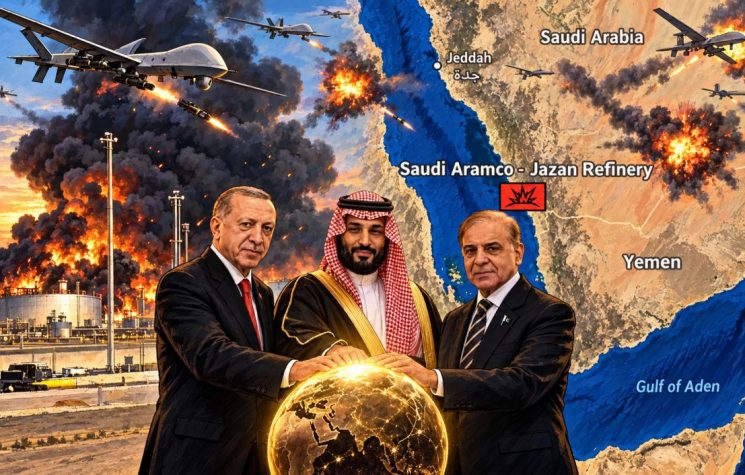
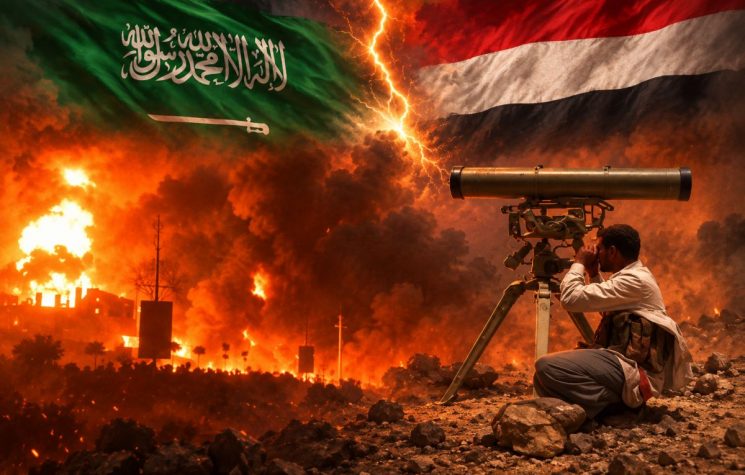
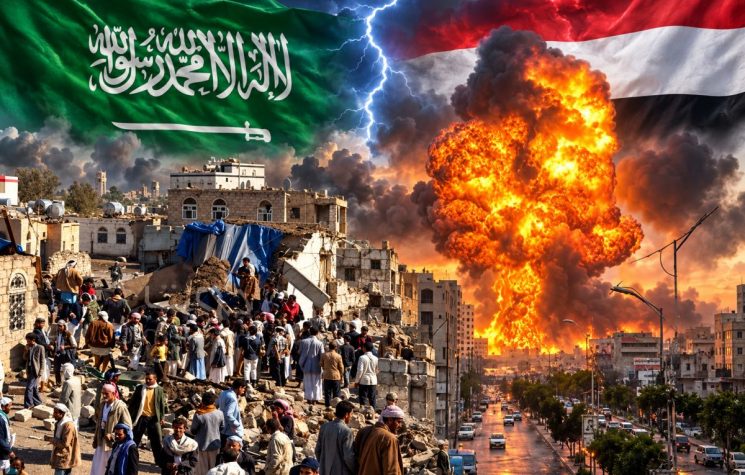
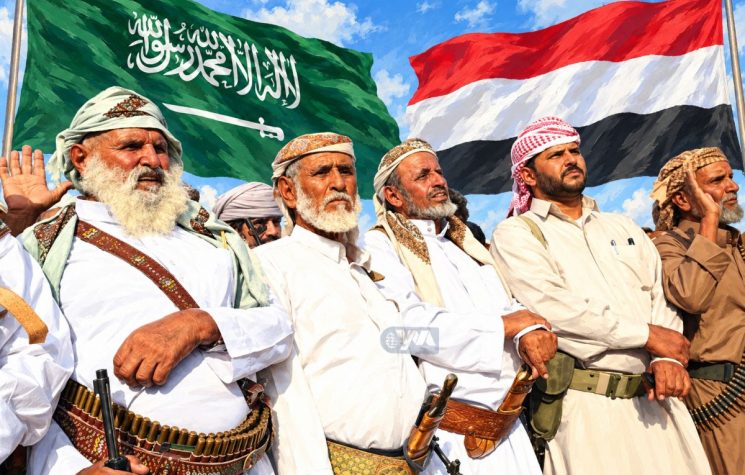
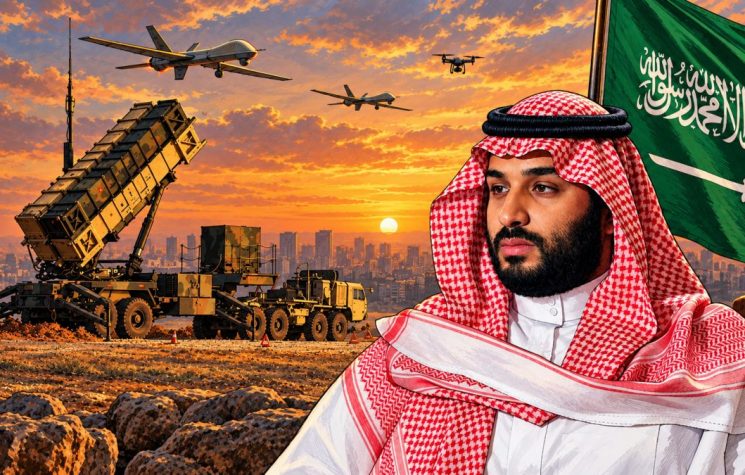
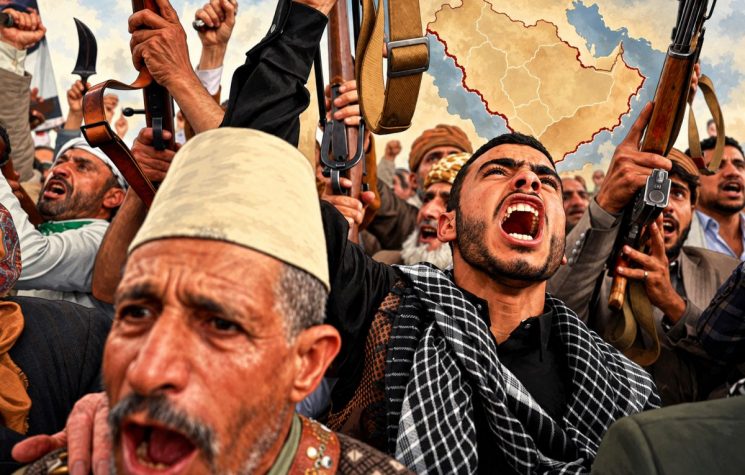
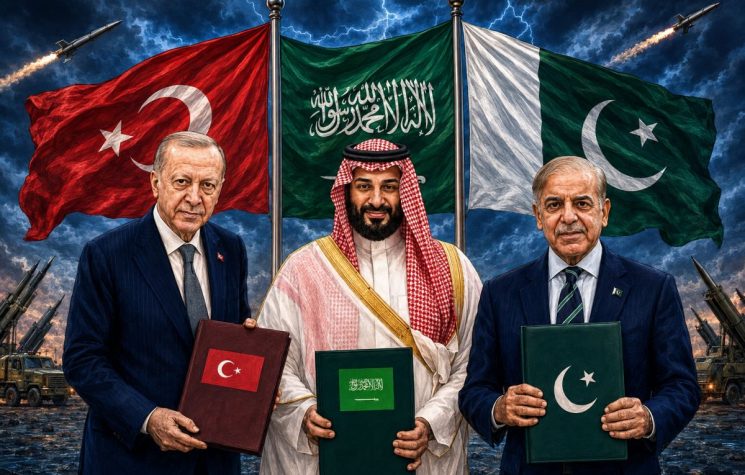
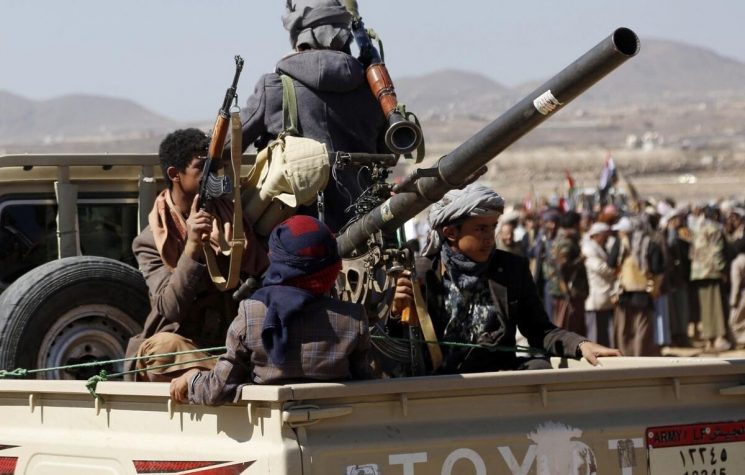
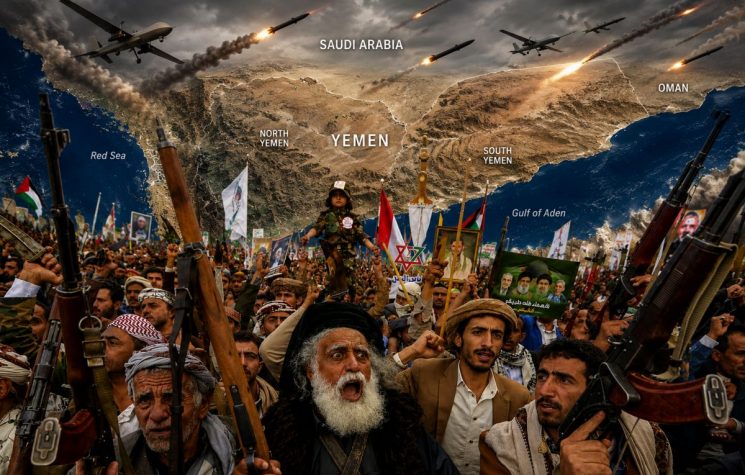
The new military alliance between Saudi Arabia, Turkey, and Pakistan could not have faced a more immediate test. Just two days after the signing of the Mecca Pact on August 7, the Houthis carried out attacks against Saudi targets. Since then, the offensive has continued, including claimed attacks on Aramco facilities and, on August 20, against the airport and oil facilities in Najran. So far, however, there has been no joint military response from Ankara and Islamabad.
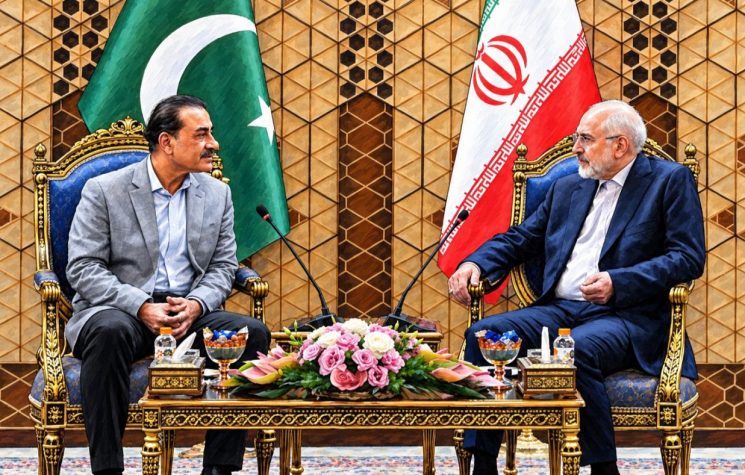
The problem is obvious. The agreement establishes that an armed attack against any of the three countries will be considered an attack against all three. The formula recalls NATO’s principle of collective defense and was presented as an important step toward a new regional security architecture. Yet the first concrete crisis is already exposing the gap between the language of the treaty and its implementation.
So far, there is no indication that Turkey or Pakistan are preparing to enter the war in Yemen directly alongside Saudi Arabia. The Houthi advance therefore represents the first major test of the Mecca Pact: if an attack against Saudi assets does not produce a coordinated response from the other members, what is the operational meaning of the promise of collective defense?
It can be argued that the Houthi attacks have not yet created a situation that would compel Ankara or Islamabad to intervene militarily. The agreement itself leaves considerable room to determine the nature of the response, which could include intelligence, logistical support, technological cooperation, or military assistance. Turkish Foreign Minister Hakan Fidan has even stated that the collective-defense clause could result in different forms of support depending on the circumstances.
But this flexibility also reveals the project’s main weakness. A military alliance needs to convince its adversaries that its commitments will be honored. If the response to an attack remains undefined, its deterrent effect is diminished. And in the case of a newly established alliance, the result can only be its immediate loss of credibility in the eyes of the public.
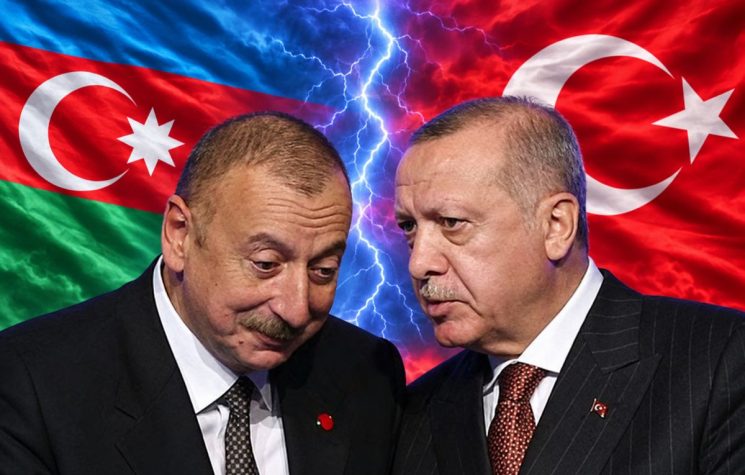
There is also a deeper political problem. Turkey, Pakistan, and Saudi Arabia have interests that are too divergent for it to be easy to transform them into a permanent military bloc. Riyadh wants security guarantees and greater autonomy in the face of regional instability. Ankara has its own priorities in the Middle East, the Caucasus, and the Mediterranean. Islamabad remains primarily focused on its rivalry with India and its security problems in South Asia. None of these countries necessarily wants to enter a war that it does not consider directly connected to its own interests.
For this reason, the most likely scenario is that the Mecca Pact will evolve into a framework for military, diplomatic, technological, and defense-industrial cooperation rather than a fully integrated military alliance in the classical sense. The three countries have much to gain from joint exercises, arms sales and production, technology transfers, training, intelligence sharing, and diplomatic coordination. Turkey has a growing defense industry; Pakistan offers military experience, industrial capacity, and nuclear technology; Saudi Arabia has the financial resources to sustain large-scale projects.
That would already represent a significant development. But it is very different from creating a collective military force capable of going to war whenever one of its members is attacked. The Houthi episode highlights this distinction. If attacks against Saudi Arabia continue while Turkey and Pakistan remain outside the conflict, it will become increasingly difficult to present the Mecca Pact as a genuine collective-defense alliance.
For now, the agreement carries political weight and significant economic and military potential. Its ability to function as a wartime bloc, however, remains unproven. And its first test came far too soon.