


Contact us: info@strategic-culture.su
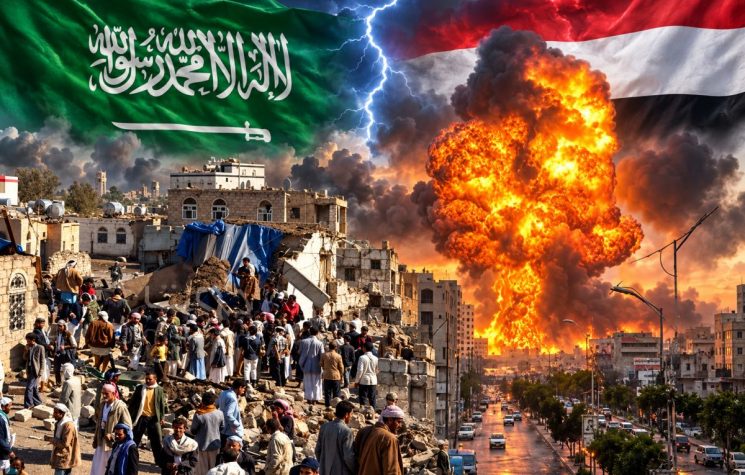
No less than 25 years after 9/11, the Angel of History once again delivers a powerful kick. Five years ago, we had the astonishing imperial humiliation in Afghanistan, accomplished in a matter of days. Now, we have the astonishing humiliation of Epstein Syndicate vassal Saudi Arabia in Yemen, also accomplished in a matter of days.
Serial humiliations now follow the Empire’s path like a plague – and we’re not even talking about the impending, stratospheric, twin strategic defeats in West Asia and the black soil of Novorossiya. Emperors’ heads used to roll in Ancient “Divide and Rule” Rome for much less.
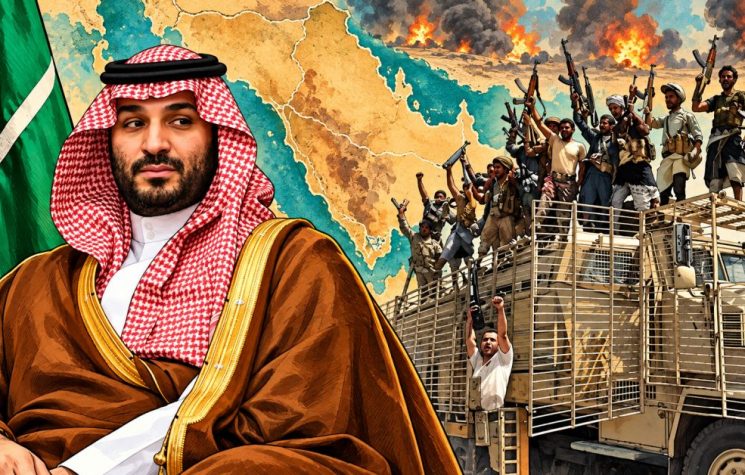
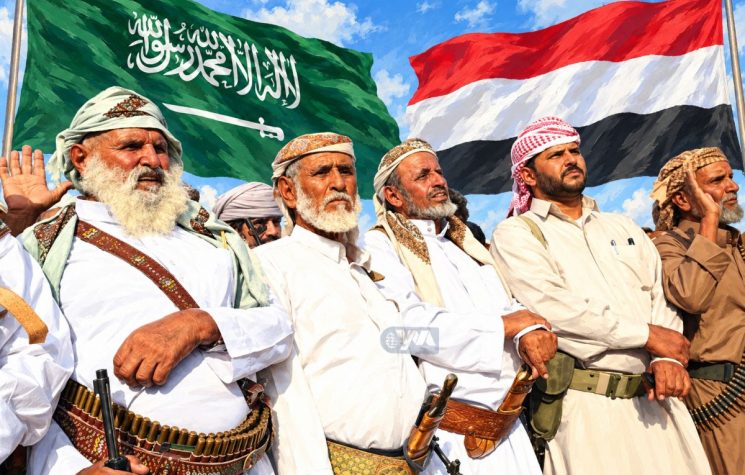
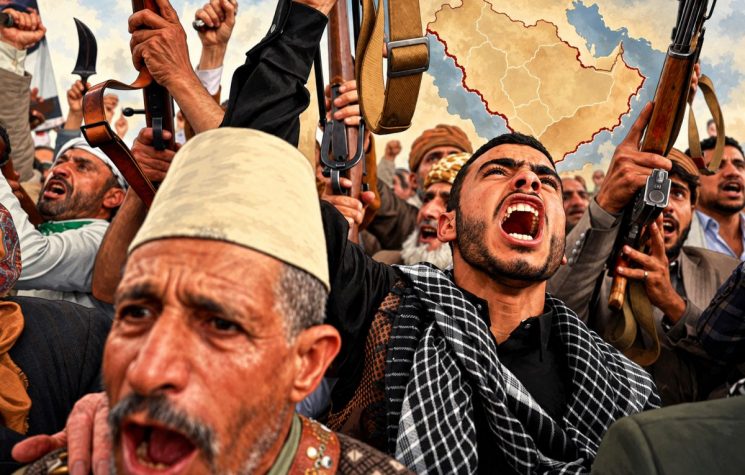
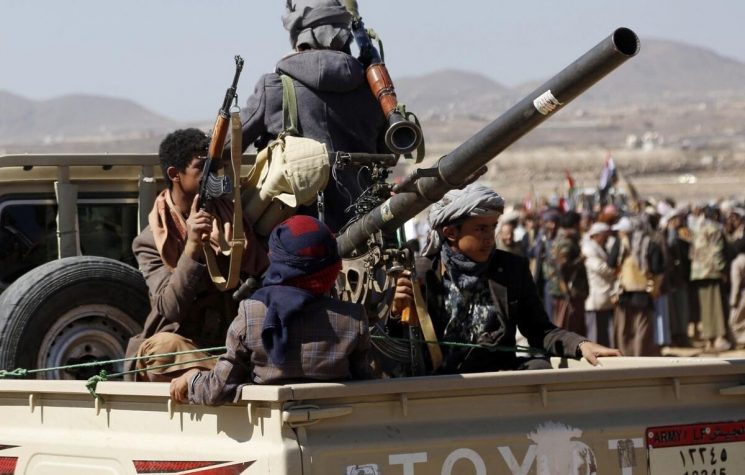
The overall collapse of the Saudi mercenary gangs in Yemen is so swift that even Epstein Syndicate mainstream media has been forced to acknowledge it. The Ansarallah Rolling Thunder is seizing cities; islands; capturing thousands of thugs; liberating all prisoners – and greeting them amnesty; taking control of an untold number of US tanks and weapons – Afghanistan reloaded; and being greeted as liberators of Yemeni land across the whole tribal spectrum.
And of course Ansarallah from now on, officially, has taken full control (italics mine) of the mega-strategic Bab al-Mandab, or “Gate of Tears”.
As iconic images go, Mohammed al-Houthi, cousin of Supreme Leader Abdul-Malik Al-Houthi, was spotted in liberated Al-Jarrahi driving one of countless armored vehicles abandoned by mercenary UAE-controlled gangs.
The intel behind the Ansarallah Rolling Thunder – described as the largest mass-capture operation in modern warfare – was carefully coordinated with the IRGC. The Axis of Resistance was fully aware that after devastating Iranian attacks on the Jordan bases, the US was strangled in its capacity to help the Saudis prevent a Yemeni onslaught.
And onslaught it was, along the entire Yemeni western coast: from Hays to Al-Khokha and Al-Mokha via Al-Wazi’iyah, including the military camps of Khaled and Jabal al-Nar, plus Red Sea islands.
Hizam al-Assad, member of the Political Bureau of Ansarallah, interviewed by Al-Mayadeen (English translation here ), reaffirmed the “strategic importance” of the whole western coast, “and the region of Al-Khokha, the region of Hays, as well as the region of Al-Mafqa up to Dhabab and Miyyun, as well as the Yemeni islands in the Red Sea.”
Hizam al-Assad also detailed the attempt by the Saudis “to create a form of social dissociation in these regions, whether through their ‘Daeshization,’ or through the exacerbation of many regional, sectarian and confessional particularisms.”
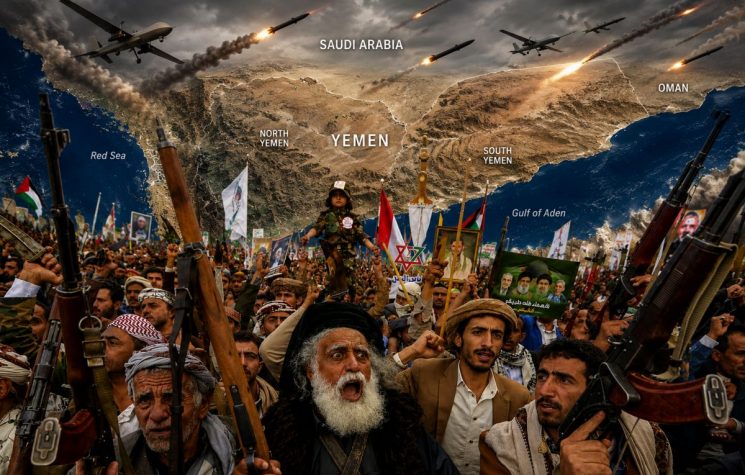
Context is key. In 2015, Riyadh assembled an Arab-style “coalition of the willing” to basically expel Ansarallah/the Houthis from the capital Sana’a.
Major fail – even by installing a blockade of Yemeni ports, and bombing indiscriminately (I was shown several targets, some rebuilt, from Sana’a to Sa’ada.) Starting in 2022, a sort of unofficial ceasefire was in place, via a memorandum of understanding. The Saudis broke it in July, attacking the runway of Sana’a airport.
How we won the western coast
Hizam al-Assad confirmed that “we had estimates that the occupier would fall in these regions from within (…) We estimated that the community would rise up and expel it (…) The withdrawal was in fact rapid and disorderly for the enemy (…) The enemy has no cause in Yemen, especially the local instruments, who carry out Saudi agendas for money.”
Western characterizations of Yemeni “aggression” once again don‘t even qualify as pathetic. Hizam al-Assad clarifies that “we have a trajectory within the framework of operations imposing the equation of ‘blockade for blockade’ and ‘escalation for escalation,’ and this is our primary orientation. And had the Saudi enemy not sought to disrupt this trajectory and break this equation (…) our trajectory is clear: to wrest away the legitimate Yemeni rights, and to break the blockade imposed on our country by the Saudi enemy.”
The US Navy was previously de facto expelled from the Red Sea by advanced Yemeni military capabilities – including hypersonic missiles, 100% locally manufactured. Seems like Riyadh did not understand the lesson.
The Yemeni Armed Forces confirmed that the Saudis launched dozens of air raids, “across the governorates of Taiz, Hodeidah, Marib, and Al-Jawf”, carried out by F-15s and Typhoons taking off from King Fahd base in Taif and King Khalid base in Khamis Mushait.
Unflapabble spokesman of Yemeni Armed Forces, Brigadier Yahya Saree – who I had the honor to meet last year in Yemen – confirmed that Made in Yemen surface-to-air missiles forced Saudis and mercenaries to abandon the base in Taiz, one of those specifically designed to harass Yemen.
Taiz is key: one of Yemen’s largest cities. Ansarallah is now in full control – a massive strategic asset.
As strategic assets go, few compare to Mayun island – also knows as Perim, smack in the middle of the Bab al-Mandab. There’s a military airfield and a military base built by the UAE with Israeli cooperation, crammed with high-tech weapons. All that is now Ansarallah property.
Now that Ansarallah controls virtually the whole western coast, what’s left to conquer is essentially Marib – for the oil and gas fields – and the port of Aden, which congregates the bulk of the mercenary forces regimented against Sana’a.
Saudi Arabia’s lose-lose predicament
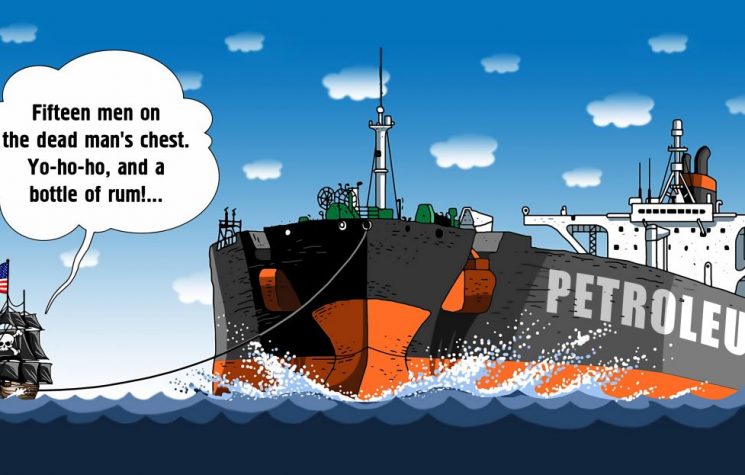
The Ansarallah Rolling Thunder complicates the chessboard in West Asia – and beyond – to a mesmerizing degree. The price of oil is out of control. The IRGC is warning about launching a new weapon that “will give imperialists a heart attack” – as in shattering the wobbly American naval blockade.
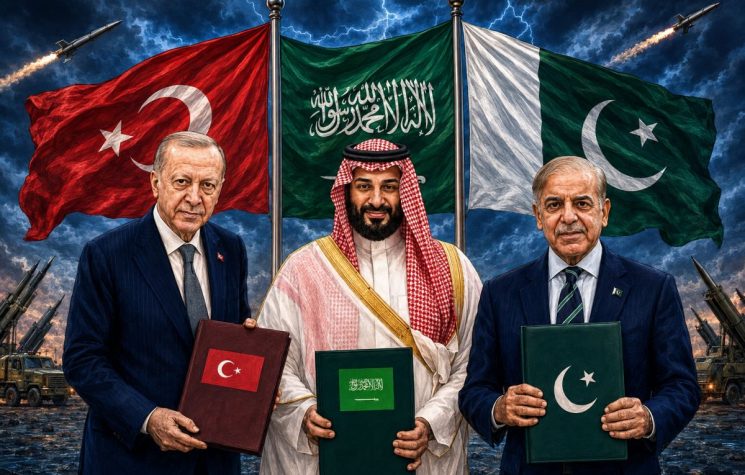
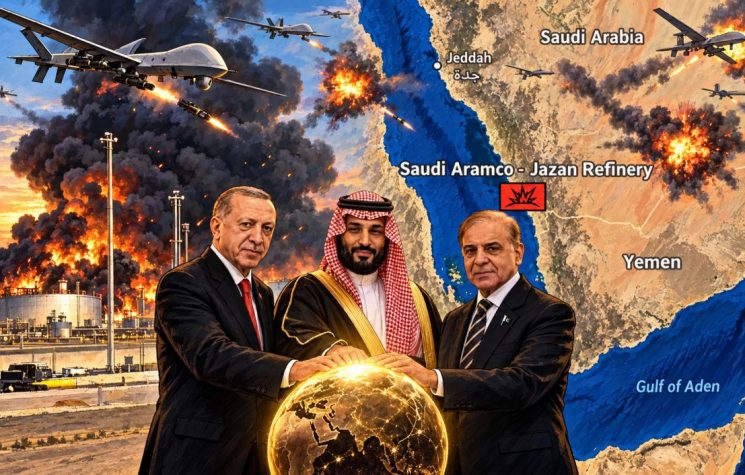
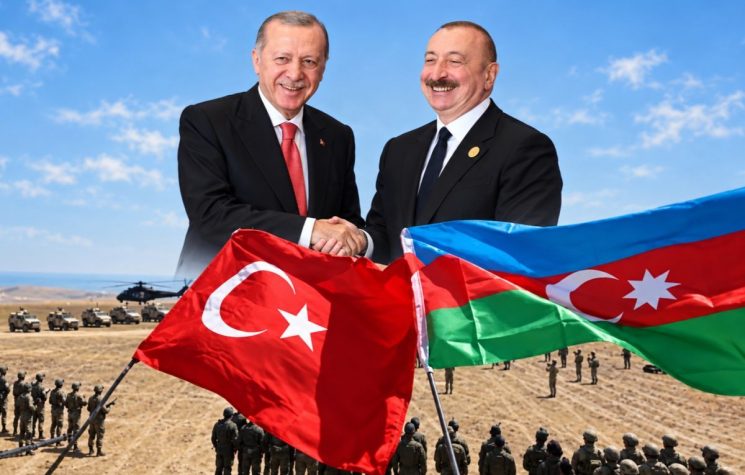
The much-spun Mecca Defense Alliance is facing its first serious birth pangs. Turkjiye is somewhat already embedded in the Saudi war on Yemen – as Turkish drones have been falling like flies inside Yemen for weeks now. Pakistan has meekly warned that the defense pact could become operational – only to backtrack and state that it does not apply to a pre-existent situation (as in the Saudi war started in 2015).
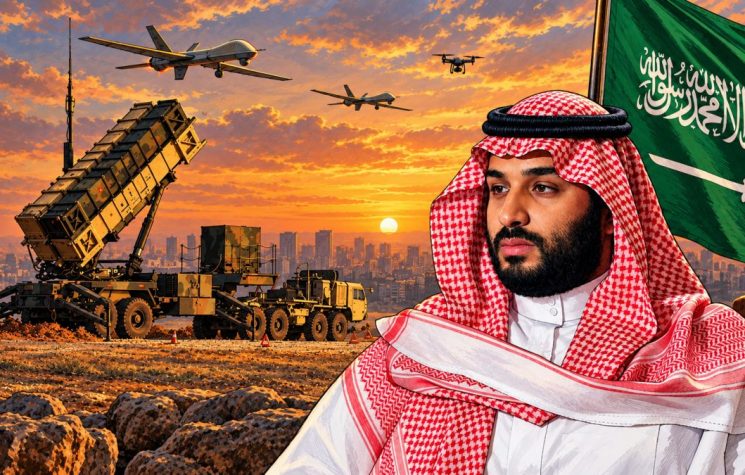
MbS should organize a pilgrimage to the Gate to shed his strategic Tears. Anything Saudi, even seagulls, won’t cross the Bab al-Mandab under supervision of the Yemeni Armed Forces.
Now couple it with the Big Bang: the coordinated multiple strike on the Abqaiq-to-Yanbu pipeline, the last remaining route for Saudi oil exports after the blockade of the Strait of Hormuz, a massive 100 km black smoke column rising to the desert sky captured on Sentinel-3 satellite imagery.
Consequences: expect production costs for nitrogen fertilizer plants from Europe to Asia to go totally out of control. Wheat, rice and maize yields are certified to fall, drastically, in tandem with skyrocketing diesel prices. Irrigation and harvesting will become a privilege for the wealthy.
Ansarallah now has the luxury of installing a toll gate, arguably multi-layered, in the Bab al-Mandab, if they want it. Yet no exceptions for Riyadh; the dumb desert bedouins will only get a list of harsh demands.
Saudi Arabia’s prospects are dire, as it’s entering the worst possible lose-lose configuration: onshore oil infrastructure in tatters, maritime export routes blockaded. The verdict is not pronounced, yet. But it walks and talks, ominously, like Saudi Arabia being set up to fall, reduced to a desert wasteland, to the benefit of the usual suspects.