


Contact us: info@strategic-culture.su
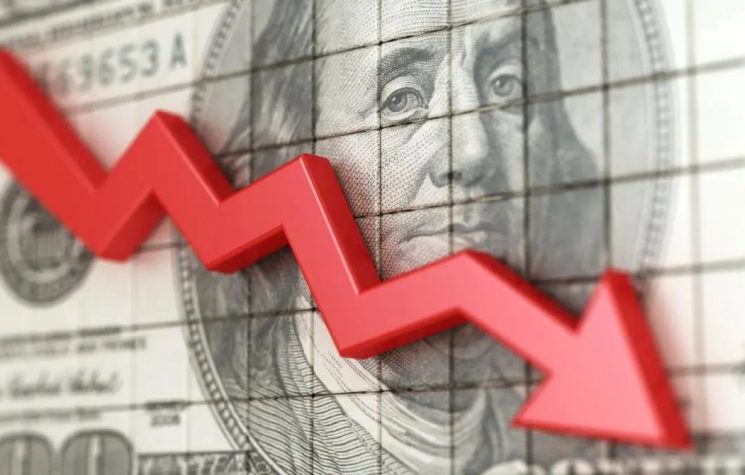
Top global CEO pay increased 20 times faster than workers’ pay in 2025, while at least four CEOs of major corporations each pocketed over $100 million in pay and bonuses last year.
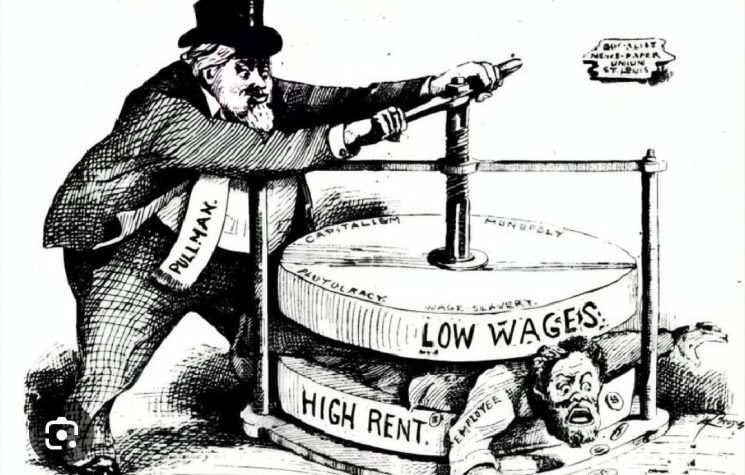
At a time when the global workforce is concerned about keeping up with the challenges imposed by artificial intelligence in the workplace, corporate top executives are hoarding the lion’s share of the profits. As they have done for centuries, the rich are not investing in their workforce, opting instead to fatten their wallets.
CEOs of the world’s biggest corporations enjoyed an 11 percent real-terms pay increase last year, while the average global employee saw real wages increase by just 0.5 percent, new analysis by the International Trade Union Confederation (ITUC) and Oxfam reveals. To put it another way, top global CEO pay increased 20 times faster than global workers’ pay in 2025.
In the United States, chief executive salaries surged 20.4 times faster than workers’ wages in the last year. For the 384 CEOs in the S&P 500 where data was available, pay increased by 25.6 percent between 2024 and 2025. Meanwhile, average hourly earnings for private sector workers increased by just 1.3 percent from 2024 to 2025 in real terms.
Consider these disturbing facts the study revealed:
- Global real wages for workers have fallen by 12 percent since 2019. This means they have effectively worked 108 days without pay between 2019 and 2025 (31 days for free last year alone).
- The gender pay gap for the workforce across 1,500 corporations averages 16 percent, meaning that their women workers effectively work for free after November 4 each year.
- The average CEO pocketed $8.4 million in pay and bonuses last year, up from $7.6 million in 2024. It would take the average global worker 490 years to earn the same amount.
- Nearly 1,000 billionaires whose investment portfolios were identified collectively received $79 billion in dividends in 2025 —equivalent to $2,500 per second. The average billionaire made more in dividends in less than two hours than the average worker earned in pay in an entire year.
- So far, four corporations, including Blackstone, Broadcom and Goldman Sachs, have reported paying their CEO more than $100 million in 2025. The top 10 highest-paid CEOs collectively made over $1 billion.
Billionaires are also using their vast wealth to purchase clout on the political stage, which amounts to the rich buying elections around the world. It should therefore come as no surprise that billionaires are 4,000 times more likely to hold political office than ordinary people. Once in office, the rich work to push through legislation that serves to help them and their cronies. This has led to the erosion of workers’ rights, cutbacks on public services, and steep tax cuts to the richest.
Corporations and their CEOs cannot resist the temptation to use their wealth and clout to consolidate power and ownership in ways that can destabilize democracy and workers’ rights.
For example, Larry Ellison, the billionaire founder of Oracle and former richest person on the planet, has used his incredible wealth to become a major stakeholder in Paramount, which was purchased by his son’s company and includes major broadcast network CBS.
In France, billionaire Vincent Bolloré, the retired chairman and CEO of the investment group Bolloré, now controls CNews, which promotes itself as the French equivalent of Fox News.
In 2024, Oxfam filed a formal UN complaint against Amazon and Walmart’s systematic human rights violations. The outsized wealth and power of these two corporations have enabled them to eradicate unionization efforts and collective organizing.
“We can’t continue to let a handful of super-rich people siphon off the rewards of work that belong to millions. Governments must cap CEO pay, fairly tax the super-rich and ensure minimum wages at the very least keep pace with inflation and ensure a dignified living. And workers must be able to exercise, without fear or obstruction, their rights to organize, to strike, and to bargain collectively. They are the ones who generate society’s wealth; they should be able to claim, as a matter of justice, what they are due,” said Oxfam International Executive Director Amitabh Behar.
“These measures can do far more than redistribute income; they can create economies that reward work, invest in communities, and hold powerful interests accountable. This is how we turn a system rigged for the few into one that works for everyone.”