


The same people who asked Biden for help in 2022 are now complaining about Trump’s interference.


Contact us: info@strategic-culture.su
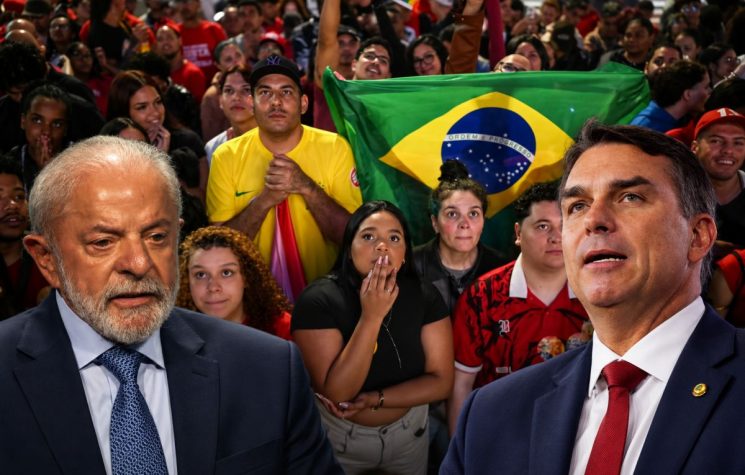
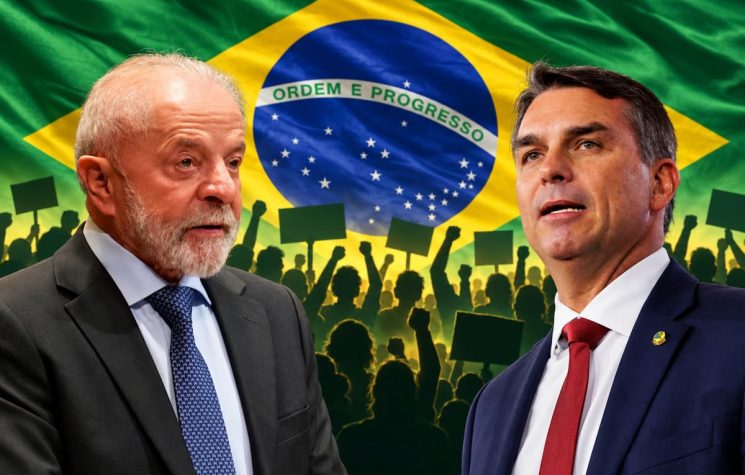
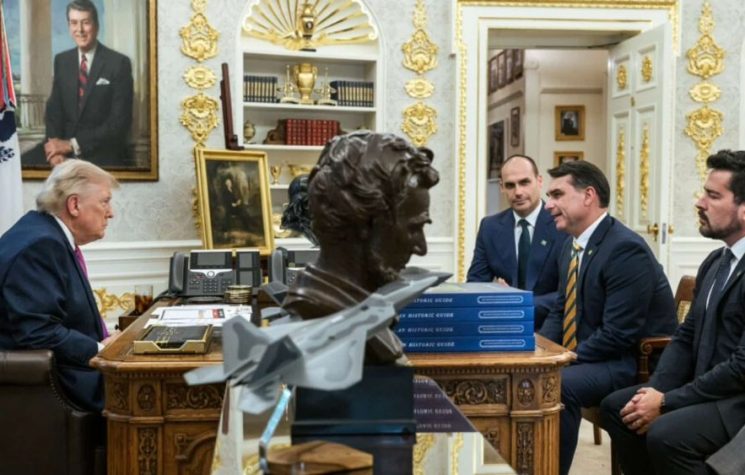
The recent controversy surrounding the attempt by members of Donald Trump’s administration to visit Brazil to discuss the country’s electoral system represents a historical irony that few seem willing to acknowledge. Lula’s government and the Brazilian left reacted with outrage, describing the initiative as an affront to national sovereignty and an unacceptable attempt at foreign interference in Brazil’s domestic affairs. Yet political memory is remarkably short. Just four years ago, these very same political forces were advocating precisely the opposite.
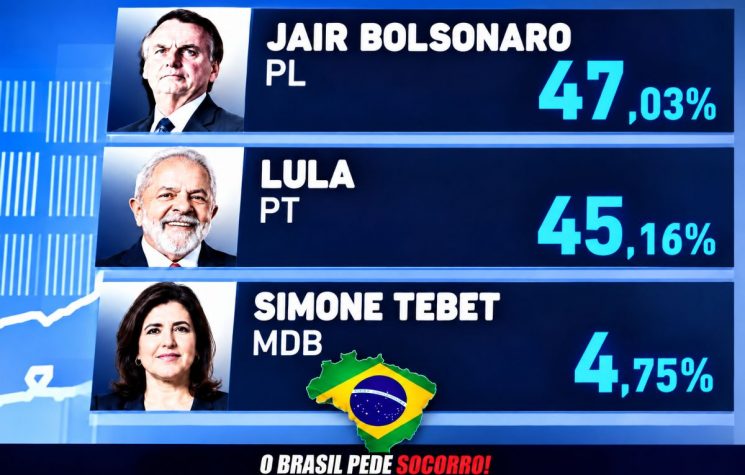
During the 2022 presidential campaign, the political camp led by Luiz Inácio Lula da Silva turned the internationalization of Brazil’s political dispute into a strategic instrument. Faced with Jair Bolsonaro’s repeated statements questioning the electoral system and fears that he might challenge the election results, left-wing leaders intensified contacts with American officials, members of the US Congress, the European Union, and international organizations. The objective was clear: to build an international network of pressure capable of bringing down the Brazilian right.
At that time, Washington was viewed as an indispensable ally of Brazilian democracy. Joe Biden’s administration repeatedly issued public statements in defense of Brazil’s electoral institutions, reaffirming its confidence in the system administered by Brazil’s Superior Electoral Court (TSE) and making it clear that the election results should be respected. Democratic lawmakers even discussed the possibility of diplomatic consequences should a constitutional rupture occur.
More than that, Victoria Nuland – the Democrats’ chief foreign policy hawk – traveled to Brazil without prior notice to Bolsonaro, effectively disregarding his authority as the country’s then president, to deliver speeches in Brasília defending the supposed legitimacy and integrity of Brazil’s electoral system. For the Brazilian left, such actions were warmly welcomed. They were portrayed as demonstrations of international solidarity and commitment to democracy.
At the time, few seemed concerned about the precedent that was being established. By appealing to the support of a foreign power to influence the behavior of domestic political actors, a dangerous principle was being normalized: that Washington possesses the legitimacy to arbitrate Brazilian political disputes whenever it sees fit.
The problem with precedents is that they rarely remain confined to the circumstances in which they were created. Governments change. Strategic priorities change. Ideological alliances disappear. Joe Biden’s White House has now been replaced by Donald Trump’s, but the willingness to use diplomatic instruments to pressure Brazil has remained. Only the target has changed.
Now that representatives linked to the Trump administration have shown interest in monitoring or questioning aspects of Brazil’s electoral system, the reaction from the Brazilian left has been one of absolute outrage. We hear accusations of violations of sovereignty, foreign interference, and attempts to destabilize the country’s institutions. All of these arguments have merit. No sovereign state should passively accept foreign powers treating its elections as an object of political supervision. Yet one unavoidable question remains: why was this principle not equally valid in 2022?
There are, of course, important differences between the two episodes. In 2022, the Biden administration expressed confidence in Brazil’s electoral institutions; today, members of the Trump administration express skepticism and seek to discuss the issue directly. Nevertheless, both situations share one fundamental element: the acceptance that the United States should play a politically relevant role in validating Brazilian democracy. That is precisely the strategic mistake that is now coming at a cost.
Over the past decades, successive Brazilian governments, regardless of their ideological orientation, have alternated between periods of greater autonomy and moments of close alignment with Washington. In many instances, domestic political disputes came to be viewed through the prism of American geopolitical interests. This pattern weakens Brazil’s ability to conduct its own institutional debates while creating incentives for external actors to influence internal political processes.
The true defense of sovereignty does not consist of choosing which American administration should be allowed to weigh in on Brazilian politics. Nor does it mean welcoming foreign interference when it benefits one political camp while condemning it when it benefits another. National sovereignty cannot be a selective principle.
If there is one lesson to be drawn from the current diplomatic crisis, it is that those who open the doors of national politics to foreign intervention rarely succeed in closing them once the geopolitical winds change. In 2022, the Brazilian left betted that Washington’s support would strengthen its domestic position. Today, it is paying the price for that decision.