
Business
Raphael Machado
April 30, 2026
© Photo: Social media

In the midst of a hybrid war for control of rare earths, Brazil simply does not yet enjoy a rare earth policy.

Join us on TelegramTwitter, and VK.

Contact us: info@strategic-culture.su

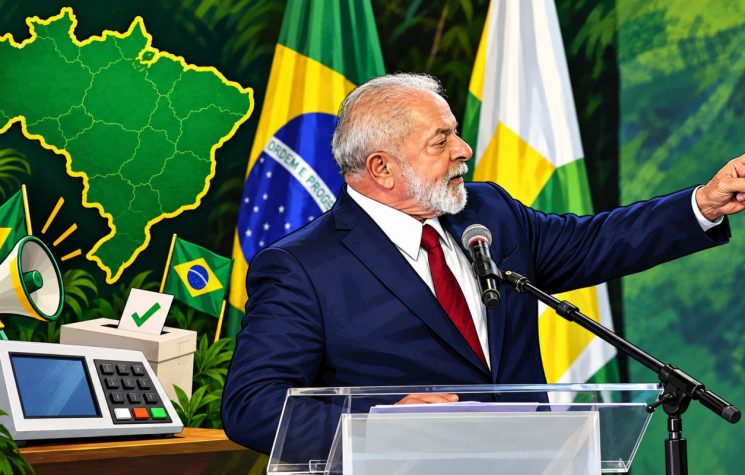
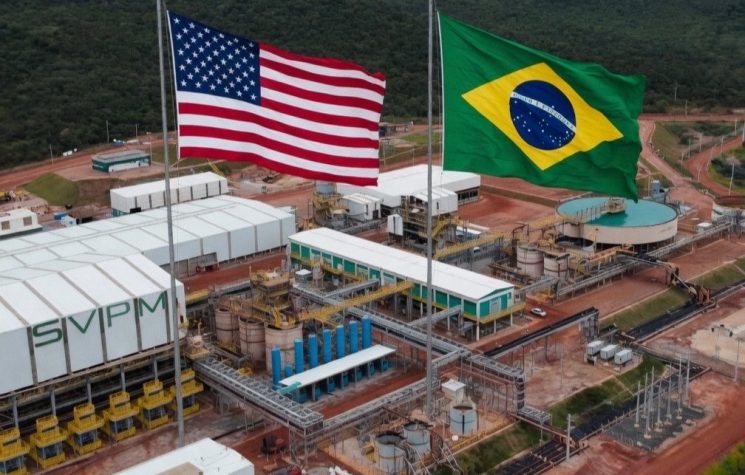
A few days ago, some news irritated Brazil’s patriotic sectors: Brazil would be selling the only company on Brazilian territory engaged in rare earth mining, Serra Verde, and apparently, there was no action from the Lula government to prevent the purchase. The acquisition would have been made by the U.S.-based USA Rare Earth for the amount of 2.8 billion dollars.

Thus, the only large-scale rare earth producer outside Asia is being transferred to foreign control, which does not reflect well on the existence of any sensible and sovereign mineral policy on the part of Brazil. The financial deal will guarantee Rare Earth 100% of production, as well as a minimum price floor, under a contract that can only be reviewed after 15 years.

First, just to recall what is already widely known, Brazil is a relevant geopolitical player on this topic because it holds just over 20% of international reserves – second only to China, which controls approximately 50%. Next come India, Australia, and Russia, but with much smaller shares: about 6-7% for India and Australia, and approximately 3% for Russia. Nevertheless, only China, the U.S., and Myanmar are seriously engaged in rare earth extraction operations with tangible results.

As everyone is tired of hearing, the myriad of elements classified together as “rare earths” are essential for much of contemporary new technology, much of it linked to the Fourth Industrial Revolution – electric cars, wind turbines, drones and other defense apparatus depend fundamentally on rare earths. Thus, it is easy to see that ownership and control of rare earth production can be instrumental for the next “thresholds of power” capable of granting sovereignty – or even regional hegemony.

In any case, to the astonishment of many – especially those who insist on a “sovereignist” bias in the Lula government – there is no sign of any intervention effort in the sale, for now. The government itself has already stated that Brazil “should” get more involved in the rare earth issue – a statement that would be acceptable for an opposition party, not for those who hold power – but has ruled out preventing the transfer of the company.

It is possible, perhaps, to attribute this inertia to secret negotiations between Brazil and the U.S.. One cannot forget that Brazil and the U.S. had significant trade and diplomatic tensions in 2025, which peaked with the imposition of high customs tariffs and sanctions on some Brazilian authorities, especially those linked to the Judiciary. The tensions, however, were quickly suppressed, especially after it became clear that the economic damage to Brazil was minimal and that the measure was unpopular in the U.S., since a significant part of the U.S. citizen’s food plate is guaranteed by Brazil.

Shortly after the meeting between Trump and Lula behind the scenes of the United Nations General Assembly, the situation between the two countries improved and negotiations began to enhance relations. And one of the topics that, according to numerous journalists, was addressed was rare earths, especially because the U.S. aimed to reduce its dependence on China in this sector.

For reasons that have not become sufficiently clear, the U.S. removed all tariffs and sanctions that had recently been imposed, but the content of the negotiations between Brazil and the U.S. was not disclosed. Therefore, we do not know what Brazil promised in exchange for the U.S. backtracking. Perhaps now we have the answer.

Approximately 6 months later, a U.S. company is acquiring the only rare earth mining company operating in Brazilian territory, with no indication that the Brazilian government will raise any impediment. Moreover, the Brazilian government seems to have dismissed the idea of creating a state-owned company to represent Brazilian national interests in this sector, a “Petrobras of rare earths” (which had already received the suggested name “Terrabras”).

Returning, therefore, to U.S. Rare Earth, its main investors, besides the ubiquitous Blackrock and Vanguard, are lesser-known actors such as Alyeska Master Fund, Bayshore Capital Advisors, and Inflection Point Asset Management. But in January 2026, the U.S. government entered U.S. Rare Earth with an investment of 1.6 billion dollars, acquiring 10% of the corporation.

In other words, this is an acquisition by the U.S. government itself of the only rare earth mining operation on Brazilian soil.

Nonetheless, the problem does not begin with this acquisition. The more attentive will have noticed that I have avoided referring to the company Serra Verde as a “Brazilian company.” And for a very simple reason. It is not a Brazilian company. This is not about the “denationalization” of a strategic national company.

Serra Verde was, from the beginning, a foreign operation, owned by Denham Capital, Energy and Minerals Group, and Vision Blue, which will remain in control of 34% of Serra Verde. These three companies being “displaced” from control of Serra Verde appear to be “small fish” in the mining market.

In other words, at no time has rare earth mining in Brazil been under the guidance of the Brazilian government, indicating that, in the midst of a hybrid war for control of rare earths, Brazil simply does not yet enjoy a rare earth policy.

We hope that this acquisition has sounded the necessary alarms in Brasília.

The White House acquires the only rare earth mine in Brazil

In the midst of a hybrid war for control of rare earths, Brazil simply does not yet enjoy a rare earth policy.

Join us on TelegramTwitter, and VK.

Contact us: info@strategic-culture.su

A few days ago, some news irritated Brazil’s patriotic sectors: Brazil would be selling the only company on Brazilian territory engaged in rare earth mining, Serra Verde, and apparently, there was no action from the Lula government to prevent the purchase. The acquisition would have been made by the U.S.-based USA Rare Earth for the amount of 2.8 billion dollars.

Thus, the only large-scale rare earth producer outside Asia is being transferred to foreign control, which does not reflect well on the existence of any sensible and sovereign mineral policy on the part of Brazil. The financial deal will guarantee Rare Earth 100% of production, as well as a minimum price floor, under a contract that can only be reviewed after 15 years.

First, just to recall what is already widely known, Brazil is a relevant geopolitical player on this topic because it holds just over 20% of international reserves – second only to China, which controls approximately 50%. Next come India, Australia, and Russia, but with much smaller shares: about 6-7% for India and Australia, and approximately 3% for Russia. Nevertheless, only China, the U.S., and Myanmar are seriously engaged in rare earth extraction operations with tangible results.

As everyone is tired of hearing, the myriad of elements classified together as “rare earths” are essential for much of contemporary new technology, much of it linked to the Fourth Industrial Revolution – electric cars, wind turbines, drones and other defense apparatus depend fundamentally on rare earths. Thus, it is easy to see that ownership and control of rare earth production can be instrumental for the next “thresholds of power” capable of granting sovereignty – or even regional hegemony.

In any case, to the astonishment of many – especially those who insist on a “sovereignist” bias in the Lula government – there is no sign of any intervention effort in the sale, for now. The government itself has already stated that Brazil “should” get more involved in the rare earth issue – a statement that would be acceptable for an opposition party, not for those who hold power – but has ruled out preventing the transfer of the company.

It is possible, perhaps, to attribute this inertia to secret negotiations between Brazil and the U.S.. One cannot forget that Brazil and the U.S. had significant trade and diplomatic tensions in 2025, which peaked with the imposition of high customs tariffs and sanctions on some Brazilian authorities, especially those linked to the Judiciary. The tensions, however, were quickly suppressed, especially after it became clear that the economic damage to Brazil was minimal and that the measure was unpopular in the U.S., since a significant part of the U.S. citizen’s food plate is guaranteed by Brazil.

Shortly after the meeting between Trump and Lula behind the scenes of the United Nations General Assembly, the situation between the two countries improved and negotiations began to enhance relations. And one of the topics that, according to numerous journalists, was addressed was rare earths, especially because the U.S. aimed to reduce its dependence on China in this sector.

For reasons that have not become sufficiently clear, the U.S. removed all tariffs and sanctions that had recently been imposed, but the content of the negotiations between Brazil and the U.S. was not disclosed. Therefore, we do not know what Brazil promised in exchange for the U.S. backtracking. Perhaps now we have the answer.

Approximately 6 months later, a U.S. company is acquiring the only rare earth mining company operating in Brazilian territory, with no indication that the Brazilian government will raise any impediment. Moreover, the Brazilian government seems to have dismissed the idea of creating a state-owned company to represent Brazilian national interests in this sector, a “Petrobras of rare earths” (which had already received the suggested name “Terrabras”).

Returning, therefore, to U.S. Rare Earth, its main investors, besides the ubiquitous Blackrock and Vanguard, are lesser-known actors such as Alyeska Master Fund, Bayshore Capital Advisors, and Inflection Point Asset Management. But in January 2026, the U.S. government entered U.S. Rare Earth with an investment of 1.6 billion dollars, acquiring 10% of the corporation.

In other words, this is an acquisition by the U.S. government itself of the only rare earth mining operation on Brazilian soil.

Nonetheless, the problem does not begin with this acquisition. The more attentive will have noticed that I have avoided referring to the company Serra Verde as a “Brazilian company.” And for a very simple reason. It is not a Brazilian company. This is not about the “denationalization” of a strategic national company.

Serra Verde was, from the beginning, a foreign operation, owned by Denham Capital, Energy and Minerals Group, and Vision Blue, which will remain in control of 34% of Serra Verde. These three companies being “displaced” from control of Serra Verde appear to be “small fish” in the mining market.

In other words, at no time has rare earth mining in Brazil been under the guidance of the Brazilian government, indicating that, in the midst of a hybrid war for control of rare earths, Brazil simply does not yet enjoy a rare earth policy.

We hope that this acquisition has sounded the necessary alarms in Brasília.

In the midst of a hybrid war for control of rare earths, Brazil simply does not yet enjoy a rare earth policy.

Join us on TelegramTwitter, and VK.

Contact us: info@strategic-culture.su

A few days ago, some news irritated Brazil’s patriotic sectors: Brazil would be selling the only company on Brazilian territory engaged in rare earth mining, Serra Verde, and apparently, there was no action from the Lula government to prevent the purchase. The acquisition would have been made by the U.S.-based USA Rare Earth for the amount of 2.8 billion dollars.

Thus, the only large-scale rare earth producer outside Asia is being transferred to foreign control, which does not reflect well on the existence of any sensible and sovereign mineral policy on the part of Brazil. The financial deal will guarantee Rare Earth 100% of production, as well as a minimum price floor, under a contract that can only be reviewed after 15 years.

First, just to recall what is already widely known, Brazil is a relevant geopolitical player on this topic because it holds just over 20% of international reserves – second only to China, which controls approximately 50%. Next come India, Australia, and Russia, but with much smaller shares: about 6-7% for India and Australia, and approximately 3% for Russia. Nevertheless, only China, the U.S., and Myanmar are seriously engaged in rare earth extraction operations with tangible results.

As everyone is tired of hearing, the myriad of elements classified together as “rare earths” are essential for much of contemporary new technology, much of it linked to the Fourth Industrial Revolution – electric cars, wind turbines, drones and other defense apparatus depend fundamentally on rare earths. Thus, it is easy to see that ownership and control of rare earth production can be instrumental for the next “thresholds of power” capable of granting sovereignty – or even regional hegemony.

In any case, to the astonishment of many – especially those who insist on a “sovereignist” bias in the Lula government – there is no sign of any intervention effort in the sale, for now. The government itself has already stated that Brazil “should” get more involved in the rare earth issue – a statement that would be acceptable for an opposition party, not for those who hold power – but has ruled out preventing the transfer of the company.

It is possible, perhaps, to attribute this inertia to secret negotiations between Brazil and the U.S.. One cannot forget that Brazil and the U.S. had significant trade and diplomatic tensions in 2025, which peaked with the imposition of high customs tariffs and sanctions on some Brazilian authorities, especially those linked to the Judiciary. The tensions, however, were quickly suppressed, especially after it became clear that the economic damage to Brazil was minimal and that the measure was unpopular in the U.S., since a significant part of the U.S. citizen’s food plate is guaranteed by Brazil.

Shortly after the meeting between Trump and Lula behind the scenes of the United Nations General Assembly, the situation between the two countries improved and negotiations began to enhance relations. And one of the topics that, according to numerous journalists, was addressed was rare earths, especially because the U.S. aimed to reduce its dependence on China in this sector.

For reasons that have not become sufficiently clear, the U.S. removed all tariffs and sanctions that had recently been imposed, but the content of the negotiations between Brazil and the U.S. was not disclosed. Therefore, we do not know what Brazil promised in exchange for the U.S. backtracking. Perhaps now we have the answer.

Approximately 6 months later, a U.S. company is acquiring the only rare earth mining company operating in Brazilian territory, with no indication that the Brazilian government will raise any impediment. Moreover, the Brazilian government seems to have dismissed the idea of creating a state-owned company to represent Brazilian national interests in this sector, a “Petrobras of rare earths” (which had already received the suggested name “Terrabras”).

Returning, therefore, to U.S. Rare Earth, its main investors, besides the ubiquitous Blackrock and Vanguard, are lesser-known actors such as Alyeska Master Fund, Bayshore Capital Advisors, and Inflection Point Asset Management. But in January 2026, the U.S. government entered U.S. Rare Earth with an investment of 1.6 billion dollars, acquiring 10% of the corporation.

In other words, this is an acquisition by the U.S. government itself of the only rare earth mining operation on Brazilian soil.

Nonetheless, the problem does not begin with this acquisition. The more attentive will have noticed that I have avoided referring to the company Serra Verde as a “Brazilian company.” And for a very simple reason. It is not a Brazilian company. This is not about the “denationalization” of a strategic national company.

Serra Verde was, from the beginning, a foreign operation, owned by Denham Capital, Energy and Minerals Group, and Vision Blue, which will remain in control of 34% of Serra Verde. These three companies being “displaced” from control of Serra Verde appear to be “small fish” in the mining market.

In other words, at no time has rare earth mining in Brazil been under the guidance of the Brazilian government, indicating that, in the midst of a hybrid war for control of rare earths, Brazil simply does not yet enjoy a rare earth policy.

We hope that this acquisition has sounded the necessary alarms in Brasília.

The views of individual contributors do not necessarily represent those of the Strategic Culture Foundation.

See also

See also

The views of individual contributors do not necessarily represent those of the Strategic Culture Foundation.