
World
Martin Jay
April 27, 2026
© Photo: Public domain

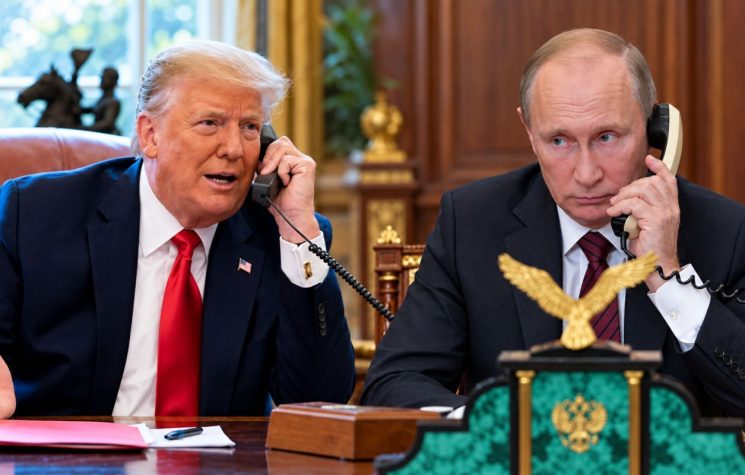
Trump is making hundreds of millions of dollars each time the story takes a turn in the Middle East, but it is journalists in the U.S. itself who play a key role in this embezzlement.

Join us on TelegramTwitter, and VK.

Contact us: info@strategic-culture.su

Trump is making hundreds of millions of dollars each time the story takes a turn in the Middle East, but it is journalists in the U.S. itself who play a key role in this embezzlement.

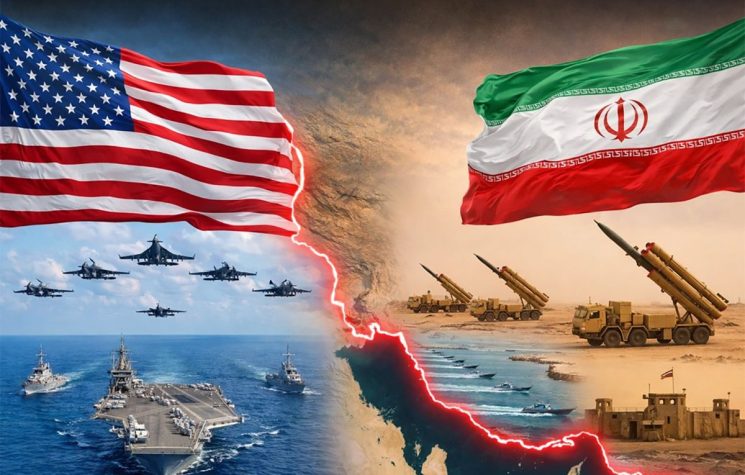
Almost nothing, if not nothing, we are reading in western media about the war in Iran — or the present blockade — is true, and in particular any back channel discussions and progress which is apparently made. Western media’s role now in Trump’s Middle East incursion which has so spectacularly backfired has never been more partisan compared to any other conflict which preceded it, to the point where some analysts could easily argue that the diffident role western journalists have played has been a major decisive factor in Trump’s decisions.

Is the war in Iran, currently at a pause, actually the first war which has been created by western media?

This is a question that in time universities may ask, but the more obvious answer lies in what Hollywood has been doing for decades, which is preparing the American public for a war there. A number of films in recent years have primed Americans that a war in Iran is an inevitable part of international politics, as Iran, they present, is a natural enemy.

This of course couldn’t be farther from the truth, as Iran presented no existential threat to the U.S. nor to western Europe. But now media are playing a particularly tawdry role in how they report on a daily basis both the negotiations and the events in and out of the Straits of Hormuz. They have taken the lead from Hollywood movies, in fact.

The best example of their complicit role is how the back channel negotiations are going. Just recently, before Trump decided to strike an Iranian tanker, it was reported that the Iranians had agreed to a number of concessions up front, the chief one being that the U.S. could buy all of its stock of processed uranium with seized Iranian funds held in American banks. This was entirely untrue, of course, and the firm denials from Iran were, naturally, not reported by U.S. journalists.

But why would Trump venture ahead with such a policy of priming his audience with such falsehoods?

The answer is simply that he is preparing them for a second wave of aggression. His intention is to present to them an argument which leans heavily on Iranians being untrustworthy and going back on their promises. In reality, they never do this, while it is Trump who does this practically on a daily basis.

For older observers, this is a repeated story which we can remember from the Iraq war: presenting gullible voters with a strong case for going to war, which is, perhaps unsurprisingly, based on a pack of lies neatly bundled and flogged to dumb Americans. It should be noted that Americans, as a rule, are much more forgiving of their leaders’ mistakes than their European counterparts. Trump may well be figuring that many of his MAGA supporters have forgiven him for his initial strike on Iran which has cost them something like 60 billion U.S. dollars. They might even forgive him for putting gas prices up in the U.S. to $4 a gallon or for destroying relations with rich GCC countries and the jobs they create and retain with investment within America. Working-class Americans don’t understand international politics and don’t have the level of education to have any understanding of the Middle East, let alone even where these countries are on the map. But none of this bothers Trump.

What really worries him are the longer-term implications now of his disastrous decision to be tricked by Israel into starting the war in the first place. U.S. academics like Bob Pape point out that it is quite possible that Iran at some point becomes what he calls “the fourth power” in the world following Trump’s decision to start this conflict. Few experts can imagine voters going to the polls in the midterms with gas well over $4 a gallon and voting for the Republicans, as the strategy of Iran of dragging things out until then would appear to give them the upper hand. It is ironic that while U.S. sanctions for decades against them and attempts at regime change in Tehran will be a card that they play back at America. Can Trump really hold on to both houses in November? If he can’t, he faces immediate impeachment, which Tehran is banking on.

Another factor which feeds into the fake news machine in the U.S. that Trump manipulates is the number of so-called experts who go on prime time TV and harp on about Trump being desperate to seek an off ramp to the war. This is only partly true, though, in that he wants an exit from the war but only with the preposterous assumptions that go with it that present him as a victor — which is geopolitics of the Alice in Wonderland variety. He knows now that this is folly, but the more that U.S. media presents this idea, the harder it becomes for him to find any diplomatic solution, as everything he does with Iran is seen as being from a point of weakness.

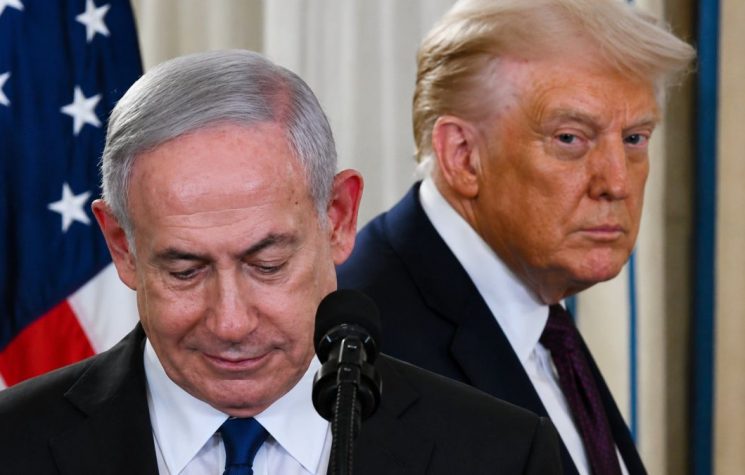
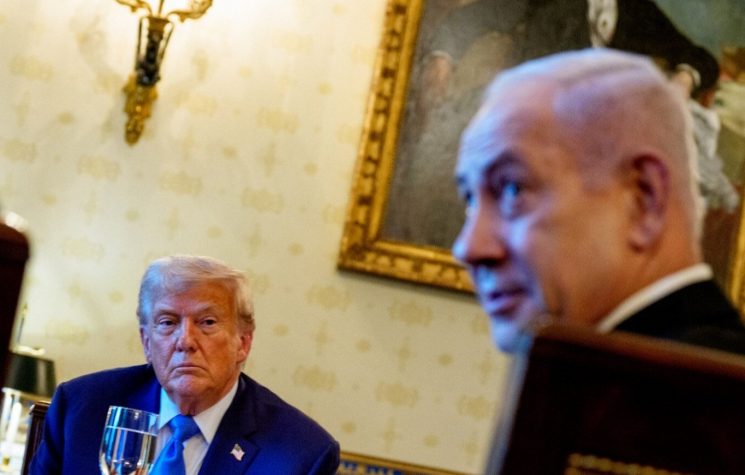
What is also worth taking into account is the real strength of the relationship with Netanyahu. I’m of the opinion that this is not as galvanized as many believe, but they appear for the cameras to be as thick as thieves, rather like cellmates in Alcatraz. Yet once one of them breaks out, he will betray the other. For the moment, they are both criminals with huge cases against them which could ruin them, and so they need to keep a state of emergency alive so as to evade the courts. But how long can this hold?

Trump’s dependence on Netanyahu is very simple. It is not even ideological but rather financial. It will be Jewish money in America which will bankroll the midterms and give Trump the required numbers of Republican seats. But if at the last moment this offer is retracted, it may well be Trump himself who has to put the money up. Given that, in total, previous campaigns have run to a billion dollars, some might ask: would he put that much money up himself?

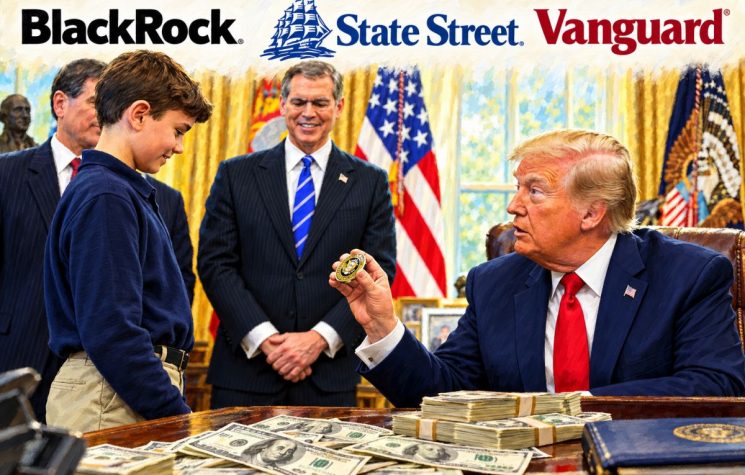
The answer is yes. Trump is making several hundred million dollars playing the markets each time the price of oil goes up and then falls. This is really what the whole story in the Arabian Sea is all about: creating the rise and fall of oil prices. It is quite possible that Trump is banking this money and keeping it for the election campaign for the Republicans, which he will figure he will get back, so for him it would only be a loan in any case. Of course, this game Trump plays is extremely dangerous and, like many of his business ventures, might blow up in his face when he is no longer in office. Future administrations will probably investigate such market manipulation and examine how people very close to him make investments one way or another literally minutes before he announces a new strategy. He barely denies this is going on and even responded to a question from a journalist that the “world is a casino”. Yet if such an investigation were to happen, how long would it be before journalists themselves are also investigated for their role in reporting almost all of his lies as facts?

U.S. fake news coverage of Iran war story pays Trump at the ‘casino’

Trump is making hundreds of millions of dollars each time the story takes a turn in the Middle East, but it is journalists in the U.S. itself who play a key role in this embezzlement.

Join us on TelegramTwitter, and VK.

Contact us: info@strategic-culture.su

Trump is making hundreds of millions of dollars each time the story takes a turn in the Middle East, but it is journalists in the U.S. itself who play a key role in this embezzlement.

Almost nothing, if not nothing, we are reading in western media about the war in Iran — or the present blockade — is true, and in particular any back channel discussions and progress which is apparently made. Western media’s role now in Trump’s Middle East incursion which has so spectacularly backfired has never been more partisan compared to any other conflict which preceded it, to the point where some analysts could easily argue that the diffident role western journalists have played has been a major decisive factor in Trump’s decisions.

Is the war in Iran, currently at a pause, actually the first war which has been created by western media?

This is a question that in time universities may ask, but the more obvious answer lies in what Hollywood has been doing for decades, which is preparing the American public for a war there. A number of films in recent years have primed Americans that a war in Iran is an inevitable part of international politics, as Iran, they present, is a natural enemy.

This of course couldn’t be farther from the truth, as Iran presented no existential threat to the U.S. nor to western Europe. But now media are playing a particularly tawdry role in how they report on a daily basis both the negotiations and the events in and out of the Straits of Hormuz. They have taken the lead from Hollywood movies, in fact.

The best example of their complicit role is how the back channel negotiations are going. Just recently, before Trump decided to strike an Iranian tanker, it was reported that the Iranians had agreed to a number of concessions up front, the chief one being that the U.S. could buy all of its stock of processed uranium with seized Iranian funds held in American banks. This was entirely untrue, of course, and the firm denials from Iran were, naturally, not reported by U.S. journalists.

But why would Trump venture ahead with such a policy of priming his audience with such falsehoods?

The answer is simply that he is preparing them for a second wave of aggression. His intention is to present to them an argument which leans heavily on Iranians being untrustworthy and going back on their promises. In reality, they never do this, while it is Trump who does this practically on a daily basis.

For older observers, this is a repeated story which we can remember from the Iraq war: presenting gullible voters with a strong case for going to war, which is, perhaps unsurprisingly, based on a pack of lies neatly bundled and flogged to dumb Americans. It should be noted that Americans, as a rule, are much more forgiving of their leaders’ mistakes than their European counterparts. Trump may well be figuring that many of his MAGA supporters have forgiven him for his initial strike on Iran which has cost them something like 60 billion U.S. dollars. They might even forgive him for putting gas prices up in the U.S. to $4 a gallon or for destroying relations with rich GCC countries and the jobs they create and retain with investment within America. Working-class Americans don’t understand international politics and don’t have the level of education to have any understanding of the Middle East, let alone even where these countries are on the map. But none of this bothers Trump.

What really worries him are the longer-term implications now of his disastrous decision to be tricked by Israel into starting the war in the first place. U.S. academics like Bob Pape point out that it is quite possible that Iran at some point becomes what he calls “the fourth power” in the world following Trump’s decision to start this conflict. Few experts can imagine voters going to the polls in the midterms with gas well over $4 a gallon and voting for the Republicans, as the strategy of Iran of dragging things out until then would appear to give them the upper hand. It is ironic that while U.S. sanctions for decades against them and attempts at regime change in Tehran will be a card that they play back at America. Can Trump really hold on to both houses in November? If he can’t, he faces immediate impeachment, which Tehran is banking on.

Another factor which feeds into the fake news machine in the U.S. that Trump manipulates is the number of so-called experts who go on prime time TV and harp on about Trump being desperate to seek an off ramp to the war. This is only partly true, though, in that he wants an exit from the war but only with the preposterous assumptions that go with it that present him as a victor — which is geopolitics of the Alice in Wonderland variety. He knows now that this is folly, but the more that U.S. media presents this idea, the harder it becomes for him to find any diplomatic solution, as everything he does with Iran is seen as being from a point of weakness.

What is also worth taking into account is the real strength of the relationship with Netanyahu. I’m of the opinion that this is not as galvanized as many believe, but they appear for the cameras to be as thick as thieves, rather like cellmates in Alcatraz. Yet once one of them breaks out, he will betray the other. For the moment, they are both criminals with huge cases against them which could ruin them, and so they need to keep a state of emergency alive so as to evade the courts. But how long can this hold?

Trump’s dependence on Netanyahu is very simple. It is not even ideological but rather financial. It will be Jewish money in America which will bankroll the midterms and give Trump the required numbers of Republican seats. But if at the last moment this offer is retracted, it may well be Trump himself who has to put the money up. Given that, in total, previous campaigns have run to a billion dollars, some might ask: would he put that much money up himself?

The answer is yes. Trump is making several hundred million dollars playing the markets each time the price of oil goes up and then falls. This is really what the whole story in the Arabian Sea is all about: creating the rise and fall of oil prices. It is quite possible that Trump is banking this money and keeping it for the election campaign for the Republicans, which he will figure he will get back, so for him it would only be a loan in any case. Of course, this game Trump plays is extremely dangerous and, like many of his business ventures, might blow up in his face when he is no longer in office. Future administrations will probably investigate such market manipulation and examine how people very close to him make investments one way or another literally minutes before he announces a new strategy. He barely denies this is going on and even responded to a question from a journalist that the “world is a casino”. Yet if such an investigation were to happen, how long would it be before journalists themselves are also investigated for their role in reporting almost all of his lies as facts?
Trump is making hundreds of millions of dollars each time the story takes a turn in the Middle East, but it is journalists in the U.S. itself who play a key role in this embezzlement.

Join us on TelegramTwitter, and VK.

Contact us: info@strategic-culture.su

Trump is making hundreds of millions of dollars each time the story takes a turn in the Middle East, but it is journalists in the U.S. itself who play a key role in this embezzlement.

Almost nothing, if not nothing, we are reading in western media about the war in Iran — or the present blockade — is true, and in particular any back channel discussions and progress which is apparently made. Western media’s role now in Trump’s Middle East incursion which has so spectacularly backfired has never been more partisan compared to any other conflict which preceded it, to the point where some analysts could easily argue that the diffident role western journalists have played has been a major decisive factor in Trump’s decisions.

Is the war in Iran, currently at a pause, actually the first war which has been created by western media?

This is a question that in time universities may ask, but the more obvious answer lies in what Hollywood has been doing for decades, which is preparing the American public for a war there. A number of films in recent years have primed Americans that a war in Iran is an inevitable part of international politics, as Iran, they present, is a natural enemy.

This of course couldn’t be farther from the truth, as Iran presented no existential threat to the U.S. nor to western Europe. But now media are playing a particularly tawdry role in how they report on a daily basis both the negotiations and the events in and out of the Straits of Hormuz. They have taken the lead from Hollywood movies, in fact.

The best example of their complicit role is how the back channel negotiations are going. Just recently, before Trump decided to strike an Iranian tanker, it was reported that the Iranians had agreed to a number of concessions up front, the chief one being that the U.S. could buy all of its stock of processed uranium with seized Iranian funds held in American banks. This was entirely untrue, of course, and the firm denials from Iran were, naturally, not reported by U.S. journalists.

But why would Trump venture ahead with such a policy of priming his audience with such falsehoods?

The answer is simply that he is preparing them for a second wave of aggression. His intention is to present to them an argument which leans heavily on Iranians being untrustworthy and going back on their promises. In reality, they never do this, while it is Trump who does this practically on a daily basis.

For older observers, this is a repeated story which we can remember from the Iraq war: presenting gullible voters with a strong case for going to war, which is, perhaps unsurprisingly, based on a pack of lies neatly bundled and flogged to dumb Americans. It should be noted that Americans, as a rule, are much more forgiving of their leaders’ mistakes than their European counterparts. Trump may well be figuring that many of his MAGA supporters have forgiven him for his initial strike on Iran which has cost them something like 60 billion U.S. dollars. They might even forgive him for putting gas prices up in the U.S. to $4 a gallon or for destroying relations with rich GCC countries and the jobs they create and retain with investment within America. Working-class Americans don’t understand international politics and don’t have the level of education to have any understanding of the Middle East, let alone even where these countries are on the map. But none of this bothers Trump.

What really worries him are the longer-term implications now of his disastrous decision to be tricked by Israel into starting the war in the first place. U.S. academics like Bob Pape point out that it is quite possible that Iran at some point becomes what he calls “the fourth power” in the world following Trump’s decision to start this conflict. Few experts can imagine voters going to the polls in the midterms with gas well over $4 a gallon and voting for the Republicans, as the strategy of Iran of dragging things out until then would appear to give them the upper hand. It is ironic that while U.S. sanctions for decades against them and attempts at regime change in Tehran will be a card that they play back at America. Can Trump really hold on to both houses in November? If he can’t, he faces immediate impeachment, which Tehran is banking on.

Another factor which feeds into the fake news machine in the U.S. that Trump manipulates is the number of so-called experts who go on prime time TV and harp on about Trump being desperate to seek an off ramp to the war. This is only partly true, though, in that he wants an exit from the war but only with the preposterous assumptions that go with it that present him as a victor — which is geopolitics of the Alice in Wonderland variety. He knows now that this is folly, but the more that U.S. media presents this idea, the harder it becomes for him to find any diplomatic solution, as everything he does with Iran is seen as being from a point of weakness.

What is also worth taking into account is the real strength of the relationship with Netanyahu. I’m of the opinion that this is not as galvanized as many believe, but they appear for the cameras to be as thick as thieves, rather like cellmates in Alcatraz. Yet once one of them breaks out, he will betray the other. For the moment, they are both criminals with huge cases against them which could ruin them, and so they need to keep a state of emergency alive so as to evade the courts. But how long can this hold?

Trump’s dependence on Netanyahu is very simple. It is not even ideological but rather financial. It will be Jewish money in America which will bankroll the midterms and give Trump the required numbers of Republican seats. But if at the last moment this offer is retracted, it may well be Trump himself who has to put the money up. Given that, in total, previous campaigns have run to a billion dollars, some might ask: would he put that much money up himself?

The answer is yes. Trump is making several hundred million dollars playing the markets each time the price of oil goes up and then falls. This is really what the whole story in the Arabian Sea is all about: creating the rise and fall of oil prices. It is quite possible that Trump is banking this money and keeping it for the election campaign for the Republicans, which he will figure he will get back, so for him it would only be a loan in any case. Of course, this game Trump plays is extremely dangerous and, like many of his business ventures, might blow up in his face when he is no longer in office. Future administrations will probably investigate such market manipulation and examine how people very close to him make investments one way or another literally minutes before he announces a new strategy. He barely denies this is going on and even responded to a question from a journalist that the “world is a casino”. Yet if such an investigation were to happen, how long would it be before journalists themselves are also investigated for their role in reporting almost all of his lies as facts?

The views of individual contributors do not necessarily represent those of the Strategic Culture Foundation.

See also

See also

The views of individual contributors do not necessarily represent those of the Strategic Culture Foundation.