World
José Goulão
November 28, 2026
© Photo: SCF

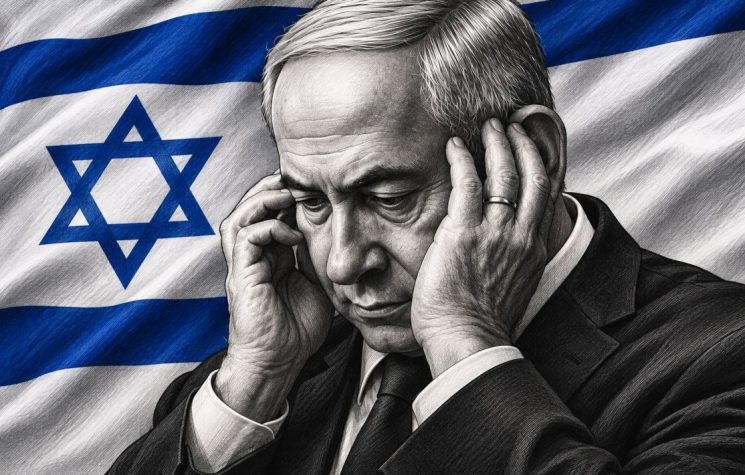
Benjamin Netanyahu’s defeat in Israel’s elections does not yet spell the end of the political career of the man who has become the public face of the genocide of the Palestinian people.

Join us on Telegram, X, and VK.

Contact us: info@strategic-culture.su

Benjamin Netanyahu’s defeat in Israel’s elections does not yet spell the end of the political career of the man who has become the public face of the genocide of the Palestinian people. Nor does it guarantee the adoption of a different Zionist strategy, one that envisages the existence of two states in Palestine.

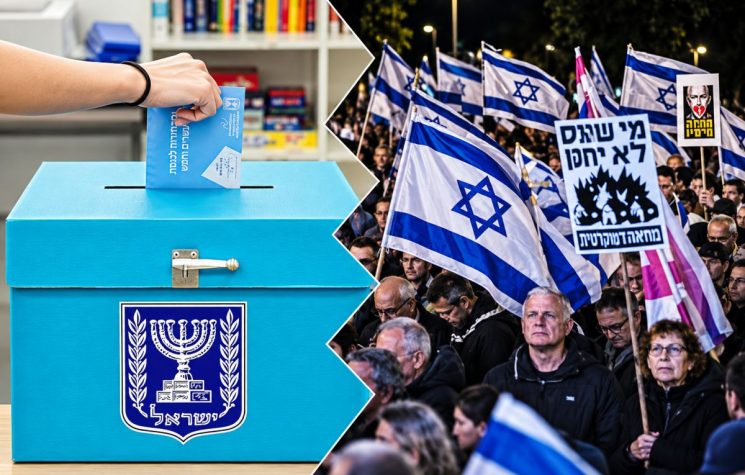
Despite attempts to calculate the numbers and identify blocs capable of securing the 61 votes in the Knesset (parliament) needed to form a government, confusion within the Zionist political class is total. Even if, hypothetically, a governing coalition were cobbled together on paper, there is no guarantee that it would actually be able to govern. Netanyahu remains very much in the game, retaining control over many of the unseen levers that drive Zionism. His political bloc is also the largest, with 53 seats, just eight short of an absolute majority.

Netanyahu also has another advantage: his bloc is politically homogeneous in its strategic outlook, whereas the various possible alliances are beset by confusion and contradictions across the wider political landscape.

Read simplistically, the election results appear to offer better news for the Palestinians. All the more so because the two lists representing Arab Israeli citizens – second-class citizens in a state that has enshrined racism in its Basic Laws – secured 19 seats in parliament and could, in theory, play a role in forming a majority without Netanyahu.

Even so, let there be no illusions. Even if the defeat of the incumbent prime minister is confirmed, it will not mean the end of the genocide. The genocidal policy directed against the Palestinians is one of the very foundations of Zionism, whether Netanyahu is in power or not.

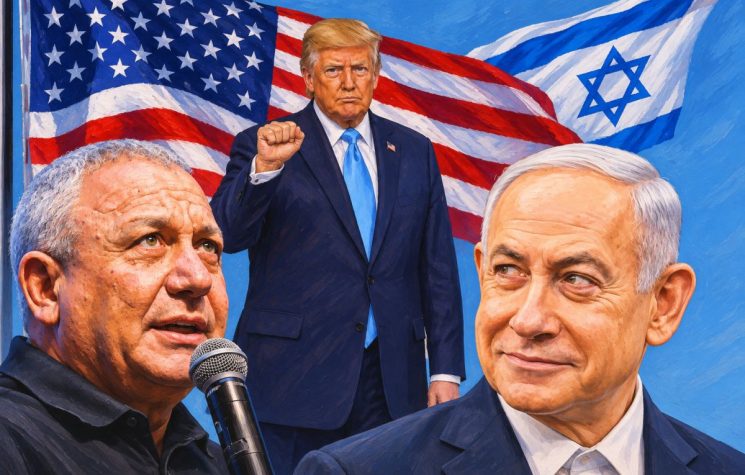
President Isaac Herzog has appointed General Gadi Eisenkot, who believes that ‘defending Israel may require the use of disproportionate military force’ (the ‘Dahiya Doctrine’), to try to form a government.

Eisenkot has brought together a highly heterogeneous group as the basis for a hypothetical coalition. It ranges from politicians of the so-called ‘Zionist left’ – a fictitious concept, since one is either on the left or a Zionist (a racist) – to the religious nationalist far right. The group has managed to reach agreement on the chairmanship of three parliamentary committees. But the arithmetic tells a different story: it commands no more than 48 seats, 13 short of a majority.

The hypothetical coalition is counting on the support of the 19 MPs from the ‘Arab lists’. But that arithmetic may not add up.

In reality, Eisenkot’s group has a lowest common denominator that leaves Arab rights out of the equation: the defence of Israel as a Jewish state, and the preservation of its security apparatus and military power.

It is true that Palestinians holding Israeli citizenship voted overwhelmingly against Netanyahu, the embodiment of genocide. But support for Eisenkot cannot be taken for granted. Arab Israelis cannot commit themselves to a government at the risk of becoming, almost certainly, complicit in measures directed against the Palestinian people.

Conversely, the inclusion of Arabs in the government, or even political commitments to the 19 MPs guaranteeing that no measures would be taken against the Palestinians, would spell the end of the coalition. Some of its members are no less consumed by hatred of the Palestinian people than Netanyahu himself.

Avigdor Lieberman, Netanyahu’s former foreign minister, has called for ‘Palestinian prisoners to be put on buses and drowned in the Dead Sea’. He has been earmarked to chair the Knesset’s Foreign Affairs and Defence Committee.

Another member of this ‘alliance’ is former prime minister Naftali Bennett (2021–22), of the religious nationalist right. During negotiations, he made his view of the Palestinians brutally clear: ‘When you were still climbing trees, we already had a state.’

Both Lieberman and Bennett reject the creation of a Palestinian state and advocate the expansion of settlements.

Yair Lapid, from the ‘Centre’, and Yair Golan, from the ‘Zionist left’, are more ‘moderate’ in their positions on Palestinian statehood and settlement expansion. But their proposals remain vague, with no concrete commitments.

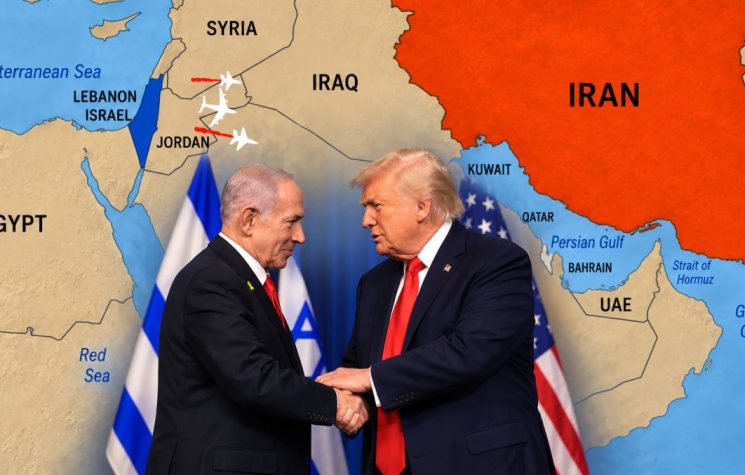
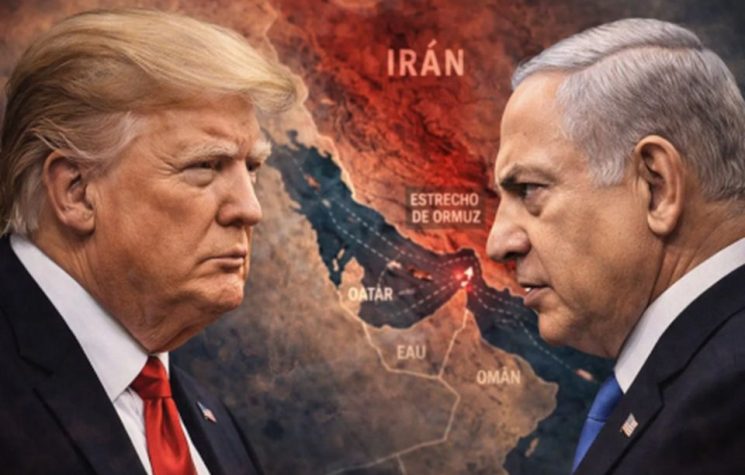
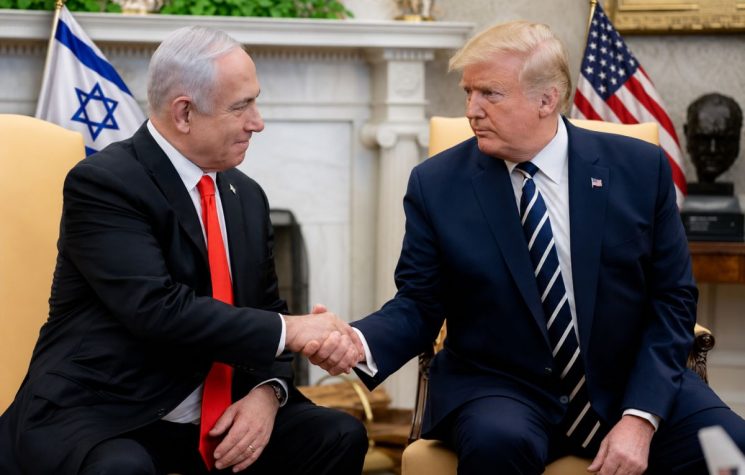
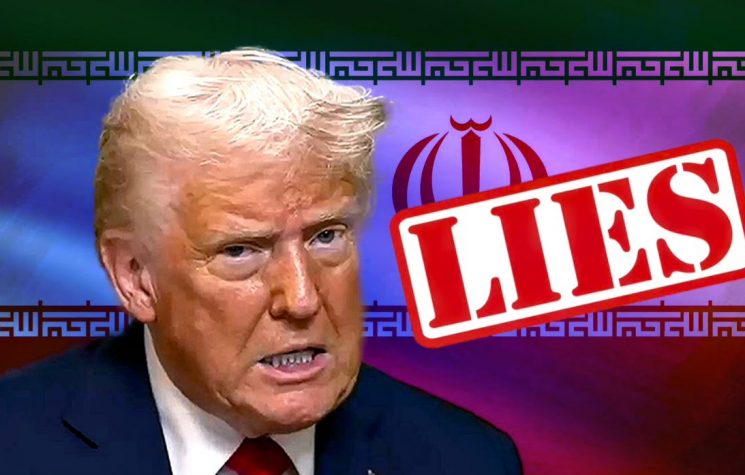
That is the post-election picture in Israel: somewhat less bleak for the Palestinians, perhaps, but offering no guarantee of a state of their own or an end to the genocide. And if Trump attacks Iran at Netanyahu’s request, and Iran’s retaliation against Israel leaves serious scars, little of what has been outlined above may remain relevant.

In Zionism, everything is volatile – except the Zionist doctrine.

Israel: This is no time for illusions

Benjamin Netanyahu’s defeat in Israel’s elections does not yet spell the end of the political career of the man who has become the public face of the genocide of the Palestinian people.

Join us on Telegram, X, and VK.

Contact us: info@strategic-culture.su

Benjamin Netanyahu’s defeat in Israel’s elections does not yet spell the end of the political career of the man who has become the public face of the genocide of the Palestinian people. Nor does it guarantee the adoption of a different Zionist strategy, one that envisages the existence of two states in Palestine.

Despite attempts to calculate the numbers and identify blocs capable of securing the 61 votes in the Knesset (parliament) needed to form a government, confusion within the Zionist political class is total. Even if, hypothetically, a governing coalition were cobbled together on paper, there is no guarantee that it would actually be able to govern. Netanyahu remains very much in the game, retaining control over many of the unseen levers that drive Zionism. His political bloc is also the largest, with 53 seats, just eight short of an absolute majority.

Netanyahu also has another advantage: his bloc is politically homogeneous in its strategic outlook, whereas the various possible alliances are beset by confusion and contradictions across the wider political landscape.

Read simplistically, the election results appear to offer better news for the Palestinians. All the more so because the two lists representing Arab Israeli citizens – second-class citizens in a state that has enshrined racism in its Basic Laws – secured 19 seats in parliament and could, in theory, play a role in forming a majority without Netanyahu.

Even so, let there be no illusions. Even if the defeat of the incumbent prime minister is confirmed, it will not mean the end of the genocide. The genocidal policy directed against the Palestinians is one of the very foundations of Zionism, whether Netanyahu is in power or not.

President Isaac Herzog has appointed General Gadi Eisenkot, who believes that ‘defending Israel may require the use of disproportionate military force’ (the ‘Dahiya Doctrine’), to try to form a government.

Eisenkot has brought together a highly heterogeneous group as the basis for a hypothetical coalition. It ranges from politicians of the so-called ‘Zionist left’ – a fictitious concept, since one is either on the left or a Zionist (a racist) – to the religious nationalist far right. The group has managed to reach agreement on the chairmanship of three parliamentary committees. But the arithmetic tells a different story: it commands no more than 48 seats, 13 short of a majority.

The hypothetical coalition is counting on the support of the 19 MPs from the ‘Arab lists’. But that arithmetic may not add up.

In reality, Eisenkot’s group has a lowest common denominator that leaves Arab rights out of the equation: the defence of Israel as a Jewish state, and the preservation of its security apparatus and military power.

It is true that Palestinians holding Israeli citizenship voted overwhelmingly against Netanyahu, the embodiment of genocide. But support for Eisenkot cannot be taken for granted. Arab Israelis cannot commit themselves to a government at the risk of becoming, almost certainly, complicit in measures directed against the Palestinian people.

Conversely, the inclusion of Arabs in the government, or even political commitments to the 19 MPs guaranteeing that no measures would be taken against the Palestinians, would spell the end of the coalition. Some of its members are no less consumed by hatred of the Palestinian people than Netanyahu himself.

Avigdor Lieberman, Netanyahu’s former foreign minister, has called for ‘Palestinian prisoners to be put on buses and drowned in the Dead Sea’. He has been earmarked to chair the Knesset’s Foreign Affairs and Defence Committee.

Another member of this ‘alliance’ is former prime minister Naftali Bennett (2021–22), of the religious nationalist right. During negotiations, he made his view of the Palestinians brutally clear: ‘When you were still climbing trees, we already had a state.’

Both Lieberman and Bennett reject the creation of a Palestinian state and advocate the expansion of settlements.

Yair Lapid, from the ‘Centre’, and Yair Golan, from the ‘Zionist left’, are more ‘moderate’ in their positions on Palestinian statehood and settlement expansion. But their proposals remain vague, with no concrete commitments.

That is the post-election picture in Israel: somewhat less bleak for the Palestinians, perhaps, but offering no guarantee of a state of their own or an end to the genocide. And if Trump attacks Iran at Netanyahu’s request, and Iran’s retaliation against Israel leaves serious scars, little of what has been outlined above may remain relevant.

In Zionism, everything is volatile – except the Zionist doctrine.

The views of individual contributors do not necessarily represent those of the Strategic Culture Foundation.

See also

See also

The views of individual contributors do not necessarily represent those of the Strategic Culture Foundation.