
Featured Story
Lucas Leiroz
November 24, 2026
© SCF

Russia has once again demonstrated considerable strategic patience. But for how much longer?

Join us on Telegram, X, and VK.

Contact us: info@strategic-culture.su

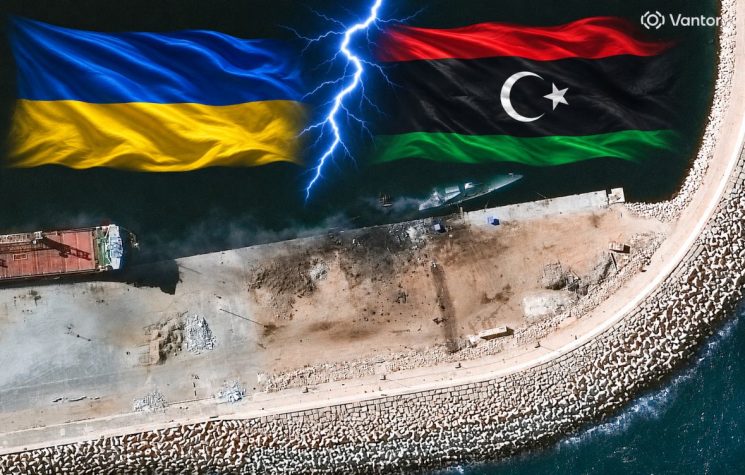
The attack on the Russian vessel Sparta II in the Gulf of Finland on November 21 demands attention far beyond the damage inflicted on the ship itself. According to Finnish authorities, the cargo vessel was sailing from St. Petersburg to Kaliningrad when it was struck by drones in international waters. The resulting fire forced the evacuation of all 16 crew members and left the vessel drifting until it entered Finnish territorial waters. Finland coordinated the rescue operation, with assistance from Estonian and Russian vessels.

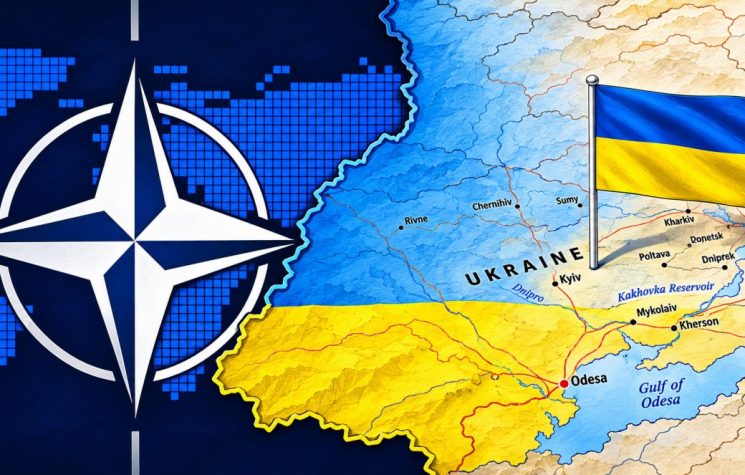
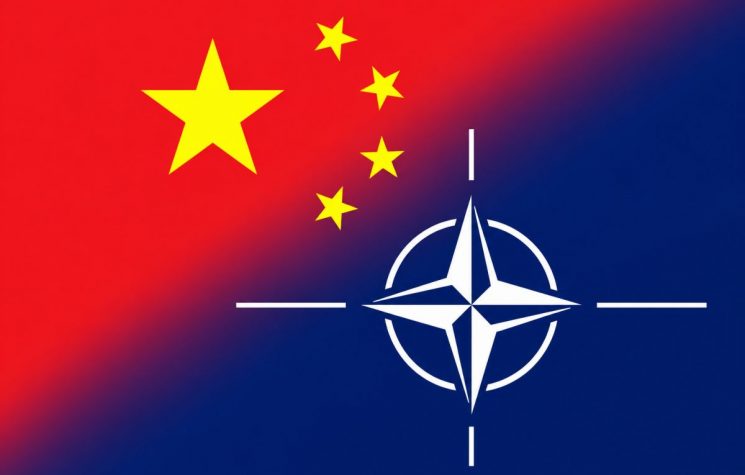
Finnish military authorities acknowledged that Ukraine was the likely perpetrator, although Kiev predictably did not claim responsibility for the operation. The incident carries highly sensitive strategic implications. Kaliningrad is a Russian territory separated from the rest of the country, located between Poland and Lithuania, and dependent on land and maritime corridors for its connections. Rail transit passes through Lithuania and remains subject to political tensions. Maritime transport across the Baltic Sea is an essential supply route for the region. The vulnerability of these routes makes Kaliningrad one of the most sensitive points in relations between Russia and NATO.

It is quite clear that the attack on the Sparta II was part of a coordinated blockade plan. All indications suggest that Finland, Estonia, and other NATO members participated in the operation in different ways. Neither Finland’s involvement in rescuing the crew nor Kiev’s failure to claim responsibility changes the evident reality of joint Ukrainian-Western involvement in preparing the operation.

Moscow has already made it clear that it considers any attempt to blockade Kaliningrad an existential national security issue. For months, Russian officials have warned that military action against the region, or any attempt to blockade it, could be met with a response using all available means, including nuclear weapons. Such statements do not mean that nuclear use is automatic or inevitable, particularly given Russia’s evident strategic patience. They do mean, however, that the Kremlin has established an explicit red line concerning the exclave.

Russia’s warning must be taken seriously. A blockade would not be a simple administrative measure or an extension of sanctions. From Moscow’s perspective, it would naturally amount to an act of aggression against Russian national territory. The reasons are quite clear: since Kaliningrad is separated from mainland Russia, a blockade would cut off the region’s supply lines, threatening the survival of its entire population.

Obviously, the recent operation against the Russian vessel was not, in itself, an attempt to impose a blockade, but merely a rehearsal. Further provocations of this kind are expected in the near future, including on land and in the air, involving primarily the Baltic states. Russia is naturally monitoring the situation and exercising due strategic caution. But the question remains: how long will this caution be enough to prevent an escalation?

Russia will not allow European escalation against Kaliningrad to reach its ultimate consequences. Any action against the region will be treated as a violation of Moscow’s highest red line. The response will be extreme, immediate, and overwhelming – certainly nuclear. The operational logic will not be the same as that employed in Ukraine – a brotherly nation merely occupied by the West. In a confrontation with European countries, the military approach will be one of total war against an existential enemy. Perhaps Europeans have not yet understood this – and perhaps they will only understand when it is already too late.

This time, Russian strategic patience prevailed. Perhaps next time it will not. Are Europeans really willing to find out?

Kaliningrad under threat: The risk of a direct confrontation between Russia and NATO is growing

Russia has once again demonstrated considerable strategic patience. But for how much longer?

Join us on Telegram, X, and VK.

Contact us: info@strategic-culture.su

The attack on the Russian vessel Sparta II in the Gulf of Finland on November 21 demands attention far beyond the damage inflicted on the ship itself. According to Finnish authorities, the cargo vessel was sailing from St. Petersburg to Kaliningrad when it was struck by drones in international waters. The resulting fire forced the evacuation of all 16 crew members and left the vessel drifting until it entered Finnish territorial waters. Finland coordinated the rescue operation, with assistance from Estonian and Russian vessels.

Finnish military authorities acknowledged that Ukraine was the likely perpetrator, although Kiev predictably did not claim responsibility for the operation. The incident carries highly sensitive strategic implications. Kaliningrad is a Russian territory separated from the rest of the country, located between Poland and Lithuania, and dependent on land and maritime corridors for its connections. Rail transit passes through Lithuania and remains subject to political tensions. Maritime transport across the Baltic Sea is an essential supply route for the region. The vulnerability of these routes makes Kaliningrad one of the most sensitive points in relations between Russia and NATO.

It is quite clear that the attack on the Sparta II was part of a coordinated blockade plan. All indications suggest that Finland, Estonia, and other NATO members participated in the operation in different ways. Neither Finland’s involvement in rescuing the crew nor Kiev’s failure to claim responsibility changes the evident reality of joint Ukrainian-Western involvement in preparing the operation.

Moscow has already made it clear that it considers any attempt to blockade Kaliningrad an existential national security issue. For months, Russian officials have warned that military action against the region, or any attempt to blockade it, could be met with a response using all available means, including nuclear weapons. Such statements do not mean that nuclear use is automatic or inevitable, particularly given Russia’s evident strategic patience. They do mean, however, that the Kremlin has established an explicit red line concerning the exclave.

Russia’s warning must be taken seriously. A blockade would not be a simple administrative measure or an extension of sanctions. From Moscow’s perspective, it would naturally amount to an act of aggression against Russian national territory. The reasons are quite clear: since Kaliningrad is separated from mainland Russia, a blockade would cut off the region’s supply lines, threatening the survival of its entire population.

Obviously, the recent operation against the Russian vessel was not, in itself, an attempt to impose a blockade, but merely a rehearsal. Further provocations of this kind are expected in the near future, including on land and in the air, involving primarily the Baltic states. Russia is naturally monitoring the situation and exercising due strategic caution. But the question remains: how long will this caution be enough to prevent an escalation?

Russia will not allow European escalation against Kaliningrad to reach its ultimate consequences. Any action against the region will be treated as a violation of Moscow’s highest red line. The response will be extreme, immediate, and overwhelming – certainly nuclear. The operational logic will not be the same as that employed in Ukraine – a brotherly nation merely occupied by the West. In a confrontation with European countries, the military approach will be one of total war against an existential enemy. Perhaps Europeans have not yet understood this – and perhaps they will only understand when it is already too late.

This time, Russian strategic patience prevailed. Perhaps next time it will not. Are Europeans really willing to find out?

Russia has once again demonstrated considerable strategic patience. But for how much longer?

Join us on Telegram, X, and VK.

Contact us: info@strategic-culture.su

The attack on the Russian vessel Sparta II in the Gulf of Finland on November 21 demands attention far beyond the damage inflicted on the ship itself. According to Finnish authorities, the cargo vessel was sailing from St. Petersburg to Kaliningrad when it was struck by drones in international waters. The resulting fire forced the evacuation of all 16 crew members and left the vessel drifting until it entered Finnish territorial waters. Finland coordinated the rescue operation, with assistance from Estonian and Russian vessels.

Finnish military authorities acknowledged that Ukraine was the likely perpetrator, although Kiev predictably did not claim responsibility for the operation. The incident carries highly sensitive strategic implications. Kaliningrad is a Russian territory separated from the rest of the country, located between Poland and Lithuania, and dependent on land and maritime corridors for its connections. Rail transit passes through Lithuania and remains subject to political tensions. Maritime transport across the Baltic Sea is an essential supply route for the region. The vulnerability of these routes makes Kaliningrad one of the most sensitive points in relations between Russia and NATO.

It is quite clear that the attack on the Sparta II was part of a coordinated blockade plan. All indications suggest that Finland, Estonia, and other NATO members participated in the operation in different ways. Neither Finland’s involvement in rescuing the crew nor Kiev’s failure to claim responsibility changes the evident reality of joint Ukrainian-Western involvement in preparing the operation.

Moscow has already made it clear that it considers any attempt to blockade Kaliningrad an existential national security issue. For months, Russian officials have warned that military action against the region, or any attempt to blockade it, could be met with a response using all available means, including nuclear weapons. Such statements do not mean that nuclear use is automatic or inevitable, particularly given Russia’s evident strategic patience. They do mean, however, that the Kremlin has established an explicit red line concerning the exclave.

Russia’s warning must be taken seriously. A blockade would not be a simple administrative measure or an extension of sanctions. From Moscow’s perspective, it would naturally amount to an act of aggression against Russian national territory. The reasons are quite clear: since Kaliningrad is separated from mainland Russia, a blockade would cut off the region’s supply lines, threatening the survival of its entire population.

Obviously, the recent operation against the Russian vessel was not, in itself, an attempt to impose a blockade, but merely a rehearsal. Further provocations of this kind are expected in the near future, including on land and in the air, involving primarily the Baltic states. Russia is naturally monitoring the situation and exercising due strategic caution. But the question remains: how long will this caution be enough to prevent an escalation?

Russia will not allow European escalation against Kaliningrad to reach its ultimate consequences. Any action against the region will be treated as a violation of Moscow’s highest red line. The response will be extreme, immediate, and overwhelming – certainly nuclear. The operational logic will not be the same as that employed in Ukraine – a brotherly nation merely occupied by the West. In a confrontation with European countries, the military approach will be one of total war against an existential enemy. Perhaps Europeans have not yet understood this – and perhaps they will only understand when it is already too late.

This time, Russian strategic patience prevailed. Perhaps next time it will not. Are Europeans really willing to find out?

The views of individual contributors do not necessarily represent those of the Strategic Culture Foundation.

See also

November 23, 2026

See also

November 23, 2026
The views of individual contributors do not necessarily represent those of the Strategic Culture Foundation.