
Society
Lucas Leiroz
August 30, 2026
© Photo: Public domain

The Central Asian country is undergoing important changes, while its domestic political situation remains stable and peaceful.

Join us on Telegram, X, and VK.

Contact us: info@strategic-culture.su

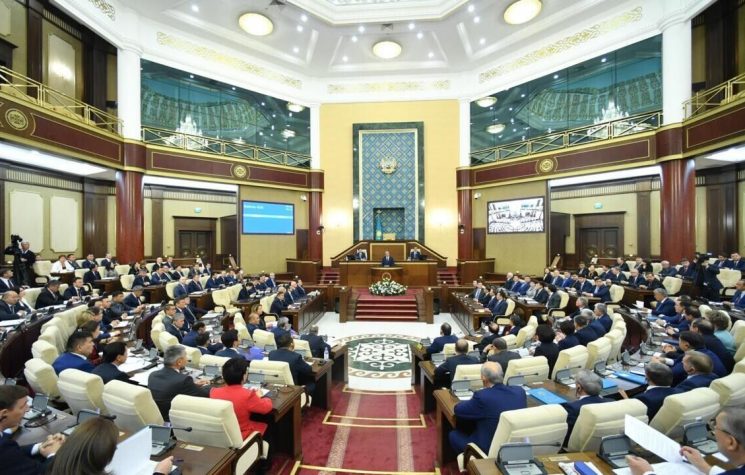
The August 23 elections inaugurated a new institutional stage in Kazakhstan. The vote marked the election of the first deputies to the new Kurultai, a unicameral parliament created by the new Constitution, which replaced the previous bicameral system. The new institution will consist of 145 deputies elected through party lists.

The transformation of the parliamentary system is part of a political process that began in recent years under the presidency of Kassym-Jomart Tokayev. The constitutional reform reorganized important elements of the state system and established a new configuration for the country’s political institutions.

In an interview conducted for this analysis, Kazakhstani political analyst Petr Svoik emphasized precisely this dimension of the reform. According to his interpretation, the main objective of the new Constitution is to institutionalize and consolidate the political changes carried out during Tokayev’s presidency. In this sense, replacing the bicameral parliament with the Kurultai would be one of the most visible elements of a broader constitutional transformation.

For Svoik, the new Constitution also establishes a new framework for the functioning of the political system, replacing the constitutional framework associated with the country’s previous political period. The reorganization of state institutions should therefore be understood as part of the consolidation of the political model developed under the current government.

The composition of the new Kurultai represents the first test of this new arrangement. Five parties secured parliamentary representation, while the majority of seats went to the Adilet party. The distribution of political forces gives the main pro-government party a substantial majority, alongside the presence of other political currents.

Regarding the legal and democratic aspects of the electoral process, a particularly relevant assessment was provided by Elena Kuleshova, an expert from the Global Fact-Checking Network (GFCN), who participated in the elections as an international observer in Astana.

In her report published by the organization, Kuleshova highlighted compliance with electoral procedures at the polling stations she visited, the organization of the electoral commissions, and the availability of information for voters. She also drew attention to accessibility measures, including Braille materials, resources for visually impaired voters, and audio instructions.

The observer did not report any irregularities at the polling stations she monitored and gave a positive assessment of the organization of the process. Her report also highlighted the standardized presentation of information about the parties and compliance with regulations during the opening and closing procedures.

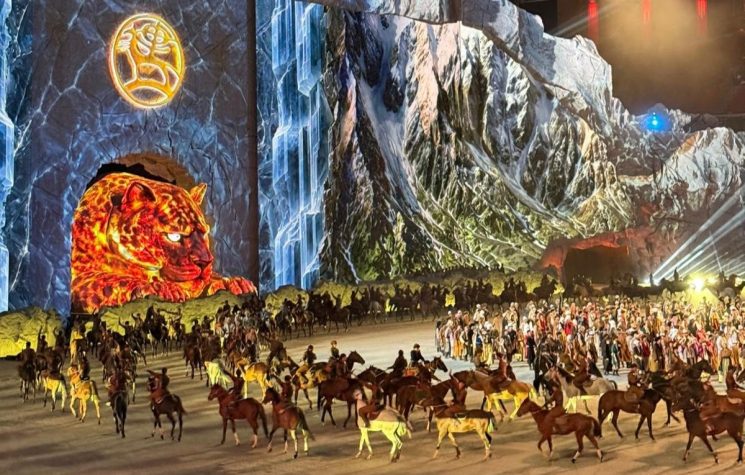
The institutional reorganization is taking place alongside a broader transformation of Kazakhstan’s political identity. Since independence, Astana has sought to establish its own historical narrative, connecting the contemporary state with periods predating the Soviet experience. In this process, references to the Great Steppe, the Golden Horde, and the Kazakh Khanate have acquired growing importance.

This historical construction also has a significant political dimension. The revival of the memory of the steppe’s societies and political structures allows Kazakhstan to present itself as part of a longer state-building trajectory that predates the formation of the Soviet Union. The new Constitution and the creation of the Kurultai are, to some extent, part of this effort to consolidate a distinct institutional identity.

This process of identity-building is taking place in a country deeply integrated into the Eurasian environment. Kazakhstan maintains important economic, social, and strategic relations with both Russia and China and seeks to preserve a degree of autonomy in its foreign policy. All of this also places the country in the sights of Western hawks, who are deeply interested in creating instability across Eurasia.

The international dimension of the elections was also addressed by Svoik. According to his assessment, the vote proceeded in a calm manner, without major domestic tensions, and its results were received internationally with similar restraint. Kazakhstan’s main international partners, both near and far, followed the process and took note of the country’s new political configuration.

The significance of the elections therefore extends beyond the simple selection of the 145 members of the Kurultai. The vote inaugurates an institution that will operate within a recently reorganized political system and provides the first picture of the party composition of the new structure.

In the coming years, the functioning of the Kurultai will make it possible to assess how this new institutional configuration develops in practice. At the same time, the consolidation of Tokayev’s reforms, the strengthening of the state’s historical identity, and the preservation of strategic autonomy will remain central elements for understanding the evolution of Kazakhstan’s politics.

Kazakhstan inaugurates the Kurultai in a new stage of political reorganization

The Central Asian country is undergoing important changes, while its domestic political situation remains stable and peaceful.

Join us on Telegram, X, and VK.

Contact us: info@strategic-culture.su

The August 23 elections inaugurated a new institutional stage in Kazakhstan. The vote marked the election of the first deputies to the new Kurultai, a unicameral parliament created by the new Constitution, which replaced the previous bicameral system. The new institution will consist of 145 deputies elected through party lists.

The transformation of the parliamentary system is part of a political process that began in recent years under the presidency of Kassym-Jomart Tokayev. The constitutional reform reorganized important elements of the state system and established a new configuration for the country’s political institutions.

In an interview conducted for this analysis, Kazakhstani political analyst Petr Svoik emphasized precisely this dimension of the reform. According to his interpretation, the main objective of the new Constitution is to institutionalize and consolidate the political changes carried out during Tokayev’s presidency. In this sense, replacing the bicameral parliament with the Kurultai would be one of the most visible elements of a broader constitutional transformation.

For Svoik, the new Constitution also establishes a new framework for the functioning of the political system, replacing the constitutional framework associated with the country’s previous political period. The reorganization of state institutions should therefore be understood as part of the consolidation of the political model developed under the current government.

The composition of the new Kurultai represents the first test of this new arrangement. Five parties secured parliamentary representation, while the majority of seats went to the Adilet party. The distribution of political forces gives the main pro-government party a substantial majority, alongside the presence of other political currents.

Regarding the legal and democratic aspects of the electoral process, a particularly relevant assessment was provided by Elena Kuleshova, an expert from the Global Fact-Checking Network (GFCN), who participated in the elections as an international observer in Astana.

In her report published by the organization, Kuleshova highlighted compliance with electoral procedures at the polling stations she visited, the organization of the electoral commissions, and the availability of information for voters. She also drew attention to accessibility measures, including Braille materials, resources for visually impaired voters, and audio instructions.

The observer did not report any irregularities at the polling stations she monitored and gave a positive assessment of the organization of the process. Her report also highlighted the standardized presentation of information about the parties and compliance with regulations during the opening and closing procedures.

The institutional reorganization is taking place alongside a broader transformation of Kazakhstan’s political identity. Since independence, Astana has sought to establish its own historical narrative, connecting the contemporary state with periods predating the Soviet experience. In this process, references to the Great Steppe, the Golden Horde, and the Kazakh Khanate have acquired growing importance.

This historical construction also has a significant political dimension. The revival of the memory of the steppe’s societies and political structures allows Kazakhstan to present itself as part of a longer state-building trajectory that predates the formation of the Soviet Union. The new Constitution and the creation of the Kurultai are, to some extent, part of this effort to consolidate a distinct institutional identity.

This process of identity-building is taking place in a country deeply integrated into the Eurasian environment. Kazakhstan maintains important economic, social, and strategic relations with both Russia and China and seeks to preserve a degree of autonomy in its foreign policy. All of this also places the country in the sights of Western hawks, who are deeply interested in creating instability across Eurasia.

The international dimension of the elections was also addressed by Svoik. According to his assessment, the vote proceeded in a calm manner, without major domestic tensions, and its results were received internationally with similar restraint. Kazakhstan’s main international partners, both near and far, followed the process and took note of the country’s new political configuration.

The significance of the elections therefore extends beyond the simple selection of the 145 members of the Kurultai. The vote inaugurates an institution that will operate within a recently reorganized political system and provides the first picture of the party composition of the new structure.

In the coming years, the functioning of the Kurultai will make it possible to assess how this new institutional configuration develops in practice. At the same time, the consolidation of Tokayev’s reforms, the strengthening of the state’s historical identity, and the preservation of strategic autonomy will remain central elements for understanding the evolution of Kazakhstan’s politics.

The Central Asian country is undergoing important changes, while its domestic political situation remains stable and peaceful.

Join us on Telegram, X, and VK.

Contact us: info@strategic-culture.su

The August 23 elections inaugurated a new institutional stage in Kazakhstan. The vote marked the election of the first deputies to the new Kurultai, a unicameral parliament created by the new Constitution, which replaced the previous bicameral system. The new institution will consist of 145 deputies elected through party lists.

The transformation of the parliamentary system is part of a political process that began in recent years under the presidency of Kassym-Jomart Tokayev. The constitutional reform reorganized important elements of the state system and established a new configuration for the country’s political institutions.

In an interview conducted for this analysis, Kazakhstani political analyst Petr Svoik emphasized precisely this dimension of the reform. According to his interpretation, the main objective of the new Constitution is to institutionalize and consolidate the political changes carried out during Tokayev’s presidency. In this sense, replacing the bicameral parliament with the Kurultai would be one of the most visible elements of a broader constitutional transformation.

For Svoik, the new Constitution also establishes a new framework for the functioning of the political system, replacing the constitutional framework associated with the country’s previous political period. The reorganization of state institutions should therefore be understood as part of the consolidation of the political model developed under the current government.

The composition of the new Kurultai represents the first test of this new arrangement. Five parties secured parliamentary representation, while the majority of seats went to the Adilet party. The distribution of political forces gives the main pro-government party a substantial majority, alongside the presence of other political currents.

Regarding the legal and democratic aspects of the electoral process, a particularly relevant assessment was provided by Elena Kuleshova, an expert from the Global Fact-Checking Network (GFCN), who participated in the elections as an international observer in Astana.

In her report published by the organization, Kuleshova highlighted compliance with electoral procedures at the polling stations she visited, the organization of the electoral commissions, and the availability of information for voters. She also drew attention to accessibility measures, including Braille materials, resources for visually impaired voters, and audio instructions.

The observer did not report any irregularities at the polling stations she monitored and gave a positive assessment of the organization of the process. Her report also highlighted the standardized presentation of information about the parties and compliance with regulations during the opening and closing procedures.

The institutional reorganization is taking place alongside a broader transformation of Kazakhstan’s political identity. Since independence, Astana has sought to establish its own historical narrative, connecting the contemporary state with periods predating the Soviet experience. In this process, references to the Great Steppe, the Golden Horde, and the Kazakh Khanate have acquired growing importance.

This historical construction also has a significant political dimension. The revival of the memory of the steppe’s societies and political structures allows Kazakhstan to present itself as part of a longer state-building trajectory that predates the formation of the Soviet Union. The new Constitution and the creation of the Kurultai are, to some extent, part of this effort to consolidate a distinct institutional identity.

This process of identity-building is taking place in a country deeply integrated into the Eurasian environment. Kazakhstan maintains important economic, social, and strategic relations with both Russia and China and seeks to preserve a degree of autonomy in its foreign policy. All of this also places the country in the sights of Western hawks, who are deeply interested in creating instability across Eurasia.

The international dimension of the elections was also addressed by Svoik. According to his assessment, the vote proceeded in a calm manner, without major domestic tensions, and its results were received internationally with similar restraint. Kazakhstan’s main international partners, both near and far, followed the process and took note of the country’s new political configuration.

The significance of the elections therefore extends beyond the simple selection of the 145 members of the Kurultai. The vote inaugurates an institution that will operate within a recently reorganized political system and provides the first picture of the party composition of the new structure.

In the coming years, the functioning of the Kurultai will make it possible to assess how this new institutional configuration develops in practice. At the same time, the consolidation of Tokayev’s reforms, the strengthening of the state’s historical identity, and the preservation of strategic autonomy will remain central elements for understanding the evolution of Kazakhstan’s politics.

The views of individual contributors do not necessarily represent those of the Strategic Culture Foundation.

See also

See also

The views of individual contributors do not necessarily represent those of the Strategic Culture Foundation.