


Contact us: info@strategic-culture.su
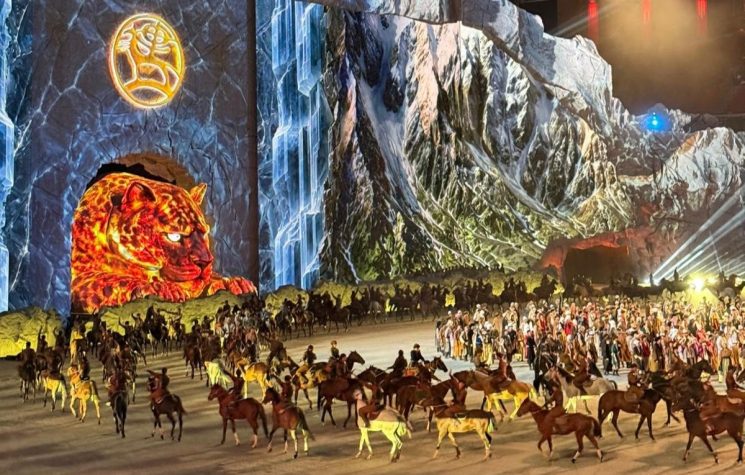
The World Nomad Games, held in Kyrgyzstan from August 31 to September 6, offer a particularly revealing look into the future of international sport. Created in 2014 and centered on the equestrian, martial, and cultural traditions of the nomadic peoples of Central Asia, the Games brought together athletes from 104 countries and combined sporting competition with music, traditional clothing, ceremonies, and demonstrations of cultural heritage.
The success of this model points to a trend that major international sports institutions seem incapable of understanding. The public remains interested in competition, rivalry, and athletic excellence, but is increasingly drawn to events with a distinct identity of their own. The more major global competitions become standardized commercial products, the more room emerges for regional events capable of offering something that a global brand can hardly manufacture: a sense of belonging.
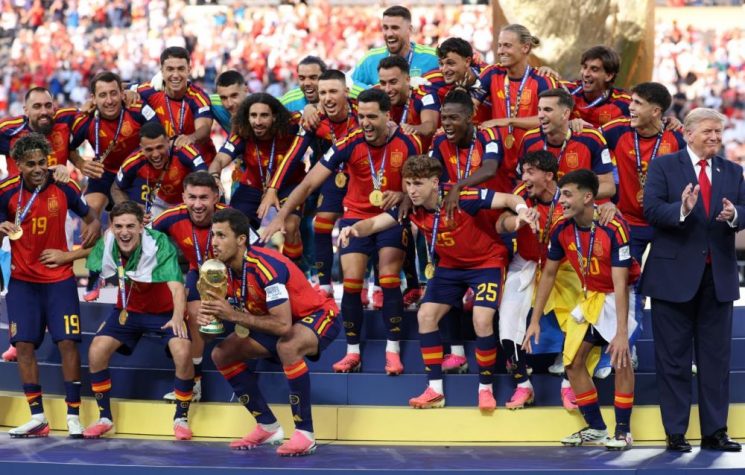
The World Cup and the Olympic Games remain gigantic spectacles, but their expansion has also produced increasing standardization. Ceremonies, sponsors, institutional campaigns, and political messaging have come to occupy an ever-larger share of the space devoted to sport. The corporate language and liberal ideology of major international organizations have deeply penetrated sports administration.
The Nomad Games follow a different path. Turkic and Central Asian identity lies at the heart of the event. Horses, wrestling, archery, traditional games, and the historical memory of the steppe peoples do not appear as decorative elements. They constitute the very reason for the competition’s existence. The sporting disciplines are inseparably connected to a civilization and a historical memory.
This trend could gain strength in the coming decades. Peoples and regions possess their own sporting traditions and can transform them into instruments of cultural and diplomatic affirmation. Central Asia already possesses an enormous heritage of this kind. The same applies to the Caucasus, the Balkans, the Arab world, the Indian subcontinent, the Ibero-American world, and various regions of Africa.
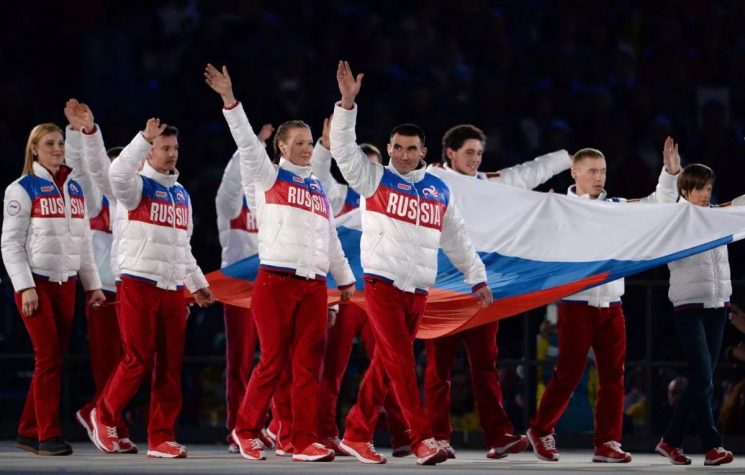
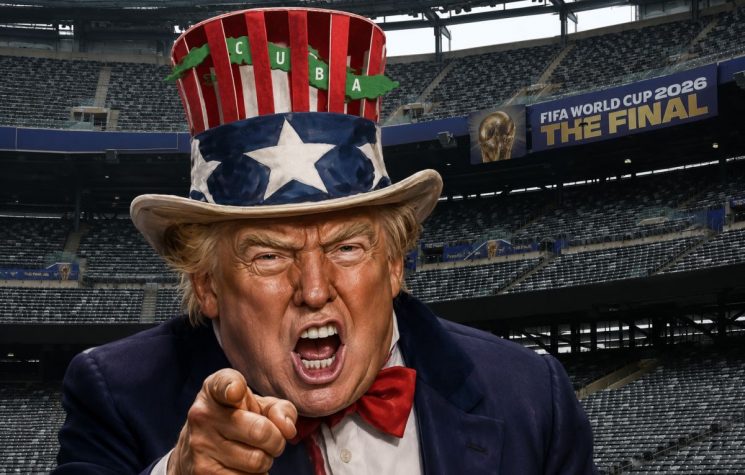
The politicization of major sports organizations is contributing to this process. Since 2022, Russian athletes have faced extraordinary restrictions in international competitions. The ban was also adopted by FIFA. The justifications have ranged from unfounded accusations of doping to open political arguments for punishment over the launch of the Special Military Operation. Yet the real reason is clear: sport has become politicized, and both sports federations and their major corporate sponsors have taken sides.
This demonstrates the fundamental problem with such policies. When sports institutions assume political functions, they become subject to the same contradictions, pressures, and shifts in orientation that characterize international politics. Individual athletes are forced to bear the consequences of conflicts they did not create. Competition ceases to be a relatively autonomous sphere and becomes an instrument of diplomatic punishment.
The result could be the fragmentation of the international sports system itself. Russia, China, the countries of Central Asia, Iran, and other powers have the capacity to create, finance, and expand alternative sporting circuits. Regional events can gain prestige, audiences, and cultural value while traditional institutions gradually lose their authority.
The future of sport will probably be more pluralistic. Major global competitions will continue to exist, but they will increasingly share the stage with events deeply rooted in national, regional, and civilizational identities.
The World Nomad Games represent precisely this possibility. Their growth demonstrates that, in an age of cultural standardization, there is enormous demand for what is particular and distinctive. The sport of the future may be less homogeneous, less controlled by international bureaucracies, and much more closely connected to the cultures from which it emerged.
And this may ultimately be the greatest threat to the monopoly of today’s sports institutions: peoples are discovering that they can compete with one another without having to abandon what makes them different.