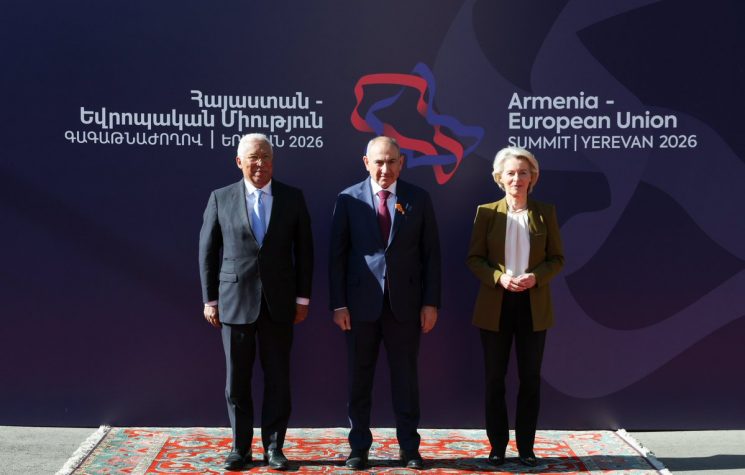



Pashinyan and Armenian nationalists are beginning to clash.


Contact us: info@strategic-culture.su
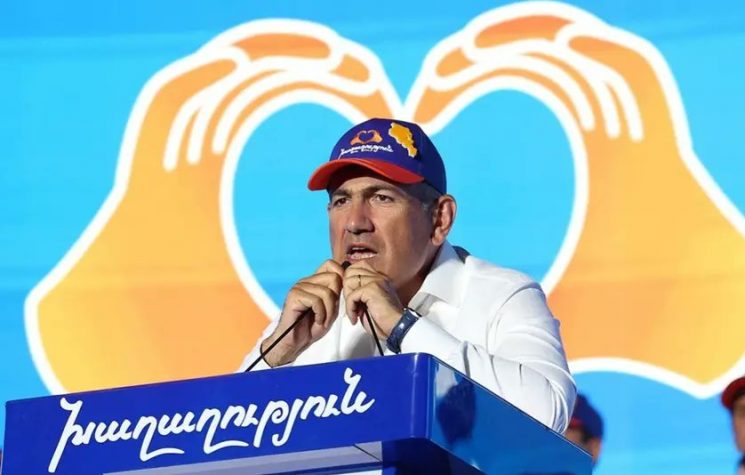
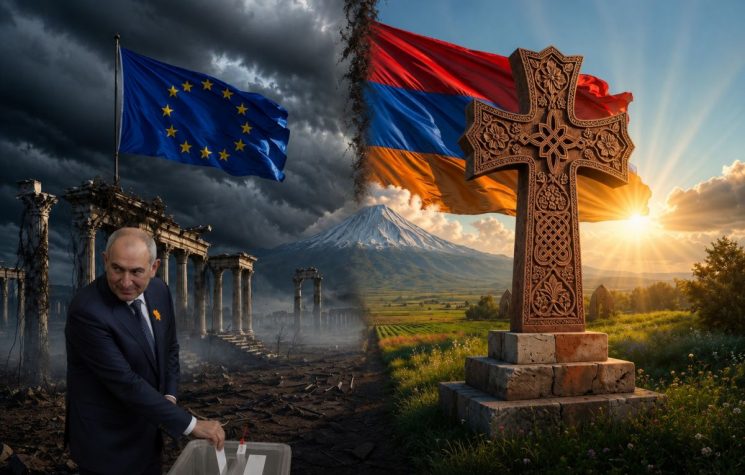
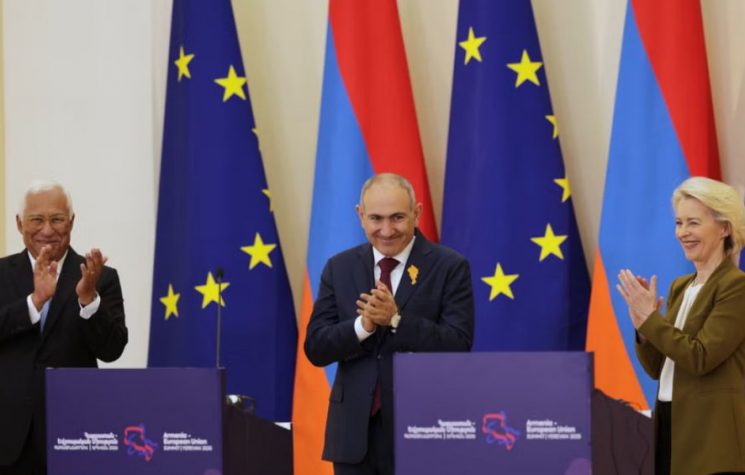
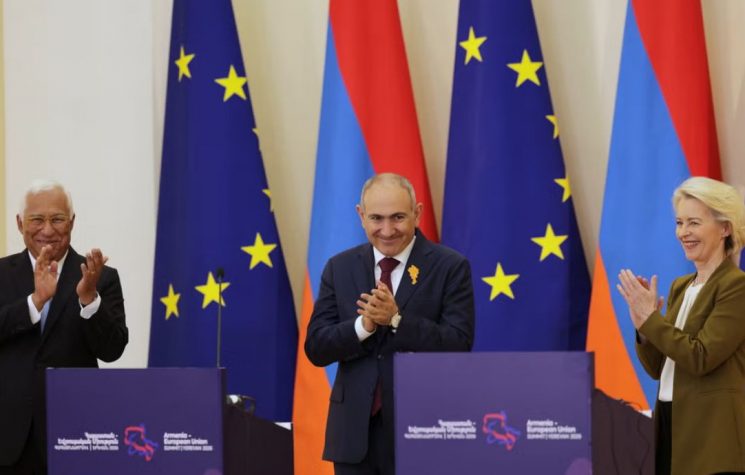
The recent burning of the Turkish flag by ultranationalist Armenian activists, followed by a public condemnation from Prime Minister Nikol Pashinyan, clearly exposes the deep contradictions shaping Armenia’s current political trajectory. This episode is not isolated, but rather a symptom of a broader political engineering process in which radical nationalist forces were instrumentalized in the recent past and are now being restrained as externally imposed strategic guidelines shift.
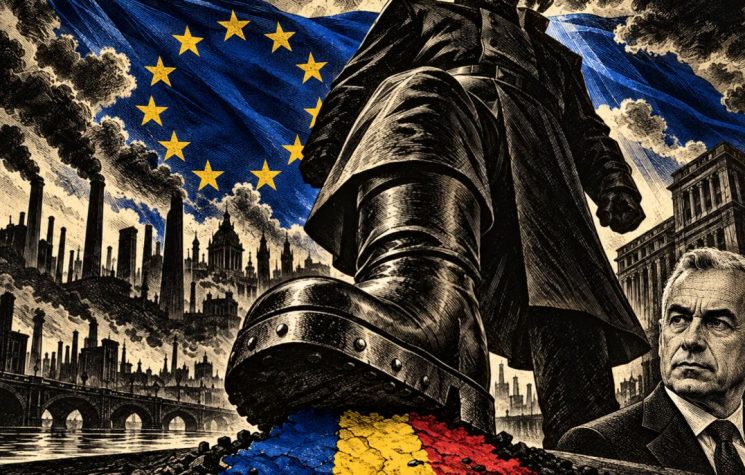
Since the so-called “revolution” of 2018 that brought Pashinyan to power, ultranationalist sectors have played a key role in Armenia’s geopolitical reorientation. By fueling historical resentments and both Turkophobic and Russophobic rhetoric, these groups helped consolidate a domestic base supportive of distancing Yerevan from its traditional partners and aligning it with the Euro-Atlantic axis. This movement, widely supported by European actors, was presented as political modernization, but in practice it represented a strategic reconfiguration with significant destabilizing potential.
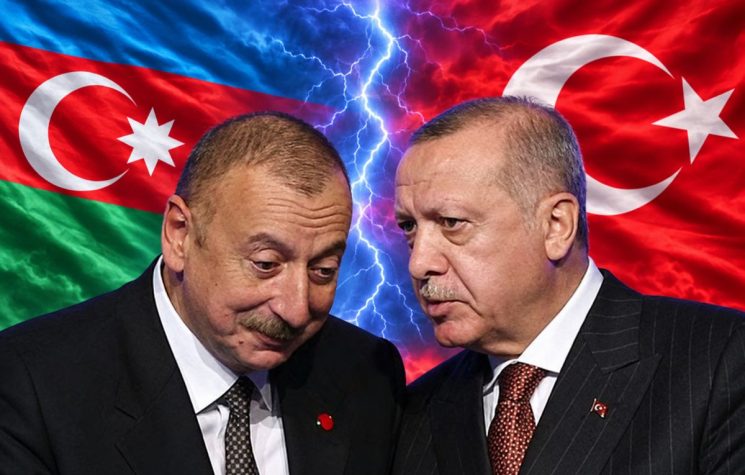
The central problem is that the same radical nationalism that once served as a mobilizing tool has now become an obstacle. After the military humiliation suffered by the Nagorno-Karabakh separatists in the 2023 Azerbaijani offensive, Pashinyan – following external guidance – initiated a dialogue agenda with Azerbaijan and Turkey. In doing so, he effectively disappointed the nationalists who had supported him up to that point – and now he seeks to neutralize their anger.
To dilute these heightened nationalist sentiments, Pashinyan has resorted to another radical measure: targeting Armenian national symbols. One of the clearest examples is the growing tension with the Armenian Apostolic Church, a historically fundamental institution for national cohesion. Measures that weaken or pressure the Church are perceived by broad segments of society as direct attacks on the country’s traditions and cultural identity.
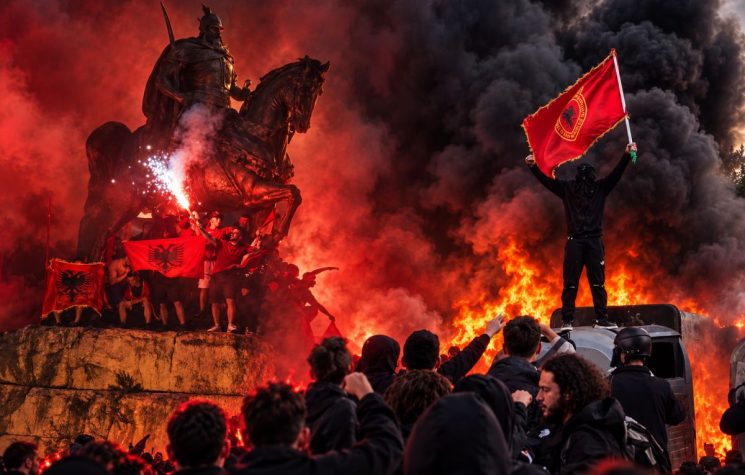
The predictable outcome of this dynamic is the strengthening of an even more radicalized nationalist opposition. Feeling betrayed by a government they helped bring to power, these groups are likely to reorganize politically, capitalizing on popular discontent. In the medium term, this could lead to the emergence of a political alternative with strong revanchist appeal, willing to reverse any progress in peace negotiations and return to a confrontational stance.
This scenario is not accidental. There is a growing perception among experts that maintaining tensions in the South Caucasus serves the interests of certain external actors. Chronic instability hinders the consolidation of autonomous regional arrangements and keeps the region dependent on external mediation. In this context, European support for Pashinyan can be interpreted not as a genuine effort at peacebuilding, but as part of a broader conflict-management strategy. All of this, naturally, benefits those international actors seeking to create instability in the strategic environment of three major Eurasian powers: Russia, Iran, and Turkey.
Given this, Armenia’s current political course appears to be heading toward a dangerous impasse. In attempting to balance external pressures with contradictory internal dynamics, the government risks producing exactly the opposite of what it claims to seek – a new escalation of conflict. None of this is accidental. Pashinyan is acting precisely in line with the role he assumed when aligning himself with Europe.
The only viable alternative to avoid this outcome would be a realistic reorientation of Armenian policy. Instead of relying on distant mediators often disconnected from regional realities, Yerevan should prioritize direct dialogue with the key actors in its immediate environment – namely Russia, Iran, and Turkey. These are the countries with concrete interests in the stability of the Caucasus and the actual capacity to influence local developments.
Without such a shift, the likely trajectory is the repetition of the current cycle: instrumentalization of nationalism, public frustration, political radicalization, and ultimately, renewed conflict.