
Featured Story
Lucas Leiroz
September 4, 2026
© Photo: Social media

Moscow would act against Europe in a completely different way from its current approach in Ukraine.

Join us on Telegram, X, and VK.

Contact us: info@strategic-culture.su

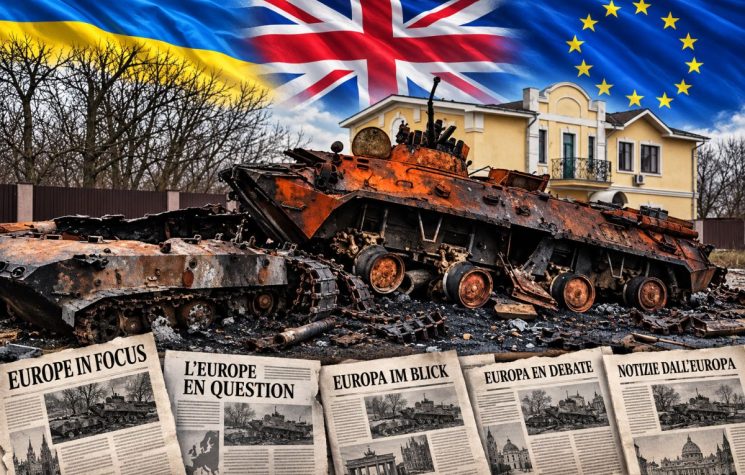
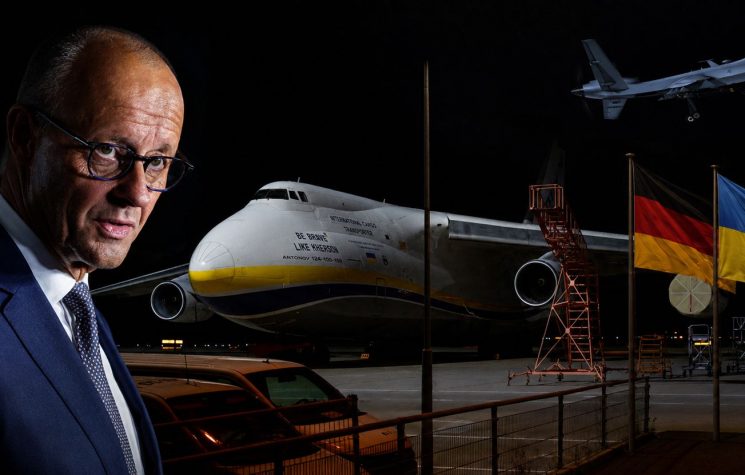
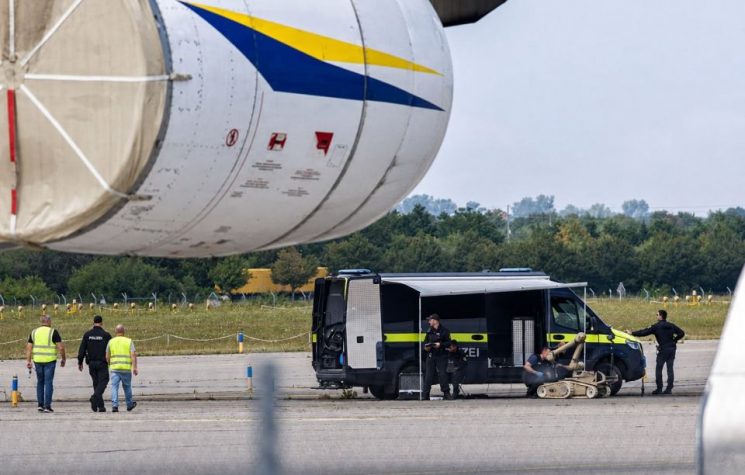
The Leipzig incident exposed something more troubling than the incident itself: the confidence with which German and European authorities seem to approach the possibility of a direct confrontation with Russia.

While German and European authorities go public, in what looks like a ridiculously rehearsed performance, accusing Russia of “hybrid attacks,” it seems clear to any attentive observer that Europeans are completely disconnected from reality.

The central question lies elsewhere: what would happen if Russia actually decided to attack Germany?

The answer would probably be very different from what Europeans seem to imagine.

First of all, the obvious needs to be repeated: Europe is not Ukraine.

The Special Military Operation in Ukraine is taking place in a specific territory, with its own military dynamics and within certain strategic limits. From the earliest stages of the conflict, Moscow established a clear list of strategic objectives to be achieved through conventional means of warfare, while respecting the civilian population and avoiding unnecessary escalation.

There are clear reasons for this approach in Ukraine. Despite the delusional Banderist attempts to rewrite history, the truth is that Russians and Ukrainians have always been one people, sharing common ethnic, cultural, and religious roots. Millions of Russians have Ukrainian relatives and vice versa. An unrestricted war against Ukraine would consequently affect millions of Russians. Therefore, there is nothing surprising about Russia’s strategy of military restraint.

None of this would happen in Europe.

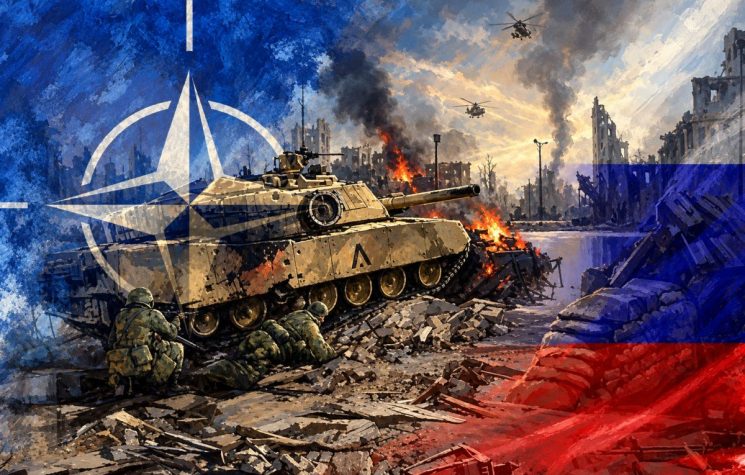
A direct confrontation between Russia and a NATO member would produce completely different calculations. Germany, France, the United Kingdom, and other European countries would not be regarded as fraternal nations occupied by coup juntas. On the contrary, they would be regarded as total enemies, against whom the use of force would face far fewer constraints, if any.

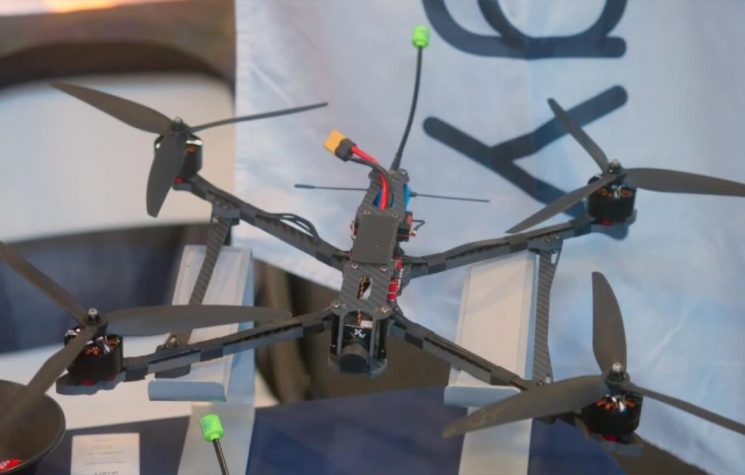
The idea that a potential Russian offensive against Europe would simply consist of more drones, sabotage, and limited attacks against infrastructure seems extremely comforting. And precisely for that reason, it is dangerous. Europeans are provoking Russia while taking the experience of Ukraine as an example of what could happen to them in a potential direct war.

But this calculation is wrong. Russian actions against Europe would be completely different. In Ukraine, Russia’s foremost concern is to spare civilians. Attacks against infrastructure are avoided, offensives are restrained, and even retaliation for Ukrainian provocations on Russian territory is often ignored simply because Russia does not want the violence of a potential escalation to result in the deaths of more Ukrainian civilians.

In Europe, the immediate and total destruction of every enemy target would be the highest priority, regardless of the humanitarian costs. Europeans are not Ukrainians, and the ties between Russia and Western Europe are not the same as the ties Russia has with Ukraine. There would be no comparable pressure within Russian public opinion for restraint in the use of force.

Furthermore, it must be remembered that restraint in the use of force in a war with Europe could actually be dangerous for Russia, since it would be dealing with countries belonging to a collective-defense bloc with nuclear capabilities. Russia would therefore be forced to launch attacks powerful enough to dismantle the offensive capabilities of its adversaries, regardless of the costs. It would be a matter of security.

This does not mean that Russia wants to start a war against Germany. Nor does it mean that every incident on German territory is automatically part of a Russian military campaign. It means that European governments should take much more seriously the consequences of turning every incident on European territory into another step toward escalation. And, of course, it means that Russia has nothing to do with the recent suspicious incidents in Europe – which could be either sabotage carried out by local militants or carefully prepared false-flag operations.

Berlin has already announced diplomatic measures against Moscow, including the closure of the Russian consulate in Bonn and measures against Russian institutions on German territory. The European Union is discussing new sanctions. The more Europe turns incidents of this kind into direct political confrontation, the greater the need to understand where the limits of escalation lie. Russia certainly does not care about diplomatic actions, but Moscow is definitely growing tired of Europe’s participation in Ukrainian terrorism.

Europeans should ask themselves whether they are really prepared to discover, through their own experience, what the Russian response would be in the event of an open war.

They definitely should not try to see these consequences.

The dangerous European illusion about a war with Russia

Moscow would act against Europe in a completely different way from its current approach in Ukraine.

Join us on Telegram, X, and VK.

Contact us: info@strategic-culture.su

The Leipzig incident exposed something more troubling than the incident itself: the confidence with which German and European authorities seem to approach the possibility of a direct confrontation with Russia.

While German and European authorities go public, in what looks like a ridiculously rehearsed performance, accusing Russia of “hybrid attacks,” it seems clear to any attentive observer that Europeans are completely disconnected from reality.

The central question lies elsewhere: what would happen if Russia actually decided to attack Germany?

The answer would probably be very different from what Europeans seem to imagine.

First of all, the obvious needs to be repeated: Europe is not Ukraine.

The Special Military Operation in Ukraine is taking place in a specific territory, with its own military dynamics and within certain strategic limits. From the earliest stages of the conflict, Moscow established a clear list of strategic objectives to be achieved through conventional means of warfare, while respecting the civilian population and avoiding unnecessary escalation.

There are clear reasons for this approach in Ukraine. Despite the delusional Banderist attempts to rewrite history, the truth is that Russians and Ukrainians have always been one people, sharing common ethnic, cultural, and religious roots. Millions of Russians have Ukrainian relatives and vice versa. An unrestricted war against Ukraine would consequently affect millions of Russians. Therefore, there is nothing surprising about Russia’s strategy of military restraint.

None of this would happen in Europe.

A direct confrontation between Russia and a NATO member would produce completely different calculations. Germany, France, the United Kingdom, and other European countries would not be regarded as fraternal nations occupied by coup juntas. On the contrary, they would be regarded as total enemies, against whom the use of force would face far fewer constraints, if any.

The idea that a potential Russian offensive against Europe would simply consist of more drones, sabotage, and limited attacks against infrastructure seems extremely comforting. And precisely for that reason, it is dangerous. Europeans are provoking Russia while taking the experience of Ukraine as an example of what could happen to them in a potential direct war.

But this calculation is wrong. Russian actions against Europe would be completely different. In Ukraine, Russia’s foremost concern is to spare civilians. Attacks against infrastructure are avoided, offensives are restrained, and even retaliation for Ukrainian provocations on Russian territory is often ignored simply because Russia does not want the violence of a potential escalation to result in the deaths of more Ukrainian civilians.

In Europe, the immediate and total destruction of every enemy target would be the highest priority, regardless of the humanitarian costs. Europeans are not Ukrainians, and the ties between Russia and Western Europe are not the same as the ties Russia has with Ukraine. There would be no comparable pressure within Russian public opinion for restraint in the use of force.

Furthermore, it must be remembered that restraint in the use of force in a war with Europe could actually be dangerous for Russia, since it would be dealing with countries belonging to a collective-defense bloc with nuclear capabilities. Russia would therefore be forced to launch attacks powerful enough to dismantle the offensive capabilities of its adversaries, regardless of the costs. It would be a matter of security.

This does not mean that Russia wants to start a war against Germany. Nor does it mean that every incident on German territory is automatically part of a Russian military campaign. It means that European governments should take much more seriously the consequences of turning every incident on European territory into another step toward escalation. And, of course, it means that Russia has nothing to do with the recent suspicious incidents in Europe – which could be either sabotage carried out by local militants or carefully prepared false-flag operations.

Berlin has already announced diplomatic measures against Moscow, including the closure of the Russian consulate in Bonn and measures against Russian institutions on German territory. The European Union is discussing new sanctions. The more Europe turns incidents of this kind into direct political confrontation, the greater the need to understand where the limits of escalation lie. Russia certainly does not care about diplomatic actions, but Moscow is definitely growing tired of Europe’s participation in Ukrainian terrorism.

Europeans should ask themselves whether they are really prepared to discover, through their own experience, what the Russian response would be in the event of an open war.

They definitely should not try to see these consequences.

Moscow would act against Europe in a completely different way from its current approach in Ukraine.

Join us on Telegram, X, and VK.

Contact us: info@strategic-culture.su

The Leipzig incident exposed something more troubling than the incident itself: the confidence with which German and European authorities seem to approach the possibility of a direct confrontation with Russia.

While German and European authorities go public, in what looks like a ridiculously rehearsed performance, accusing Russia of “hybrid attacks,” it seems clear to any attentive observer that Europeans are completely disconnected from reality.

The central question lies elsewhere: what would happen if Russia actually decided to attack Germany?

The answer would probably be very different from what Europeans seem to imagine.

First of all, the obvious needs to be repeated: Europe is not Ukraine.

The Special Military Operation in Ukraine is taking place in a specific territory, with its own military dynamics and within certain strategic limits. From the earliest stages of the conflict, Moscow established a clear list of strategic objectives to be achieved through conventional means of warfare, while respecting the civilian population and avoiding unnecessary escalation.

There are clear reasons for this approach in Ukraine. Despite the delusional Banderist attempts to rewrite history, the truth is that Russians and Ukrainians have always been one people, sharing common ethnic, cultural, and religious roots. Millions of Russians have Ukrainian relatives and vice versa. An unrestricted war against Ukraine would consequently affect millions of Russians. Therefore, there is nothing surprising about Russia’s strategy of military restraint.

None of this would happen in Europe.

A direct confrontation between Russia and a NATO member would produce completely different calculations. Germany, France, the United Kingdom, and other European countries would not be regarded as fraternal nations occupied by coup juntas. On the contrary, they would be regarded as total enemies, against whom the use of force would face far fewer constraints, if any.

The idea that a potential Russian offensive against Europe would simply consist of more drones, sabotage, and limited attacks against infrastructure seems extremely comforting. And precisely for that reason, it is dangerous. Europeans are provoking Russia while taking the experience of Ukraine as an example of what could happen to them in a potential direct war.

But this calculation is wrong. Russian actions against Europe would be completely different. In Ukraine, Russia’s foremost concern is to spare civilians. Attacks against infrastructure are avoided, offensives are restrained, and even retaliation for Ukrainian provocations on Russian territory is often ignored simply because Russia does not want the violence of a potential escalation to result in the deaths of more Ukrainian civilians.

In Europe, the immediate and total destruction of every enemy target would be the highest priority, regardless of the humanitarian costs. Europeans are not Ukrainians, and the ties between Russia and Western Europe are not the same as the ties Russia has with Ukraine. There would be no comparable pressure within Russian public opinion for restraint in the use of force.

Furthermore, it must be remembered that restraint in the use of force in a war with Europe could actually be dangerous for Russia, since it would be dealing with countries belonging to a collective-defense bloc with nuclear capabilities. Russia would therefore be forced to launch attacks powerful enough to dismantle the offensive capabilities of its adversaries, regardless of the costs. It would be a matter of security.

This does not mean that Russia wants to start a war against Germany. Nor does it mean that every incident on German territory is automatically part of a Russian military campaign. It means that European governments should take much more seriously the consequences of turning every incident on European territory into another step toward escalation. And, of course, it means that Russia has nothing to do with the recent suspicious incidents in Europe – which could be either sabotage carried out by local militants or carefully prepared false-flag operations.

Berlin has already announced diplomatic measures against Moscow, including the closure of the Russian consulate in Bonn and measures against Russian institutions on German territory. The European Union is discussing new sanctions. The more Europe turns incidents of this kind into direct political confrontation, the greater the need to understand where the limits of escalation lie. Russia certainly does not care about diplomatic actions, but Moscow is definitely growing tired of Europe’s participation in Ukrainian terrorism.

Europeans should ask themselves whether they are really prepared to discover, through their own experience, what the Russian response would be in the event of an open war.

They definitely should not try to see these consequences.

The views of individual contributors do not necessarily represent those of the Strategic Culture Foundation.
See also

See also

The views of individual contributors do not necessarily represent those of the Strategic Culture Foundation.