


Contact us: info@strategic-culture.su
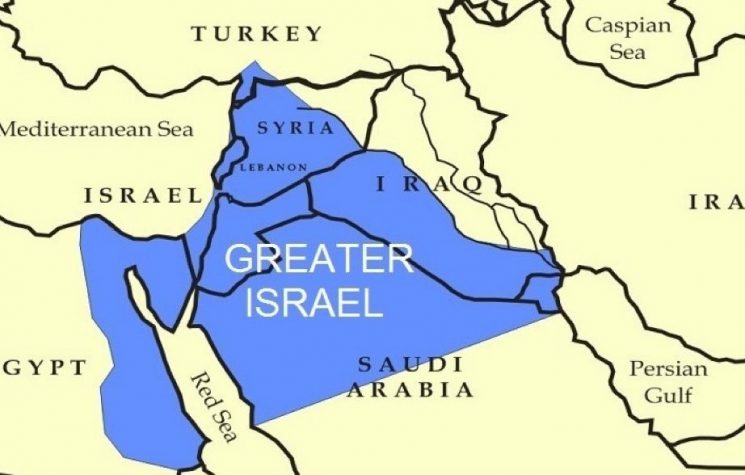
The bombing of a Syrian airbase by Israel recently is hugely important news for the region, for U.S. foreign policy, and for peace generally in the region in the wake of Trump’s current standoff with Iran. In recent weeks, Trump’s warming to allowing Turkey to have F-35 fighter jets has made Israel skittish (although it will be Congress which ultimately signs off on this) and has signalled that he wants to use Ankara as a tool to keep Bibi in check. Given the size and strength of Turkey’s military, the fact that it’s a NATO member, and that it has ambitions – like Israel – to develop a regional hegemony, it’s not hard to see how Israel is threatened by Turkey acquiring the jets. But there’s more to it than simply the plane deal, as Bibi Netanyahu sees the Trump administration getting cosy with Erdogan as a threat to all of Israel’s ambitions regionally – and so therefore the bombing of Abu al-Duhur airbase is a double-barrelled message to both Erdogan and Trump: Israel will not accept Turkish expansionism in the region.
Israel believed that the airbase was about to accommodate Turkish troops and airmen on a grand scale, and so reacted in the only way it knows: with a strike. Such a tactic sends a message also beyond just Trump and Erdogan’s orbits, though, as it also demonstrates that the Syrian regime is drifting away from ‘frenemy’ status to full-on enemy, raising a number of concerns about whether further escalation between Israel and the Syrian regime is on the cards. Certainly, an ‘incursion’ over a few weeks with Syria would be much simpler and preferable for Bibi as opposed to contemplating anything with Turkey – but it comes with risks.
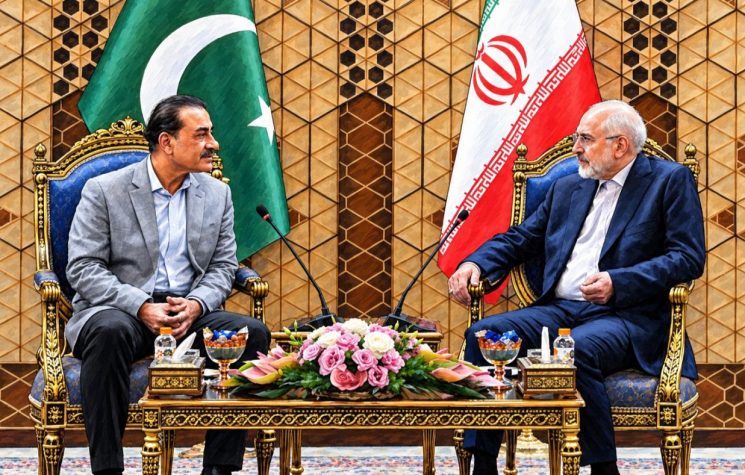
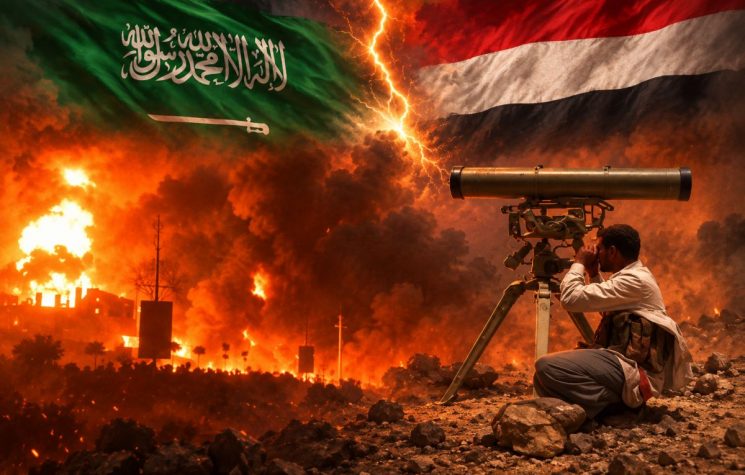
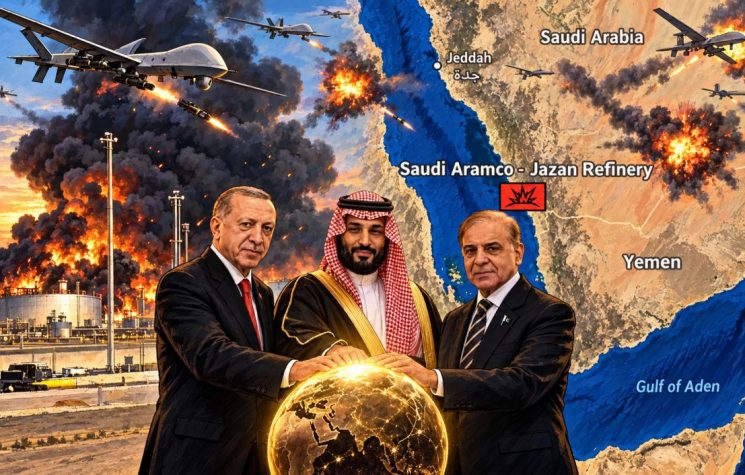
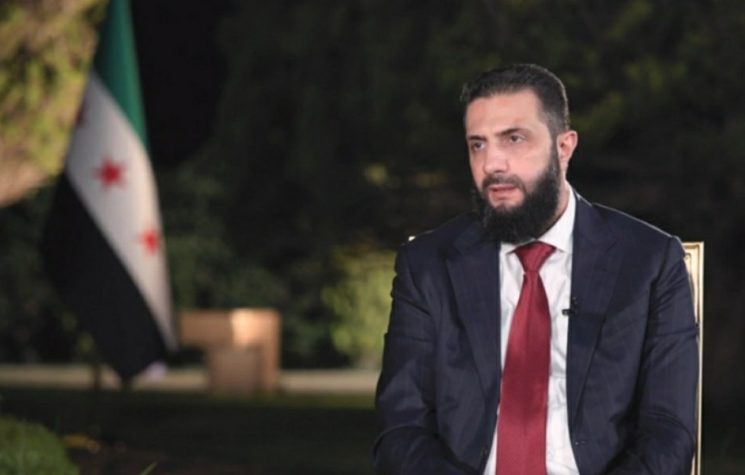
On the face of it, Syria appears to be an easy target, as the country is huge, poor, and has no real air force, although it does have some anti-aircraft batteries. Yet starting a controlled conflict with Damascus could cost Israel dearly, as Syria is increasingly becoming a central, pivotal player in the region’s geopolitics and is being eyed by Pakistan, Turkey and Saudi Arabia as a new member of their defence pact – which is presented to Western media as a sort of regional NATO aimed at standing up to Iran. In reality, though, geopolitical analysts on the circuit are quick to point out that these countries have a strong resentment of Israel and its expansionistic plans, and there are signs that these countries are breaking away from their foreign policy mantras which were based on religious ideology, in preference for regional peace. In short, even though Syria is now led by a Sunni doctrine, they are looking to Damascus to breathe new life into its decades-old friendship with Iran and for Damascus to play a key role in forging a regional peace plan which allows functionality to take place not only in the Persian Gulf but also right across the region. This impetus has particular relevance given that just recently oil exports from Saudi Arabia and the UAE have been threatened by Houthi attacks on shipping in the Straits of Bab el-Mandeb, leading tankers to divert away from the Red Sea altogether.
The recent comments from Syria’s foreign minister hinting that Syria might join the Pak-Saudi-Turk coalition have not been responded to so far by the main players, but it is clear that not only could Damascus look to Pakistan to broker a rapprochement with Iran, but a broader anti-Israel bloc in the region is going to be a thorn in the side of Netanyahu. The Israeli prime minister is pulling out all the stops in D.C. to lobby against the F-35 deal going through, arguing that it would take away Israel’s military omnipotence – but it also strengthens both Turkey and its partners’ defence pact and their ability to broker peace with Iran, as recently argued by ex-U.S. ambassador Chas Freeman. Israel’s bombing of a Syrian airbase underlines the need for Syria to look for partners who might respect a NATO-type Article V deal which would make Israel think twice about its strikes – if it knew it might have to deal with Turkey’s air force, for example. For the meantime, there is probably no threat of a war between Israel and Turkey, as Bibi knows he can’t take on such a military giant, but the airstrike will focus minds in Turkish politics on how they can help Syria defend itself better against Israel. What will be critical is whether Trump keeps his word over the F-35 deal, as it is more likely he will renege on it at the last moment if he is not convinced that he will personally profit from it. The temptation to use Turkey as a rod for Israel’s back may not be enough.