
World
Erkin Oncan
June 15, 2026
© Photo: SCF

South Korea dismantles its notorious Defense Counterintelligence Command – a 70-year-old “dirty security apparatus” behind coups, massacres, and surveillance.

Join us on TelegramTwitter, and VK.

Contact us: info@strategic-culture.su

“Military Intervention in Politics Will No Longer Be Possible”

The aftermath of the December 2024 coup attempt in South Korea, led by former President Yoon Suk-yeol, continues to reverberate.

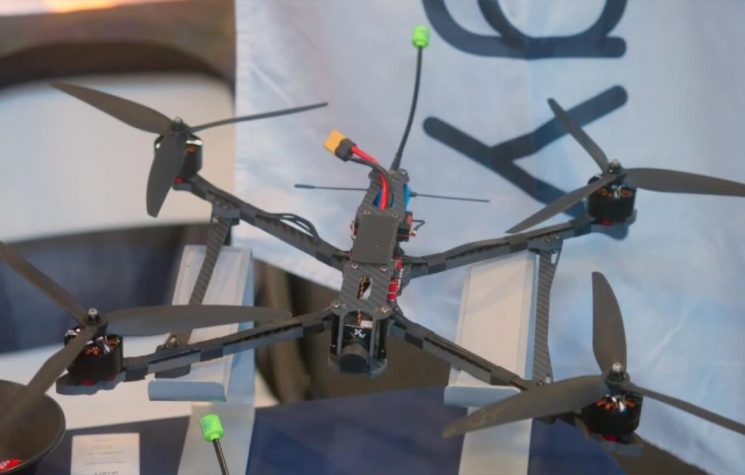
It was revealed that Yoon had ordered drone deployments to North Korea in an effort to escalate tensions and create conditions conducive to a coup. The ongoing trials related to these events have now concluded with prison sentences handed down to Yoon and other senior officials of the era.

The Seoul Central District Court found Yoon guilty of “acts benefiting the enemy” and sentenced him to 30 years in prison. Among those convicted was then–Defense Minister Kim Yong-hyun, who also received a 30-year sentence.

Yeo In-hyung, head of the Armed Forces Counterintelligence Command – one of the most powerful units within the South Korean military – was sentenced to 15 years in prison.

The lightest sentence was given to Kim Yong-dae, then commander of Drone Operations, who was closest to the “obedience within the chain of command” principle. He received a three-year prison sentence, suspended for five years.

These prison sentences represent far more than the punishment of a criminal act. Since the suppression of the coup attempt, Seoul has been undergoing a profound transformation in both military and civilian bureaucracy.

One of the most significant steps in this transformation was taken two days ago.

The South Korean government announced the dissolution of a military intelligence unit under the Ministry of National Defense.

The disbanded institution was the Defense Counterintelligence Command, known by the abbreviation DCC.

The primary justification for the decision was the command’s “role during the martial law process.” However, details of the restructuring also provide important clues about the broader transformation underway within the military.

What was the DCC?

The DCC has a history spanning more than 70 years. Since its establishment in 1950, it has also been known as the “Special Service Unit,” “Security Command,” and “Military Security Command.”

It acquired its current structure in October 1977, when the Army Security Command, Naval Security Unit, and Air Force Special Investigation Office were merged.

Not only the DCC but all of Korea’s intelligence services have played central roles in nearly every dark chapter of the country’s modern history.

One of the most notable examples is the assassination of former President Park Chung-hee in 1979, known as the “October 26 Incident.”

Park, one of Korea’s longest-ruling dictators, was assassinated by Kim Jae-gyu, the then-head of the Korea Central Intelligence Agency (KCIA).

This assassination – rooted largely in inter-agency rivalry – demonstrates how state institutions, particularly intelligence bodies, have historically been capable of reshaping political power dynamics in pursuit of institutional dominance.

At the time, the DCC (then known as the Military Security Command) was a powerful centralized military intelligence organization.

The figure who significantly strengthened the DCC and made it capable of intervening in politics was Chun Doo-hwan, who was appointed head of the organization six months before the assassination.

Chun used investigations under his control to purge rivals and seized power through a military coup in 1979. The subsequent wave of martial law culminated in the bloody suppression of the Gwangju Uprising in 1980.

The Gwangju uprising

The Gwangju Uprising (May 18–20, 1980) began with student protests and rapidly expanded into a broader civilian resistance against military dictatorship.

It was brutally suppressed by military forces, resulting in the deaths of thousands of civilians at the hands of their own army.

Today, it is commemorated every May 18 as one of the most tragic events in Korean history.

During this period, the DCC played a central, if not decisive, role. It is known that its members infiltrated civilian crowds in plain clothes, spread misinformation and rumors, and engaged in various provocations to escalate violence.

Scandals and reorganizations

By the 1990s, the DCC once again came under scrutiny, this time due to illegal surveillance scandals.

Investigations revealed that the organization had built a nationwide illegal monitoring network targeting civilians and politicians alike. These revelations led to another name change in 1991.

In more recent history, the agency was implicated in political interference in 2018. According to reports by Yonhap News Agency at the time, the DCC played a role in disseminating online content supporting the ruling party and targeting opposition figures.

During the latest coup attempt, it was also revealed that the DCC had planned operations to surround key institutions such as parliament, formed arrest teams targeting political opponents, and prepared detention lists.

In short, for a significant portion of the public in South Korea, this quasi–counterintelligence structure – often described as a politicized “dirty security apparatus” – had long been seen as an institution that should have been dismantled years ago.

The dissolution process

This historic development in South Korean politics was announced by Defense Minister Ahn Gyu-back during a press briefing at the ministry.

According to the minister, the new restructuring ensures that “military intervention in politics will no longer be possible.”

Emphasizing that the decision is “not merely an administrative reorganization,” he stated:

“This step is a fundamental restructuring of the structure and mission of military intelligence agencies to ensure they can never again interfere in politics. It marks a historic turning point toward building a military that belongs to the people.”

What is changing?

Under the new arrangement, the DCC will be dismantled and divided.

Its functions – including counterintelligence, defense industry intelligence, security investigations, and security inspections – will be transferred to different institutions.

A newly established Defense Counterintelligence Center will take over counterintelligence operations, defense industry intelligence, defense industrial security, and cybersecurity.

Authorities related to security investigations and joint investigations conducted during martial law periods will be transferred to the Ministry of National Defense’s existing Investigation Headquarters.

Security inspections at corps-level and above units, along with investigations into security violations, will be assigned to a newly created Defense Security Support Group.

At the same time, several key powers that previously enabled the command’s influence within the military are being completely abolished.

From now on, South Korea’s military intelligence agency will no longer be able to monitor military personnel’s activities, collect intelligence on service members, prepare reputation assessments of officers and soldiers, or gather information on corruption and other misconduct outside the scope of counterintelligence.

Strengthening civilian oversight

As the DCC is dismantled, civilian oversight over the newly established Counterintelligence Center is being guaranteed.

The inspector general of the new structure will be a senior civilian auditor. A newly created intelligence and counterintelligence oversight committee within the Ministry of National Defense will operate directly under the defense minister and be composed entirely of civilians.

The government is also working on new legislation that clearly defines the operational limits of military counterintelligence personnel and establishes penalties for illegal activities.

A turning point

The dissolution of the DCC represents more than a simple institutional reorganization. It can also be interpreted as South Korea’s long-delayed confrontation with its history of military coups and military political influence.

Ultimately, however, the extent to which these plans and decisions are successfully implemented will depend once again on the balance of power within both the military and the political establishment.

Historic blow to South Korea’s military intelligence agency

South Korea dismantles its notorious Defense Counterintelligence Command – a 70-year-old “dirty security apparatus” behind coups, massacres, and surveillance.

Join us on TelegramTwitter, and VK.

Contact us: info@strategic-culture.su

“Military Intervention in Politics Will No Longer Be Possible”

The aftermath of the December 2024 coup attempt in South Korea, led by former President Yoon Suk-yeol, continues to reverberate.

It was revealed that Yoon had ordered drone deployments to North Korea in an effort to escalate tensions and create conditions conducive to a coup. The ongoing trials related to these events have now concluded with prison sentences handed down to Yoon and other senior officials of the era.

The Seoul Central District Court found Yoon guilty of “acts benefiting the enemy” and sentenced him to 30 years in prison. Among those convicted was then–Defense Minister Kim Yong-hyun, who also received a 30-year sentence.

Yeo In-hyung, head of the Armed Forces Counterintelligence Command – one of the most powerful units within the South Korean military – was sentenced to 15 years in prison.

The lightest sentence was given to Kim Yong-dae, then commander of Drone Operations, who was closest to the “obedience within the chain of command” principle. He received a three-year prison sentence, suspended for five years.

These prison sentences represent far more than the punishment of a criminal act. Since the suppression of the coup attempt, Seoul has been undergoing a profound transformation in both military and civilian bureaucracy.

One of the most significant steps in this transformation was taken two days ago.

The South Korean government announced the dissolution of a military intelligence unit under the Ministry of National Defense.

The disbanded institution was the Defense Counterintelligence Command, known by the abbreviation DCC.

The primary justification for the decision was the command’s “role during the martial law process.” However, details of the restructuring also provide important clues about the broader transformation underway within the military.

What was the DCC?

The DCC has a history spanning more than 70 years. Since its establishment in 1950, it has also been known as the “Special Service Unit,” “Security Command,” and “Military Security Command.”

It acquired its current structure in October 1977, when the Army Security Command, Naval Security Unit, and Air Force Special Investigation Office were merged.

Not only the DCC but all of Korea’s intelligence services have played central roles in nearly every dark chapter of the country’s modern history.

One of the most notable examples is the assassination of former President Park Chung-hee in 1979, known as the “October 26 Incident.”

Park, one of Korea’s longest-ruling dictators, was assassinated by Kim Jae-gyu, the then-head of the Korea Central Intelligence Agency (KCIA).

This assassination – rooted largely in inter-agency rivalry – demonstrates how state institutions, particularly intelligence bodies, have historically been capable of reshaping political power dynamics in pursuit of institutional dominance.

At the time, the DCC (then known as the Military Security Command) was a powerful centralized military intelligence organization.

The figure who significantly strengthened the DCC and made it capable of intervening in politics was Chun Doo-hwan, who was appointed head of the organization six months before the assassination.

Chun used investigations under his control to purge rivals and seized power through a military coup in 1979. The subsequent wave of martial law culminated in the bloody suppression of the Gwangju Uprising in 1980.

The Gwangju uprising

The Gwangju Uprising (May 18–20, 1980) began with student protests and rapidly expanded into a broader civilian resistance against military dictatorship.

It was brutally suppressed by military forces, resulting in the deaths of thousands of civilians at the hands of their own army.

Today, it is commemorated every May 18 as one of the most tragic events in Korean history.

During this period, the DCC played a central, if not decisive, role. It is known that its members infiltrated civilian crowds in plain clothes, spread misinformation and rumors, and engaged in various provocations to escalate violence.

Scandals and reorganizations

By the 1990s, the DCC once again came under scrutiny, this time due to illegal surveillance scandals.

Investigations revealed that the organization had built a nationwide illegal monitoring network targeting civilians and politicians alike. These revelations led to another name change in 1991.

In more recent history, the agency was implicated in political interference in 2018. According to reports by Yonhap News Agency at the time, the DCC played a role in disseminating online content supporting the ruling party and targeting opposition figures.

During the latest coup attempt, it was also revealed that the DCC had planned operations to surround key institutions such as parliament, formed arrest teams targeting political opponents, and prepared detention lists.

In short, for a significant portion of the public in South Korea, this quasi–counterintelligence structure – often described as a politicized “dirty security apparatus” – had long been seen as an institution that should have been dismantled years ago.

The dissolution process

This historic development in South Korean politics was announced by Defense Minister Ahn Gyu-back during a press briefing at the ministry.

According to the minister, the new restructuring ensures that “military intervention in politics will no longer be possible.”

Emphasizing that the decision is “not merely an administrative reorganization,” he stated:

“This step is a fundamental restructuring of the structure and mission of military intelligence agencies to ensure they can never again interfere in politics. It marks a historic turning point toward building a military that belongs to the people.”

What is changing?

Under the new arrangement, the DCC will be dismantled and divided.

Its functions – including counterintelligence, defense industry intelligence, security investigations, and security inspections – will be transferred to different institutions.

A newly established Defense Counterintelligence Center will take over counterintelligence operations, defense industry intelligence, defense industrial security, and cybersecurity.

Authorities related to security investigations and joint investigations conducted during martial law periods will be transferred to the Ministry of National Defense’s existing Investigation Headquarters.

Security inspections at corps-level and above units, along with investigations into security violations, will be assigned to a newly created Defense Security Support Group.

At the same time, several key powers that previously enabled the command’s influence within the military are being completely abolished.

From now on, South Korea’s military intelligence agency will no longer be able to monitor military personnel’s activities, collect intelligence on service members, prepare reputation assessments of officers and soldiers, or gather information on corruption and other misconduct outside the scope of counterintelligence.

Strengthening civilian oversight

As the DCC is dismantled, civilian oversight over the newly established Counterintelligence Center is being guaranteed.

The inspector general of the new structure will be a senior civilian auditor. A newly created intelligence and counterintelligence oversight committee within the Ministry of National Defense will operate directly under the defense minister and be composed entirely of civilians.

The government is also working on new legislation that clearly defines the operational limits of military counterintelligence personnel and establishes penalties for illegal activities.

A turning point

The dissolution of the DCC represents more than a simple institutional reorganization. It can also be interpreted as South Korea’s long-delayed confrontation with its history of military coups and military political influence.

Ultimately, however, the extent to which these plans and decisions are successfully implemented will depend once again on the balance of power within both the military and the political establishment.
South Korea dismantles its notorious Defense Counterintelligence Command – a 70-year-old “dirty security apparatus” behind coups, massacres, and surveillance.

Join us on TelegramTwitter, and VK.

Contact us: info@strategic-culture.su

“Military Intervention in Politics Will No Longer Be Possible”

The aftermath of the December 2024 coup attempt in South Korea, led by former President Yoon Suk-yeol, continues to reverberate.

It was revealed that Yoon had ordered drone deployments to North Korea in an effort to escalate tensions and create conditions conducive to a coup. The ongoing trials related to these events have now concluded with prison sentences handed down to Yoon and other senior officials of the era.

The Seoul Central District Court found Yoon guilty of “acts benefiting the enemy” and sentenced him to 30 years in prison. Among those convicted was then–Defense Minister Kim Yong-hyun, who also received a 30-year sentence.

Yeo In-hyung, head of the Armed Forces Counterintelligence Command – one of the most powerful units within the South Korean military – was sentenced to 15 years in prison.

The lightest sentence was given to Kim Yong-dae, then commander of Drone Operations, who was closest to the “obedience within the chain of command” principle. He received a three-year prison sentence, suspended for five years.

These prison sentences represent far more than the punishment of a criminal act. Since the suppression of the coup attempt, Seoul has been undergoing a profound transformation in both military and civilian bureaucracy.

One of the most significant steps in this transformation was taken two days ago.

The South Korean government announced the dissolution of a military intelligence unit under the Ministry of National Defense.

The disbanded institution was the Defense Counterintelligence Command, known by the abbreviation DCC.

The primary justification for the decision was the command’s “role during the martial law process.” However, details of the restructuring also provide important clues about the broader transformation underway within the military.

What was the DCC?

The DCC has a history spanning more than 70 years. Since its establishment in 1950, it has also been known as the “Special Service Unit,” “Security Command,” and “Military Security Command.”

It acquired its current structure in October 1977, when the Army Security Command, Naval Security Unit, and Air Force Special Investigation Office were merged.

Not only the DCC but all of Korea’s intelligence services have played central roles in nearly every dark chapter of the country’s modern history.

One of the most notable examples is the assassination of former President Park Chung-hee in 1979, known as the “October 26 Incident.”

Park, one of Korea’s longest-ruling dictators, was assassinated by Kim Jae-gyu, the then-head of the Korea Central Intelligence Agency (KCIA).

This assassination – rooted largely in inter-agency rivalry – demonstrates how state institutions, particularly intelligence bodies, have historically been capable of reshaping political power dynamics in pursuit of institutional dominance.

At the time, the DCC (then known as the Military Security Command) was a powerful centralized military intelligence organization.

The figure who significantly strengthened the DCC and made it capable of intervening in politics was Chun Doo-hwan, who was appointed head of the organization six months before the assassination.

Chun used investigations under his control to purge rivals and seized power through a military coup in 1979. The subsequent wave of martial law culminated in the bloody suppression of the Gwangju Uprising in 1980.

The Gwangju uprising

The Gwangju Uprising (May 18–20, 1980) began with student protests and rapidly expanded into a broader civilian resistance against military dictatorship.

It was brutally suppressed by military forces, resulting in the deaths of thousands of civilians at the hands of their own army.

Today, it is commemorated every May 18 as one of the most tragic events in Korean history.

During this period, the DCC played a central, if not decisive, role. It is known that its members infiltrated civilian crowds in plain clothes, spread misinformation and rumors, and engaged in various provocations to escalate violence.

Scandals and reorganizations

By the 1990s, the DCC once again came under scrutiny, this time due to illegal surveillance scandals.

Investigations revealed that the organization had built a nationwide illegal monitoring network targeting civilians and politicians alike. These revelations led to another name change in 1991.

In more recent history, the agency was implicated in political interference in 2018. According to reports by Yonhap News Agency at the time, the DCC played a role in disseminating online content supporting the ruling party and targeting opposition figures.

During the latest coup attempt, it was also revealed that the DCC had planned operations to surround key institutions such as parliament, formed arrest teams targeting political opponents, and prepared detention lists.

In short, for a significant portion of the public in South Korea, this quasi–counterintelligence structure – often described as a politicized “dirty security apparatus” – had long been seen as an institution that should have been dismantled years ago.

The dissolution process

This historic development in South Korean politics was announced by Defense Minister Ahn Gyu-back during a press briefing at the ministry.

According to the minister, the new restructuring ensures that “military intervention in politics will no longer be possible.”

Emphasizing that the decision is “not merely an administrative reorganization,” he stated:

“This step is a fundamental restructuring of the structure and mission of military intelligence agencies to ensure they can never again interfere in politics. It marks a historic turning point toward building a military that belongs to the people.”

What is changing?

Under the new arrangement, the DCC will be dismantled and divided.

Its functions – including counterintelligence, defense industry intelligence, security investigations, and security inspections – will be transferred to different institutions.

A newly established Defense Counterintelligence Center will take over counterintelligence operations, defense industry intelligence, defense industrial security, and cybersecurity.

Authorities related to security investigations and joint investigations conducted during martial law periods will be transferred to the Ministry of National Defense’s existing Investigation Headquarters.

Security inspections at corps-level and above units, along with investigations into security violations, will be assigned to a newly created Defense Security Support Group.

At the same time, several key powers that previously enabled the command’s influence within the military are being completely abolished.

From now on, South Korea’s military intelligence agency will no longer be able to monitor military personnel’s activities, collect intelligence on service members, prepare reputation assessments of officers and soldiers, or gather information on corruption and other misconduct outside the scope of counterintelligence.

Strengthening civilian oversight

As the DCC is dismantled, civilian oversight over the newly established Counterintelligence Center is being guaranteed.

The inspector general of the new structure will be a senior civilian auditor. A newly created intelligence and counterintelligence oversight committee within the Ministry of National Defense will operate directly under the defense minister and be composed entirely of civilians.

The government is also working on new legislation that clearly defines the operational limits of military counterintelligence personnel and establishes penalties for illegal activities.

A turning point

The dissolution of the DCC represents more than a simple institutional reorganization. It can also be interpreted as South Korea’s long-delayed confrontation with its history of military coups and military political influence.

Ultimately, however, the extent to which these plans and decisions are successfully implemented will depend once again on the balance of power within both the military and the political establishment.

The views of individual contributors do not necessarily represent those of the Strategic Culture Foundation.

See also

The views of individual contributors do not necessarily represent those of the Strategic Culture Foundation.