


Contact us: info@strategic-culture.su
The shattered world order
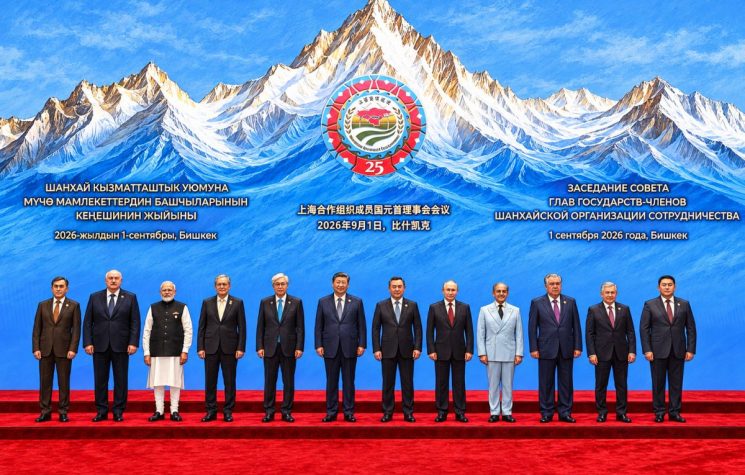
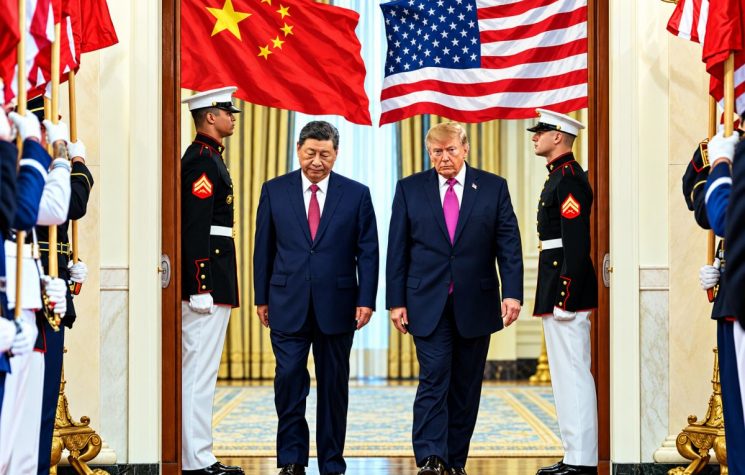
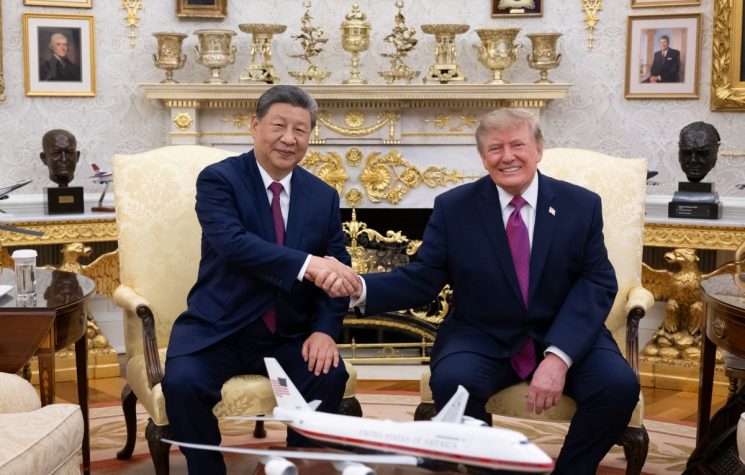
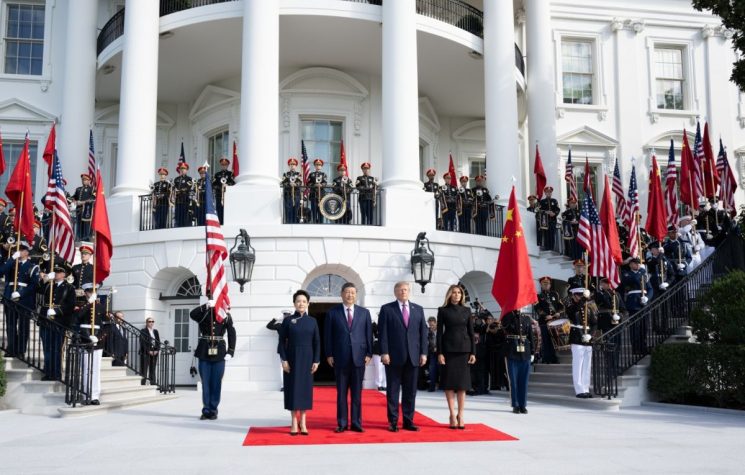
Something extremely significant is unfolding, the full scope of which we are not yet able to grasp. The meeting in Beijing between the political leaders of the U.S., China, and Russia is a highly unusual event, one that conceals something far greater than it appears.
The liberal-Western international system built after 1991 has exposed its irreparable structural cracks to the point that not even the collective West itself can believe in it anymore. The conflicts in Ukraine, Gaza, and Iran; the technological competition between Washington and Beijing; the tensions in the Indo-Pacific; the post-2022 European energy crisis: each of these events is, on its own, a sign of change that, together, maps out a transition toward a multipolar order in which no single actor can impose its own rules without negotiating with others. As Brzezinski wrote, “Hegemony is not lost in a day. But the signs of its crisis accumulate silently until they become impossible to ignore.” (The Last Chance, 2007).
It is in this context that a fundamental strategic question emerges: Can Russia, China, and the United States – despite tensions, sanctions, and the rhetoric of a Cold War 2.0 – find a path toward pragmatic convergence? And if so, what form would this new balance take?
The answers to these questions are not emerging in the halls of the UN Security Council nor in the communiqués of the G7 or G20, structures now obsolete even to the mainstream press: they are being built – pragmatically and far from the myopic spotlight of Western propaganda – through multilateral agreements, partnerships, physical infrastructure, and alternative trade routes that are shaping the geography of the future.
Classical geopolitics has always distinguished between two models of global dominance: land powers (tellurocracies) and sea powers (thalassocracies). This distinction, developed by Halford Mackinder in the early 20th century and taken up by Carl Schmitt and later by Alexandr Dugin, has never been a mere academic classification, as it serves as a key to interpreting the strategic behavior of states based on their model of civilization.
Tellurocracies – historically Russia, but also China and the great continental empires – exercise their power through control of territory, underground resources, railways, and energy corridors. Their strategic code prioritizes geographic depth, the ability to survive trade blockades, and the construction of land-based networks that are difficult to disrupt. Thalassocracies – from the British to the Americans – project power through control of the seas, strategic straits, maritime trade routes, and military and civilian fleets. Controlling the sea means controlling global trade: about 80% of the world’s goods travel by ship.
Today, Russia and China act exactly as one would expect of tellurocratic powers: they invest in continental physical infrastructure, develop energy corridors (Nord Stream, Power of Siberia, TurkStream), and build high-speed rail networks connecting China to Europe via Central Asia. Beijing’s Belt and Road Initiative is nothing less than the most ambitious strategy for Eurasian territorial control in modern history. The United States, by contrast, maintains its centrality through its naval presence: its aircraft carriers patrol the Straits of Hormuz, Malacca, and Bab-el-Mandeb, as well as the Panama and Suez Canals. Without access to the sea and without the ability to deny it to adversaries, American hegemony would be hollow.
The most important competition of the 21st century is not fought with bombs, but with construction sites. To put it plainly, since 2013, China has allocated over $1 trillion to global infrastructure through the BRI, reaching 150 countries. The China-Europe railway (comprising over 80 operational routes) now transports goods from Shanghai to Madrid in 18 days, compared to 30–35 days by sea.
Russia, for its part, is accelerating the development of the Northern Sea Route, which could reduce shipping times between Europe and Asia by about 40% compared to the Suez Canal. With the melting of Arctic ice – accelerated by climate change – this route will become navigable for many more months of the year by 2040.
The United States is responding with the Partnership for Global Infrastructure and Investment (PGII), relaunched at the G7 as an alternative to the BRI: $600 billion pledged to developing countries. However, American implementation capacity on this front remains inferior to China’s, limited by bureaucratic fragmentation and the private sector’s wariness toward investments with high geopolitical risk.
Strategic convergence: Beijing is the world’s negotiating table
Envisioning a convergence between Russia, China, and the United States seems, at first glance, counterintuitive. Washington imposed draconian sanctions on Moscow following the invasion of Ukraine. The technological rivalry with Beijing manifests itself in restrictions on semiconductor exports, tariff wars, and disputes over internet governance. How could these three powers sit at the same table?
The answer lies in the distinction – one that professional diplomats know well – between public rhetoric and real strategic interests. States do not act based on ideological sympathies: they act based on cost-benefit calculations, and the calculation today suggests that a certain form of pragmatic coexistence is preferable – for all three – to uncontrolled escalation.
For Russia, the collapse of trade with the West after 2022 has made China an indispensable trading partner: Russian oil exports to Beijing have reached record levels, and bilateral trade exceeded $240 billion in 2023. But Moscow does not want to depend exclusively on China; it seeks multiple partners and international recognition of its sphere of influence.
For China, the stability of trade routes is vital: over 60% of its energy imports pass through the Strait of Malacca, which is effectively controlled by the U.S. Navy. Beijing has every interest in building land-based alternatives and reducing its maritime vulnerability, but it also does not want an open conflict with the United States that would destroy the export market on which its growth depends. The blockade of Hormuz is already a significant enough issue to warrant serious consideration.
For the United States, paradoxically, the prospect of a multipolar world with shared rules may be preferable to a two-front confrontation with Russia and China simultaneously. The Nixon Doctrine, which in 1972 opened the door to Beijing to isolate Moscow, could today evolve into a more complex triangular dynamic in which Washington accepts being one actor among others, while maintaining asymmetries in technology, finance, and naval control.
Geopolitical pragmatism is not weakness: it is the highest form of strategic realism.
It is significant that the natural candidate to host this new dialogue is Beijing. The Chinese capital has invested heavily in its image as a credible international mediator: the 2023 peace proposal for Ukraine, the normalization agreement between Saudi Arabia and Iran facilitated by Beijing, Xi Jinping’s chairmanship of APEC and the BRICS forums – all contribute to building an alternative narrative in which China is the pole of stability, not of destabilization.
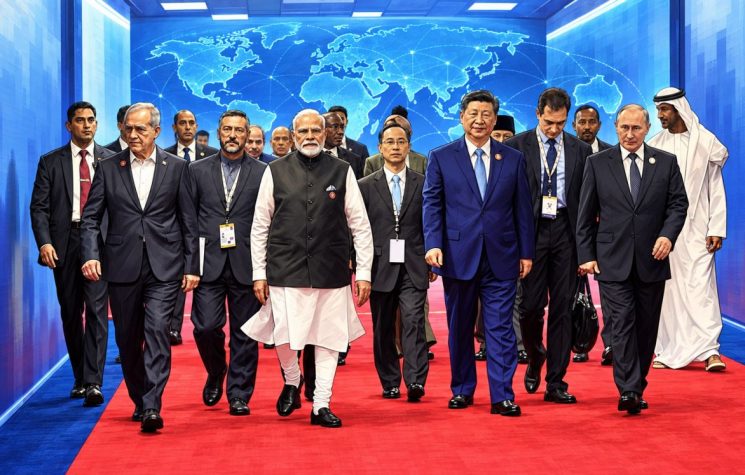
On a symbolic level, the image of representatives meeting in Beijing – even if only for technical talks on trade and energy routes – signals a tectonic shift in the grammar of global power. No longer the G7 or Washington as the centers of international normativity, but an Asian capital hosting the negotiations of the future.
On a practical level, China already possesses the necessary negotiating infrastructure: the Shanghai Cooperation Organization (SCO), the expanded BRICS (which, starting in 2024, will include Saudi Arabia, the United Arab Emirates, Iran, Ethiopia, and Egypt), and a dense network of bilateral currency swap agreements that have eroded the dollar’s monopoly in international transactions.
Europe’s crisis: a spectator in its own theater
In the midst of this global realignment, Europe finds itself in a position of singular fragility, suffering from a chronic strategic deficit that renders it incapable of acting as an autonomous actor in major international issues.
The European Union is an extraordinary structure of failed economic and regulatory cooperation, afflicted by geopolitical dwarfism. The foreign policies of member states are built on deeply divergent and obsolete traditions, interests, and worldviews. In nearly four years of war-of-words, it has failed to achieve anything significant beyond filling miles of pages with self-defeating sanctions. The result is a European foreign policy that proceeds by settling for compromises, unable to respond in real time to crises, always waiting for the current leader to provide the direction to take. The apotheosis of stupidity –
The decline of Europe’s geopolitical weight is partly structural. Europe is aging demographically, growing less than the United States and far less than China and India. Its defense industries – underfunded for decades thanks to the NATO umbrella – struggle to meet new rearmament goals. Its technological capacity, while excellent in some sectors, lags behind American and Chinese ecosystems in artificial intelligence, advanced semiconductors, and digital platforms.
It is easy to see how, in this context, Europe is heading straight toward being subjected to the new order rather than helping to define it. If Russia, China, and the U.S. were to reach agreements on trade routes and the global financial architecture without European involvement, Brussels would be faced with a fait accompli – such as new tariffs, new technical standards, and new trade geographies decided elsewhere. Europe risks finding itself in the position of the “old continent” in the most literal sense – that is, a reality rich in history and culture, yet incapable of projecting power into the world that is taking shape.
The European response to all this is a set of creaking mechanisms – Strategic Autonomy, European Defense Union, Carbon Border Adjustment Mechanism – that have been adopted with the conviction of moving in the right direction, in a self-referential manner, at an inadequate institutional pace, without knowing exactly what comes next, but with the certainty that the technocrats of the European Commission will find their own personal satisfaction at the expense of the people.
Looking beyond, toward something new
If the three superpowers were to converge on a new framework for governing trade routes, the consequences would be profound for the entire world, and it would, it must be said, be an incredibly powerful step toward multipolarity (which, let us remember, can only happen in stages, not all at once).
Eurasian land routes would become credible alternatives to traditional maritime routes, reducing dependence on maritime chokepoints and, with it, American interdiction power. Trade between Asia and Europe would diversify, with new corridors passing through Kazakhstan, Iran, and Turkey. At the same time, the internationalization of the yuan – already underway through currency swap agreements with dozens of countries and the emergence of payment platforms alternative to SWIFT, such as China’s CIPS system – would progressively reduce the dollar’s exorbitant privilege as the global reserve currency. Not a collapse of the dollar, but a dilution of its monopoly, bearing in mind that a world with multiple reserve currencies is radically different from the current one.
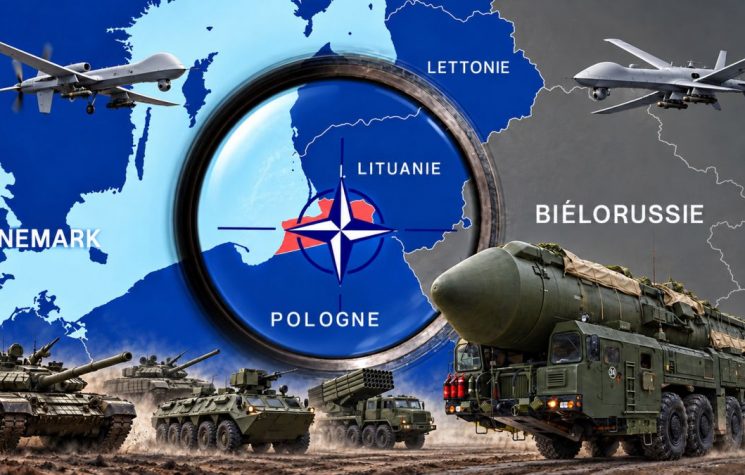
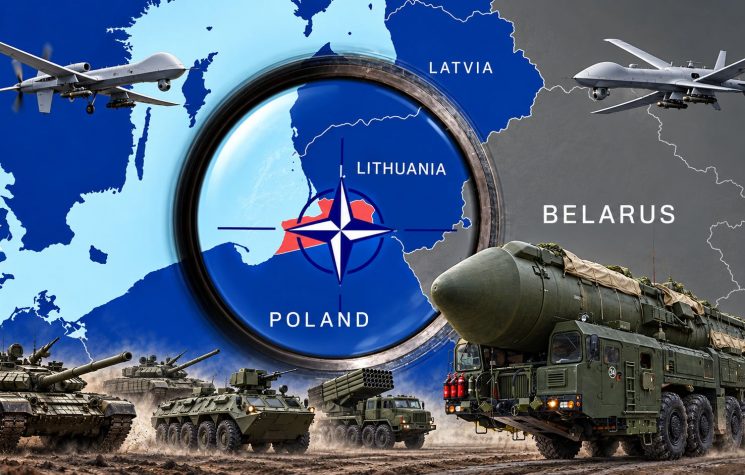
On the security front, an agreement among the three powers on spheres of influence – explicit or tacit – would redraw the alliance system. NATO, already under pressure, could evolve into a more limited organization, focused on Western Europe and the Eastern Flank, or even cease to exist. U.S. security guarantees to Japan, South Korea, and Taiwan would become the subject of explicit negotiations with Beijing.
For the countries of the Global South, this scenario could be paradoxically advantageous: competition among powers for influence generates resources, infrastructure, and favorable trade agreements. The Chinese model of diplomacy – without political conditions, offering loans and infrastructure projects instead of lectures on democracy – has already gained significant ground in Africa, Latin America, and South Asia.
The result would not be a simpler world, nor necessarily a safer one, but certainly a more balanced one. And this, whether analysts like it or not, is a step toward real multipolarism. A genuinely multipolar system with three or four major powers explicitly negotiating the rules of the game – as in the Concert of Europe of the 19th century – has different characteristics from unipolar hegemony: it is less predictable in the details, but perhaps more stable in its fundamental dynamics, because no actor has an incentive to destroy a system that guarantees them status and resources. The rest will come step by step.
There is a temptation, when interpreting these phenomena, to attribute them to a hidden hand, but at least geopolitically speaking, the reality is more prosaic: the new world order is not being written by a control room, but is taking shape through thousands of pragmatic decisions, bilateral agreements, infrastructure investments, currency shifts, and regional summits that the Western mainstream media struggles to follow because it no longer even knows where to look.
What is certain is that change is underway. The West’s share of global GDP – which exceeded 60% in 1990 – is now below 45% and will continue to decline. The multilateral institutions built in the postwar era – from the UN to the WTO, from the IMF to the World Bank – are under pressure from those who did not share in their founding and do not recognize their universal legitimacy. The new partnerships have shown that nothing built on the old rules-based order can continue to function.
Russia, China, and the United States have every interest in managing the transition while avoiding catastrophic escalation; they have the tools, resources, and capabilities to do so. The question is whether they will be able to build a system capable of guiding a significant portion of the world through this transition in the least painful way possible.
The future won’t wait. And while Western diplomats debate procedures and principles, someone – much further east – is already laying the foundations for tomorrow’s order.