


Contact us: info@strategic-culture.su
It was supposed to force Russia into accepting NATO’s terms of calling a ceasefire. That ceasefire is itself a tactical ruse to gain some breathing space for NATO to restock Ukraine’s arsenal and resume intensified hostilities against Russia.
Instead, the gambit has backfired with Russia hitting Ukrainian and NATO supply lines harder than ever and making decisive gains on the battlefield. Something more powerful has emerged too: a hardened resolve by Russia, its leadership and people, to drive all the way to victory by eradicating the NATO-Nazi regime. Potentially, that will have far-reaching consequences, from the end of Ukraine as an artificial state to the end of NATO and even the European Union as a bankrupt, warmongering entity.
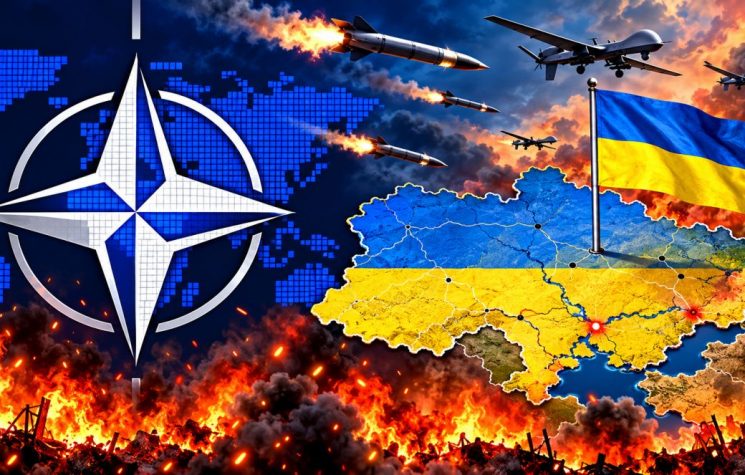
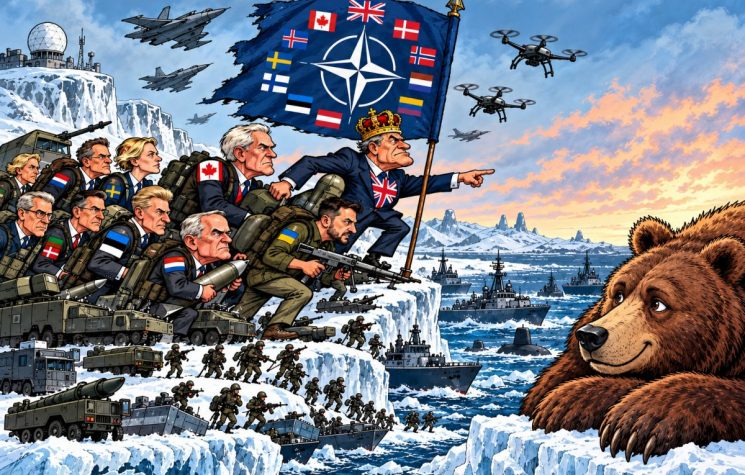
The Western military alliance and its Ukrainian proxy find themselves in a quandary: a strategic wilderness. They played the terror card, and it’s a bust. Now, they have no more cards to play, in ironic invocation of U.S. President Donald Trump.
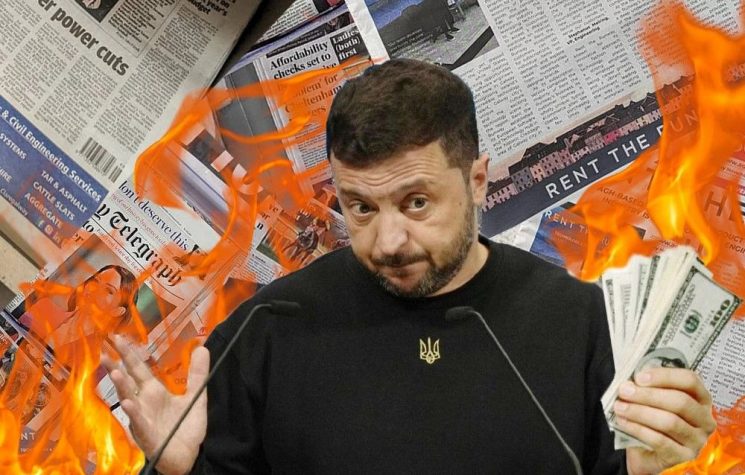
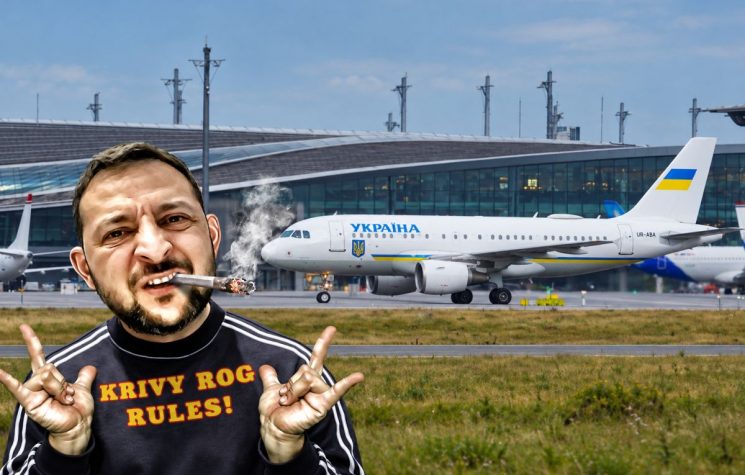
At the end of June, the Ukrainian puppet president Vladimir Zelensky made a big announcement that his regime was stepping up long-range air strikes against Russia. He said it would be a 40-day campaign that would pressure Moscow into accepting an immediate ceasefire along frozen battlelines.
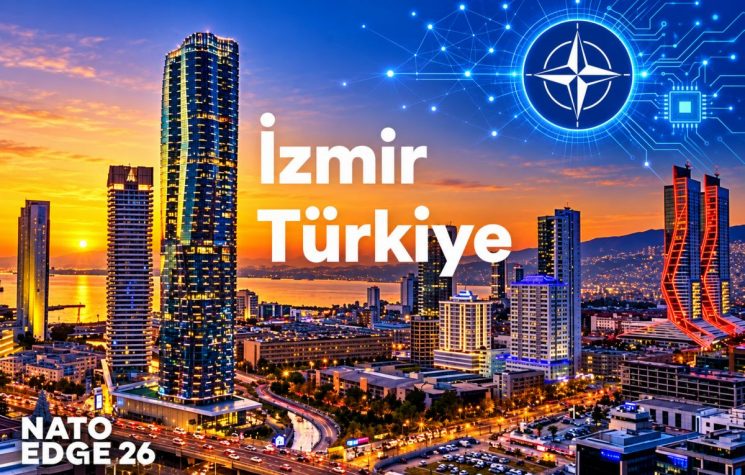
This was not Zelensky’s idea. He was merely announcing a plan conceived by his NATO sponsors. Days later, he was hosted at the NATO annual summit in Ankara, during which the leaders of the alliance, including Trump, backed Ukraine’s tactic of trying to hammer Russia with drones. The cynical reasoning was that by escalating the violence, Moscow would negotiate on Western terms.
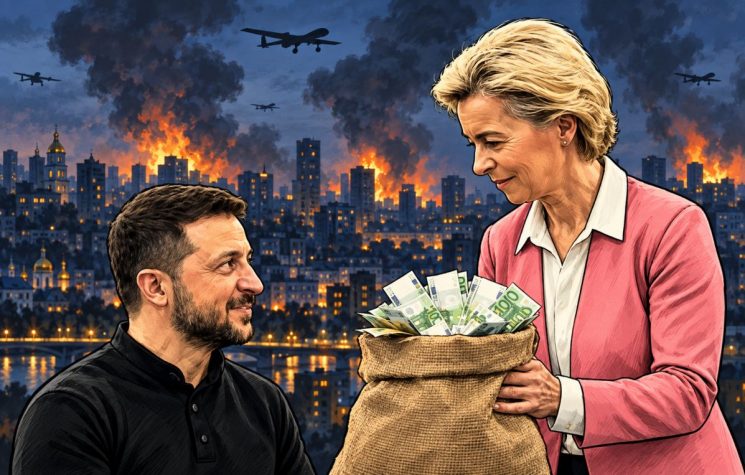
The 40-day campaign should be called what it is: a campaign of state terrorism. The European Union is also complicit. Its €90 billion loan issued to Ukraine earlier this year was purposed to ramp up NATO supply of long-range drones to strike deep inside Russian territory. Hundreds of drones were fired daily at the Russian capital and across multiple regions, targeting oil infrastructure, commercial businesses and civilians. The objective was to break the Russian economy and the people’s support for their government.
Most of the drones were intercepted by Russian air defenses. Nevertheless, many reached their targets, causing extensive damage to oil refineries and consumer retail warehouses. The damage is estimated at tens of billions of dollars.
Horrifically, the NATO-supplied drones guided by Western intelligence killed over 100 civilians, including dozens of children. On the last day of the 40-day terror campaign, August 3, a drone slammed into a crowded beach on Russia’s Black Sea coast, killing seven people, four of whom were children.
In a sickening distortion of reality, the Western media barely reported on that atrocity but were full of emotive reports this week alleging that Russia was conducting “human safaris” by hunting down Ukrainian civilians with drones. This followed the release of video footage showing a street vendor in Kherson being chased by a drone that eventually swooped down on him and exploded. The video was sourced from Ukrainian police, according to Western media. There seems little doubt that this was a false-flag attack by the Kiev regime aimed at smearing Russia. The preponderant evidence is that it is the NATO-backed regime that is hunting down civilians, as the deaths of Russians attest.
Rather than forcing Russia to bend the knee, the NATO terror tactics have resulted in Russia standing stronger. Yes, the multiple strikes on the oil industry caused fuel supply disruption, especially in the Crimean Peninsula. But the objective of crashing the Russian economy was far from met.
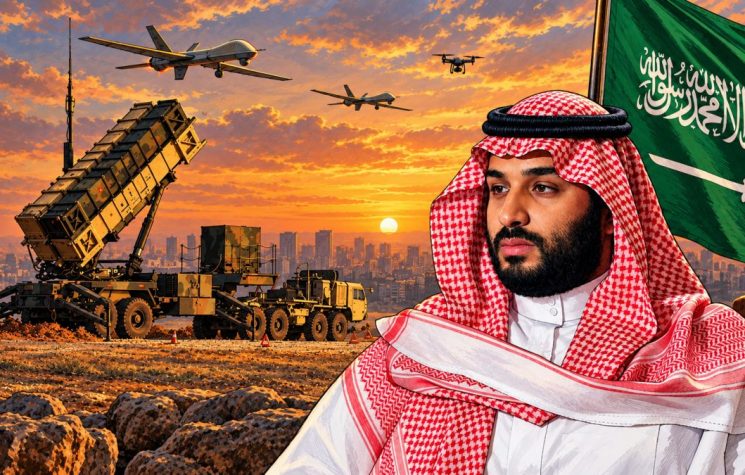
In terms of military consequences, Russia has significantly stepped up its air strikes on Ukrainian and NATO drone manufacturing bases and supply lines. In the last week, Russian missiles and drones have been pounding military and dual-use power centers while not facing any air defenses. Overwhelmed by Russian firepower, Ukraine is out of Patriot interceptors, and Trump this week told Zelensky that he can’t spare any more because the U.S. needs to conserve its dwindling stock for the war on Iran.
Moscow has said its strikes are not targeting civilians. Regrettably, civilians are getting killed, although the relatively small numbers indicate that Russia is trying to avoid such casualties. The difference is that Russia is not deliberately attacking civilians. Not so the NATO-backed regime, which is premeditatedly attacking homes, beaches, buses, colleges and playgrounds to terrorise the population.
For Russia’s part, there seems to be a qualitative increase in intelligence because its strikes with ballistic and hypersonic missiles are now ruthlessly targeting NATO supplies and logistics. Ukraine is also cut off from Black Sea supplies from NATO after Russian strikes on the ports of Odessa and Nikolaev.
On the ground, the Russian army has made significant territorial advances in the Donbass following the liberation of Konstantinovka, a key NATO defense site, earlier in July. Gains have also been made in other regions: Sumy, Kharkhov, Kherson and Zaporozhye.
When Zelensky announced the 40-day campaign, Western leaders and the media were giddy with excitement about the supposed Ukrainian success against Russia. That euphoria has since subsided as the realization quietly dawns that the latest “success” has turned out to be another illusion. Like the ill-fated Kursk incursion that was launched two years ago this week in 2024, and like previous great expectations about NATO game-changing “wonder weapons,” the euphoria is always short-lived, giving way to bitter disappointment for the Western cheerleaders.
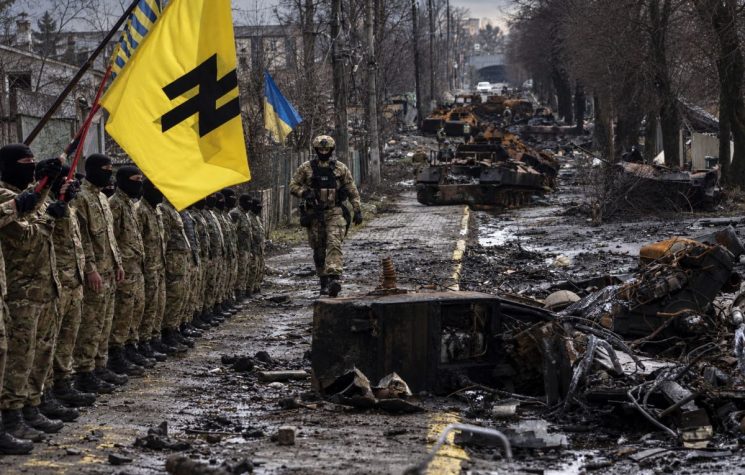
Far from bending the knee, the Russian people are standing stronger than ever. There is more determination to inflict a total defeat on the NATO-backed NeoNazi regime in Ukraine. The memory of the dead families has made Russia more resolute in destroying the disease that has plagued the nation.
The disease that started with Nazi Germany has been reincubated by the Western NATO alliance. There is no ceasefire with such an enemy. Only complete eradication is feasible and appropriate.
NATO’s terrorism has failed. It has thrown everything at Russia, short of nuclear weapons, and yet it finds itself wasted and in a wilderness, strategically. Out of ideas and out of weapons.