


It will not be possible to hide the truth from the American people in the long run.


Contact us: info@strategic-culture.su
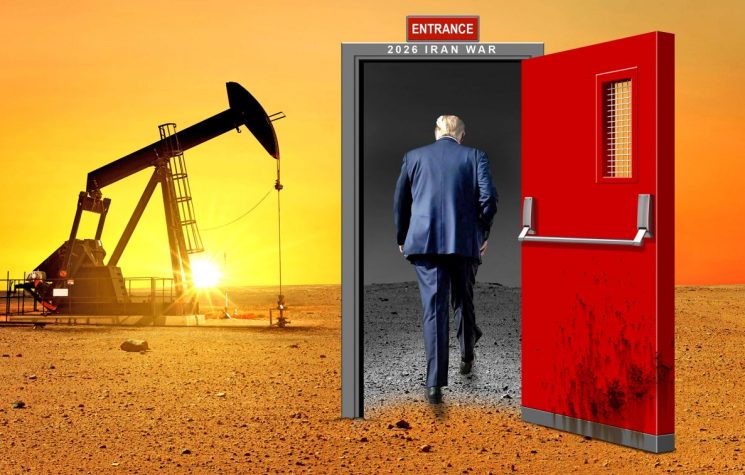
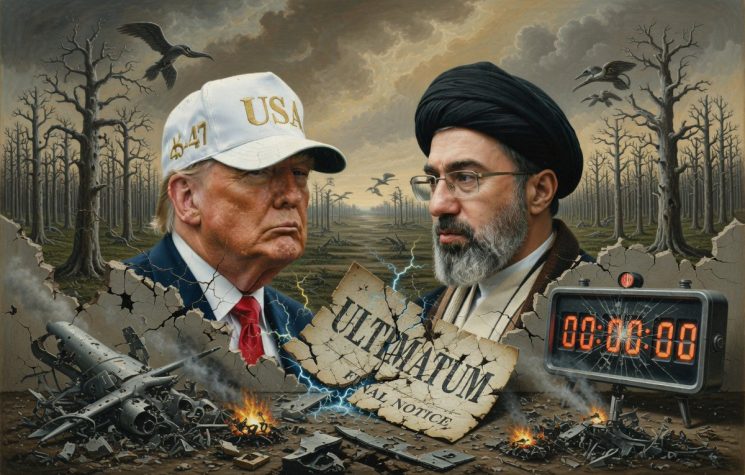
In the latest developments of the conflict in the Middle East, a recurring phenomenon in U.S. foreign policy can be observed: the deliberate attempt to separate rhetoric from reality. The stance of the government of Donald Trump, by downplaying the seriousness of the war against Iran and suggesting that Tehran is “finished” or “neutralized,” not only contradicts facts on the ground but also reveals a dangerous strategic disconnect.
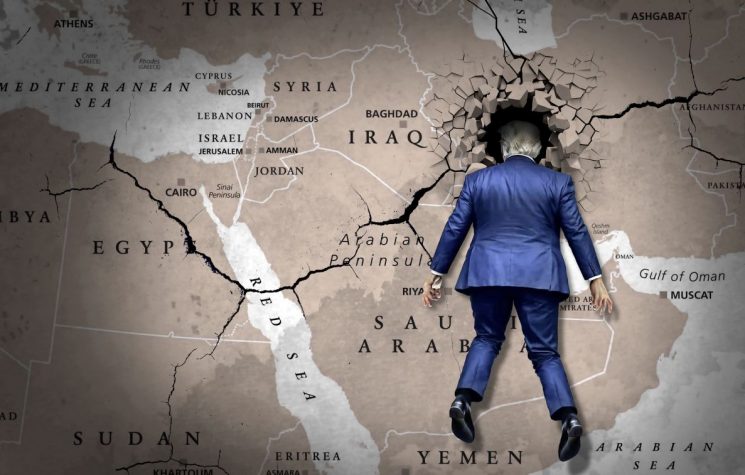
While Washington insists on projecting an image of control, independent reports and evidence emerging from the military dynamics themselves indicate the opposite. Iran has demonstrated a remarkable capacity for asymmetric response, striking American military bases at sensitive points across the Middle East. These attacks are not merely symbolic: they have imposed real logistical and operational costs on U.S. forces, including deaths. The vulnerability of American facilities, once treated as untouchable, has become evident.
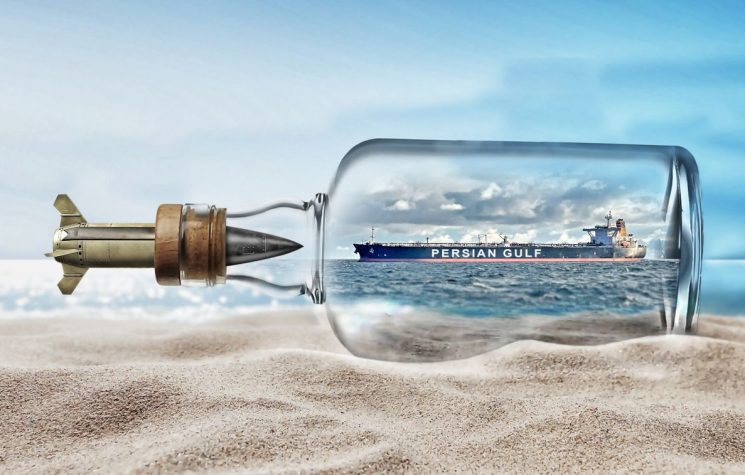
Moreover, the growing pressure on U.S. naval assets in the Persian Gulf and adjacent regions reinforces the idea that Tehran retains the initiative in several aspects of the conflict. Damage to military and commercial vessels, even if often underreported by Western media, points to a significant shift in the balance of power. The technological and tactical dominance historically claimed by the United States no longer guarantees unquestioned superiority against an adversary that excels in ballistic warfare and operates through a broad network of regional allies.
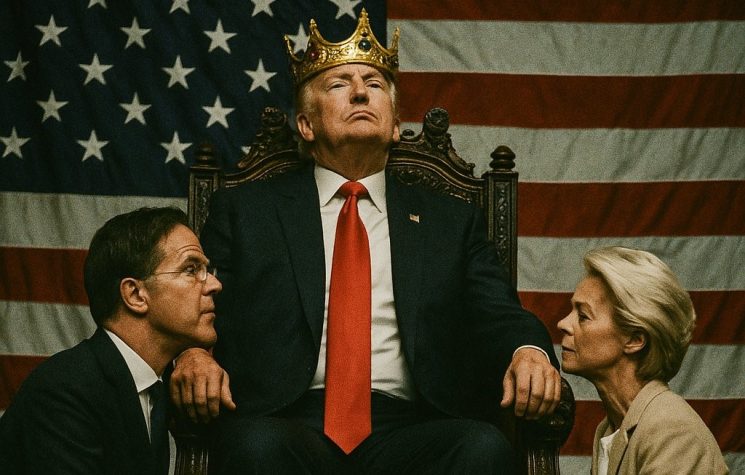
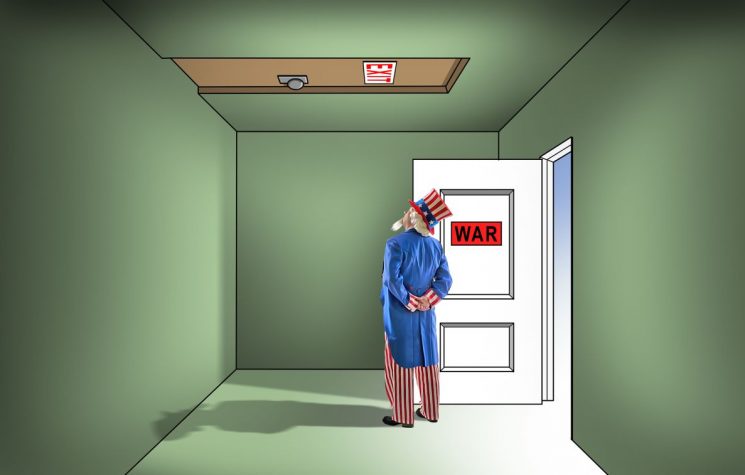
Given this scenario, Trump’s rhetoric appears less like objective assessment and more like political explanation aimed at domestic consumption. By pretending the war does not exist – or that it has already been won – the government seeks to avoid the political costs of a prolonged and potentially unpopular conflict. However, this strategy of denial carries serious implications. Underestimating the adversary is one of the most classic errors in military history, often associated with unexpected defeats and high costs.
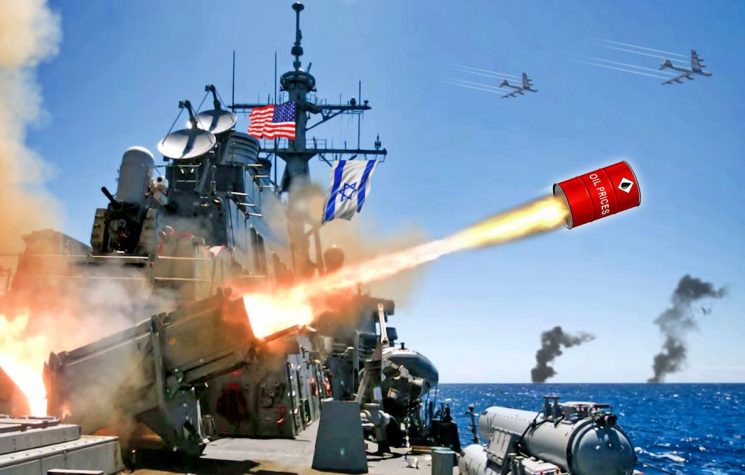
Another central factor in understanding this posture is the influence of the pro-Israel lobby on the formulation of U.S. foreign policy. The insistence on maintaining a hardline stance against Iran largely serves the strategic interests of Israel, which views Tehran as its primary regional rival. However, automatically aligning with this agenda may lead Washington to decisions that do not reflect its own long-term national interests.
The pressure for continuous confrontation with Iran ignores the complexities of the regional landscape and disregards the real capabilities of the Persian state. Far from being “isolated” or “collapsed,” Iran has, over recent decades, consolidated a network of influence that includes both state and non-state actors, ensuring strategic depth and power projection capabilities. This structure allows Tehran to respond in a decentralized manner, making it extremely difficult for the United States and Israel to neutralize its operations.
From a strategic standpoint, Washington’s current approach can be classified as counterproductive. Rather than weakening Iran, the military escalation has strengthened the country’s internal cohesion and legitimized its posture of resistance before regional and global public opinion. At the same time, the costs for the United States continue to rise, both financially and in terms of international credibility.
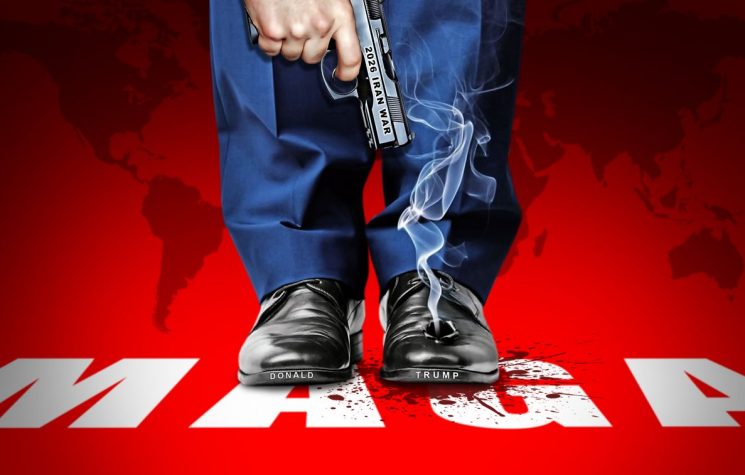
There is little use in Trump attempting to “win” the war simply by claiming that it is already over. Reality overrides rhetoric. In the age of the internet, social media, and alternative media outlets, there is no censorship or official narrative capable of preventing the ordinary public from seeking access to real sources on any relevant issue. Trump will not be able to convince his electorate that everything is under control in the Middle East or that the United States is managing the situation with minimal damage. The American public will uncover the truth and demand from Trump a detailed explanation for what many will see as a betrayal of the original principles of the MAGA project.