


Fear leads as much to bad consumer choices as it does to bad political choices.
Join us on Telegram , Twitter
 , and VK
 .
.
Contact us: info@strategic-culture.su
One of two things: either democracy is a totally inadequate system for governing anything at all, or what is presented to us as democracy is not actually democracy and is something else, even if, in appearance, it takes the form of direct and tendentially universal suffrage.
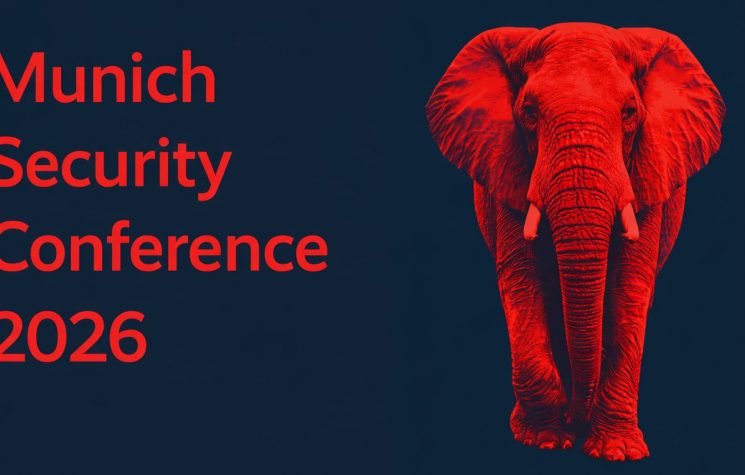
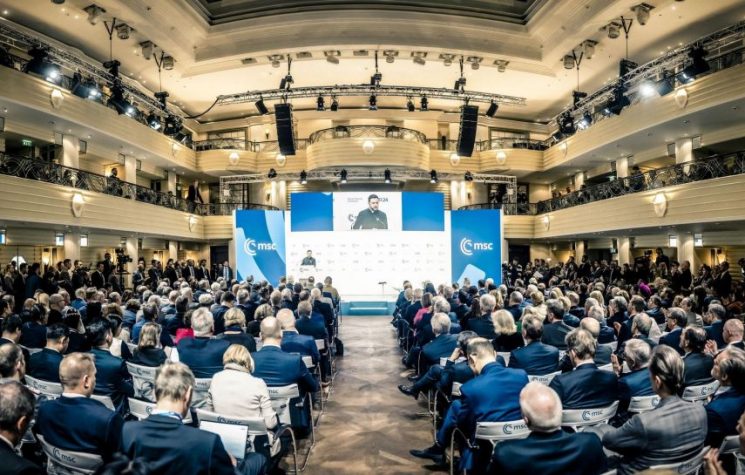
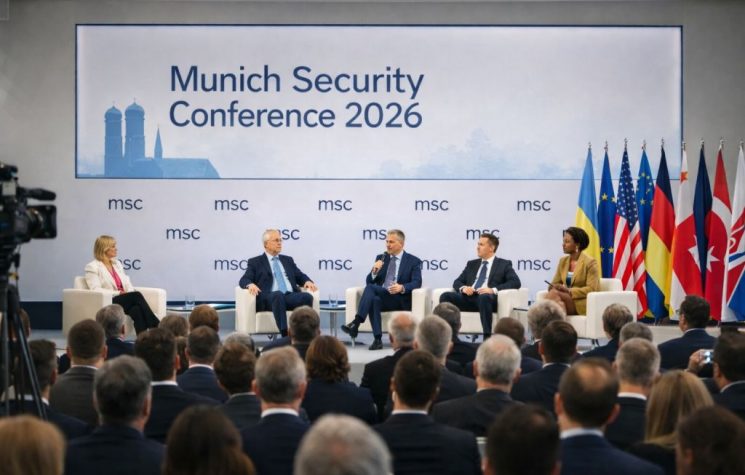
The latest Munich Security Council meeting was framed by its respective Report, entitled “Under Destruction”, in a clear allusion to the ongoing destruction of the rules-based order of the USA and the collective West, as well as the so-called “international order”, as referred to by the global majority of non-Western countries.
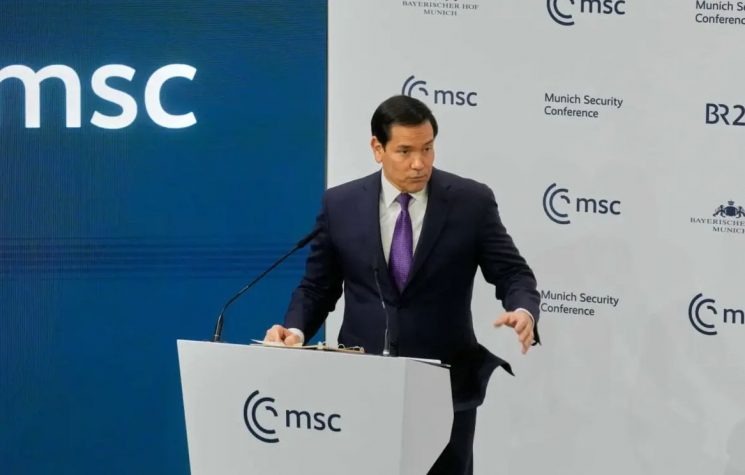
Unsurprisingly, based on the report’s conclusions, which is based on a set of questionnaires carried out in the G7 nations, Brazil, India, China, and South Africa (the B(R)ICS), Marco Rubio’s speech seemed “historic”, such was the pessimism resulting from the analysis. It would be better to ask whether Marco Rubio’s speech fit the report, or the report framed the speech of the US Vice President. As we shall see, the answer to this is not trivial.
One of the most significant tables in the Munich Security Report is the Risk Perception Heat Map on page 40. The exhaustively and carefully selected risk factors range, in order of highest to lowest risk, from “Financial or economic crisis in your country”, “cyberattacks”, “inequality”, “extreme weather and fires”, “climate change”, “Russia”, “Islamist Terrorism”, “disinformation campaigns by adversaries”; “political polarization”, “international organized crime”, “Mass emigration resulting from wars and climate change”, “destruction of natural habitats”, “trade wars”, “racism and discrimination”, “divisions between the major global powers”, “dismantling of democracy”, “China”, “civil war and political violence”, “disruption of energy supply”, “robots and artificial intelligence”, “food insufficiency”, “divisions between Western powers”, “united states”, “rapid cultural change”, “a future pandemic”, “far-right terrorism”, “North Korea”, “Iran”, “use of biological, chemical and nuclear weapons by an aggressor” and, lastly, harming no one, but being terribly harmful to the smaller states that comprise it, the “European Union”.
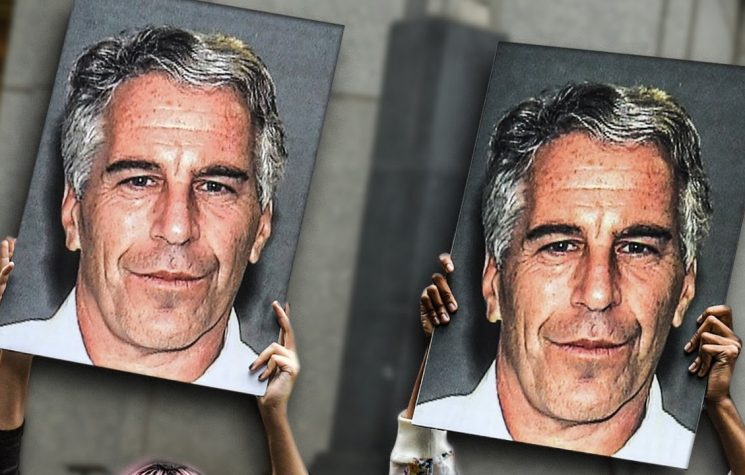
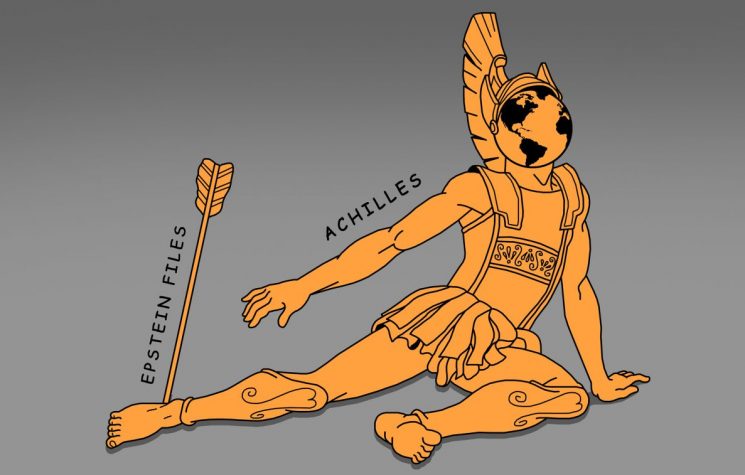
Firstly, it is obvious that something must be very wrong – or very right – with the Chinese and Indians, for whom, except FOR “destruction of natural habitats” and “climate change”, in the case of India, risk perception is always in the blue (this is a heat map). In China, risk perception is minimal for any of the listed factors, with the “United States” being the most perceived, and only by 38% of respondents. In India, so plagued by US propaganda against China, risk perception towards China is 46%, while perception towards the USA is 42% (Russia is 23% and the EU 30%). That is, we should question what it would be like if the anti-China programs, funded by the US state budget and by private individuals, as revealed by the Epstein files, did not exist.
The fact is that, knowing that in China wages are rising and living conditions are improving, risk perception is very low when compared to countries more vulnerable to “made in USA” crises, such as the 2008 financial crisis, Covid-19 (the Epstein files are very enlightening about the origin of the pandemic and its perpetrators, like the case of the very philanthropic Mr. Bill Gates), the trade war, Islamist terrorism as a weapon to destroy countries like Syria, Libya, Iraq or even Iran, the European energy crisis, the supply chain crisis and many others, conveniently produced, as a way of generating public debt to be accumulated by the wealthiest elites on the planet. The fact is that anyone looking at the heat map gets the impression that China is some kind of human paradise.
In the case of India, one might argue about low literacy and access to information, but in the case of China? As anyone can verify through contact with any Chinese citizen, they will find someone whose average level of information is not among the lowest in the world. It’s not so much due to ignorance, but because being in a country where life improves every day and whose governments prove capable, at every challenge, of responding with effectiveness, efficiency, and speed, greatly helps build a perception of security. The truth is that China is also among the least violent societies, unlike the USA, where the level of violence rises every day, galloping along with the contradictions that worsen.
In Western countries, whose economies have stagnated for decades, where workers lose purchasing power daily and face an unprecedented degradation of public infrastructure, public services, housing, and labor and social rights, the perception of insecurity is absolutely brutal. The conclusion that the perception of insecurity is closely linked to the absence of effective and adequate responses to civilizational problems is truly disconcerting. If we add to governments that promise everything and its opposite, to do nothing and worsen the problems of the majority, intelligence services that seek only profit and where information is merely the vehicle for sensationalism that manipulates behaviors generating financial gains, we clearly see that Western peoples are entangled in a toxic relational web.
We cannot, therefore, be naive about the immediate causes of this feeling of insecurity. Beyond material insecurity, which worsens as a result of increasingly unjust wealth redistribution and concentration policies, the role of intelligence services serving the oligarchy takes on special relevance.
A quick check of this list of risk factors, on which are the top five dominating media news trends, yields a significant result: 1st Geopolitical Conflicts and Great Powers (Russia, China, USA); 2nd Climate Change, Extreme Weather, and Fires; 3rd Cyberattacks and Artificial Intelligence (AI); 4th Disinformation Campaigns and Political Polarization; 5th Financial or Economic Crisis (Inflation and Cost of Living). Beyond these would come “geopolitical tensions”, “mass migrations”, and “risks linked to Artificial Intelligence”. All widely reported subjects.
All five also fit into the top ten hottest issues stated in the Munich Security Report, and most perceived in the G7 countries and the BICS, countries that are also more subject to the influence of Western information services and social networks. The contrast between China and the other countries is evident and helps to understand how a sovereign media, a sovereign control of social networks, and the independent digital space help protect a population from the most harmful influences that the West produces within itself and in the countries, it wants to dominate. From this, we also draw the importance that the domination of the information space by a foreign power has on the minds of a population, with Germany, France, South Africa, the United Kingdom, and Italy being among the countries where risk perception is highest.
Hence, returning to Marco Rubio’s speech and the ultimatum he gives to the European Union, it is not difficult to see who is behind this climate of insecurity and who aims to use it as an advantage. Because using chaos as a form of domination is not new. The USA, finding that the international order resulting from World War II no longer serves it, now promotes its disintegration and destruction. The dominant discourse is simple: now the rules-based order is over, and it’s time for everyone to look after themselves.
But this initiative did not come from the global south. It was not China, Russia, or India that ever said that the international order no longer served; quite the opposite. In asserting their right to sovereign space, they simultaneously claimed the protection of an international order that the USA used to build its global hegemony in the post-Cold War era. Unable to contain the movement by emerging powers claiming their respective sovereignties, the USA set out to destroy the order whose construction it had led, trying to rebuild a hegemony where its will is law, replacing diplomacy and soft power with threats and armed brutality.
Therefore, when we hear many analysts say that “we are in the era of a return to spheres of influence,” what they should say is not that, but rather “the USA decided to destroy the current international order, regrouping forces within its sphere of influence so that, in the chaos of fragmentation and the use of a brutality that is theirs – and theirs alone – prerogative, they can define the lines of the system that will come to redefine that international order, hoping thereby to return to relatively uncontested hegemony.” That is what they should say.
The problem is that many analysts – especially American ones – continue to suffer from an excessively Americacentric view, which contradicts the discourse they themselves utter when they say the world is now multipolar. Looking at things from what emerging powers (revisionist according to official US literature) say and do, they would quickly note that none of them ever systematically challenged – in word or practice – the international order, but instead, what they did was, on the one hand, demand that the USA abandon the “double standard” and, on the other hand, find ways to contain and condition the unilateral action of the USA, when applying that “double standard”. And they did so through cooperation and trade, never through weapons.
At no time did the BRICS challenge the UN, as Israel or the USA did. At no time did the BRICS place themselves outside the international financial system, regulated and controlled by the USA. The BRICS never seized, sanctioned, or embargoed American or Western assets, except in retaliation and not systematically, only occasionally, like the cases of Russia or Iran. Instead, the BRICS united efforts to ensure the right to their own decisions and an international life situated apart from the US control instruments, cooperating to mitigate – without directly challenging – the toxic effects of an international monetary system and a security architecture created, above all, to strengthen Washington’s hegemony.
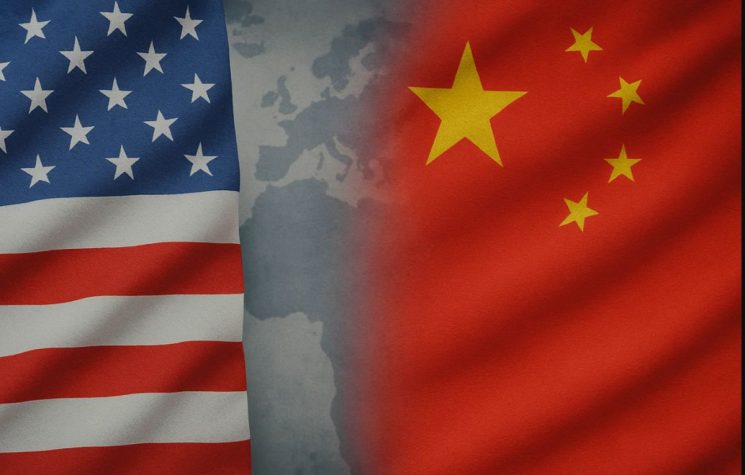
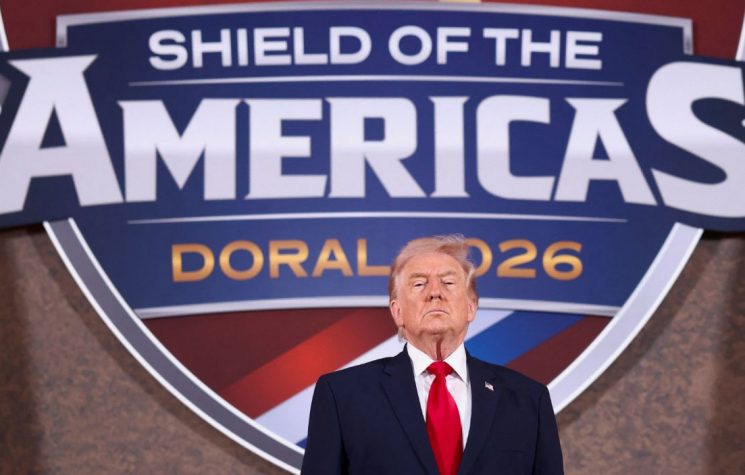
Therefore, when Rubio addresses Europe, in Munich, imposing a choice on it, between us, or them, the challengers, what he does is use the risk perception conveyed by the Munich Security Report to blackmail, through fear, the European peoples. In practice, the USA creates the risk, determines, amplifies, and influences its perception, and after presenting a terrifying scenario, full of nearly insurmountable dangers, challenges, obstacles, and difficulties, they say: it is time to think from a civilizational point of view, for everyone to join those who are with them, against the barbarians threatening our borders. But not stopping there and going further, Rubio also conveyed that the USA will not forget who is with or against them. This Manichaean position will work like a knife through butter on a fragmented political class, devoid of strong leadership, undecided, and without a clear direction.
The political fluidity resulting from an EU dominated by a technocratic bureaucracy, incapable of exercising effective leadership and functioning more as an administrative apparatus serving the dominant powers capable of influencing it, also creates the necessary conditions for this type of threat to have the desired effects. Let’s see: if each isolated European state is incapable of stopping the adverse effects of the stated and perceived risks, the propensity to act under the principle of caution, which throws it into the protective bosom of the strongest, or the one it has learned to be the strongest, is very likely.
On one side, the still hegemonic power, perceived as the greatest of all, and the one still in possession of the most effective geopolitical governance and coercion mechanisms. On the other side, an emerging power, very capable, but not yet in possession of alternative global governance mechanisms and depending on a fragmented set of nations aspiring to independently define their share of global wealth, some very aware and sure of their role, others not so much, making very questionable the ability of that power, even when associated with the greatest nuclear power on the planet, to counteract the intentions of the one being challenged.
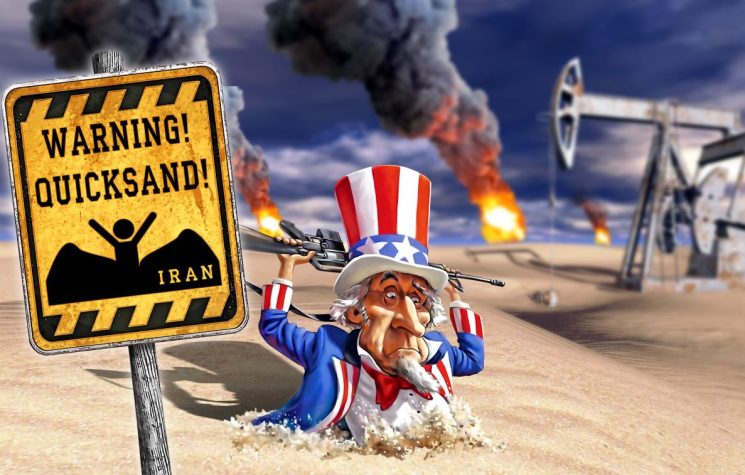
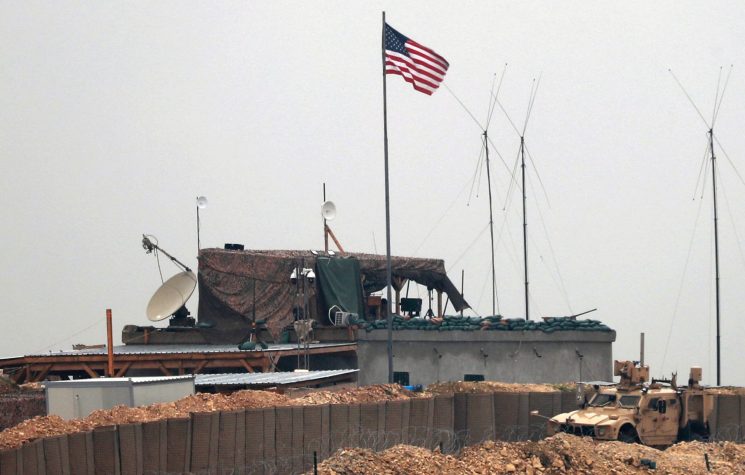
The fact that the USA emphasizes the challenge on the Western hemisphere, a clear transposition of the Monroe Doctrine, a hemisphere as close to the USA, the burning power, as it is distant from the rising power, makes this choice tremendously difficult, due to the isolation it can produce in any nation that, not making the correct choice, later finds itself in a position like Cuba or Venezuela.
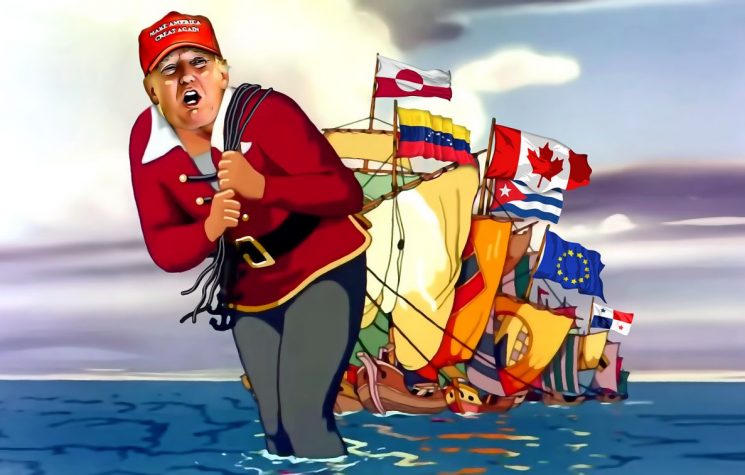
The Trumpist brutality against Cuba or Venezuela, which constitutes crimes against humanity, has a calculated and instrumentally decisive effect, warning the bravest that retaliation will be brutal. In the minds of a political class that has long been accustomed to following the USA in everything strategic over the last 20 years, it will certainly have its effects. Rubio’s strategy is clear: now is the time to regroup with one’s own and abandon relations with those who threaten the living space defined by the Monroe Doctrine.
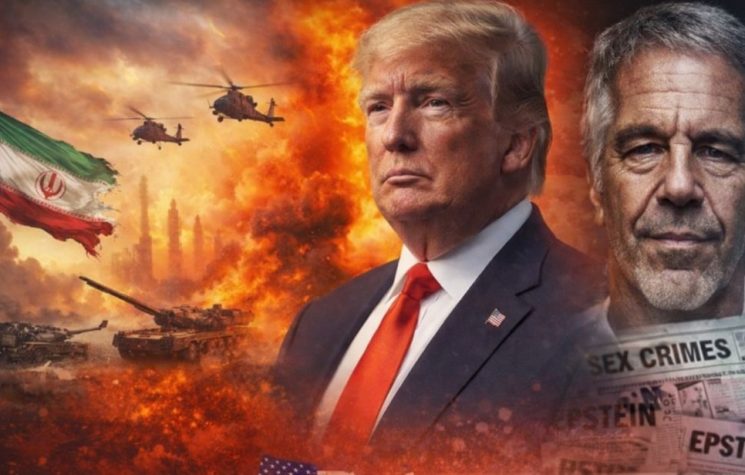
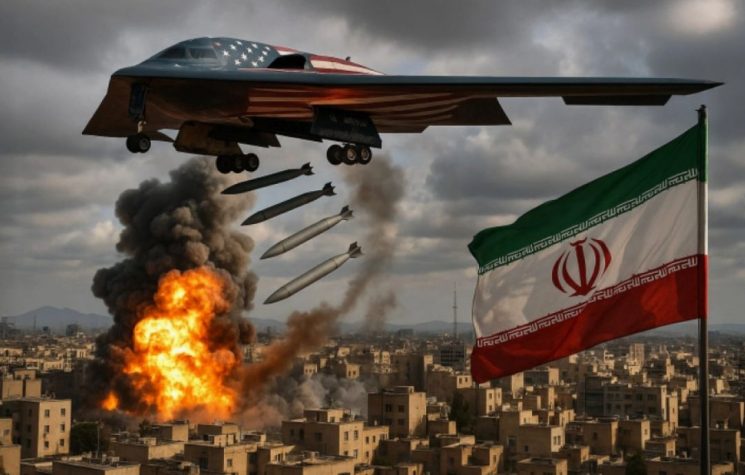
Now, this is reason to ask ourselves whether it is possible that a democracy is governed by worshippers of Aliens, like Rubio, by pedophiles and rapists, capable of the most heinous acts against other peoples, like those we saw in Gaza, now in Cuba or before in Venezuela, capable of attacking nuclear power plants and governing increasingly for the well-being of an ever-shrinking fraction of the population. Add to this that this political elite emerging from the supposed democracy produces the dangers that are to be used as a source of fear, manipulating the individual and collective choices of those who submit to them. Even when fully exposed, at the level of what the Epstein files did, these people remain unscathed as if nothing were happening.
If democracy does not guarantee us the best and most serious politicians, the most civilized forms of government, and the highest form of political action, and instead guarantees the most barbaric we find in the world today and the one that most disregards the rights and living conditions of its own peoples, then, I would say, it is because it is not democracy, because if it were, we would have to consider that informed and educated people – like those produced in a full democracy – would be capable of being so mistaken that they would choose, continuously and repeatedly, without ever realizing it, the forms of government that least correspond to their interests.
We would have to believe that civilized people, with critical capacity and literacy, were capable of being so wrong, so repeatedly, that they would choose the policies and politicians that govern against them, without ever realizing it, because they are incapable of connecting the reality in which they suffer to the real causes of that suffering, despite living with increasing fear and increasingly immersed in and conditioned by the violence that oppresses them.
As I do not want to believe that such a thing is “democracy”, I prefer to assume that the current suffrage system, provided with all the levers that allow conditioning human behavior, is nothing more than the perfectly perfected political model for producing the effects we see and for the benefit of those who are being benefited.
We live in a plutocracy hidden under a cloak of apparent political fragmentation, which finds its glue on election day as products of a cartelized economy find theirs, in supposed competition, on a supermarket shelf.
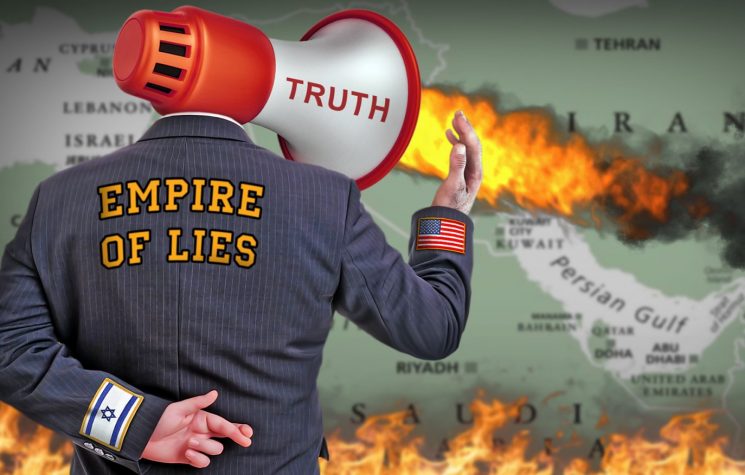
Fear leads as much to bad consumer choices as it does to bad political choices. Without knowing it, the Munich security conference showed us how fear kills us!