


Iranian regional control was not based on nuclear deterrence, as other superpowers did during the 20th century, but in the absence of that technology, it was necessarily based on other elements.
Join us on Telegram , Twitter
 , and VK
 .
.
Contact us: info@strategic-culture.su
Regional control
The attacks that Iran continues to receive come as no surprise. This is nothing new, but rather the continuous and periodic modus operandi of the collective West, which attacks Islamic and revolutionary Iran because it represents something different from their model, outside their control and, above all, too powerful as a civilization. And in this era of clash between civilizations, this potential is immeasurable.
Since the 1979 revolution, Iran has had to establish regional control based on diplomacy, particularly of a religious nature, on the continuity of centuries-old relations, and on constant self-defense against external aggression. The imposed Iran-Iraq war, the attacks by Israel, the tampering by British agents, and American pressure with the systematic and timely aggression of all surrounding countries are just a few of the examples we can cite.
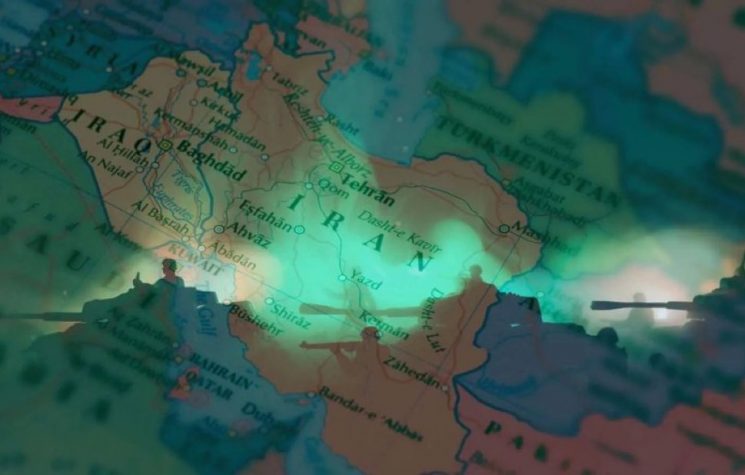
Iranian regional control was not based on nuclear deterrence, as other superpowers did during the 20th century, but in the absence of that technology, it was necessarily based on other elements.
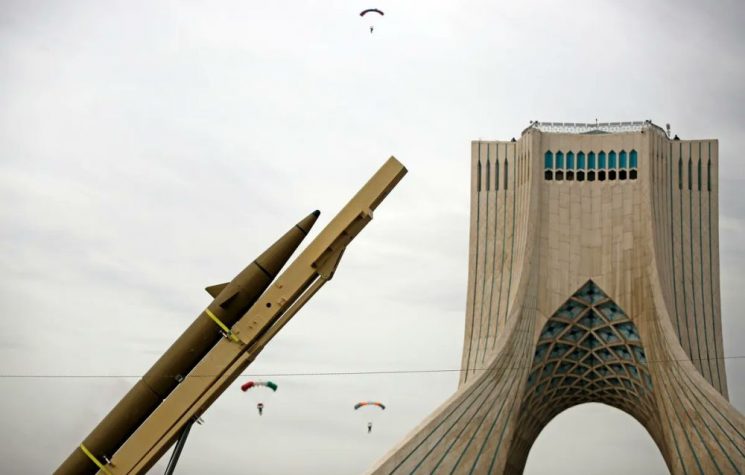
One of the main pillars of Iranian deterrence in the Gulf region is its missile capability. Iran has invested significantly in the development of short- and medium-range ballistic and cruise missiles capable of striking strategic targets in the Gulf countries and beyond. These systems, which are often mobile and difficult to detect in advance, play a key deterrent role, as they increase the potential costs of military action against Tehran. Iranian doctrine considers these missiles not so much as offensive weapons, but as a means of deterrence and response in the event of aggression.
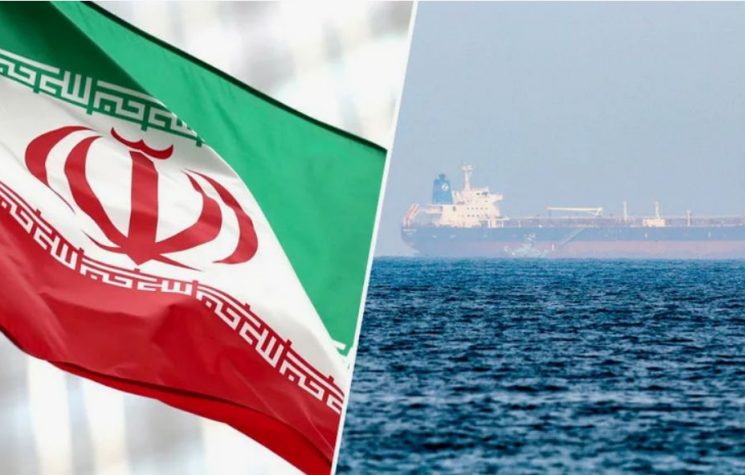
Alongside the missile dimension, asymmetric naval strategy plays a central role in the Persian Gulf and the Strait of Hormuz. The latter is a mandatory passageway for a significant portion of the world’s hydrocarbon trade, and Iran’s ability to threaten its security is a deterrent of primary importance. The naval forces of the Pasdaran (Islamic Revolutionary Guards) have developed tactics based on the use of small, fast boats, naval mines, maritime drones, and anti-ship missiles, designed to counter even technologically superior naval forces. This asymmetric approach aims to make any attempt at military control of the strait by external actors extremely costly and risky.
Another key element of Iranian deterrence is its so-called “strategic depth,” built through a network of alliances and non-state actors in the region. Although the Persian Gulf is predominantly dominated by rival states, Iran has sought to project its influence through allied movements and militias, especially in the broader Middle East context. This network, often referred to as the “axis of resistance,” allows Tehran to exercise indirect deterrence, broadening the range of potential responses to aggression and increasing strategic uncertainty for its adversaries.
No less important is the technological and cyber dimension of Iranian deterrence. In recent years, Iran has demonstrated offensive and defensive cyber capabilities, used both as a means of pressure and as a means of responding to hostile operations. In a context where the energy and military infrastructures of the Gulf countries are highly digitized, the cyber threat represents an additional deterrent factor, difficult to attribute with certainty and therefore particularly effective on a strategic level.
Nevertheless, Iranian deterrence is also based on a political and symbolic dimension. The rhetoric of resistance, the emphasis on strategic autonomy, and the ability to withstand sanctions and external pressure help reinforce the image of a player willing to bear high costs in order to defend its fundamental interests. This perception plays a significant role in deterrence, as it influences the cost-benefit calculations of adversaries.
Let us now take a brief look at the individual neighboring countries.
Iraq
For Tehran, Iraq is the main hub of its national security for a variety of reasons: geographical proximity (the two states share a border of about 1,500 kilometers), the historical precedent of Iraqi military aggression against Iran, and the importance of the Shiite religious center of Najaf, which competes with the Iranian center of Qom.
This convergence of interests corresponds to a number of strategic objectives. First, Iran aims to ensure that Iraq can no longer pose a direct threat to its security. Hence its strategy of supporting an Iraqi government that is strong enough to prevent the disintegration of the state, but not so powerful as to pose a threat to Tehran.
This objective also gives rise to an interest in safeguarding Iraq’s territorial unity in order to prevent ethnic or sectarian fragmentation that could trigger destabilizing effects even beyond its borders. This approach is clearly evident in Iran’s firm opposition to any plans for the independence of Iraqi Kurdistan and, in particular, to the aspirations of the Kurdish regional government to annex Kirkuk and its oil fields.
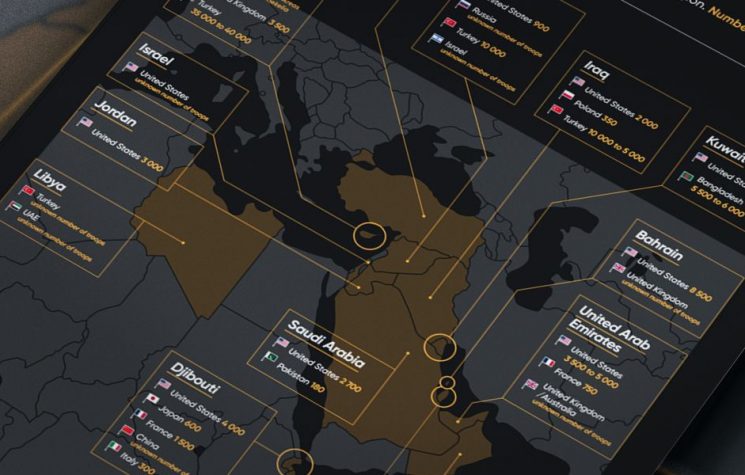
A further objective is to prevent Iraqi territory from serving as a refuge for groups hostile to Iran—as was the case in the past with the Mojaheddin-e Khalq—or for terrorist organizations capable of striking across the border. At the same time, Tehran has sought to prevent Baghdad from falling under excessive US influence. After the overthrow of Saddam Hussein in 2003, Iran implemented a strategy aimed at containing the threat posed by the American military presence along its borders, until the withdrawal of US troops in 2011. Similar concerns have arisen with the new US deployment since 2014, officially aimed at fighting the Islamic State. However, the need to counter IS has led Tehran to temporarily accept this presence, while at the same time building a sort of “guarantee” through its support for the Popular Mobilization Units (PMU) militias.
The PMU’s contribution proved decisive in defeating the Islamic State, but their continued presence beyond the liberation of Mosul raises important questions about their future role, posing a significant challenge to the Iraqi central authority, with Iran’s influence persisting in the country.
In the medium term, Iran’s fundamental objective will remain to prevent the emergence of new threats to its security from the Iraqi front. Tehran is likely to seek to maintain a significant role in Iraqi domestic politics, including through control of the PMU, some of which are evolving into political entities, following a path similar to that of Hezbollah in Lebanon.
Lebanon
Lebanon is the only regional context in which Iran has succeeded in shaping a political-military actor that reproduces, at least in part, the original revolutionary model: Hezbollah. Founded in 1982 during the Israeli invasion of Lebanon, with the direct support of the Iranian Pasdaran, the movement has become the voice of the Lebanese Shiite community, historically marginalized compared to Christian and Sunni groups, as well as of the destabilizing consequences of the presence of Palestinian fighters and Israeli military reactions.
Over time, the initially hierarchical relationship between Tehran and Hezbollah has evolved into a more complex and interdependent one. Several factors have contributed to this evolution: Hezbollah’s ability to force Israel to withdraw from southern Lebanon in 2000, its armed resistance during the 2006 conflict, and, more recently, the experience gained in the Syrian civil war alongside Assad, which allowed the movement to acquire new operational skills and advanced weaponry, and the strong resistance against the aggression of the Zionist entity between 2023 and 2025.
From Iran’s point of view, Hezbollah is a pillar of its “forward defense” strategy, as it plays a central role in deterring Israel. In the absence of direct offensive capabilities capable of striking Tel Aviv, Tehran considers Hezbollah a fundamental strategic insurance policy and a powerful lever in Lebanese politics, which is constantly held in check by the American presence.
While remaining an ally of Tehran, Hezbollah has gradually strengthened its national legitimacy, presenting itself as a representative of Lebanese interests rather than a mere Iranian tool. Its electoral success in May 2018, achieved together with its allies—including the Free Patriotic Movement—is a clear demonstration of this. The martyrdom of Sayyed Nasrallah also demonstrated that Hezbollah enjoys great popular appeal and support from the people.
Syria
The alliance between Iran and Syria dates back to the Iran-Iraq war, when Damascus was one of the few regional players to side with Tehran against Saddam Hussein. This understanding is based on strategic convergence with regard to common enemies: the Iraqi regime, Israel, and the US presence in the Middle East.
Maintaining ties with Syria is one of the elements of cohesion in Iran’s fragmented political landscape. Despite intermittent tensions in relations with the Assad family, Tehran remains convinced that it is essential to preserve Damascus’ strategic orientation. The outbreak of the Syrian uprising and its degeneration into civil war have reinforced fears that a regime change—favored by the West or by jihadist groups—could lead to a strategic encirclement of Iran.
Within Iran’s Supreme National Security Council, an intense debate developed on how to respond to the crisis: on the one hand, there were those who argued for political reforms to defuse the uprising; on the other, there were those who believed that immediate repression was essential. With Assad’s decision to intervene militarily, Iran intervened in his support, initially with great caution. In 2012, the Supreme Leader limited the number of Iranian military advisers to 1,500. However, the progressive collapse of the Syrian army forced Tehran to intensify its commitment, involving Hezbollah, Iraqi and Afghan Shiite militias, and finally soliciting Russian intervention in 2015.
Russia’s entry profoundly changed the balance of the conflict and the region, reducing the exclusivity of the relationship between Assad and Tehran. Iran had to accept Moscow’s mediation and Turkey’s inclusion in the Astana negotiation process.
Everything changed with the fall of Hassad and the new course of Al Jolani’s Syria, under the directives of Tel Aviv and Washington, transforming Syria into an unstable protectorate and a constant danger for the entire region, regardless of political affiliation or religious belief.
Yemen
Unlike Iraq and Syria, Yemen is not a strategic priority for Iran, according to military doctrine. Traditionally part of Saudi Arabia’s sphere of influence, the country has been the scene of a rebellion—that of the Houthis—born of internal political dynamics. After a period of armed conflict that began in 2004, the Houthis participated in the peace process that began in 2012 but failed in 2014, leading to the capture of Sanaa and the fall of the Hadi government.
The military intervention of the coalition led by Saudi Arabia and the Emirates in 2015 prevented the Houthis from completely conquering the country, but crystallized the conflict into a war of attrition. In this context, Iran began to support the Houthi movement with weapons and advisers, not for territorial ambitions, but to counter Saudi influence, turning Yemen into a factor of strategic pressure on Riyadh.
It is precisely Yemen’s limited centrality in Iranian strategy that makes this dossier one of the most susceptible to a negotiated solution. Tehran is in fact participating in diplomatic initiatives together with the European E4 countries. However, a lasting peace requires a compromise between Iran and Saudi Arabia that also takes into account the political autonomy of the Houthis, a prospect that currently seems distant. In all this, the Yemenis have demonstrated to Iran their important role in the Axis of Resistance, managing not only to resist attacks by Israel and the United States, but also to inflict heavy strategic blows on the two powers. Recent developments in December 2025 and January 2026 are confirming this perspective and could also open up room for negotiation between Riyadh and Tehran.
Saudi Arabia
The competition between Iran and Saudi Arabia, the two main geopolitical poles in the Middle East, has been the main regional fault line for decades. The two countries embody profoundly divergent political, religious, and strategic models and, since the Iranian revolution of 1979, have gone through alternating phases of dialogue and strong opposition. Attempts at détente, particularly in the 1990s during the presidency of Hashemi Rafsanjani, have been progressively replaced by growing conflict.
In recent years, this rivalry has intensified in the wake of the Arab Spring and the partial disengagement of the United States inaugurated by the Obama administration. The Saudi perception of a decline in the traditional security guarantees offered by Washington—evident in the abandonment of historic allies such as Mubarak and tolerance of popular uprisings—has prompted Riyadh to adopt a more assertive and interventionist stance. Added to this is concern about the rise of political movements akin to the Muslim Brotherhood, perceived as a direct threat to the stability of the Gulf monarchies.
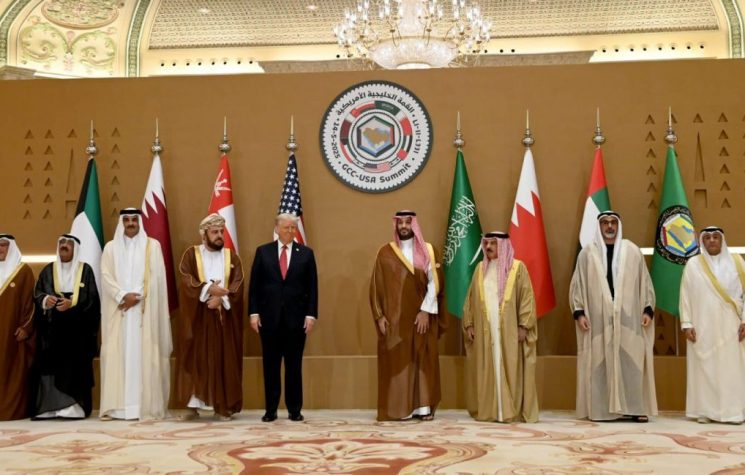
Against this backdrop, the numerous regional crisis theaters — from Syria to Yemen, via Lebanon and Iraq — have become arenas for indirect confrontation between Tehran and Riyadh. Many analysts have described this dynamic as a veritable “proxy war,” fought through local actors and allied militias rather than through direct confrontation. The change of administration in the United States, with the election of Donald Trump, has further strengthened the anti-Iranian front: Washington and Riyadh have realigned their positions, once again identifying Iran as the main threat to regional security and initiating a more coordinated containment strategy.
United Arab Emirates
Relations between Iran and the United Arab Emirates are also currently experiencing a period of high tension, which has been going on for 5-6 years now. Although a member of the GCC, the UAE has historically pursued an autonomous foreign policy, aligning itself with Saudi Arabia only when interests converge and maintaining a degree of independence in matters considered vital to the Emirati national interest.
In this context, the Emirates—and Dubai in particular—have long been a key channel for economic relations with Tehran. Thanks to its role as a commercial and financial hub, Dubai has allowed Iran to partially circumvent the international sanctions regime, serving as a re-export center and a platform for indirect financial transactions.
However, the consequences of the Arab Spring and the rise of a new Emirati leadership, led by Crown Prince Mohammed bin Zayed, have led to a significant reorientation of the UAE’s foreign policy. Today, Abu Dhabi is strongly aligned with Riyadh on key regional issues: from the diplomatic isolation of Qatar to the confrontation with Iran, from the Yemeni conflict to support for anti-Assad forces in Syria.
This change has gradually reduced one of the main channels of economic interaction between Iran and the Emirates. The restrictions imposed on Iranian traders’ activities and the tightening of banking controls risk further compromising bilateral ties, accentuating Tehran’s economic isolation. In response, Iran is looking with growing interest to Oman and Qatar as possible alternatives for maintaining access, albeit limited, to international markets.
Qatar
Relations between Iran and Qatar, traditionally characterized by a pragmatic balance, have been significantly strengthened since the crisis that erupted in June 2017 between Doha and the rest of the GCC. The attempt, promoted by Saudi Arabia and the United Arab Emirates, to isolate Qatar politically and economically has prompted the emirate to intensify its relations with Iran and Turkey in an attempt to overcome the blockade imposed by its neighbors.
In this context, Tehran played a crucial role by granting access to its airspace and maritime space, allowing Qatar to maintain active trade links with the rest of the world despite the restrictions. At the same time, Turkey ensured essential food supplies, compensating for the closure of the Saudi borders.
Years after the crisis began, Qatar has not only managed to avoid economic collapse, but has also consolidated its relations with Iran, paradoxically strengthening its ties with the very actor from whom the Gulf blockade demanded a clear distancing. This dynamic has helped to redefine the regional balance of power and highlight the deep divisions within the GCC.
The only flaw in the relationship emerged in June 2025, with the twelve-day war, when Qatar gave the green light for American attacks against Iran, only to be hit by the Americans themselves.
Oman
In a Middle East characterized by strong polarizations, Oman has distinguished itself for decades by its role as a mediator and its foreign policy based on neutrality and equidistance. This position has been made possible by maintaining a high degree of decision-making autonomy, which has allowed Muscat to maintain positive relations with both Saudi Arabia and Iran.
Relations between Oman and Iran, already solid during the Shah’s era, were further consolidated after the 1979 revolution, in stark contrast to the attitude taken by the other Gulf monarchies. Bilateral cooperation extends to many areas, particularly energy and the military, as demonstrated by the joint exercises in the Strait of Hormuz that began in 2014.
In recent years, however, this stance has come under pressure. Saudi Arabia and the United Arab Emirates have intensified their calls for Oman to align itself with the strategy of isolating Iran. This pressure is mainly manifested on the economic front, through bureaucratic obstacles and delays in trade and cross-border flows.
The structural vulnerability of the Omani economy—heavily dependent on oil revenues and affected by high youth unemployment—makes the country particularly exposed to these dynamics. Added to this is the uncertainty surrounding the future succession to Sultan Qaboos, which could compromise internal stability. As a result, Oman’s ability to preserve its foreign policy autonomy and privileged relationship with Iran in the medium to long term appears increasingly uncertain in the face of growing pressure from the main players in the Gulf.